Most car batteries come with a warranty that lasts between 2 to 5 years, depending on the brand and type of battery you purchase. If you've ever been stranded with a dead car battery, you already know how frustrating it can be. The good news is that most batteries sold today are backed by some form of warranty, which can save you money and stress when things go wrong. Let me walk you through everything you need to know about car battery warranties, so you can make smart choices and avoid common pitfalls. Over the years, I've dealt with plenty of batteries, and understanding warranty coverage has saved me hundreds of dollars and countless headaches.
Understanding Car Battery Warranties
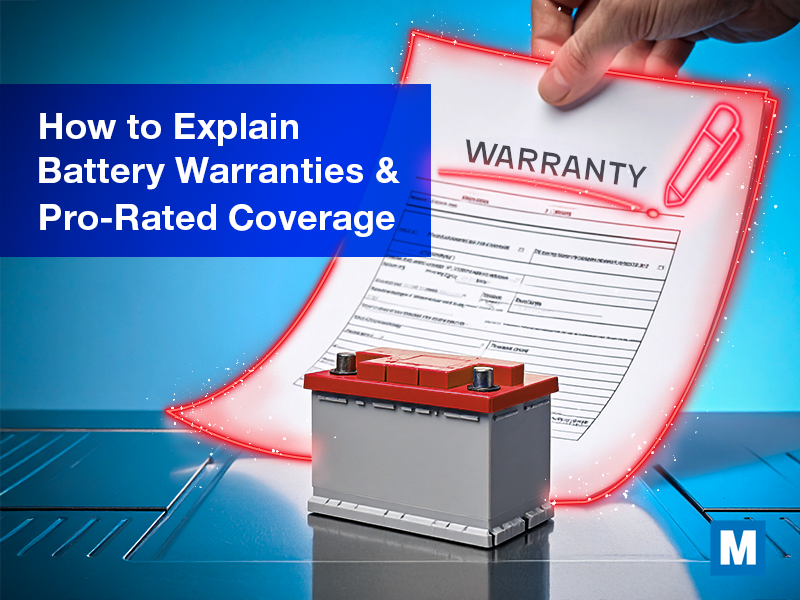
A car battery warranty is essentially a promise from the manufacturer or seller. It says they will replace it or give you your money back if the battery fails within a certain period. Think of it like insurance for one of the most hardworking parts in your vehicle. Your battery powers everything, from starting the engine to running your lights, radio, and GPS.
There are two main types of warranties you'll encounter:
- Free replacement period
- Prorated warranty period
During the free replacement period, if your battery dies for any reason other than abuse or neglect, you get a brand new one at no cost. Once that period ends, the prorated warranty kicks in, and you'd get a discount on a replacement based on how long you've used the battery.
How Long Do Car Battery Warranties Typically Last?
The length of a warranty varies quite a bit depending on the brand, type, and where you buy it. Here's a general breakdown:
- Economy batteries usually come with a 1 to 2 year warranty
- Mid-range batteries often have 3 to 4 year warranties
- Premium batteries can last 5 years or more under warranty
Some high-end batteries, especially absorbed glass mat (AGM) types, may even offer warranties up to 6 or 7 years. However, keep in mind that a longer warranty doesn't always mean a better battery. It often reflects the manufacturer's confidence in their product's durability and lifespan.
I remember buying a budget battery once because it was cheap and had a 1-year warranty. It died right at the 13-month mark, and I learned the hard way that a short warranty often signals a shorter overall lifespan.

What Does a Car Battery Warranty Actually Cover?
This is where things get interesting. Not all warranties are created equal, and reading the fine print matters. Most standard warranties cover:
- Manufacturing defects
- Premature failure under normal use
- Internal shorts or dead cells
However, warranties typically do not cover:
- Damage from improper installation
- Extreme heat or cold exposure that damages the battery
- Neglect, such as leaving lights on and draining the battery repeatedly
- Physical damage from accidents or corrosion
- Normal wear and tear after the warranty period
Think of the warranty like a safety net. It catches you if the battery has a problem on its own, but it won't save you if you accidentally damage it or treat it poorly.

Free Replacement vs. Prorated Warranties Explained
Let me break this down in simple terms because it confused me at first too.
Free Replacement Period
This is the golden period of your warranty. If your battery fails during this time, you walk into the store, present your receipt or warranty card, and walk out with a new battery. No questions asked, no extra cost. Most free replacement periods range from 12 to 36 months.
Prorated Period
Once the free replacement period ends, the prorated warranty begins. The manufacturer calculates how much of the battery's life you've used and offers a discount on a new one. For example, if you have a 5-year warranty with a 2-year free replacement period, and your battery fails in year 4, you might get 40% off a new battery. The math can feel a bit tricky, but the store staff usually handles it for you.
Here's a simple example:
- Battery price: $150
- Total warranty: 5 years
- Free replacement: 2 years
- Prorated period: Years 3 to 5
- Battery dies in year 4
- Years used: 4 out of 5
- Remaining life: 1 out of 5
- Discount: $150 x (1/5) = $30 off
So you'd pay $120 for a new battery instead of $150. Not bad, right?

Common Reasons Car Battery Warranties Are Voided
You'd be surprised how often people accidentally void their warranty without even realizing it. Here are the most common mistakes:
- Installing the battery yourself in a way that damages the terminals
- Using the wrong type of battery for your vehicle
- Letting the battery sit unused and uncharged for long periods
- Ignoring warning signs like slow cranking or dim lights
- Modifying the battery or trying to "fix" it yourself
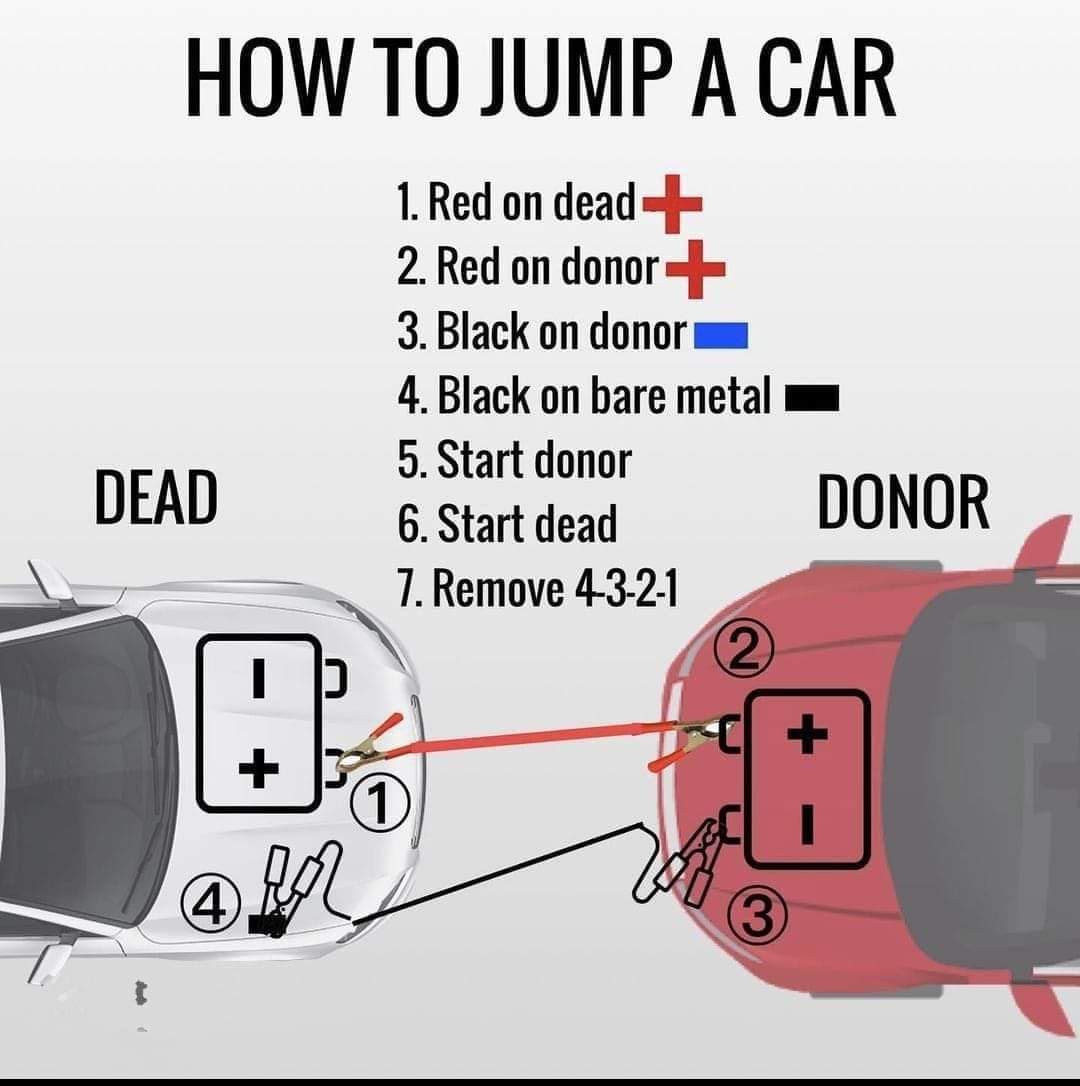
From my own experience, I've seen people try to clean corrosion with the wrong products or jump-start a completely dead battery in the wrong sequence. These actions can damage the battery and give the manufacturer a reason to deny your claim.

How to Make Sure Your Warranty Claim Gets Approved
Getting a warranty claim approved is usually straightforward, but a little preparation goes a long way. Here's what you should do:
- Keep your receipt in a place you can find it
- Register your battery if the manufacturer requires it
- Have your battery tested at the store before making a claim
- Document any issues with photos or notes
- Bring the old battery with you when making the swap
Many auto parts stores will check your battery for free and tell you if it's actually failing or if the problem is with your alternator or another part of the car. This step alone can save you a wasted trip and a denied claim.

Are Warranties Worth It When Buying a Car Battery?
Absolutely, especially if you're buying a mid to high-priced battery. Warranties give you peace of mind and protect your wallet. Even if you never use it, the warranty acts like a safety net for the unexpected.
That said, a warranty shouldn't be your only reason for choosing a battery. Consider these factors too:
- Cold cranking amps (CCA) for your climate
- Reserve capacity for extra power needs
- Battery size that fits your vehicle
- Brand reputation and reviews
- Maintenance requirements
Think of the warranty as a bonus, not the main feature. A great battery with a solid warranty is the winning ticket.

How Warranties Differ Between Stores and Manufacturers
You might notice that warranties vary depending on where you buy your battery. Big-box stores, dealerships, and auto parts shops often offer their own warranty terms in addition to the manufacturer's warranty.
For example:
- Manufacturer warranty comes with the battery itself and is valid anywhere that brand is sold
- Store warranty may offer extra benefits like longer free replacement periods
- Dealer warranties often bundle battery replacement with service packages
I've found that buying from a reputable auto parts store often gives you the best of both worlds. You get the manufacturer's warranty plus the store's customer service, which makes the whole process smoother if you ever need to make a claim.
Tips to Extend the Life of Your Car Battery
A good warranty is great, but a long-lasting battery is even better. Here are some practical tips that have worked wonders for me over the years:
- Drive your car regularly to keep the battery charged
- Turn off all lights and accessories before shutting off the engine
- Keep the battery terminals clean and free of corrosion
- Have your battery checked during routine maintenance
- Park in a garage or shaded area during extreme weather
- Avoid short trips that don't give the battery time to fully recharge
I once had a battery last over 7 years by following these simple steps. It felt like beating the system, but really, I just treated the battery with a little care.
What to Do When Your Car Battery Dies Under Warranty
If your battery fails and you think it's covered, don't panic. Here's a simple step-by-step process:
- Confirm the purchase date and check the warranty period
- Locate your receipt and any warranty documentation
- Remove the battery from your vehicle safely
- Bring the battery and receipt to where you bought it
- Ask for a free or prorated replacement based on the terms
- Install the new battery and dispose of the old one properly
Most stores handle the entire process in under 30 minutes, so you'll be back on the road quickly. Just make sure to bring the old battery with you, as many stores require it for the exchange.
Frequently Asked Questions
Does a car battery warranty cover a dead battery?
Yes, most warranties cover a battery that fails to hold a charge due to a defect. However, if the battery dies because you left your lights on or the alternator is faulty, the warranty likely won't cover it.
Can I get a refund instead of a replacement battery?
In most cases, you'll receive a replacement battery rather than a refund. Some stores may offer a credit toward a future purchase if you prefer not to take another battery of the same type.
How do I know when my battery warranty expires?
Check your original receipt or warranty card for the purchase date and warranty length. You can also contact the manufacturer or the store where you bought it to confirm the exact expiration date.
Does the warranty transfer if I sell my car?
It depends on the manufacturer's policy. Some warranties stay with the battery itself, meaning the new owner can use it. Others are tied to the original buyer, so they become void after a sale.
What happens if I lose my battery receipt?
Many stores can look up your purchase using your phone number, loyalty account, or the credit card you used. If that's not possible, the warranty might be harder to claim, which is why keeping a digital copy of your receipt is always a smart idea.
Conclusion
A car battery warranty is your safety net for one of the most important parts of your vehicle. It typically lasts 2 to 5 years and covers defects and premature failure, giving you peace of mind and saving you money when things go wrong. Remember to keep your receipt, understand the difference between free replacement and prorated coverage, and take care of your battery to extend its life. Treat your battery well, and it'll return the favor by keeping your car running smoothly for years to come. If you found this guide helpful, feel free to share it with fellow drivers or drop a comment with your own battery experiences below.