A good CCA rating for a car battery is one that meets or slightly exceeds your vehicle manufacturer’s recommendation, usually between 400 and 1,000 CCA depending on engine size and climate. Choosing the right cold cranking amps keeps your car starting reliably in any weather, prevents electrical strain, and extends battery life.
Picture this: it’s a freezing winter morning, you turn the key, and your engine barely grumbles to life. That rough start is often a clue your battery’s CCA isn’t quite right for your car. CCA, or cold cranking amps, is one of those little numbers on a battery label that most drivers overlook until something goes wrong. But once you understand what a good CCA rating really means, you’ll never pick a battery the same way again. I’ve spent years testing batteries in everything from compact sedans to heavy-duty pickups, and I can tell you firsthand: matching CCA to your engine and climate is the single biggest factor in how reliably your car starts. In this guide, I’ll walk you through exactly what CCA is, how to pick the right number for your vehicle, and the mistakes I’ve seen people make when they ignore it.
What Does CCA Mean for a Car Battery
CCA stands for cold cranking amps. It measures how much current a fully charged battery can deliver for 30 seconds at 0°F while keeping voltage above 7.2 volts. In simple terms, it tells you how well your battery can start your engine in cold weather.
Think of CCA as your battery’s muscle power on a freezing morning. The higher the CCA, the stronger the push your battery gives the starter motor when the oil is thick and the engine is cold. This rating is especially important because cold temperatures slow down chemical reactions inside the battery, making it harder to produce power. A battery that works fine in summer can feel sluggish in winter if its CCA is too low for your engine.
Manufacturers test CCA under strict standards so you can compare batteries fairly. For example, a battery rated at 600 CCA can push out 600 amps for half a minute in freezing temps without dropping below that critical voltage threshold.
How CCA Rating Works in Real Life
Let me break it down so it really clicks. When you turn your key, your starter motor draws a huge burst of current to spin the engine. That burst usually lasts only a few seconds, but it’s intense. CCA tells you whether your battery has enough strength to handle that burst when it’s cold outside.
If you live in a warm climate, you might think CCA doesn’t matter much. But here’s the catch: even in mild weather, engines with higher compression or larger displacements need more cranking power. A V8 truck will demand more amps than a four-cylinder commuter car.
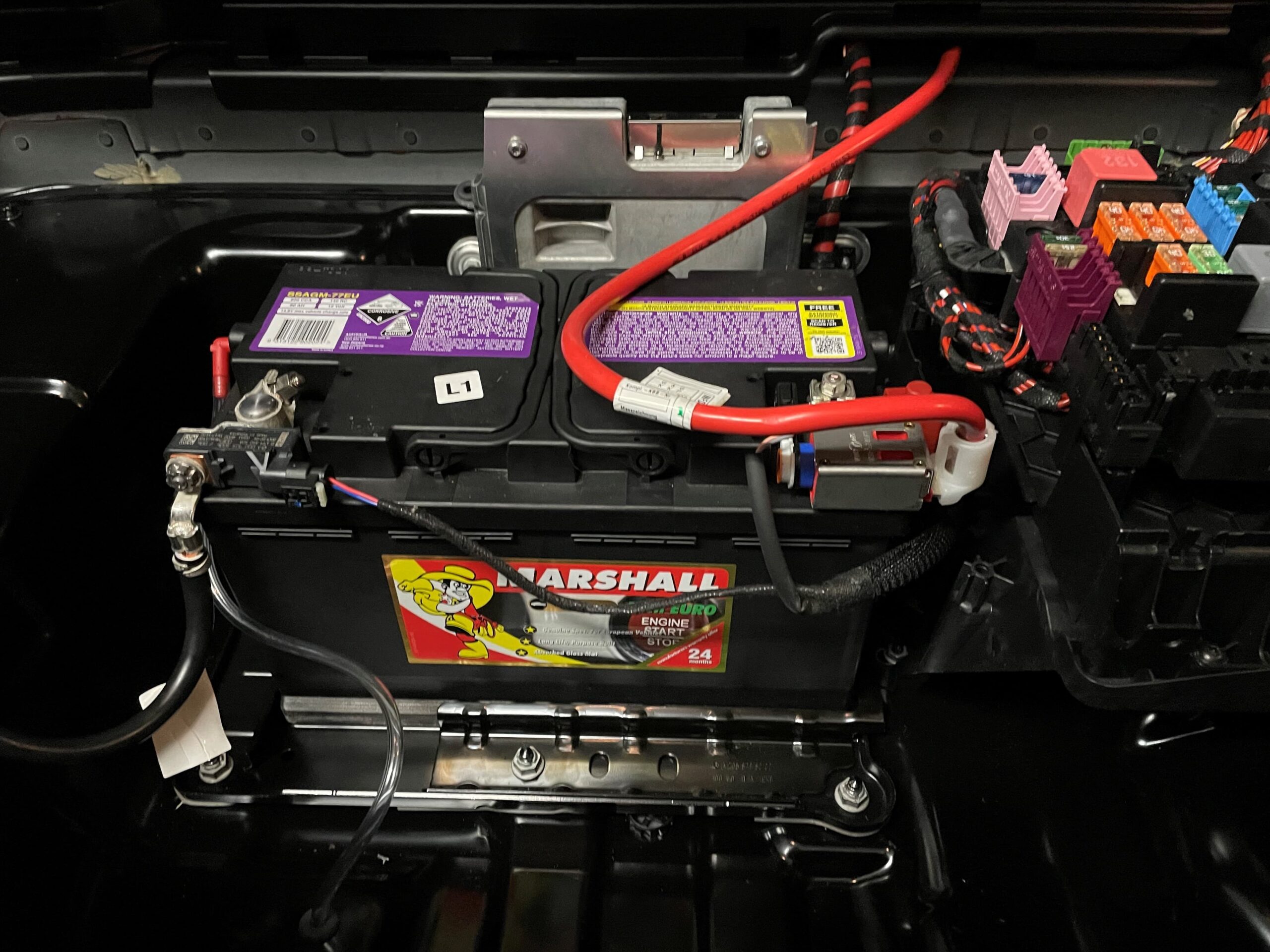
I remember helping a friend diagnose a no-start issue in his SUV. The battery was only a year old, but it tested at just 350 CCA. His owner’s manual called for at least 650 CCA. After swapping in a battery with 750 CCA, the SUV started instantly every time, even on chilly mornings. The lesson was clear: undersized CCA hurts reliability, no matter the season.
What Is Considered a Good CCA for a Car Battery
A good CCA rating is one that matches or modestly beats your vehicle manufacturer’s recommendation. For most standard passenger cars, a rating between 400 and 600 CCA is solid. For larger vehicles like trucks and SUVs, 700 to 1,000 CCA is usually ideal. Diesel engines and high-performance vehicles often need 800 CCA or more.
Here’s a quick way to think about it:
- Compact cars and small sedans: 400 to 500 CCA
- Mid-size sedans and crossovers: 500 to 650 CCA
- Full-size SUVs and vans: 650 to 850 CCA
- Light trucks and performance cars: 700 to 900 CCA
- Heavy-duty trucks and diesel engines: 800 to 1,000+ CCA
These ranges aren’t universal, but they give you a reliable starting point. The best move is to look up your owner’s manual for the exact CCA your vehicle needs, then aim for that number or slightly higher.
Why Matching Your Vehicle’s CCA Matters
Choosing the right CCA isn’t just about starting power. It affects your electrical system’s health and your battery’s lifespan. A battery with too little CCA struggles to turn the engine over, which overworks the starter and drains the battery faster. A battery with way more CCA than you need isn’t harmful, but it’s often more expensive than necessary.
From my experience, hitting the manufacturer’s recommended CCA is the sweet spot. It gives you reliable cold-weather starts without overspending. Going 10 to 20 percent above the minimum can also be smart if you live in an extremely cold climate or run lots of accessories like heated seats and powerful audio systems.
How Climate Affects Your CCA Needs
Cold temperatures reduce a battery’s effective output. At 0°F, a battery can lose up to 35 percent of its cranking power. At 32°F, that loss drops to around 20 percent. So if you live somewhere with harsh winters, you’ll want more CCA than someone in a mild coastal area.
For example, a car rated for 500 CCA in Florida might need 650 CCA in Minnesota to deliver the same starting performance in January. That’s why many northern mechanics recommend bumping up your CCA by one tier if you face sub-freezing temperatures regularly.
How to Find the Right CCA for Your Car
Finding the right CCA is easier than most people think. Here’s the simple process I recommend:
- Check your owner’s manual for the recommended CCA range.
- Look at your current battery’s label and note its CCA rating.
- Consider your climate and how cold your winters get.
- Match the manufacturer’s recommendation, or go 10 to 20 percent higher for cold climates.
- Choose a reputable brand with strong warranties and proven performance.
I always tell people to treat CCA like a shoe size. You want a fit that’s right for your engine and environment, not just the biggest number you can find.
Common Mistakes to Avoid When Choosing CCA
Over the years, I’ve seen drivers make the same battery mistakes again and again. Here are the biggest ones to watch out for:
- Buying the cheapest battery without checking CCA.
- Ignoring the owner’s manual and guessing the CCA.
- Picking a CCA that’s far too high for a small engine.
- Forgetting to match the battery group size and terminal layout.
- Assuming all batteries of the same CCA perform identically.
Quality matters as much as the number. A well-built 600 CCA battery from a trusted maker will serve you far better than a no-name 800 CCA battery that fails after a year.
How Long Does a Good CCA Battery Last
A battery with the right CCA rating for your vehicle typically lasts 3 to 5 years under normal conditions. Harsh climates, frequent short trips, and heavy electrical loads can shorten that lifespan. If you live somewhere extremely hot or cold, expect closer to 3 years. If you drive regularly and your climate is mild, you might stretch it to 5 or even 6 years.
I’ve had batteries last well past 5 years simply because I matched the CCA correctly and kept up with routine checks. The right battery doesn’t just start your car; it also reduces wear on your starter and alternator.
Tips for Getting the Most Out of Your Battery
Once you’ve picked the right CCA, a few habits can extend your battery’s life:
- Drive your car regularly to keep it fully charged.
- Avoid leaving electronics on when the engine is off.
- Keep the battery terminals clean and tight.
- Test your battery once a year, especially before winter.
- Park in a garage when possible to limit temperature swings.
These small steps make a noticeable difference, especially if you live somewhere with extreme seasons.
Frequently Asked Questions About CCA for Car Batteries
What happens if my CCA is too low
If your CCA is too low, your engine will crank slowly, especially in cold weather, and may not start at all. It also puts extra strain on your starter motor and shortens battery life.
Can I use a higher CCA battery than recommended
Yes, using a higher CCA battery than recommended is perfectly safe and can even improve cold-weather starting. Just make sure the battery fits your vehicle’s group size and terminal layout.
Does a bigger engine always need more CCA
In most cases, yes. Bigger engines have more cylinders and higher compression, which requires more cranking power. That’s why trucks and SUVs usually need higher CCA than compact cars.
How do I know my battery’s CCA rating
You can find your battery’s CCA rating printed directly on the label. It’s usually listed as “CCA” followed by a number, like “CCA 650.”
Is CCA the only rating that matters
CCA is one of the most important ratings, but it’s not the only one. Reserve capacity and amp-hour ratings also matter, especially if you run lots of accessories or need backup power.
Picking the right CCA for your car battery doesn’t have to feel like rocket science. Match your owner’s manual, adjust for your climate, and choose a trusted brand. Do it right, and you’ll enjoy fast, confident starts no matter the season. Got questions about your specific vehicle or want to share your own battery experience? Drop a comment below, and let’s keep the conversation rolling.