Always reconnect the positive (+) terminal first, then the negative (−) terminal, to prevent sparks, short circuits, and potential damage to your car's electrical system.
Knowing the right order to reconnect a car battery isn't just a small detail; it's a safety habit that protects you, your vehicle, and the electronics inside it. I've reconnected batteries in everything from old trucks to modern hybrids, and trust me, taking 30 extra seconds to follow the correct sequence can save you from a world of frustration. In this guide, I'll walk you through exactly how to do it, why it works, and the mistakes I've learned to avoid.
Why the Order Matters When Reconnecting a Car Battery
The order you use when reconnecting a car battery matters because of how electrical circuits behave. When you connect the negative cable first, there's a chance the wrench could touch the metal frame while still holding the positive cable. That creates a direct short circuit, which can spark, melt tools, or fry sensitive electronics. By connecting the positive cable first, you remove that risk.
Modern cars rely on computers, sensors, and modules that can cost hundreds of dollars to replace. A single spark from a wrong connection can damage them. That's why even experienced mechanics treat battery work like surgery: clean, calm, and in the right order.
What Order to Reconnect Car Battery Step by Step
Reconnecting a car battery is simple when you follow a clear sequence. Here's the exact order that keeps you safe and your electronics intact.
Step 1: Make Sure the Ignition Is Off and Keys Are Out
Before touching any cables, turn off the engine and remove the key from the ignition. This prevents any power surge from flowing through the system while you work. It also stops the car from trying to start while cables are loose.
Step 2: Identify the Positive and Negative Terminals
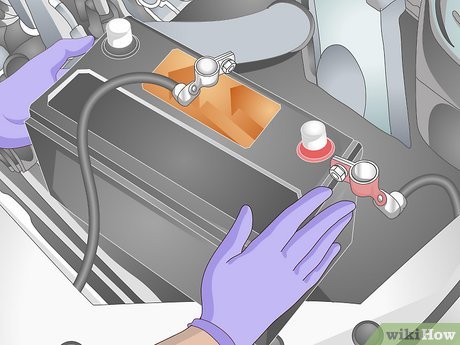
The positive terminal usually has a red cover or a plus (+) sign. The negative terminal has a black cover or a minus (−) sign. The positive cable is often thicker. If your battery is dirty, wipe it down so you can clearly see which is which.
Step 3: Connect the Positive (+) Terminal First
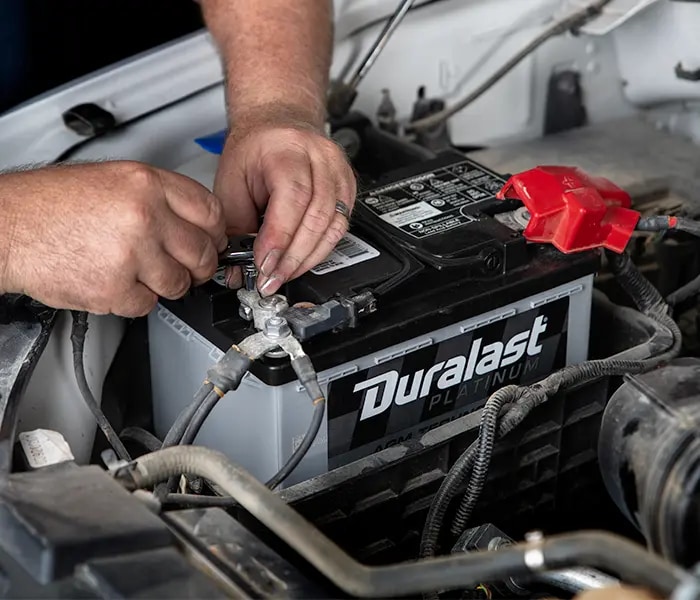
Place the positive cable onto the positive terminal. Tighten the bolt snugly, but don't overtighten. You want the cable secure, not stripped. A good connection ensures steady power flow to the starter and electronics.
Step 4: Connect the Negative (−) Terminal Last
Now attach the negative cable to the negative terminal. This is the safe part of the process because any accidental tool contact with the frame won't cause a spark. The negative side completes the circuit in a controlled way.
Step 5: Apply Terminal Protector and Double-check Connections
Once both terminals are connected, give them a light tug to make sure they're tight. If you have terminal grease or anti-corrosion spray, now is the time to apply it. This small step prevents corrosion and extends battery life.

Safety Precautions to Follow Before Reconnecting the Battery
Even with the right order, skipping safety steps can turn a simple job into a costly mistake. Here are the precautions I never skip.
Wear Protective Gear
Safety glasses and gloves are non-negotiable. Battery acid can splash, and a slipped wrench can send sparks flying. I learned this the hard way when a tiny acid splash landed on my wrist. Gloves would have prevented the minor burn entirely.
Work in a Well-Ventilated Area
Batteries release hydrogen gas, which is highly flammable. Always reconnect your battery in an open garage or outdoors. Avoid smoking or open flames nearby.
Avoid Touching Both Terminals at Once
Your body can conduct electricity, especially if your hands are wet. Always handle one cable at a time. This keeps you from becoming part of the circuit.
Keep Metal Tools Insulated
Use a wrench with a rubber grip if possible. If not, wrap the handle with electrical tape. This small barrier prevents accidental shorts if the tool touches the frame while on the positive terminal.

What Happens If You Reconnect the Battery in the Wrong Order
Connecting the negative terminal first isn't just a minor mistake; it can cause real problems. Here's what can go wrong.
Electrical Short and Sparking
If the negative cable is connected first and your wrench slips while tightening the positive, it can create a spark. In rare cases, this spark can ignite hydrogen gas and cause a small explosion. It's rare, but it's real, and it's avoidable.
Damage to the ECU and Electronics
Modern vehicles have an Engine Control Unit (ECU) and various sensors. A sudden short can send a voltage spike through the system. This can corrupt software, blow fuses, or damage modules. Repair bills often start at $300 and go up from there.
Blown Fuses or Melted Wiring
A wrong connection can blow fuses instantly. In worse, it can melt wiring harnesses. I've seen a melted positive cable that fused to the frame. The owner had to replace the entire harness, a job that took two days and cost over $500.
Tools You Need to Reconnect a Car Battery
You don't need a full mechanic's toolbox, but a few key items make the job easier and safer.
Basic Tools
- A 10mm wrench or socket (the most common battery terminal size)
- A wire brush or terminal cleaner
- A pair of safety gloves
- Safety glasses
Optional but Helpful
- Battery terminal protector spray or grease
- A memory saver for your car electronics (preserves radio codes and ECU settings)
- A battery hold-down tool if your battery uses a clamp
Using the right tools reduces the chance of stripping bolts or damaging terminals. Stripped bolts are frustrating and can make future battery swaps harder.

How to Maintain Your Battery After Reconnection
Reconnecting the battery is just the start. A few minutes of care can extend its life by months or even years.
Keep Terminals Clean
Corrosion looks like a white or blue powder around the terminals. It blocks current flow and weakens your battery. Clean it with a wire brush and a mix of baking soda and water. Rinse and dry thoroughly.
Check the Charge Regularly
If your car sits for long periods, the battery drains slowly. Use a trickle charger or drive the car at least once a week for 20 minutes. This keeps the battery topped off and prevents sulfation, a buildup that kills batteries over time.
Inspect the Hold-Down Bracket
A loose battery can vibrate and crack internally. Make sure the hold-down bracket is snug. This small step prevents internal damage and keeps the battery secure under the hood.
Personal Tips From Real Battery Reconnections
Over the years, I've reconnected batteries in dozens of vehicles. Here are a few lessons that saved me time and money.
Use a Memory Saver for Modern Cars
When I disconnected my own car's battery to replace the alternator, I lost my radio presets and had to reset the clock. It was annoying. Now I always use a 9V memory saver plugged into the cigarette lighter. It keeps the ECU alive and saves my settings.
Don't Overtighten Terminal Bolts
I once snapped a terminal bolt because I thought "tighter is better." It wasn't. The battery shifted and a cable came loose. Now I tighten until snug and then a quarter turn more. That's enough.
Label Your Cables if You're Taking a Long Break
If you're storing a car for months, label the positive and negative cables with tape. It's easy to forget which is which after a long layoff. This small habit saves confusion when it's time to reconnect.
Frequently Asked Questions
Do I need to disconnect the negative terminal first when removing a battery?
Yes, always remove the negative terminal first when taking off a battery. This prevents sparks if your tool touches the frame while loosening the positive cable.
Can reconnecting a battery damage my car's computer?
It can if done in the wrong order or if there's a spark. Connecting the positive first and the negative last protects the electronics and avoids dangerous shorts.
What happens if I connect the positive terminal first and then the negative?
That's exactly what you should do. Connecting the positive first reduces the risk of sparks and protects the car's electrical system.
Do I need to reset anything after reconnecting a car battery?
Some cars need the clock, radio code, or window auto-up feature reset. A memory saver can prevent this. Check your owner's manual for specific reset steps.
How tight should battery terminals be?
Tight enough that the cable doesn't move when you wiggle it. Overtightening can strip the bolt or crack the terminal. Snug is enough.
Reconnect With the Right Order Every Time
The right order to reconnect a car battery is simple: positive first, negative last. This small habit protects your electronics, prevents sparks, and keeps you safe. Always work in a ventilated space, wear gloves and glasses, and double-check your connections. A few minutes of care now can save you hundreds in repairs later. Keep these steps in your memory, and you'll handle every battery job with confidence.