

On average, a car battery lasts about three to five years under normal driving conditions. That said, your real-world experience can swing that number quite a bit depending on where you live, how you drive, and how well you care for the battery. Think of it like a pair of sneakers — some people get years out of them, while others wear through the soles in a few months.
If you've ever turned the key and heard nothing but a sad little click, you already know how annoying a dead battery can be. And here's the thing: most people don't think about their battery until it fails. But once you understand what affects car battery life, you can easily push that average lifespan to the higher end of the range — or even beyond it. In this guide, I'll walk you through everything I've learned about car batteries over the years, from what shortens their life to what you can do to make them last longer.
What Exactly Is a Car Battery and What Does It Do
Let's start with the basics. A car battery is a rechargeable power source that gives your vehicle the jolt it needs to start the engine. Once the engine is running, the alternator takes over and powers everything from your headlights to your radio, while also recharging the battery for the next start.
Most modern cars use a lead-acid battery, which has been the industry standard for decades. Inside the battery, you'll find a mix of lead plates and sulfuric acid that create electrical energy through a chemical reaction. When you turn the key or push the start button, the battery sends a burst of power to the starter motor, and your engine roars to life.
Beyond just starting the engine, your battery also acts like a power stabilizer. It helps smooth out voltage spikes and keeps your electrical system running smoothly when the alternator's output fluctuates. Without a healthy battery, even a perfectly good alternator can't do its job properly.
The Average Lifespan of a Car Battery
So, how long does a car battery actually last? The industry-standard answer is three to five years, but that number comes with a lot of asterisks. Some batteries give up after just two years, while others keep going strong for six or even seven years. It really depends on a mix of usage patterns, climate, and maintenance.
Here's a quick breakdown of what you might expect based on different conditions:
- Typical daily driving in a mild climate: 4 to 5 years
- Frequent short trips in any climate: 2 to 3 years
- Hot climates with extreme summer temperatures: 2 to 4 years
- Cool climates with mild winters: 5 to 6 years
- Well-maintained battery with regular checks: 5 to 7 years
In my own experience, I've had batteries die in under three years when I was only making short trips around town, and I've also had one that lasted almost six years before it finally gave out. The difference? The longer-lasting battery belonged to a car I drove regularly on highway trips, and I kept up with basic maintenance.
What Factors Affect Car Battery Life
Several things can either shorten or extend the life of your car battery. Understanding these factors can help you get ahead of potential problems and avoid being stranded with a dead battery at the worst possible moment.
Climate and Temperature
Heat is the number one enemy of car batteries. High temperatures speed up the chemical reaction inside the battery, which sounds like a good thing but actually causes the fluid inside to evaporate faster. That leads to internal damage and a shorter lifespan. Cold weather, on the other hand, doesn't kill batteries directly, but it reveals weak ones. A battery that's already struggling in summer often won't have enough power to start the engine on a freezing winter morning.
Driving Habits
How you drive matters more than most people realize. If you mostly take short trips — say, less than 20 minutes — your alternator doesn't have enough time to fully recharge the battery. Over time, that creates a slow drain that weakens the battery. Long highway drives, on the other hand, give the alternator plenty of time to top off the charge.
Vibrations and Physical Damage
A loose battery or one that's not properly secured can vibrate while you drive. Those vibrations can damage the internal plates and cause early failure. That's why it's important to check that your battery is tightly mounted and that the hold-down bracket is doing its job.
Electrical Load
Modern cars are packed with electronics — infotainment systems, heated seats, USB ports, backup cameras, and more. If you leave these accessories on when the engine is off, you're draining the battery. And if your electrical system has a parasitic draw (a small but persistent power drain even when the car is off), that can shorten battery life too.
Lack of Maintenance
Corroded terminals, low fluid levels, and a dirty battery case can all shorten battery life. A little preventive care goes a long way here. Cleaning the terminals and checking the fluid levels every few months can easily add a year or more to your battery's lifespan.
Signs Your Car Battery Is Nearing the End of Its Life
Batteries rarely die without warning. There are usually some telltale signs that give you a heads-up before you're left stranded in a parking lot. Here's what to watch for:
- Slow engine crank: If your engine takes longer than usual to start, that's a classic sign of a weak battery.
- Dim headlights or interior lights: These often get noticeably dimmer when the battery is losing its charge.
- Battery warning light: That little battery-shaped icon on your dashboard is there for a reason.
- Swollen battery case: A bloated or warped battery case usually means it's been exposed to extreme heat.
- Frequent need for jump-starts: If you're jumping your car more than once in a short period, the battery is likely on its last legs.
- Sulfur smell: A rotten egg smell near the battery means it's leaking gas and likely failing.
I learned this one the hard way. A few years back, my headlights were looking a little dim, but I ignored it. A week later, I was stuck in a grocery store parking lot with a completely dead battery. Trust me — pay attention to the warning signs.
How to Extend the Life of Your Car Battery
The good news is that extending your battery's life isn't rocket science. A few simple habits can make a real difference.
- Drive regularly and take longer trips when possible to give the alternator time to recharge the battery fully.
- Keep the battery terminals clean and free of corrosion using a wire brush and a baking soda solution.
- Make sure the battery is securely mounted to reduce vibrations.
- Avoid leaving electronics on when the engine is off.
- Park in a garage or shaded area during extreme heat to reduce thermal stress.
- Test the battery every six months, especially before winter.
- Turn off headlights, interior lights, and other accessories before shutting off the engine.
These small steps can easily push your battery life past the five-year mark. In fact, many drivers who follow these tips regularly report batteries lasting six or even seven years.
Different Types of Car Batteries and How They Compare
Not all car batteries are created equal. The type of battery you choose can have a big impact on how long it lasts and how well it performs.
- Flooded lead-acid batteries: These are the most common and the most affordable. They typically last 3 to 5 years with proper care.
- AGM (Absorbent Glass Mat) batteries: These are more expensive but offer better performance and a longer life, often 5 to 7 years. They're also better at handling high electrical loads.
- EFB (Enhanced Flooded Battery) batteries: These are a step up from standard flooded batteries and are commonly used in cars with start-stop systems. Expect a lifespan of around 4 to 6 years.
- Lithium-ion batteries: These are mostly found in hybrid and electric vehicles. They can last 8 to 10 years but come at a much higher cost.
If you're looking for the best balance of price and longevity, AGM batteries are usually my top recommendation. They cost a bit more upfront, but the longer lifespan and better performance are usually worth it.

When to Replace Your Car Battery
Even with the best care, every battery eventually needs to be replaced. The key is to replace it before it fails completely. Most mechanics recommend replacing your battery once it hits the three-year mark as a preventive measure, especially if you live in a hot climate.
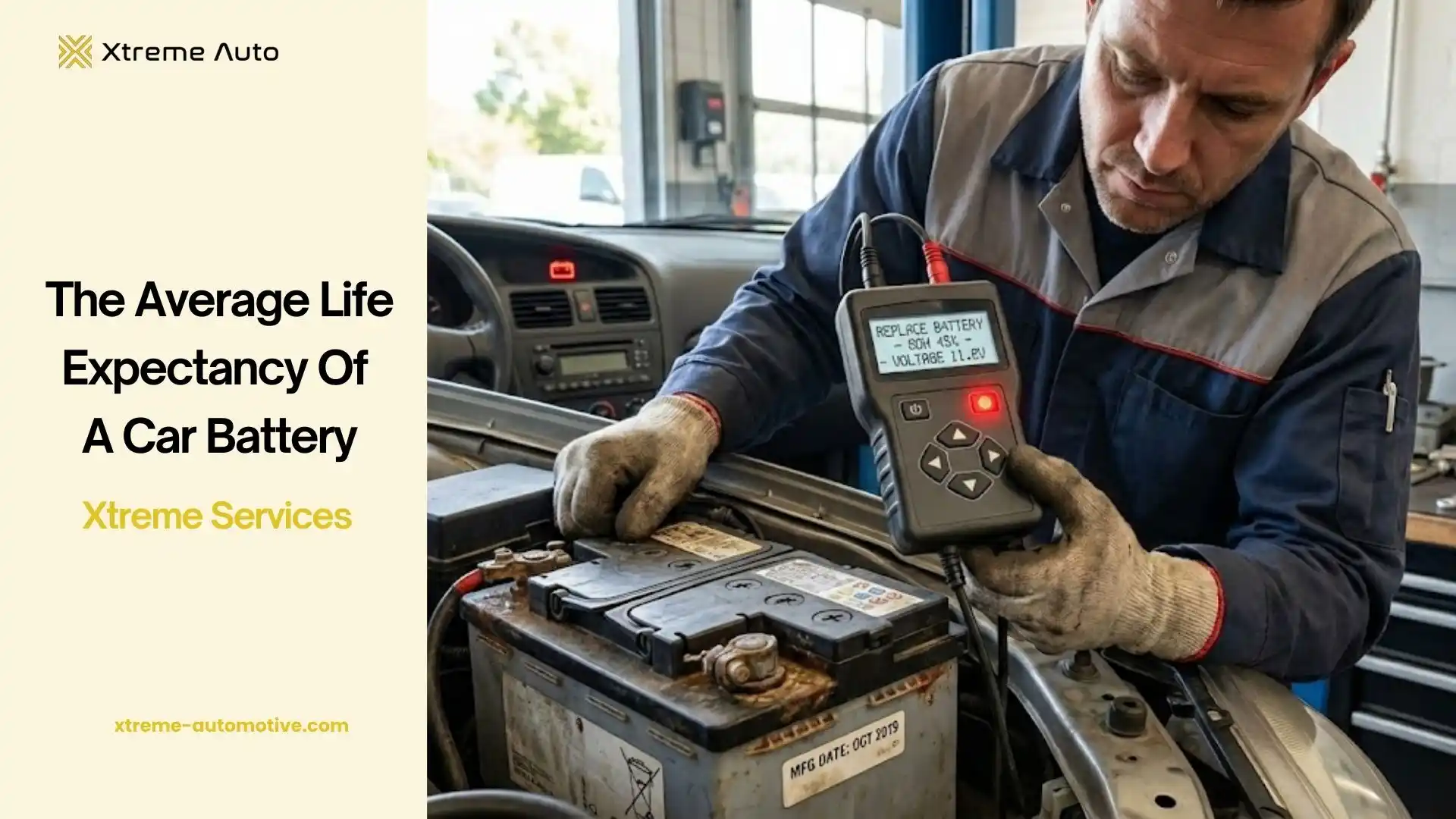
A good rule of thumb is to have your battery tested every six months after it turns three years old. Most auto parts stores offer free battery testing, and it only takes a few minutes. If the test shows that your battery is holding less than 50 percent of its original capacity, it's time for a replacement.
Myths About Car Battery Life
There are a lot of myths out there about car batteries. Let me clear up a few of the most common ones.
- Myth: A battery will last longer if you drive it every day. Truth: It's not just about frequency — it's about trip length. Short daily drives can actually shorten battery life.
- Myth: You don't need to maintain a maintenance-free battery. Truth: Even "maintenance-free" batteries benefit from occasional cleaning and inspection.
- Myth: Cold weather kills batteries. Truth: Heat is usually the main culprit. Cold just exposes a battery that's already weak.
- Myth: Disconnecting the battery will extend its life when storing a car. Truth: It can help, but the battery will still slowly lose charge over time and may need a trickle charger.
How to Choose the Right Replacement Battery
When the time comes to replace your battery, here are a few things to keep in mind.
- Check your owner's manual for the recommended group size, cold cranking amps (CCA), and reserve capacity.
- Choose a battery from a reputable brand. Cheap batteries often have shorter lifespans.
- Look for a battery with a strong warranty. Most good batteries come with a 3 to 5-year warranty.
- Consider your climate. If you live in a hot area, look for a battery with higher heat tolerance.
A little research before buying can save you a lot of headaches down the road. I always recommend spending a bit more on a quality battery with a good warranty — it's worth the peace of mind.
Environmental Impact and Battery Recycling
Here's something many people overlook. Car batteries are one of the most recycled products in the world. About 99 percent of lead-acid batteries are recycled, and the materials are often used to make new batteries. That means your old battery doesn't have to end up in a landfill.
When you replace your battery, most auto parts stores will accept your old one for recycling. Some even offer a small credit toward your new battery for turning in the old one. It's a small step that makes a big difference for the environment.

Frequently Asked Questions About Car Battery Life
What shortens the life of a car battery the most?
Heat and frequent short trips are the two biggest factors. High temperatures cause the internal fluid to evaporate, while short trips prevent the battery from fully recharging.
Can a car battery last 10 years?
While rare, it is possible in ideal conditions — cool climate, regular long drives, and excellent maintenance. However, most batteries won't make it past 7 years.
How do I know if my car battery is still good?
Have it tested at an auto parts store or with a multimeter. A healthy battery should read around 12.6 volts when the engine is off.
Does idling the car charge the battery?
Idling does charge the battery, but very slowly. It's much less effective than driving at road speed.
Should I replace my battery before it dies?
Yes, especially if it's over three years old or showing signs of weakness. Preventive replacement avoids the inconvenience of a sudden failure.
Taking Care of Your Battery the Smart Way
A car battery might not be the most exciting part of your vehicle, but it's one of the most important. With just a little attention and care, you can easily get five or more years out of it — and avoid those dreaded dead-battery mornings. Pay attention to the warning signs, keep the terminals clean, and don't ignore routine testing. Your battery works hard for you every single day, so give it the care it deserves.
If you've got questions about your specific battery or want to share your own tips, drop a comment below. I'd love to hear what's worked for you. And if you found this guide helpful, consider subscribing for more practical car maintenance tips and tricks.