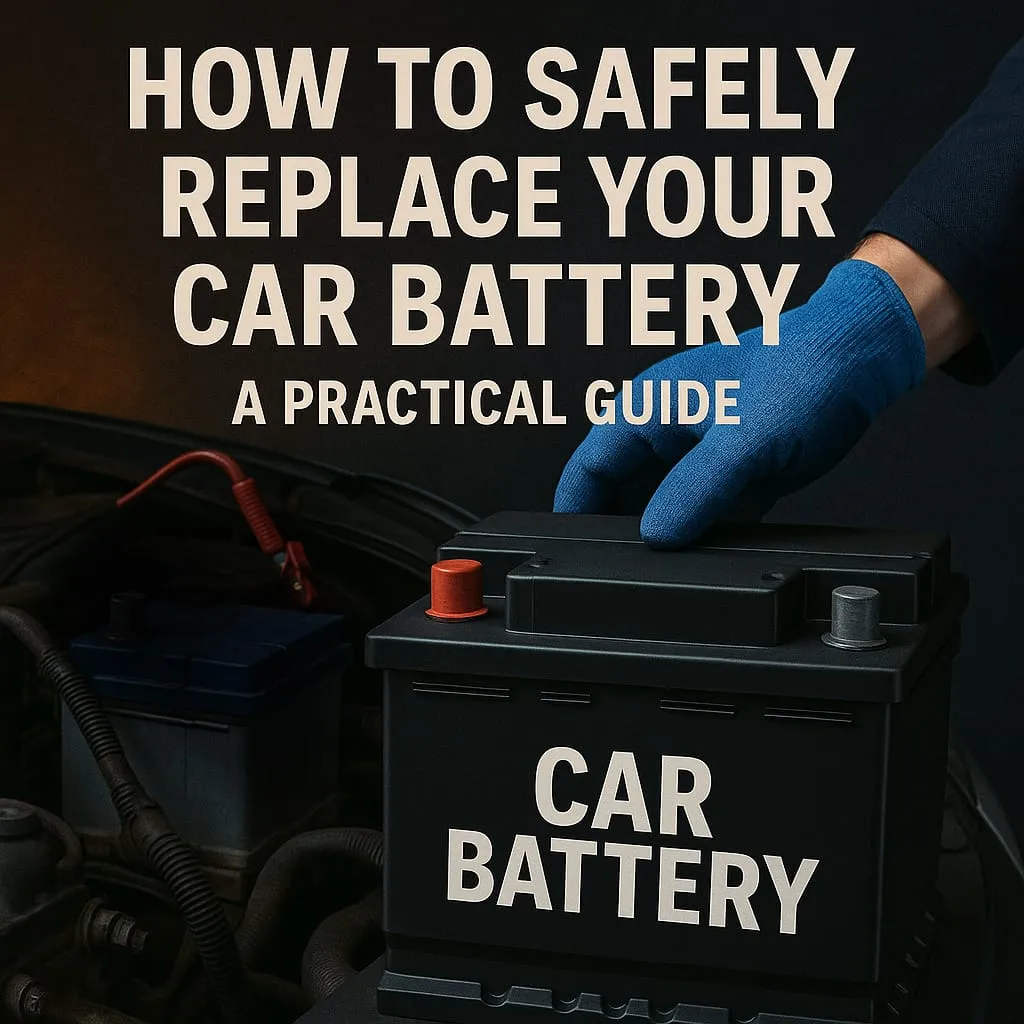
After installing a new car battery, start the engine, check the connections, and test the electrical system to make sure everything is working properly.
Replacing a car battery feels like a small win, but the real work begins right after you finish the installation. Many drivers assume that once the new battery is in place, the job is done. In reality, a few important steps can help you avoid future breakdowns, extend the life of your battery, and keep your car's electrical system running smoothly. I've installed dozens of batteries over the years, and I've learned that the post-installation routine is just as important as the swap itself. Let me walk you through exactly what to do after installing a new car battery so you can drive with confidence.
Why Post-Installation Steps Matter
A new car battery is a fresh start for your vehicle's electrical system, but it also interacts with sensitive components like the alternator, starter, and onboard computer. If you skip key checks after installation, you might run into issues like poor charging, loose terminals, or even damage to the car's electronics. Taking a few extra minutes to verify everything ensures your new battery performs as expected and lasts as long as possible.
When I worked as a weekend mechanic for friends and family, I noticed that most battery-related problems came from skipping simple post-installation checks. A loose terminal here, a forgotten radio code there, and suddenly the car wouldn't start the next morning. That's why I always recommend a structured post-installation routine.
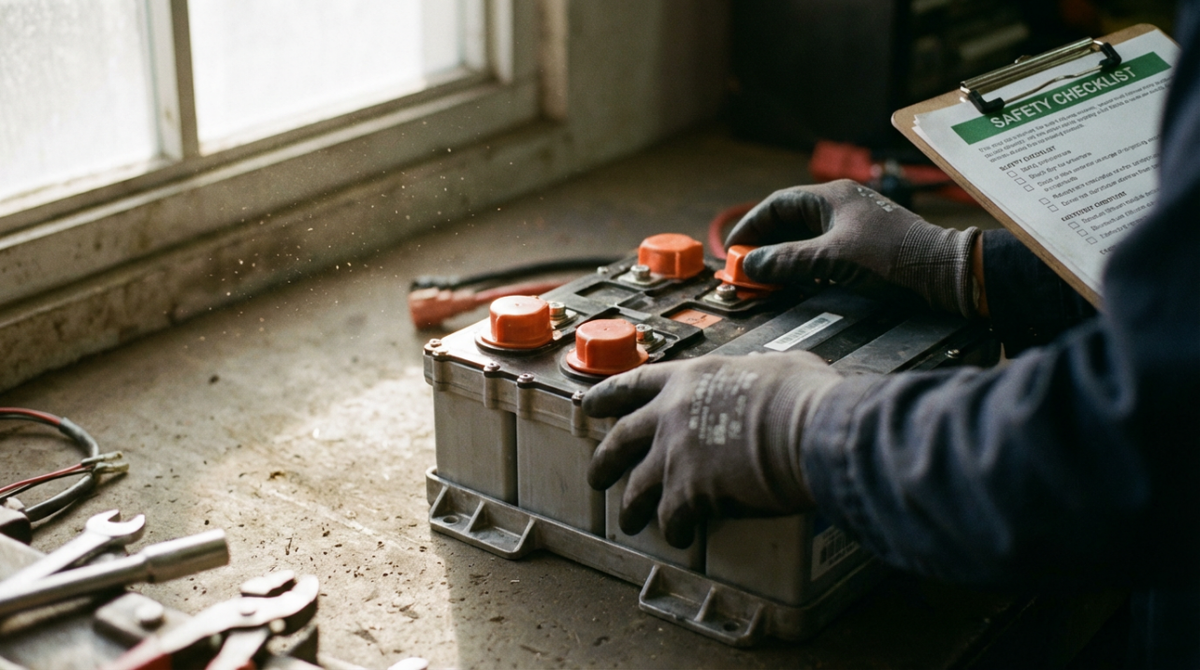
Secure the Battery Properly
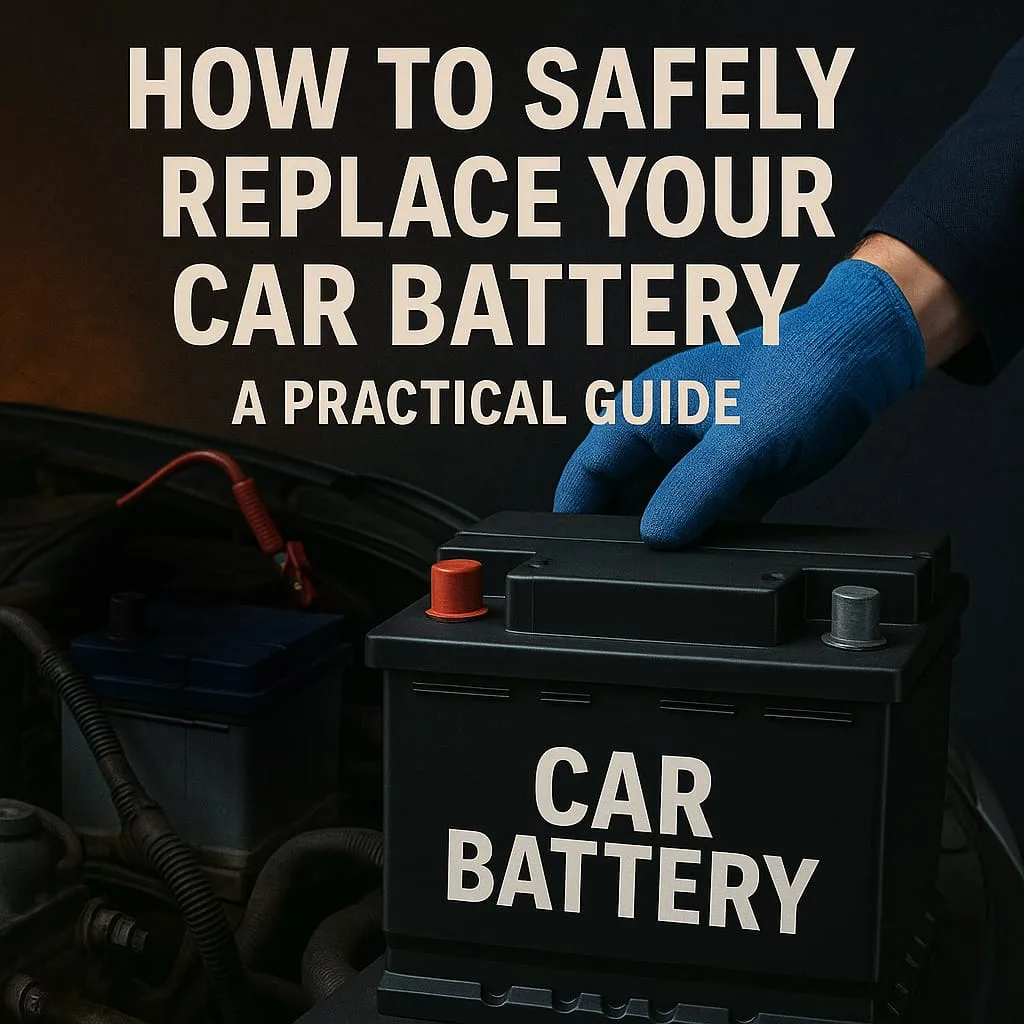
After installing a new car battery, the first thing you should do is make sure it's firmly mounted in the tray. A battery that shifts or vibrates while driving can suffer internal damage or cause electrical connections to loosen over time.
Check the hold-down bracket or clamp and tighten it securely. Make sure the battery sits flat and doesn't rock side to side. If your battery came with a protective heat shield or cover, reinstall it as well. This helps protect the battery from extreme engine bay temperatures and keeps it stable.
I once helped a friend install a new battery, and he forgot to tighten the hold-down clamp. A week later, he came back saying his car died at a stoplight. The battery had shifted just enough to loosen a terminal, and the engine cut out. It was an easy fix, but it taught both of us how important a snug fit really is.
Inspect and Clean the Terminal Connections
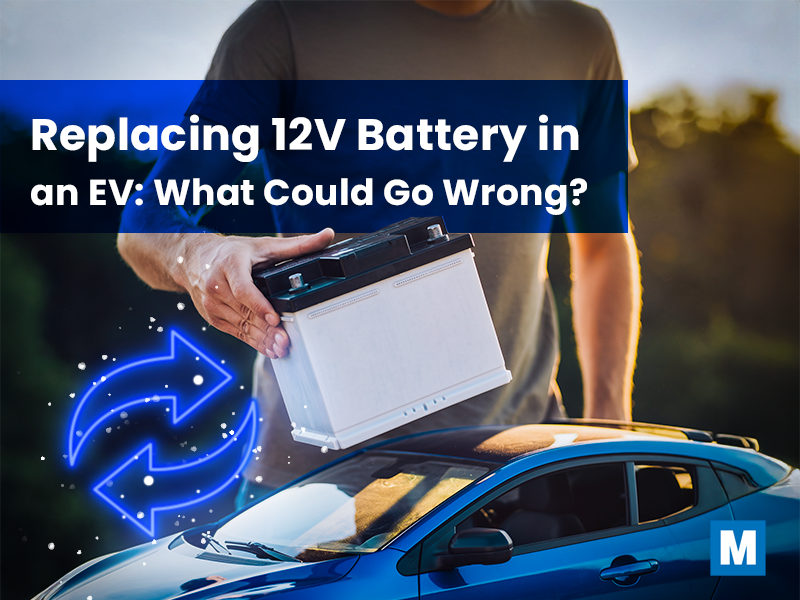
Clean and tight terminal connections are essential for proper current flow. Even with a brand-new battery, corroded or loose terminals can cause starting problems, dim lights, and erratic electrical behavior.
Here's a simple checklist for the terminals:
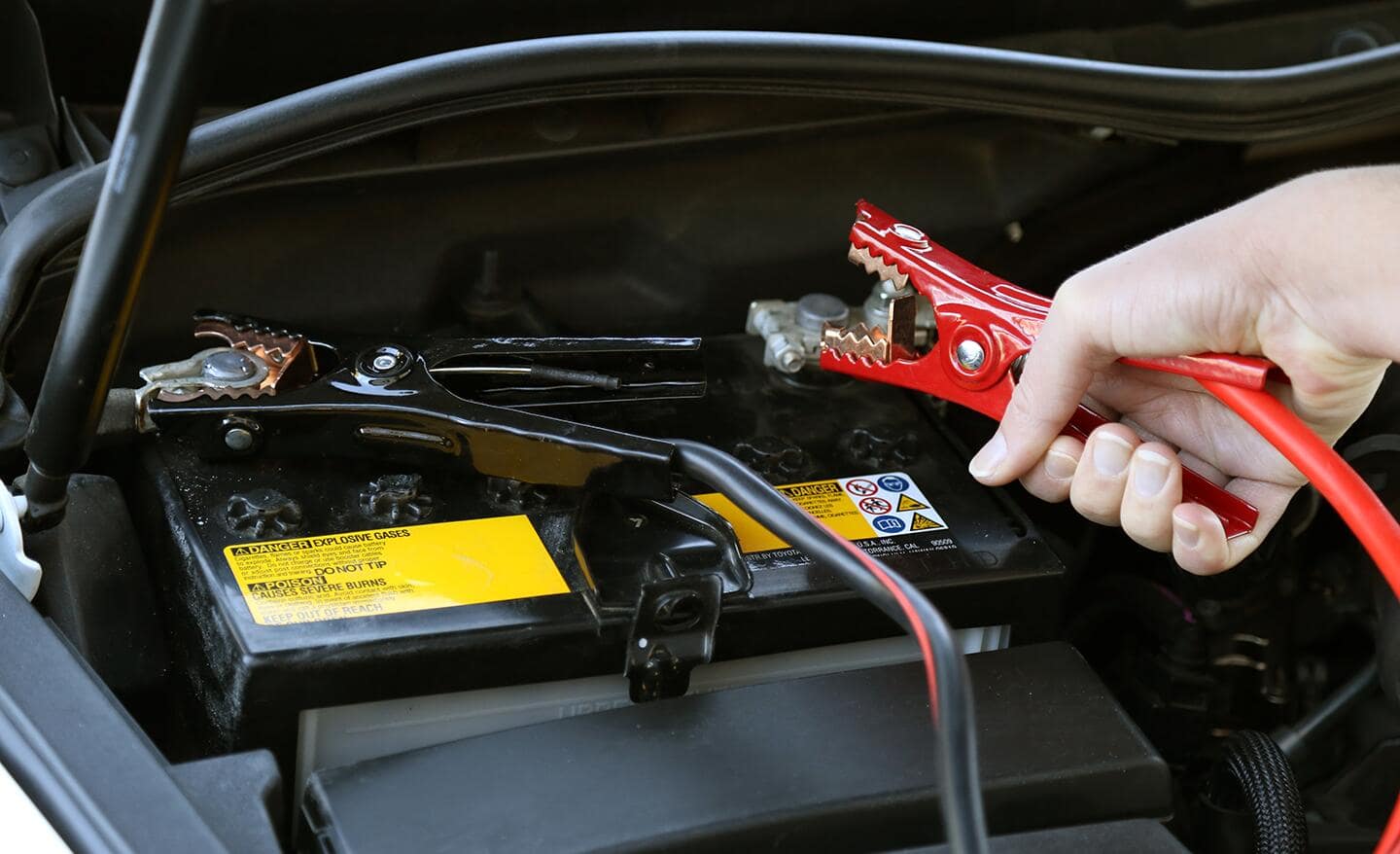
- Make sure the positive (+) terminal is connected to the positive cable.
- Make sure the negative (-) terminal is connected to the negative cable.
- Tighten the terminal bolts so they don't move when you wiggle the cables.
- Clean any corrosion using a wire brush or a baking soda and water solution.
- Apply a thin layer of dielectric grease or terminal protector to prevent future corrosion.
If you notice any green or white powdery substance around the terminals, that's corrosion. Cleaning it off before driving helps your new battery deliver full power from day one.
Test the Voltage and Charging System
Once the battery is secure and the terminals are clean, it's a good idea to check the charging system. A new battery can only perform well if the alternator is charging it properly. If the alternator is weak or failing, it can drain the new battery quickly and leave you stranded.
You can test this with a digital multimeter or a battery/charging system tester:
- With the car off, a healthy battery should read between 12.4 and 12.7 volts.
- With the engine running, the voltage should rise to between 13.7 and 14.7 volts.
- If the reading is below 13.5 volts while running, the alternator may not be charging the battery fully.
- If the reading is above 15 volts, the voltage regulator might be faulty.
When I replaced my own battery last spring, I checked the voltage right after installation. The alternator was pushing 14.3 volts, which told me the battery was charging correctly. It gave me peace of mind before I even turned the key.
Reset the Car's Electronics and Systems
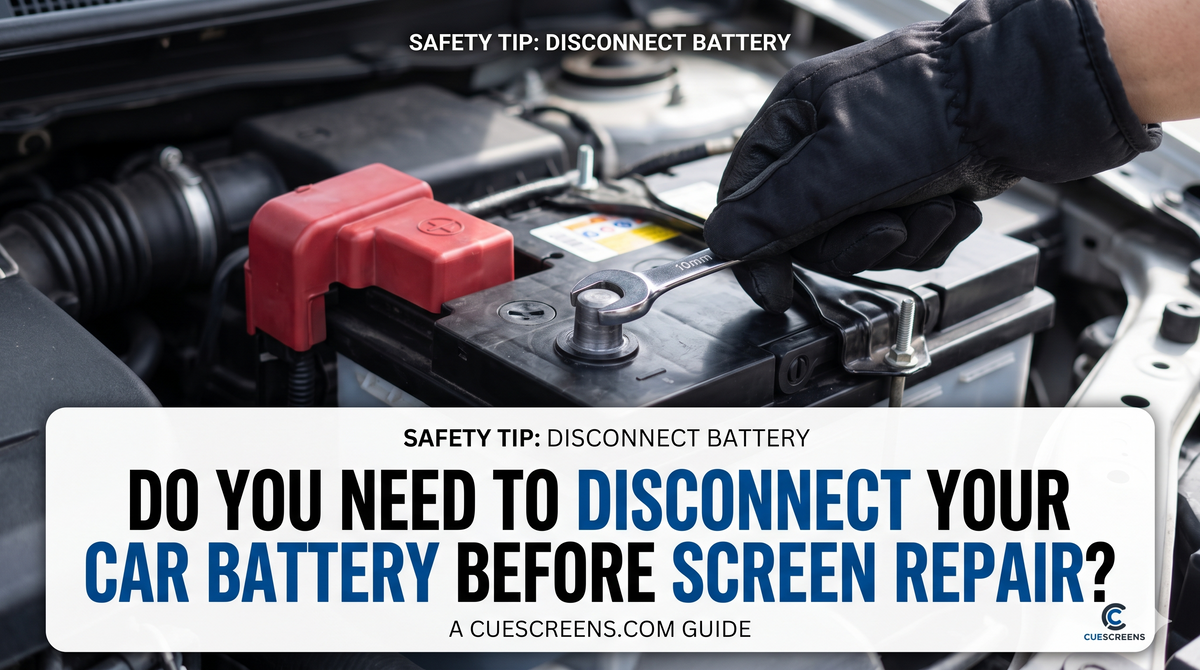
Modern vehicles rely on computers and electronic modules that sometimes reset when the battery is disconnected. After installing a new battery, you may need to reprogram a few settings or relearn certain systems.
Common items to reset or check include:
- Clock and date settings
- Radio presets and station memory
- Power window auto-up and auto-down functions
- Sunroof position memory
- Idle relearn procedure for the engine
- Throttle body relearn (on some vehicles)
- Alarm system or key fob reprogramming
Some cars require a specific drive cycle to relearn idle speed and transmission shift points. A short drive of 10 to 15 minutes at varying speeds can often help the engine control unit adapt to the new battery and alternator output.
I remember a customer who came back a day after a battery install saying his windows wouldn't roll up automatically. All it took was holding the window switch in the up position for a few seconds to reset the auto-up feature. Small things like this are easy to overlook.

Start the Engine and Listen Carefully
After everything is connected and reset, start the engine and pay close attention to how it behaves. A new battery should provide strong, immediate cranking power. If the engine turns over slowly or makes a clicking sound, something might be off.
Listen for:
- Smooth and steady engine cranking
- No unusual clicking or grinding noises
- Stable idle after the engine starts
- No warning lights on the dashboard
If you see a battery warning light or check engine light after starting, don't ignore it. It could indicate a charging system issue or a loose terminal. Turn off the engine and double-check all connections before driving.

Take a Short Test Drive
A short test drive around the block is a great way to confirm everything is working properly. During the drive, pay attention to how the car accelerates, idles, and operates its electrical features.
Test the following during your drive:
- Headlights and interior lights for brightness
- Air conditioning and heating fans
- Power windows and locks
- Radio and infotainment system
- Turn signals and hazard lights
- Dashboard gauges and warning indicators
If anything feels off, such as flickering lights or sluggish accessories, it could point to a loose connection or a charging problem that wasn't visible at idle.
I always take a 10-minute test drive after a battery swap. It helps the alternator cycle through different RPMs and gives the electrical system a chance to stabilize.
Dispose of the Old Battery Safely
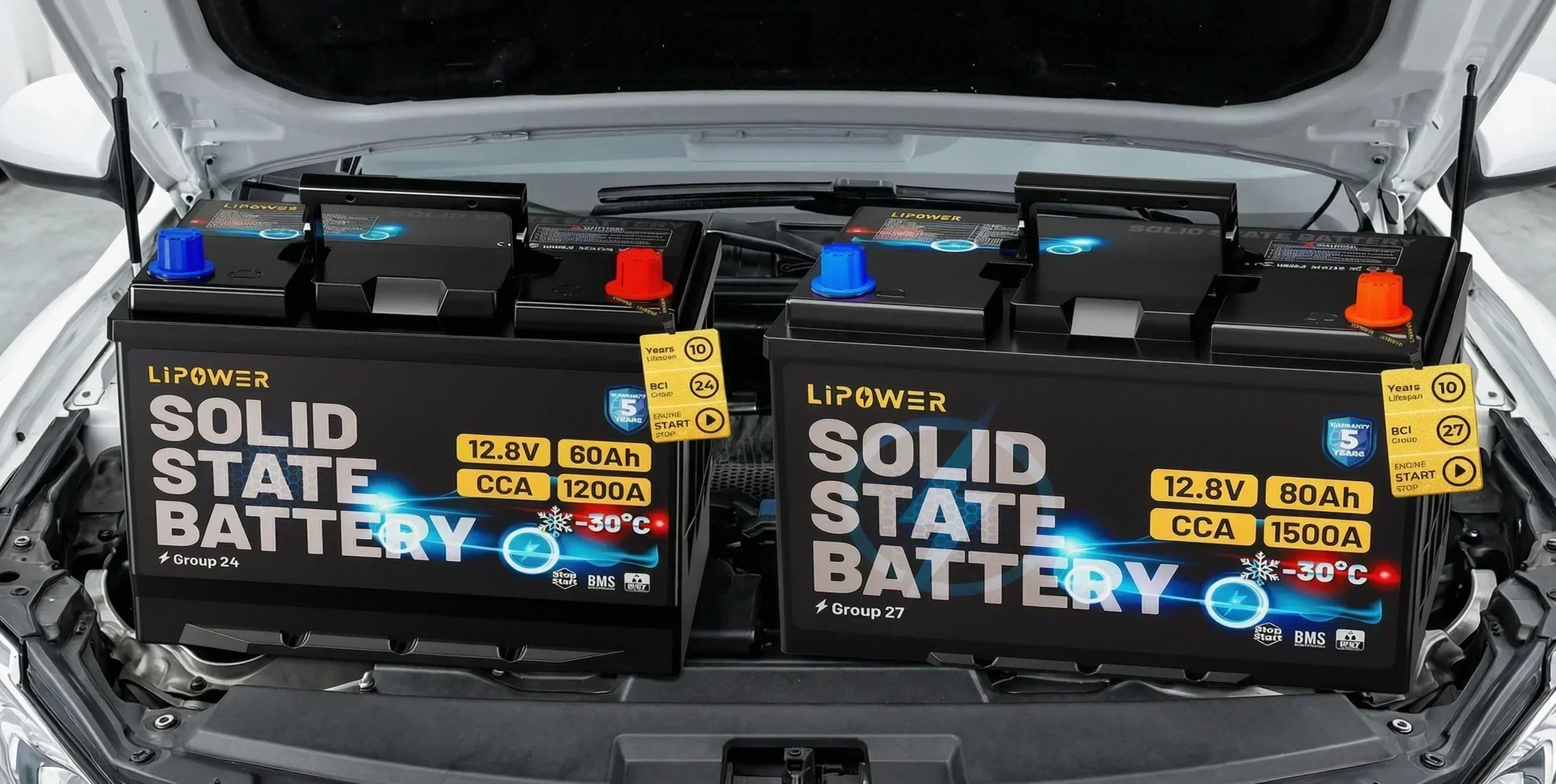
Once you're confident the new battery is working well, don't forget about the old one. Car batteries contain lead and sulfuric acid, both of which are hazardous to the environment. Most auto parts stores, service centers, and recycling facilities accept old batteries for free or even offer a small credit toward your new purchase.
When transporting the old battery:
- Keep it upright to avoid spilling acid
- Place it in a plastic tray or sturdy box
- Wear gloves if the battery case looks damaged or corroded
- Drop it off at a certified recycling location
I usually take mine to the same store where I bought the new one. It's quick, eco-friendly, and often comes with a small refund.
Common Mistakes to Avoid After Installation
Even experienced drivers sometimes make simple mistakes after installing a new car battery. Avoiding these errors can save you time, money, and frustration.
- Leaving the radio or lights on during installation, which can drain the new battery
- Mixing up the positive and negative cables, which can cause electrical damage
- Over-tightening terminal bolts, which can crack the battery posts
- Skipping the hold-down clamp, which can lead to vibration damage
- Ignoring warning lights after startup
- Forgetting to reset electronic systems and memory presets
A little attention to detail goes a long way in making sure your new battery delivers reliable performance from the very first start.
Frequently Asked Questions
How long should I let my car run after installing a new battery?
Letting your car run for 20 to 30 minutes helps the alternator top off the battery and allows the engine computer to recalibrate. You can also drive it for 10 to 15 minutes at varying speeds for the same effect.
Do I need to drive my car right after installing a new battery?
You don't have to drive immediately, but starting the engine and idling for a few minutes is a good idea. A short drive helps the charging system stabilize and confirms everything is working properly.
Why is my check engine light on after a battery change?
A check engine light after a battery change can happen because the engine control unit lost power and needs to relearn its settings. In most cases, it resets after a short drive. If the light stays on, use an OBD2 scanner or visit a mechanic for a diagnostic check.
Can I install a new car battery myself?
Yes, installing a car battery is a simple DIY task that takes about 15 to 30 minutes. Just make sure to disconnect the negative terminal first, connect it last, and follow all the steps outlined above to avoid common mistakes.
How do I know if my new battery is bad?
Signs of a bad new battery include slow cranking, dim lights, low voltage readings, and a battery that dies within a few days. Always test the voltage and charging system right after installation to confirm the battery is healthy.
Conclusion
A new car battery is only as good as the steps you take after installing it. From securing the battery and cleaning the terminals to testing the charging system and resetting the electronics, each step plays a role in ensuring reliable performance. Taking the time to follow a simple post-installation routine can extend the life of your battery, prevent unexpected breakdowns, and keep your car's electrical system running smoothly.
Think of it as giving your car a fresh start, not just under the hood, but across every system that depends on that battery. The few extra minutes you spend now can save you hours of frustration later. If you want to learn more about car maintenance, battery care, or DIY repair tips, explore our other guides and keep your ride in top shape.