
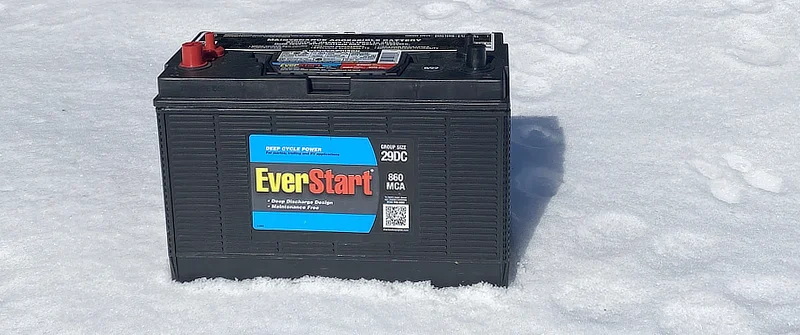
A fully charged car battery freezes around -76°F (-60°C), while a dead one can freeze at just 32°F (0°C). Knowing this could save you from being stranded on a freezing morning when your engine refuses to turn over. If you've ever worried about your car battery freezing in winter, you're in the right place. After years of working on vehicles in some seriously cold climates, I've seen firsthand how temperature can turn a reliable battery into a frozen brick overnight. Let's walk through everything you need to know about what temp does a car battery freeze, why it happens, and most importantly, how to prevent it from ruining your day.
The Science Behind Car Battery Freezing
Think of your car battery as a big container of electrolyte, which is a mix of sulfuric acid and water. The freezing point of this mixture depends almost entirely on how much battery acid is in the water. When a battery is fully charged, it has a higher concentration of sulfuric acid, which acts like antifreeze and dramatically lowers the freezing point. As a battery loses its charge, the acid concentration drops, and the liquid becomes mostly water, which freezes at 32°F (0°C).
The ratio of acid to water is what protects your battery. A healthy, fully charged battery has roughly 37% sulfuric acid, giving it that incredibly cold tolerance. But as the battery weakens or sits unused, the chemical balance shifts, and that protection disappears. It's honestly one of the most overlooked facts about car maintenance. People assume cold alone kills batteries, but it's really the combination of cold plus a weak charge that does the damage.
Exact Freezing Temperatures by Charge Level
Not all batteries freeze at the same temperature. The state of charge makes a massive difference, and this is something every driver should understand.
- 100% charged: Freezes at approximately -76°F (-60°C)
- 75% charged: Freezes around -35°F (-37°C)
- 50% charged: Freezes near -10°F (-23°C)
- 25% charged: Freezes around 15°F (-9°C)
- Fully discharged: Can freeze at 32°F (0°C)
I remember one January morning in Michigan when the temperature dropped to -10°F. My neighbor's truck wouldn't start, and he was convinced the cold just destroyed his battery. After testing it, we found it was only holding about 40% charge. The cold didn't kill it, the low charge did, and the freezing temperatures finished the job. We brought it inside, thawed it slowly, charged it fully, and it worked fine for another two years.
Why a Frozen Battery Is a Serious Problem
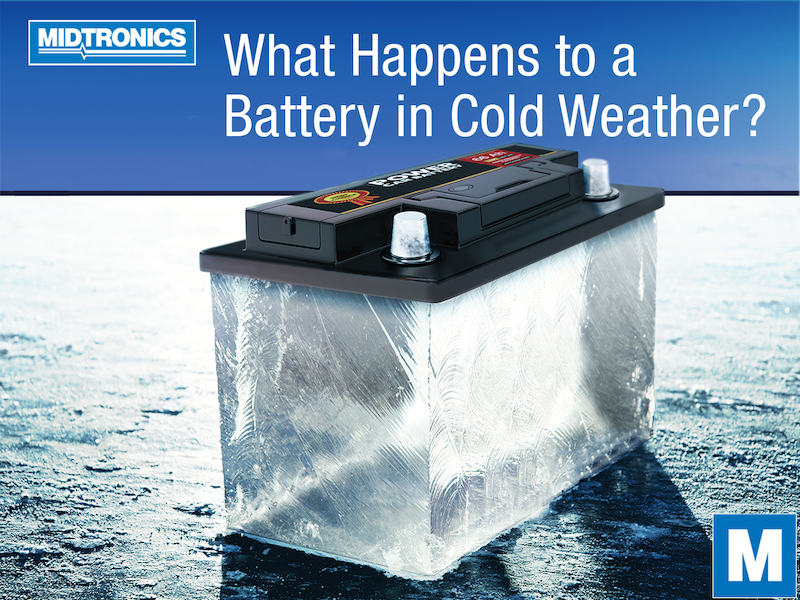
When the electrolyte inside your battery freezes, it expands, just like water in an ice cube tray. But here's the scary part: a car battery is a sealed container. This expansion can crack the battery case, damage the internal plates, and permanently destroy the battery. Even if the case doesn't visibly crack, the ice crystals can warp the lead plates inside, reducing the battery's ability to hold a charge. In severe cases, a frozen battery can actually explode if you try to jump-start it, because the gas buildup has nowhere to go.
Think of it like a soda can left in a freezer. The liquid expands, and if the container can't handle the pressure, it bursts. Your battery works the same way, except the mess involves sulfuric acid, which is far more hazardous than spilled soda. I've cleaned up cracked batteries in my shop, and trust me, it's not something you want happening under your hood.
Warning Signs Your Battery Is at Risk
Catching the problem before a freeze is way easier than dealing with the aftermath. Here are the signs I always tell people to watch for:
- Slow engine cranking: If your engine turns over slowly on cold mornings, your battery is already weak.
- Dim headlights: Notice your lights dimming at idle? That's a classic sign of a failing battery.
- Battery age over 3 years: Most batteries last 3 to 5 years. If yours is older, get it tested before winter.
- Swollen battery case: A bloated case means the battery has been frozen or overcharged.
- Check engine or battery light: Don't ignore that little dashboard light. It's there for a reason.
How to Prevent Your Battery from Freezing
Prevention is everything when it comes to cold weather and car batteries. Over the years, I've developed a routine that has saved me countless headaches, and I share it with every friend who lives in a cold climate.
- Keep your battery fully charged: A trickle charger or battery maintainer is a lifesaver if you don't drive daily.
- Park in a garage: Even an unheated garage stays 10 to 20 degrees warmer than outside.
- Test your battery before winter: Most auto parts stores will test it for free. Take advantage of it.
- Clean the terminals: Corrosion on the battery posts reduces charge and weakens the battery. A quick scrub with a wire brush helps.
- Limit short trips: Short drives don't give your alternator enough time to fully recharge the battery.
- Turn off accessories: Before shutting off your engine, make sure your lights, heater, and radio are off.
What to Do If Your Battery Does Freeze
Let's say the worst happens and you suspect your battery is frozen. First and foremost, do not try to jump-start it. Jump-starting a frozen battery can cause it to explode, sending acid and shrapnel everywhere. I learned this lesson early in my career when a coworker tried to jump a frozen battery in a customer's car. The top blew off, and acid sprayed across the engine bay. Nobody was hurt, but it could have been catastrophic.
Instead, follow these steps:
- Remove the battery and bring it into a warm space.
- Let it thaw naturally for several hours or overnight.
- Check the case for cracks or bulges. If you see damage, the battery is done.
- If it looks intact, charge it slowly with a low-amp charger.
- Test the voltage after charging. A healthy battery should read 12.6 volts or higher.
If the battery was only partially frozen and the case is intact, it might recover. But if it was fully frozen, the internal damage is usually permanent. In that case, replacement is your only safe option.
Common Myths About Car Batteries and Cold Weather
I've heard just about every battery myth out there, and some of them are actually dangerous. Let me clear up a few of the most common ones.
- Myth: Cold alone kills batteries. False. Cold reduces the battery's cranking power, but a fully charged battery can handle extreme cold.
- Myth: A frozen battery will recharge once it thaws. Not necessarily. Internal damage from ice crystals is often permanent.
- Myth: Jump-starting a frozen battery is fine if you do it quickly. Absolutely not. The risk of explosion is real and serious.
- Myth: Warming up your car charges the battery. Not really. Your alternator charges the battery, but idling for a few minutes isn't enough to recharge a weak battery.
The Role of Battery Type in Freezing Tolerance
Not all car batteries are created equal. The type of battery you have plays a big role in how it handles cold weather.
- Flooded lead-acid batteries: These are the most common and most vulnerable to freezing when discharged.
- AGM batteries: Absorbent Glass Mat batteries are more resistant to freezing and hold their charge longer.
- Gel batteries: Similar to AGM, these are sealed and handle cold slightly better than flooded batteries.
- Lithium-ion batteries: These can struggle in extreme cold and may need special cold-weather versions for very low temperatures.
If you live somewhere with brutal winters, investing in an AGM battery is worth every penny. They handle cold much better and tend to last longer overall. I switched my own truck to an AGM battery three years ago, and I've had zero issues, even during -20°F stretches.
Cold Weather Driving Tips to Protect Your Battery
Beyond just the battery, cold weather affects your whole vehicle. Here are some habits I've picked up that keep everything in better shape during winter.
- Start your car and let it run for a few minutes before driving, but don't idle for too long. Short idling doesn't charge the battery.
- Use a block heater if your car has one. It makes starting easier and reduces strain on the battery.
- Keep your gas tank at least half full. This prevents fuel line freeze-up and reduces battery drain from repeated failed starts.
- Avoid running electronics while parked. Sitting in your car listening to music with the engine off is a fast way to kill a weak battery.
- Drive longer distances when you can. This gives your alternator time to fully recharge the battery after starting.
How Long Does It Take for a Battery to Freeze?
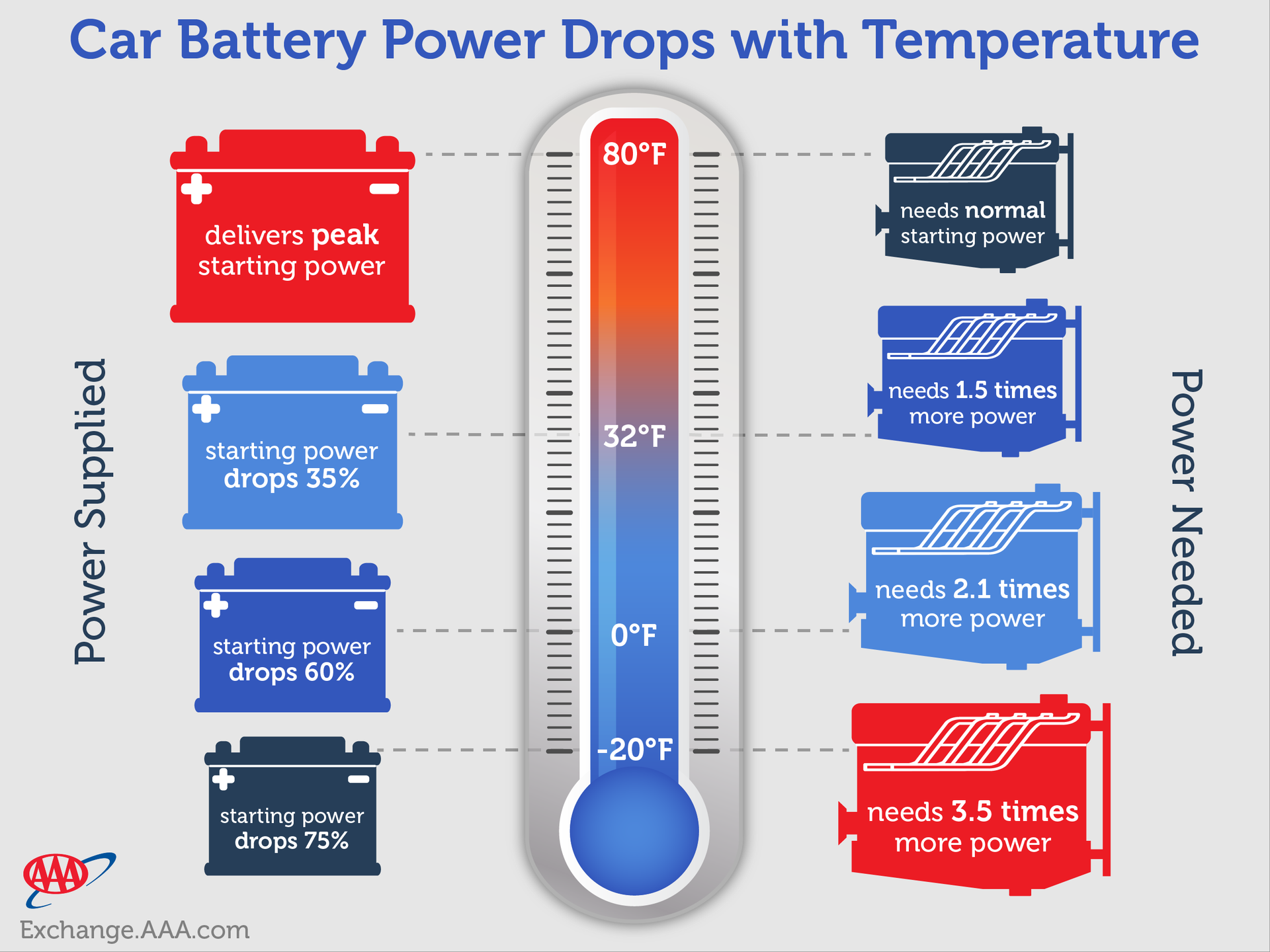
This is one of those questions that really depends on conditions. A fully discharged battery can start freezing within a few hours at 32°F. But a healthy, fully charged battery would need temperatures well below zero for extended periods to even approach freezing. Generally speaking, if your battery is at 50% charge or lower and the temperature drops below 20°F, you're in the danger zone.
I always tell people to think of it like a race. The lower the charge, the faster the freeze. Time matters too. A few cold nights might not freeze a weak battery, but a week of sub-zero temperatures without driving almost certainly will.
Frequently Asked Questions
Can a car battery freeze overnight?
Yes, if the battery is severely discharged and the temperature drops below freezing, it can freeze overnight. A fully charged battery is safe in most winter conditions, but a dead or weak battery is highly vulnerable.
At what temperature will a car battery die?
A car battery doesn't die from cold alone, but its cranking power drops significantly below 32°F. A weak battery may not have enough power to start the engine once temperatures drop below 20°F.
Is a frozen battery ruined?
Not always, but usually. If the case is cracked or bulged, the battery is permanently damaged. If it thaws without visible damage and holds a charge, it might still work, but its lifespan is often reduced.
Can you jump-start a frozen battery?
No. Jump-starting a frozen battery is extremely dangerous and can cause the battery to explode. Always thaw the battery first and inspect it for damage before attempting to charge or jump-start it.
How do I know if my battery is frozen?
Signs include a swollen or cracked case, no power at all when you turn the key, or a battery that feels solid when you gently rock it. If you suspect freezing, bring it inside to thaw and inspect it carefully.
Final Thoughts
Understanding what temp does a car battery freeze is really about understanding your car's health before winter arrives. A fully charged battery can handle brutal cold, while a weak one becomes a frozen liability at surprisingly mild temperatures. The good news is that with a little preparation and some basic maintenance, you can avoid the headache entirely. Test your battery, keep it charged, and don't ignore the warning signs. Your future self, standing in a warm car on a freezing morning, will thank you. Got questions or your own winter battery story? Drop a comment below, I'd love to hear how you handle the cold.

