Car battery acid is a diluted sulfuric acid solution that powers your vehicle by creating electrical energy through a chemical reaction inside the battery.
If you've ever popped the hood and seen that liquid sloshing around inside a car battery, you probably wondered what it actually is and whether it's something you should worry about. The truth is, car battery acid is one of those things most drivers take for granted until something goes wrong. Over the years, I've dealt with battery leaks, corrosion, and even a small spill in my garage, and I can tell you, understanding this stuff matters more than you'd think.
What Exactly Is Car Battery Acid?
Car battery acid is the electrolyte solution found inside most traditional lead-acid batteries. It's made of roughly 35% sulfuric acid and 65% distilled water. This mix is what allows the battery to store and deliver power to start your engine and run electrical components.
The acid itself is clear to slightly cloudy, has a sharp chemical smell, and feels slippery if it touches your skin. That slippery feeling is actually a warning sign, it's burning your skin on a microscopic level. Always wear gloves if you suspect a leak.
Most people don't realize that battery acid is not "acidic" in the way lemon juice or vinegar is. It's far more corrosive and dangerous. The pH level sits around 0.8 to 1.5, which puts it firmly in the "strong acid" category. Anything below a pH of 2 is considered highly aggressive, and battery acid fits that description perfectly.
How Car Battery Acid Functions Inside the Battery
The magic happens through a chemical reaction between the sulfuric acid and the lead plates inside the battery. When you turn the key, the acid reacts with the plates to release electrons, creating the electrical current your car needs.
Here's a simple breakdown of the process:
- Sulfuric acid breaks down into hydrogen and sulfate ions
- These ions react with the lead and lead dioxide plates
- The reaction produces lead sulfate and releases electrical energy
- When you recharge the battery, the process reverses and the acid strength returns to normal
This cycle repeats thousands of times over the life of the battery. It's a beautifully simple design that's been used in cars for over 100 years because it just works.
Types of Car Batteries and Their Acid Content
Not all car batteries use the same acid setup. Here are the most common types you'll run into:
- Flooded lead-acid batteries: These are the most common and have liquid acid sloshing inside. They're affordable but require occasional maintenance.
- AGM (Absorbent Glass Mat) batteries: The acid is absorbed into fiberglass mats, making them spill-proof and more vibration-resistant.
- Gel batteries: The acid is mixed with silica to create a gel, which makes them even safer but more expensive.
- Lithium-ion batteries: These don't use any acid at all and are becoming more common in hybrid and electric vehicles.
If you're driving a standard gas-powered car built before 2020, chances are you have a flooded lead-acid battery under the hood.
Is Car Battery Acid Dangerous?
Yes, car battery acid is genuinely dangerous if mishandled. Here's what you need to know:
- Skin contact can cause chemical burns within minutes
- Eye exposure can lead to permanent damage or blindness
- Inhaling the fumes in an enclosed space can irritate your lungs
- It can eat through clothing, paint, and concrete over repeated contact
The good news is that accidents are easy to avoid with basic precautions. I learned this the hard way when I got a few drops on an old pair of jeans and watched the fabric disintegrate over a couple of weeks. Lesson learned: wear long sleeves and gloves whenever you're working around a battery.
What to Do If Battery Acid Leaks or Spills
If you ever spot a leak, stay calm and follow these steps:
- Put on protective gloves and safety glasses
- Ventilate the area by opening the garage door or working outside
- Neutralize the acid with baking soda mixed with water
- Wipe it up with a damp cloth and dispose of it properly
- Clean the battery terminals with a wire brush once everything is dry
Never use water alone on a spill, it can spread the acid further. Baking soda is your best friend here because it reacts with the acid and neutralizes it safely.
Signs Your Battery Acid Might Be Low or Weak
Batteries don't last forever, and acid degradation is one of the main reasons they die. Watch for these warning signs:
- Slow engine cranking when you turn the key
- Dim headlights, especially at idle
- The battery case looks bloated or warped
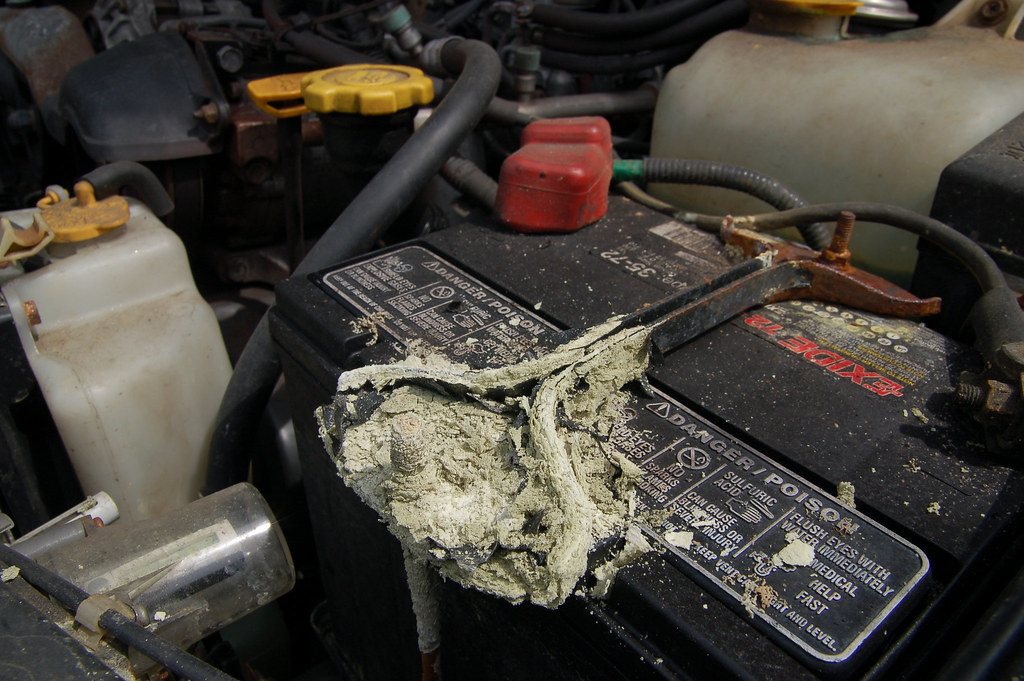
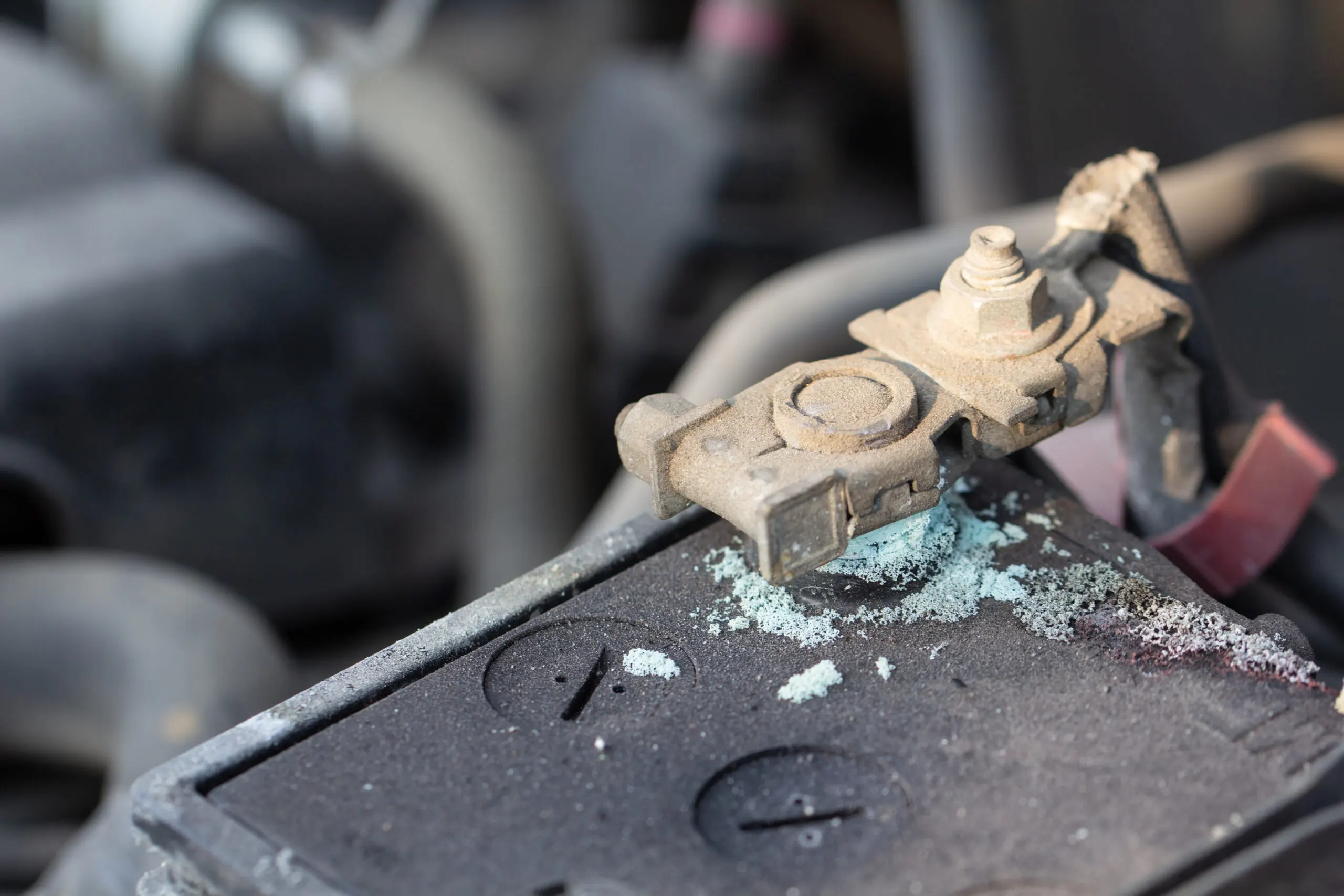
- Corrosion buildup around the terminals
- A sulfur or rotten egg smell coming from under the hood
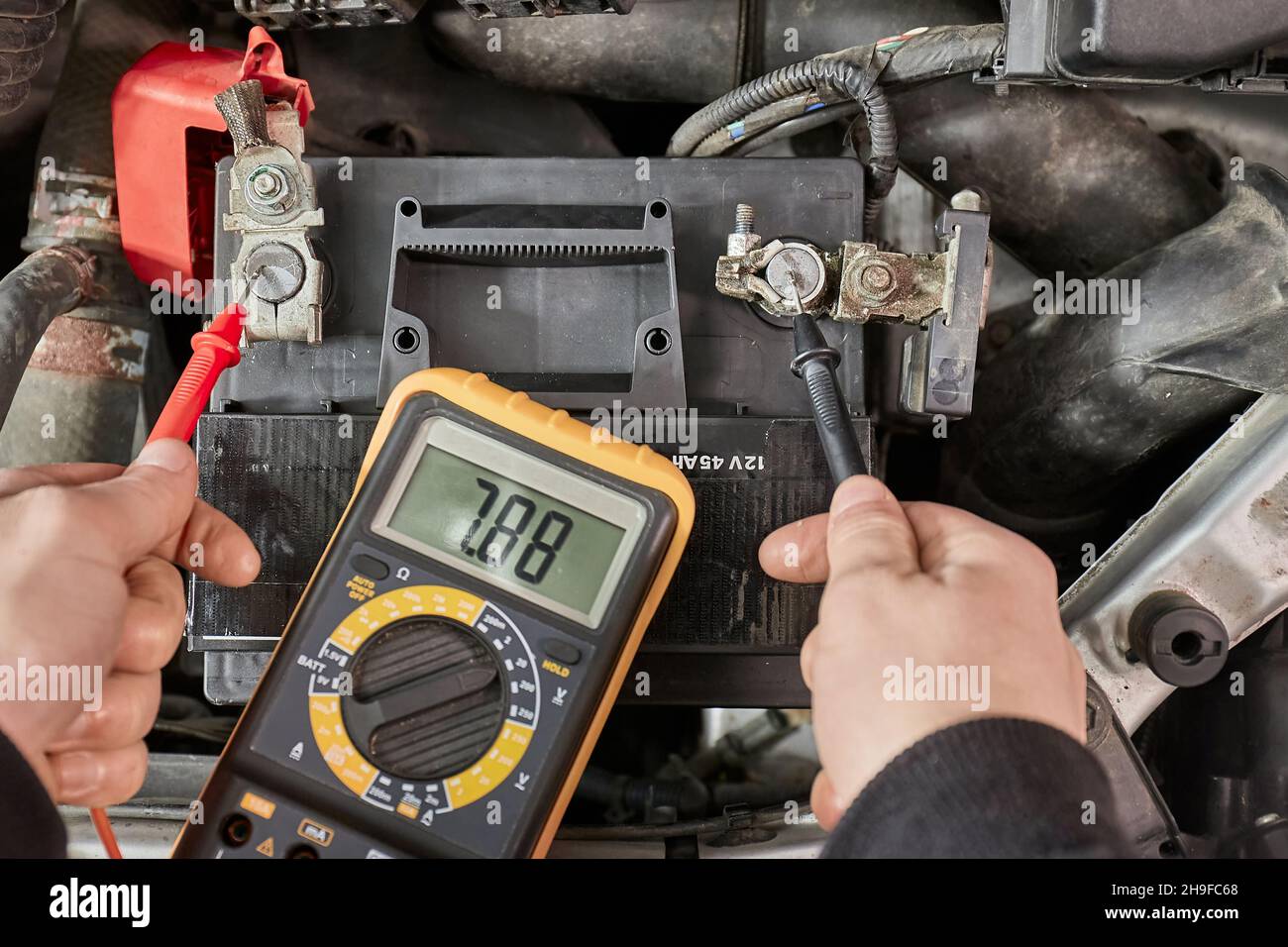
If you notice any of these, get your battery tested at an auto parts store. Most places will check it for free, and a healthy reading is between 12.4 and 12.7 volts when the car is off.
How to Maintain Car Battery Acid Levels
If you drive an older car with a flooded battery, you might need to top off the acid levels from time to time. Here's how to do it right:
- Remove the cell caps on top of the battery
- Check if the fluid covers the lead plates inside
- If it's low, add distilled water until the plates are just submerged
- Never use tap water because the minerals can damage the cells
- Put the caps back on securely
I made the mistake of using tap water once when I was younger, and the battery died within six months. Distilled water is the only safe option because it's pure and free of contaminants.
Can You Recharge Car Battery Acid?
The acid itself doesn't "recharge," but the chemical balance inside the battery does. When you hook up a charger, the sulfate returns to the acid and the plates revert to their original state.
However, if the acid has leaked out completely or the battery is more than five years old, no amount of charging will bring it back. At that point, replacement is your only real option.
Environmental Impact of Car Battery Acid
Battery acid is toxic to the environment, which is why you should never dump an old battery in the trash. The lead and acid inside can contaminate soil and water if they end up in a landfill.
The good news is that almost every auto parts store accepts old ones for recycling. Most states also require core deposits when you buy a new battery, which you get back when you return the old one. This system works because recycling lead-acid batteries recovers nearly 99% of the materials, which is one of the highest recycling rates of any consumer product.
Car Battery Acid vs. Other Automotive Fluids
It's worth knowing how battery acid compares to the other liquids in your car:
- Coolant: Usually green or pink, it's slightly sweet and very slippery
- Brake fluid: Clear to amber, it feels oily and absorbs moisture over time
- Motor oil: Amber to dark brown, it's thick and doesn't evaporate quickly
- Power steering fluid: Reddish or clear, it's thin and slightly oily
If you ever see fluid pooling under your car, take a moment to identify it before touching anything. Battery acid leaks tend to leave a white or blue-green powdery residue around the terminals, which is one of the easiest ways to tell what's happening.
Safety Equipment You Need When Handling Battery Acid
Even if you're just checking the fluid level, you should always have these items on hand:
- Nitrile or rubber gloves
- Safety glasses or goggles
- Baking soda for spills
- Distilled water for rinsing
- Old clothes you don't mind ruining
I keep a small kit in my garage with all of these things. It takes up less space than a shoebox and has saved me from a trip to the emergency room more than once.
Common Myths About Car Battery Acid
There are a few things people get wrong about this topic, so let's clear them up:
- Myth: Battery acid is always green or yellow
Reality: It's usually clear or slightly cloudy, the color comes from corrosion, not the acid itself - Myth: You should use battery acid as a cleaning agent
Reality: This is extremely dangerous and can damage surfaces plus hurt you - Myth: All batteries contain acid
Reality: Lithium-ion batteries don't have any acid at all - Myth: A dead battery means the acid is gone
Reality: The acid is still there, but the chemical balance is off
Knowing the facts can save you from making a costly mistake, especially if you like working on your own car.
How Long Does Car Battery Acid Last?
The acid itself lasts as long as the battery does, which is typically three to five years for standard flooded batteries. AGM batteries can go a bit longer, sometimes six or seven years with proper care.
Heat is the biggest enemy of battery life. If you live in a hot climate like Arizona or Texas, expect your battery to die sooner. Cold weather doesn't shorten the lifespan as much, but it makes weak batteries much more obvious because they struggle to deliver enough cranking amps.
Frequently Asked Questions
Is car battery acid the same as sulfuric acid?
Not exactly. Car battery acid is a diluted version of sulfuric acid, usually around 35% acid mixed with 65% distilled water. Pure sulfuric acid is far more concentrated and dangerous.
Can car battery acid kill you?
Yes, it can be fatal if ingested or if it causes severe burns over a large area of your body. However, small skin exposures are usually treatable if you rinse immediately with water and seek medical help.
What does battery acid look like?
In its pure liquid form, it's clear to slightly yellow. Once it reacts with air or moisture, it forms a white, blue, or greenish powdery residue on terminals and surfaces.
Can you drive with a leaking battery?
It's not safe. Acid can drip onto engine components, cause electrical shorts, and create toxic fumes. You should deal with the leak before driving the car anywhere.
How do you dispose of battery acid?
Take the entire battery to a recycling center or auto parts store. Don't try to drain the acid yourself because it's both dangerous and illegal in many places.
What neutralizes car battery acid?
Baking soda (sodium bicarbonate) is the most common household neutralizer. Mix it with water to form a paste, apply it to the spill, and let it bubble until the reaction stops.
Why does my battery smell like rotten eggs?
That's hydrogen sulfide gas, which means your battery is overcharging or has a serious internal issue. Stop using it and have it tested right away.
Conclusion
Car battery acid might sound intimidating, but it's really just a tool that makes modern driving possible. Understanding what it is, how it works, and how to handle it safely can save you money, time, and a trip to the doctor. Whether you're topping off your battery, cleaning a spill, or just curious under the hood, a little knowledge goes a long way.
If you found this guide helpful, share it with a friend who likes working on their own vehicles. And if you have a story about a battery mishap, drop it in the comments below. I've heard some wild ones over the years, and yours might just top the list.