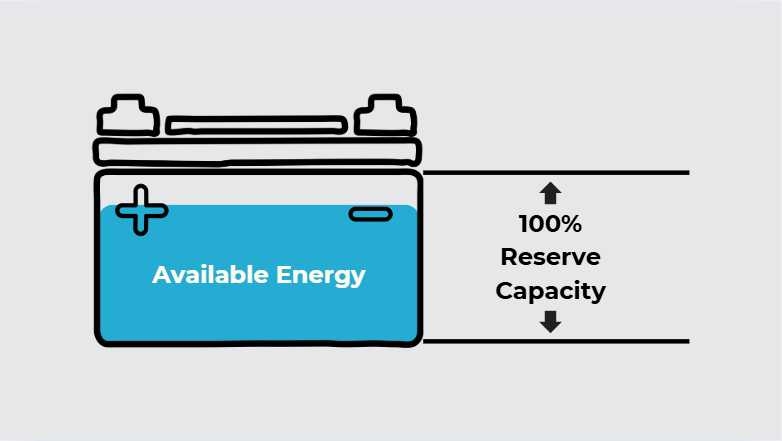
Reserve capacity on a car battery is the number of minutes a fully charged battery can run essential accessories if the alternator fails. It tells you how long you can keep driving with a dead charging system before the engine quits.
If you've ever stood in the auto parts aisle staring at a battery label full of numbers and letters, you're not alone. Cranking amps, cold cranking amps, group size, and reserve capacity can make your head spin. But reserve capacity, often printed as "RC," is one of the most practical numbers on the label. It quietly tells you how much backup power your battery carries, and that matters more than most drivers realize. In the next few minutes, I'll walk you through exactly what reserve capacity means, why it exists, how it's measured, and how it affects your real-world driving experience. I've spent years testing batteries in everything from daily commuters to old trucks that love to throw surprises, and trust me, this little number can save you a headache.

What Exactly Is Reserve Capacity on a Car Battery
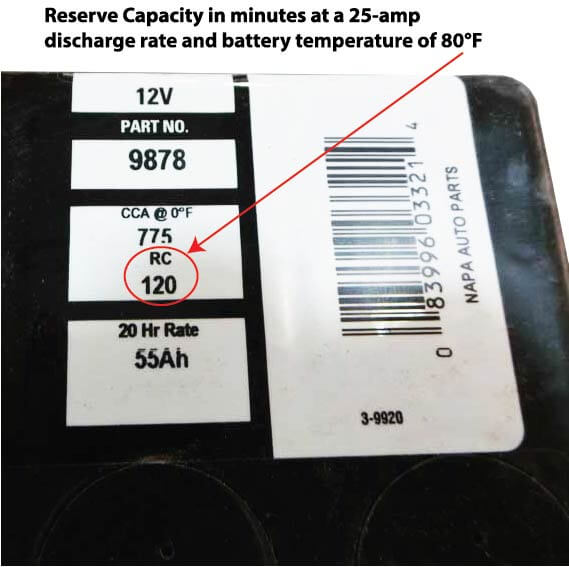
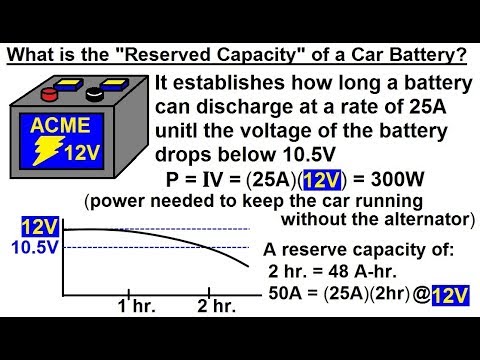
Reserve capacity is a rating that tells you how long a battery can deliver a steady current of 25 amps at 80°F (around 27°C) before its voltage drops below 10.5 volts. The time, measured in minutes, is the RC number. Think of it as the battery's emergency fuel tank, but for electrical power instead of gasoline.
The higher the RC, the longer your car can run on the battery alone. So if you see a battery rated at 120 RC, that means it can power a 25-amp load for 120 minutes before dropping to a useless voltage. Standard passenger car batteries usually fall between 90 and 150 minutes, while heavy-duty or deep-cycle batteries can push 180 minutes or more.
The Origin of the Reserve Capacity Rating
The RC standard was developed by the Battery Council International, a trade group that sets specifications for lead-acid batteries. Automakers needed a way to compare batteries beyond just cranking amps, because cranking amps only tell you how much power a battery can deliver in short bursts for starting. Reserve capacity fills in the rest of the story by measuring sustained output.
How Reserve Capacity Differs from Other Battery Ratings
Many drivers confuse reserve capacity with cold cranking amps (CCA) or amp hours (Ah). They are not the same.
- Cold Cranking Amps (CCA): Measures starting power in cold weather, specifically how many amps a battery can deliver for 30 seconds at 0°F without dropping below 7.2 volts.
- Amp Hours (Ah): Measures total energy storage over 20 hours, usually used for deep-cycle batteries.
- Reserve Capacity (RC): Measures how long a battery can sustain a moderate load, making it more useful for real-world driving scenarios.
Think of CCA as a sprinter, Ah as a long-distance runner, and RC as a middle-distance athlete with steady endurance.

Why Reserve Capacity Matters for Everyday Drivers
You might think, "I have a working alternator, so why do I care?" The truth is, alternators fail, belts break, and electrical gremlins happen. Reserve capacity is your safety net when things go wrong.
Keeps Essential Systems Running
When your alternator dies, your car switches to battery power. With a strong RC, you can still run headlights, windshield wipers, power steering, ignition, and even your radio long enough to reach a shop or pull off the road safely. Without enough reserve capacity, your engine might stall within minutes, leaving you stranded in the middle of traffic.
Helps in Extreme Weather
Cold mornings and hot summer afternoons both push batteries to their limits. A higher RC gives you more margin when temperatures are rough. I've driven through harsh winters in a 15-year-old truck, and the battery with a higher RC always outlasted the cheaper one with a similar CCA rating.
Supports Modern Car Electronics
Modern vehicles are loaded with electronics. Infotainment systems, sensors, cameras, and driver-assist features all draw power even when the engine is off. A high RC keeps everything humming along, especially if you sit in accessory mode waiting for someone or running a camp setup out of your SUV.

How Reserve Capacity Is Tested and Measured
The testing process is fairly straightforward, but it's strictly controlled to keep results consistent.
The Standard Test Conditions
A fully charged battery is brought to 80°F (26.7°C). Then it discharges at a constant 25 amps until voltage drops to 10.5 volts. The number of minutes it lasts is the official RC rating. If a battery holds 10.5 volts or higher for 120 minutes, it gets rated at 120 RC.
Why 25 Amps Is the Magic Number
Twenty-five amps is roughly the amount of power needed to run a basic car's essential electrical systems in an emergency. It's a realistic load that reflects what you'd actually need if your alternator quit.
Real-World vs. Lab Numbers
In real life, your car's actual load might be higher or lower. If you're running headlights, heater fans, and a phone charger, you could pull 30 to 40 amps. That means your real-world runtime could be shorter than the RC rating suggests. On the other hand, if your car has minimal accessories, you might get a few extra minutes.
Common Misconceptions About Reserve Capacity
Even experienced car owners sometimes misunderstand what RC means and how it applies to their vehicle.
Higher RC Always Means a Better Battery
Not necessarily. A high RC battery might be great for deep-cycle or accessory-heavy use, but it could have lower CCA. The best battery for your car is one that matches the manufacturer's recommendations for both CCA and RC.
Reserve Capacity Is the Same as Battery Life
RC is not a measure of how long the battery will last in years. It's a measure of how much sustained power it can deliver in one discharge cycle. Battery lifespan depends on many factors like climate, driving habits, and maintenance.
A New Battery Will Always Have Its Advertised RC
Brand-new batteries usually meet or slightly exceed their RC rating, but as a battery ages, its RC drops. A battery that once delivered 120 minutes might only give you 60 after several years of use.
How to Choose the Right Reserve Capacity for Your Vehicle
Picking a battery isn't about grabbing the highest RC number on the shelf. It's about balance.
Check Your Owner's Manual First
Your vehicle manufacturer lists a recommended RC range. Start there. Going higher is usually fine, but going lower could leave you underpowered in an emergency.
Consider Your Driving Habits
If you do a lot of short trips, your alternator doesn't have much time to recharge the battery. A higher RC gives you extra cushion. If you mostly drive long distances, a moderate RC is usually enough because the alternator keeps the battery topped off.
Factor in Accessories
Aftermarket stereos, light bars, winches, and camping setups all draw power. If you've added accessories, bump up your RC to handle the extra load.
Climate Considerations
Hot climates tend to shorten battery life overall, but reserve capacity can help in emergencies. Cold climates put extra strain on batteries, so a higher RC and CCA combination is a smart move.
Personal Lessons from Years of Battery Testing
Over the years, I've tested dozens of batteries in different cars, trucks, and SUVs. One thing stands out: the batteries that lasted the longest weren't always the ones with the highest CCA. They were the ones with a balanced RC and CCA that matched the vehicle.
I once had an old pickup that kept leaving me stranded. The battery had a great CCA rating, but its RC was low. The first time my alternator failed on a back road, I had about 20 minutes before the engine died. After switching to a battery with nearly double the RC, I drove 45 minutes to the nearest shop with the lights on, the fan blowing, and the radio still playing. That extra time made all the difference.
Another lesson: never trust a battery based on price alone. A mid-priced battery with solid RC and CCA often outperforms a premium battery that cuts corners on reserve capacity.
Tips to Maintain Healthy Reserve Capacity
Even the best battery loses RC over time, but you can slow that process down with a few simple habits.
- Keep the terminals clean. Corroded terminals reduce efficiency and make the battery work harder.
- Drive regularly. Long enough trips let the alternator fully recharge the battery.
- Avoid deep discharges. Leaving lights on or running accessories with the engine off drains RC faster than normal use.
- Test your battery annually. Most auto parts stores will load-test your battery for free. Watch for a drop in RC over time.
- Secure the battery. A loose battery vibrates, which damages internal plates and reduces RC.
How Reserve Capacity Affects Different Types of Vehicles
Different vehicles put different demands on their batteries, so RC requirements vary.
Compact Cars
Small commuter cars usually have modest electrical demands. A stock RC of 90 to 110 minutes is usually plenty. If you have an older model with a weak alternator, leaning toward the higher end of that range is smart.
SUVs and Crossovers
These vehicles often have more electronics, including power liftgates, multiple screens, and advanced safety features. RC ratings between 110 and 130 minutes offer a comfortable margin.
Trucks and Heavy-Duty Vehicles
Work trucks, especially diesel models, need higher RC because of larger engines and added accessories like plows or winches. Look for RC ratings of 130 minutes or more.
Electric and Hybrid Vehicles
Traditional RC ratings don't apply to EVs in the same way, but hybrids still use 12-volt batteries for accessories. Manufacturers often spec higher RC for hybrids to support all the onboard systems.
When to Replace a Battery Based on Reserve Capacity
Most car batteries last between three and five years, but you don't have to wait for a complete failure to replace one.
Signs Your RC Is Dropping
- Slow cranking in the morning, especially in mild weather
- Dimming headlights when idling
- Electrical accessories acting flaky
- The battery is more than four years old
Load Testing
A proper load test measures voltage under stress. If the battery drops below 9.6 volts during a 15-second load test at half its CCA rating, it's time to replace it. This is also a good indicator that RC has dropped significantly.
Frequently Asked Questions
What is a good reserve capacity for a car battery?
A good reserve capacity for most passenger cars falls between 90 and 150 minutes. Compact cars usually do well with 90 to 110, while SUVs and trucks benefit from 120 to 150 minutes or more.
Does a higher reserve capacity mean a longer-lasting battery?
Not directly. Reserve capacity measures how much power a battery can deliver in one discharge, not how many years it will last. However, a higher RC can indicate a more robust internal design, which may contribute to longer overall life.
Can I use a battery with a higher reserve capacity than recommended?
Yes, in most cases a higher RC is fine and often beneficial. It gives you extra runtime if your alternator fails. Just make sure the battery fits your vehicle's tray and meets the minimum CCA requirement.
How does reserve capacity compare to amp hours?
Amp hours measure total energy storage over 20 hours, while reserve capacity measures runtime at a 25-amp draw. They are related but not identical. A battery with 60 Ah might have an RC of around 100 minutes, depending on construction.
Will a weak alternator drain reserve capacity?
Yes, if the alternator isn't charging properly, the battery has to make up the difference. Over time, this drains RC and shortens battery life. If your battery keeps going dead, have the alternator tested before replacing the battery.
Final Thoughts on Reserve Capacity
Reserve capacity is one of those numbers that quietly does a lot of heavy lifting in the background of your driving experience. It doesn't get the spotlight like horsepower or torque, but it can be the difference between making it home safely and being stranded on the side of the road. Understanding your battery's RC helps you pick the right replacement, plan for emergencies, and keep your car's electrical system healthy for years to come.
If you're shopping for a new battery, don't just chase the highest CCA or the cheapest price. Look for a balanced battery that meets your vehicle's specs and offers enough reserve capacity for your driving style and accessories. And if your current battery is more than four years old, consider having it tested before it leaves you guessing on a cold morning. Take a few minutes to check your owner's manual, match the numbers, and invest in a battery that gives you both strong starts and dependable backup power. Your future self will thank you the next time something goes wrong under the hood.