If your electric car runs out of battery, safely pull over, turn on your hazard lights, and call roadside assistance or a mobile charging service for help.
Picture this: you're cruising down a quiet road, enjoying the smooth, silent ride of your electric car, when suddenly the dashboard lights up with a low-battery warning. Your heart skips a beat. You start scanning for the nearest charging station, but the range drops faster than you thought. Sound familiar? Trust me, it happens to more drivers than you'd expect. I've been there myself, watching the miles tick down while the nearest charger feels miles away. The good news is, running out of battery in an electric car isn't the end of the world. With a little preparation and the right know-how, you can handle the situation calmly and get back on the road without too much hassle.

Understanding What Happens When an EV Runs Out of Battery
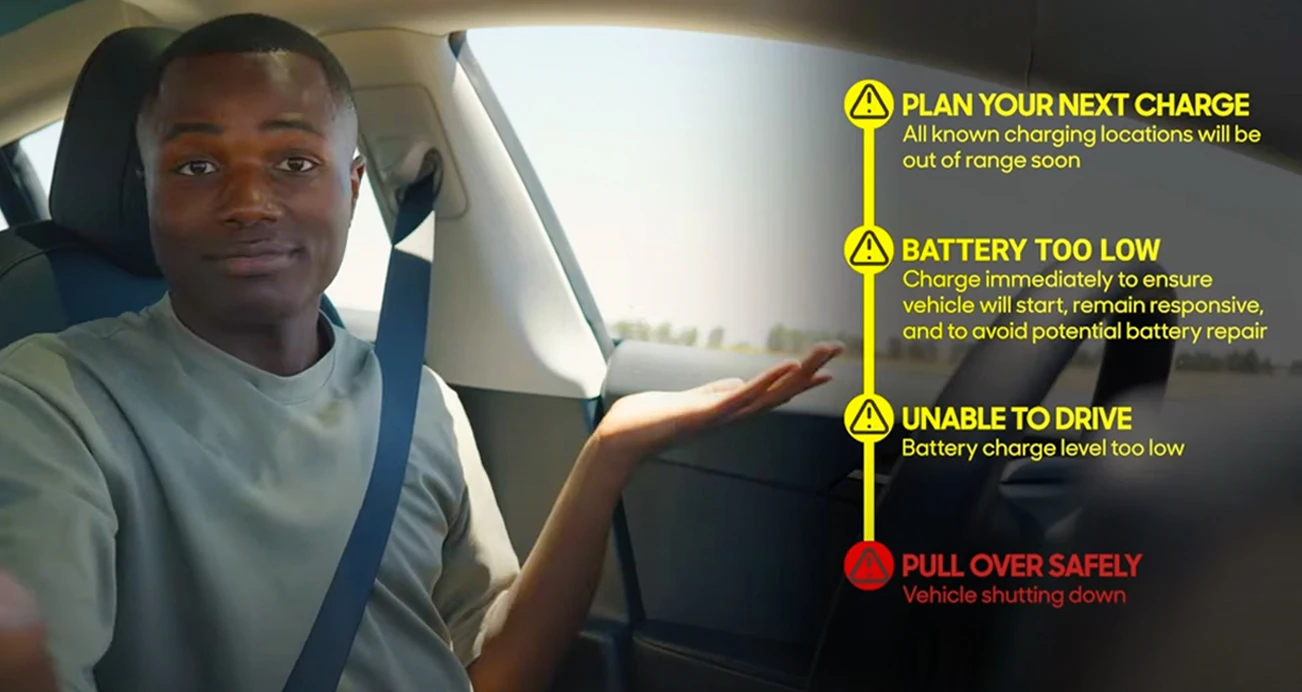
When an electric vehicle runs out of battery, it doesn't just stop working like a gas car sputtering to a halt. Instead, it gives you several warnings before finally shutting down. Most EVs will display a "turtle mode" or reduced power warning when the battery gets critically low. This mode limits acceleration and top speed to preserve the remaining energy.
Once the battery is fully depleted, the car will lose power gradually. The electric motor won't have enough energy to keep the vehicle moving, and the accessories like power steering and climate control may stop functioning. Unlike a gasoline car that can sometimes run on fumes, an EV will come to a complete stop when the battery hits zero.
The key thing to remember is that modern EVs are designed with buffer reserves. Even when the dashboard shows zero miles of range, there's usually a small amount of energy left to let you safely pull over to the side of the road.
Immediate Steps to Take When Your EV Battery Dies
Stay Calm and Find a Safe Spot
The moment you realize your battery is critically low, your first instinct might be to panic. Don't. Take a deep breath and focus on finding a safe place to stop. If you're on a highway, steer toward the shoulder or an emergency lane. If you're on a city street, look for a parking lot or a wide shoulder where you won't block traffic.
Turn on your hazard lights immediately. This signals to other drivers that you're experiencing trouble and helps prevent accidents. If it's dark or visibility is poor, try to stop near a streetlight or in a well-lit area.
Turn Off Non-Essential Systems
Once you're safely parked, turn off everything that drains the battery. This includes the climate control, heated seats, infotainment system, and any other accessories. While your battery is dead, these systems won't make a difference, but if you have any reserve power left, this helps preserve it for emergency functions like hazard lights.
Assess Your Surroundings
Take a moment to look around. Are you near a building? A gas station with charging facilities? A busy street where help might pass by? Knowing your surroundings helps you decide your next move, whether that's walking to a nearby charger or calling for assistance.
Your Options for Getting Help
Call Roadside Assistance
Most EV manufacturers include roadside assistance with the vehicle purchase or offer it as part of a subscription service. Companies like Tesla, Nissan, and others have dedicated support lines for EV owners. When you call, they can dispatch a flatbed truck to tow you to the nearest charging station or send a mobile charging unit to your location.
Services like AAA also cover EVs and can help with towing or even bring a portable charger in some areas. Keep your membership information handy, and don't hesitate to call. There's no shame in asking for help when you need it.
Use a Mobile Charging Service
Mobile charging services are becoming more common in many cities. These companies send technicians with portable Level 2 or even DC fast chargers directly to your location. Services like Blink Mobility, EVgo, and various regional providers can arrive within 30 minutes to an hour in urban locations.
This option is usually faster than a tow and gets you back on the road quickly. However, it can be pricier than traditional towing, so it's good to know about it before you need it.
Tow to the Nearest Charging Station
If mobile charging isn't available in your area, a flatbed tow to the nearest charger is your best bet. Important note: most EVs should only be towed using a flatbed truck, not a traditional tow truck with wheels on the pavement. Towing an EV with the drive wheels on the ground can damage the electric motor and other components.
When calling for a tow, specifically request a flatbed truck and mention that you drive an EV. This ensures the driver knows how to handle your vehicle properly.
How to Prevent This Situation in the Future
Plan Your Routes Carefully
The best way to avoid running out of battery is to plan ahead. Before any trip, especially long ones, map out your route and identify charging stations along the way. Apps like PlugShare, ChargePoint, and Tesla's built-in navigation system show you where chargers are located and whether they're available.
I learned this lesson the hard way during a road trip a few years ago. I thought I could make it to the next city without charging, but underestimated how much elevation change and headwinds would drain my battery. Now, I always plan my stops and give myself a buffer of at least 20 miles of range before reaching a charger.
Monitor Your Battery Health
Your EV's battery degrades over time, which means your real-world range might be less than what the car originally advertised. Cold weather, aggressive acceleration, and carrying heavy loads can all reduce your range significantly. Keep an eye on your battery health metrics and adjust your expectations accordingly.
Most EVs show you energy consumption in real-time. Pay attention to these numbers, especially during the first few months of ownership, so you learn how your driving habits affect your range.
Charge More Frequently
Don't wait until your battery is nearly empty. Most experts suggest charging to around 80% for daily driving and only charging to 100% when you need the full range for a longer trip. Keeping your battery between 20% and 80% helps maintain its long-term health and reduces the chance of unexpected range loss.
If you have home charging, plug in every night. It becomes a habit, like charging your phone, and ensures you start each day with a full "tank."
Carry Emergency Equipment
Consider keeping an emergency kit in your car that includes:
- A portable Level 1 charger (these work with any standard 120V outlet)
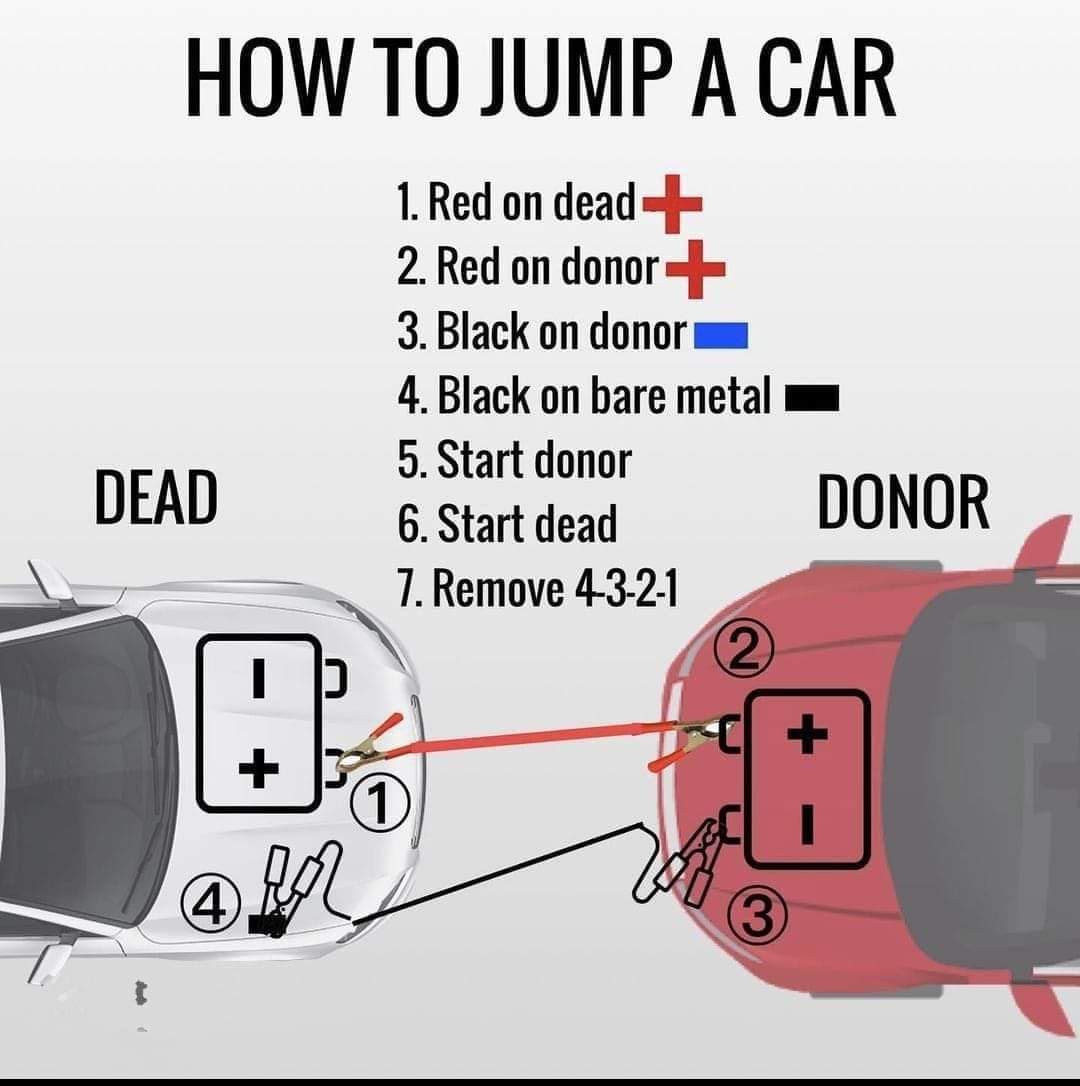
- Jumper cables or a portable jump starter
- A flashlight
- Reflective triangles or flares
- A blanket and water
- A list of emergency contacts
Having these items can turn a stressful situation into a minor inconvenience.
What to Do While Waiting for Help
Stay Safe and Visible
While you wait for assistance, stay in your car if it's safe to do so, or stand at a safe distance from the roadway. Keep your hazard lights on if your battery still has enough power for them. If you're on a busy highway, it's usually safer to remain inside the vehicle with your seatbelt on.
Stay Comfortable
Depending on the weather and how long the wait might be, you might want to have water, snacks, and a blanket in your car. Extreme heat or cold can be dangerous if you're stranded for a while.
Communicate Your Location
Make sure you know your exact location, including mile markers or cross streets. This helps roadside assistance find you quickly. Use your phone's GPS or look for nearby landmarks to give the dispatcher clear directions.
Understanding EV-Specific Features That Help
Battery Buffer Reserves
As mentioned earlier, most EVs have a buffer between zero miles displayed and actual battery depletion. This reserve is designed to give you enough power to safely pull over. Some cars might show zero range but still allow you to drive for another mile or two.
Range Estimation
EV range estimators have improved dramatically over the years. They take into account your recent driving patterns, terrain, weather conditions, and even your use of climate control. While they're not perfect, they're much more accurate than early models.
Energy-Saving Modes
Many EVs come with eco-mode or range-extending features. These limit top speed, reduce climate control output, and optimize energy use. If you're running low, engaging these modes can buy you extra miles.
Common Misconceptions About EV Range
You Can't Run Out Like a Gas Car
Many people assume EVs will just stop suddenly with no warning. In reality, they give you multiple alerts as the battery depletes. You'll see warnings at 20%, 10%, and 5% range remaining, giving you plenty of time to find a charging spot.
Towing Is the Same as Gas Cars
As mentioned, EVs require special towing procedures. A standard tow truck with a sling can damage the battery and motor. Always request a flatbed.
All Chargers Are the Same
There are three main levels of EV charging:
- Level 1 uses a standard 120V outlet and adds about 3-5 miles of range per hour
- Level 2 uses a 240V outlet and adds about 20-30 miles of range per hour
- DC fast charging can add 100-200 miles in just 30 minutes
Knowing which type you need helps when calling for mobile charging services.

Real-Life Lessons from EV Drivers
I've talked to many EV owners about their experiences running low or completely out of charge. The stories vary, but the lessons are consistent:
- Always plan your route. GPS apps that show charging stations are essential for any trip beyond your daily commute.
- Don't trust your range estimate blindly. Real-world conditions can reduce your range by 20-30%.
- Build relationships with local charging networks. Having multiple apps and accounts makes it easier to find available chargers when you need them.
- Keep emergency supplies in your car. You never know when you'll need them.
FAQ
How long can an electric car sit with a dead battery?
An electric car can sit with a dead battery for several weeks without major issues, but it's not ideal. The 12V accessory battery that powers things like lights and computer systems may drain completely, and the main battery can degrade if left at 0% for extended periods. If you know your car will sit for a while, try to charge it at least to 20% to preserve battery health.
Can you push an electric car if it runs out of battery?
Technically, yes, but it's not recommended. EVs are much heavier than gas cars, often weighing 4,000-6,000 pounds. Pushing one is extremely difficult and could damage components. Also, with the power off, the regenerative braking system won't function, making the car harder to push. If you must move it, call for professional help rather than trying to push it yourself.
Do electric cars warn you before the battery dies?
Yes, absolutely. EVs provide multiple warnings before the battery is fully depleted. You'll get alerts when you reach 20%, 10%, and 5% battery remaining, along with visual and sometimes audible warnings. Some cars display a "turtle mode" indicator when power is severely limited.
Is it bad to let an EV battery go to zero?
Yes, it's not good for the battery's long-term health. Lithium-ion batteries degrade faster when regularly discharged to very low levels. Most manufacturers recommend keeping the battery between 20% and 80% for daily use. Occasional deep discharges won't kill the battery, but making it a habit can reduce overall capacity over time.
How much does it cost to tow an electric car?
Towing costs vary widely depending on your location, the distance to the nearest charger, and whether you have roadside assistance coverage. Without coverage, expect to pay anywhere from $75 to $200 for a local tow. With AAA or manufacturer coverage, the cost may be free or significantly reduced.

Running out of battery in an electric car can feel stressful, but it doesn't have to ruin your day. The key is to stay calm, prioritize safety, and know your options. Plan your routes carefully, monitor your battery levels, and keep contact information for roadside assistance handy. With a little preparation, you can handle this situation like a pro.
If you're new to EVs, give yourself time to learn your car's range and energy consumption patterns. Every driver is different, and what works for one person might not work for another. Most importantly, don't let the fear of running out of charge keep you from enjoying your electric vehicle. The technology has come a long way, and with the growing charging infrastructure, getting stranded is becoming rarer every day.
Have you ever run low on battery in your EV? What did you do? Share your experiences and tips in the comments below, and don't forget to subscribe for more EV advice and guides.