A fully charged car battery should read between 12.6 and 12.8 volts when the engine is off, and 13.7 to 14.7 volts when the engine is running.
Think about the last time you turned the key and nothing happened. That sinking feeling usually comes down to one thing: your battery. Knowing the proper voltage for a car battery isn't just mechanic talk. It's the simplest way to catch a weak battery before it strands you. Over the years, I've tested hundreds of batteries in my garage, and a quick voltage check takes about ten seconds and saves a ton of headaches. Let me walk you through everything you need to know, from resting voltage to what those numbers really mean for your daily driver.

Understanding Car Battery Voltage Basics
Voltage is basically the push that gets electricity moving through your car's system. A healthy 12-volt lead-acid battery, which is what most gas-powered cars use, doesn't actually sit at exactly 12 volts. The chemistry inside produces a bit more, and that little bit of extra pressure is what keeps your starter motor, lights, and radio humming along.
When someone asks about the "proper voltage for a car battery," they're usually talking about one of three measurements:
- Resting voltage (engine off, no load)
- Cranking voltage (while starting the engine)
- Charging voltage (engine running, alternator active)
Each one tells a different part of the story, and checking all three gives you a complete picture of battery health.
What Is the Proper Voltage for a Car Battery at Rest
This is the number most people care about. After your car has been sitting overnight, give it at least a few hours without driving, and check the voltage with a multimeter. Here's what the readings mean in plain English:
- 12.6 to 12.8 volts: Fully charged and healthy
- 12.4 volts: About 75 percent charged, still okay
- 12.2 volts: Around 50 percent, time to charge soon
- 12.0 volts or below: Discharged, probably won't start your car
- Below 11.8 volts: Deeply discharged, may be permanently damaged
I keep a cheap multimeter in my glove box, and I check my battery every few months, especially before winter trips. The first time I did this, I discovered my "perfectly fine" battery was actually at 12.3 volts. A slow charger brought it back, but it taught me never to assume.

What Is the Proper Voltage for a Car Battery While Running
Once the engine is on, the alternator takes over and starts recharging the battery while also powering everything electrical. A healthy charging system will show:
- 13.7 to 14.7 volts: Normal operating range
- Above 15.0 volts: Overcharging, can damage the battery and electronics
- Below 13.5 volts: Alternator may be weak or not charging properly
Think of it like a garden hose. The battery provides the initial burst, but the alternator keeps the flow going. If the running voltage is too high, you're basically flooding the system. Too low, and your battery slowly drains even while you drive.
One summer, my brother's truck kept dying at red lights. He replaced the battery twice before someone finally checked the running voltage. It was sitting at 12.9 volts. The alternator was the culprit, not the battery. A $150 part fix saved him from buying batteries he didn't need.

How to Measure Car Battery Voltage the Right Way
Grabbing a reading is easy, but doing it correctly matters. Here's the step-by-step process I use every time:
- Turn off the engine and remove the key
- Wait at least 15 minutes, longer if you just drove
- Set your multimeter to DC volts (20V range)
- Connect the red probe to the positive terminal (marked with a +)
- Connect the black probe to the negative terminal (marked with a -)
- Read the display and compare it to the resting voltage chart
If you want to check the charging system, start the engine and let it idle. Turn off the headlights, AC, and radio for the most accurate reading. Then rev the engine slightly to around 1500 RPM and watch the voltage. A good system will hold steady between 13.7 and 14.7 volts.
Pro tip from personal experience: clean your terminals before testing. Corroded terminals can give you a falsely low reading. A wire brush and a little baking soda mixed with water works wonders. I once spent an hour convinced my battery was dead, only to realize the green gunk on the terminals was the real problem.
Why Voltage Drops and What It Means for Your Battery
Batteries lose voltage for a bunch of reasons, some normal and some warning signs. A car battery naturally loses about 0.1 to 0.2 volts per month from self-discharge, especially in hot weather. Heat speeds up the chemical reactions inside, which sounds good but actually shortens battery life.
Common causes of low voltage include:
- Leaving headlights or interior lights on
- A failing alternator
- Corroded or loose battery cables
- Extreme cold weather slowing down the chemical reaction
- An old battery that can no longer hold a charge
- Parasitic drain from aftermarket electronics
Cold mornings are the real test. A battery that reads 12.6 volts in your warm garage might drop to 12.0 volts when it's 10 degrees outside. That voltage drop during cranking is normal, but if it falls below 9.6 volts, the battery is struggling and might leave you stranded.

How Temperature Affects Proper Car Battery Voltage
Temperature plays a huge role in how your battery performs. Most people think cold kills batteries, and it does make starting harder. But heat actually causes more long-term damage. Here's why:
Hot weather causes the battery fluid to evaporate, exposing the lead plates and causing internal corrosion. Cold weather thickens the engine oil, making the starter work harder and pulling more voltage from the battery. Both extremes push the battery outside its comfort zone.
The sweet spot for most car batteries is around 77°F. For every 15 degrees above that, battery life can be cut in half. For every 15 degrees below, cranking power drops noticeably. If you live in Arizona or Minnesota, your battery is working overtime year-round.
I learned this the hard way living in Texas. My batteries used to last about two years instead of the advertised five. Once I started parking in the garage and using a battery insulator, I got an extra year out of every one.

Signs Your Car Battery Voltage Is Off
You don't always need a multimeter to know something's wrong. Your car usually gives you plenty of warning signs. Watch out for these:
- Slow cranking when you turn the key
- Dim headlights, especially at idle
- The check engine or battery light coming on
- Clicking sounds but no engine turnover
- Electrical issues like flickering dashboard lights
- A swollen or bloated battery case
- Rotten egg smell around the battery
If you notice any of these, check your voltage right away. Catching a failing battery early means you can replace it on your schedule instead of during a tow truck visit at 2 AM.

Different Battery Types and Their Voltage Ranges
Not all car batteries are exactly the same. The standard flooded lead-acid battery is the most common, but there are a few variations:
- Flooded lead-acid: 12.6 volts fully charged, most affordable
- AGM (Absorbent Glass Mat): 12.8 to 12.9 volts fully charged, holds charge better
- Gel cell: 12.8 to 12.9 volts, good for deep cycle use
- Lithium-ion: 13.3 to 13.4 volts, found in some hybrids and performance cars
If you drive a newer car with start-stop technology, you likely have an AGM battery. These handle deep discharges better but cost more. Always check your owner's manual before replacing your battery, since the charging system is calibrated for a specific type.
How to Maintain Proper Car Battery Voltage Year-Round
A little care goes a long way. Here are the habits that have kept my batteries healthy for years:
- Drive your car regularly, at least once a week for 20 minutes
- Keep the terminals clean and tight
- Check the voltage every three months
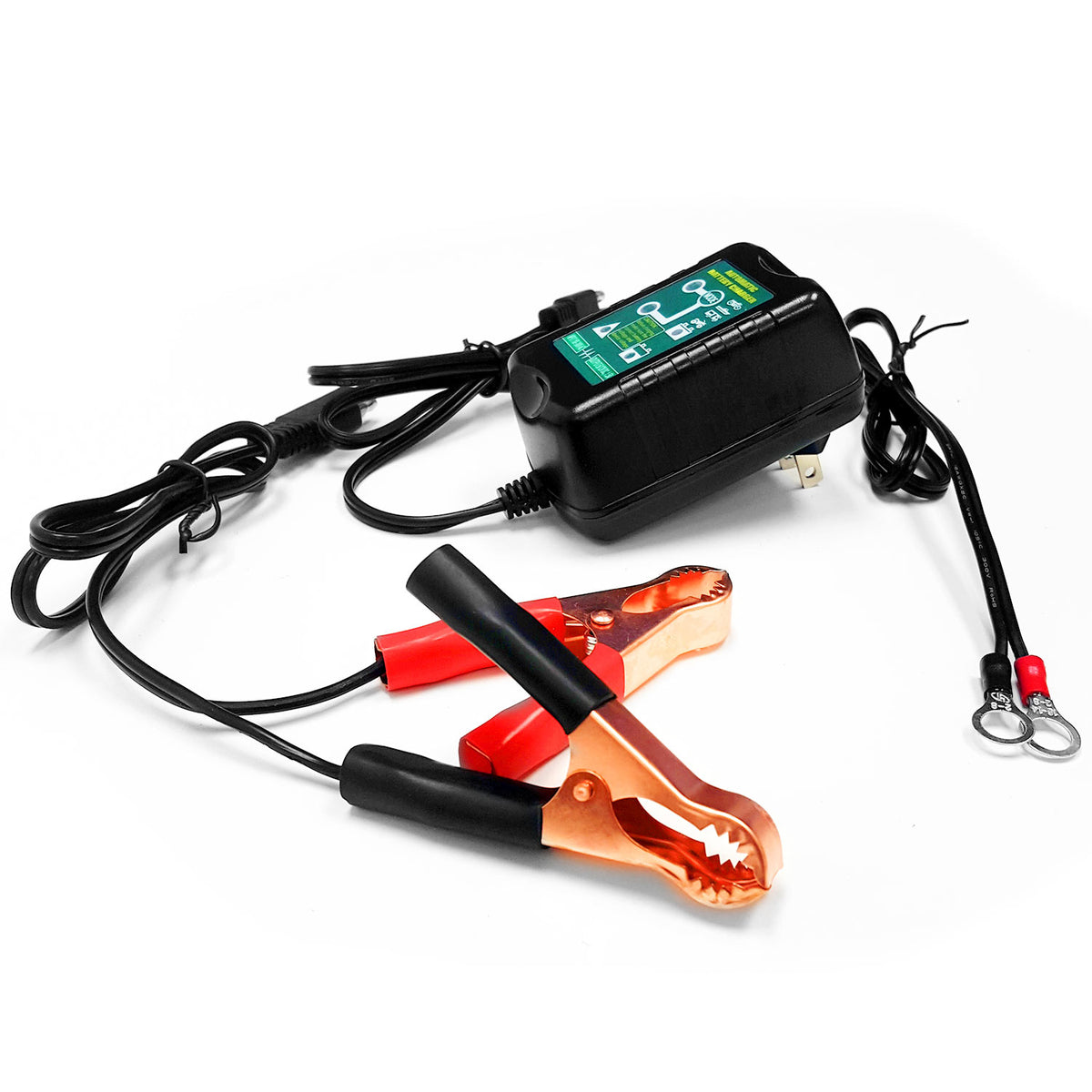
- Use a battery maintainer if you store the car for long periods
- Avoid short trips that don't let the alternator fully recharge the battery
- Park in a garage or shaded area during extreme weather
- Get the charging system tested during every oil change
If you have a classic car or a motorcycle that sits for months, a smart battery tender is worth every penny. It automatically tops off the charge without overcharging, which is perfect for keeping things ready to go.
Frequently Asked Questions About Car Battery Voltage
Is 12.2 volts okay for a car battery?
12.2 volts means the battery is about 50 percent charged. It will probably still start your car, but it's not ideal. Charge it soon to prevent sulfation, which is when lead sulfate crystals build up and permanently reduce capacity.
How many volts is a dead car battery?
Anything below 11.8 volts is considered deeply discharged. At 10.5 volts or lower, the battery is essentially dead and may not recover even with charging. Time to replace it.
Can a car battery be bad even if it shows 12.6 volts?
Yes. Voltage alone doesn't tell the whole story. A battery can show full voltage but fail under load, which is why many auto parts stores do a load test. It simulates the strain of starting and reveals weak cells.
Should I check battery voltage with the engine on or off?
Both, but for different reasons. Engine off gives you the resting state, which shows the actual charge level. Engine on shows the charging system output. A healthy car needs both numbers in the proper range.
How often should I check my car battery voltage?
Every three months is a good rule of thumb. Check more often if the battery is over three years old, if you notice slow starts, or before and after extreme weather seasons.
Final Thoughts on Proper Car Battery Voltage
Getting familiar with your battery's voltage is one of the easiest ways to stay ahead of car trouble. A healthy resting voltage of 12.6 to 12.8 volts and a running voltage between 13.7 and 14.7 volts means your electrical system is doing its job. Anything outside those ranges deserves a closer look.
Treat your battery like a silent partner that rarely gets attention until something goes wrong. A ten-second check with a multimeter, a clean set of terminals, and a little awareness of how temperature affects performance can add years to its life. Plus, you'll never have to deal with that awful clicking sound on a cold morning.
If you found this guide helpful, consider bookmarking it for your next battery check or share it with a friend who just went through a jump-start nightmare. Got questions or your own battery story? Drop a comment below, I'd love to hear how you keep your car ready to roll.