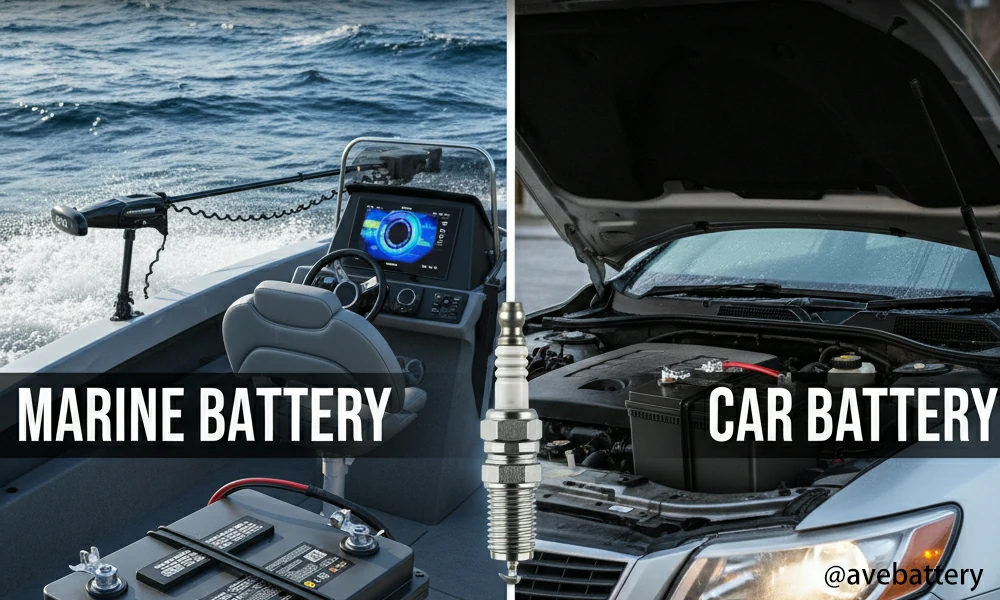
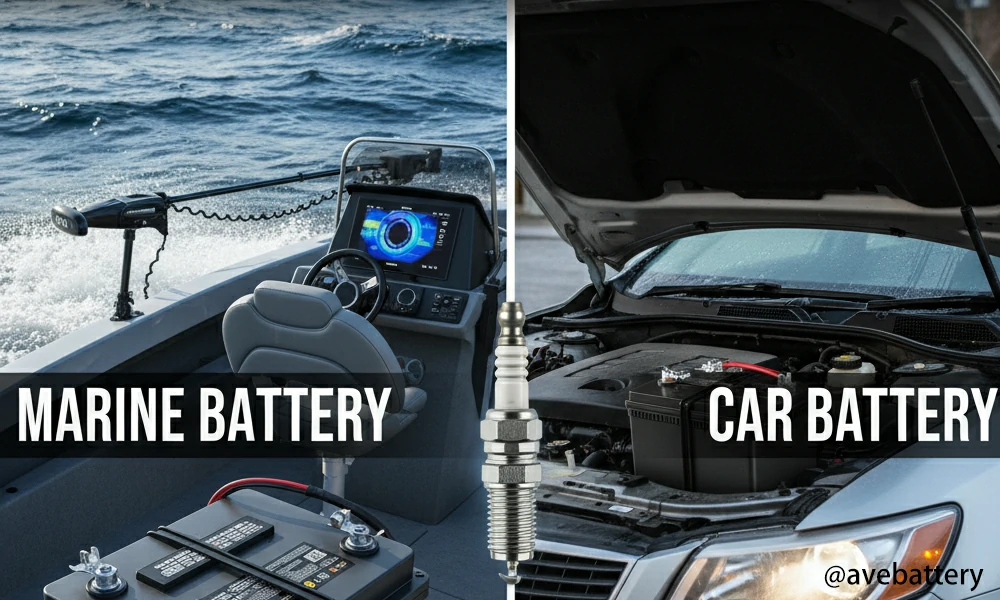
Marine batteries are built for deep, steady power over long periods, while car batteries deliver short, strong bursts to start an engine. Knowing which one you need can save you money, time, and a lot of frustration on the water or the road.
Picture this: you're out on your boat, the sun is just starting to set, and suddenly your trolling motor dies. Or maybe you're heading to work, and your car won't even turn over. In both cases, the battery is usually to blame. But here's the catch, the battery in your car and the one in your boat aren't built the same way. They're designed for different jobs, and using the wrong type can lead to costly mistakes. I've spent years working with both, from weekend fishing trips to long road trips, and I've learned just how important it is to understand what makes them tick. If you've ever wondered whether you can swap one for the other, or why they look so similar but behave so differently, you're in the right place. Let's break it all down together, so you can pick the right battery for your needs and avoid the headaches that come with the wrong choice.
Understanding the Basics of Marine and Car Batteries
At first glance, a marine battery and a car battery might look almost identical. Both are lead-acid batteries, both have positive and negative terminals, and both store energy. But the way they deliver that energy is where the big differences start to show.
A car battery, also called a starting battery, is built to provide a strong burst of power for a few seconds to crank the engine. Once the engine starts, the alternator takes over and powers everything else. The battery's main job is to start the car, then it just sits there until next time.
A marine battery, on the other hand, has to do more. It might need to start a boat engine, but it also has to run lights, GPS, fish finders, trolling motors, and sometimes even a small fridge. Some boats rely on the battery for hours while the engine is off. That's why marine batteries are often dual-purpose or deep-cycle batteries.
Think of it this way: a car battery is like a sprinter. It runs fast and hard, but only for a short distance. A marine battery is more like a marathon runner. It goes slower, but it can keep going for a long time.
Key Differences Between Marine and Car Batteries
Power Delivery Style
The biggest difference comes down to how they release power.
A car battery is designed for high cranking amps. That means it pushes out a lot of power in a short time. Once your engine starts, the battery's job is done.
A marine battery is built for steady, long-term power. It doesn't need to push out huge amps all at once. Instead, it slowly releases energy over a long period. This is called deep cycling, and it's perfect for running accessories on a boat.
If you tried to run your trolling motor for hours on a car battery, you'd quickly drain it. It wasn't built for that. On the flip side, if you tried to start a big engine with a deep-cycle marine battery, it might not have enough cranking power.
Construction and Design
The internal design of these batteries is also very different.
Car batteries have thinner plates. More plates mean more surface area, which helps deliver that initial burst of power. But thin plates don't hold up well if you drain the battery deeply.
Marine batteries have thicker plates. This makes them more durable when you discharge and recharge them over and over. The thick plates can handle the stress of being drained down to 50% or even lower without damage.
The plates are also made with stronger materials to resist the vibrations and bumps that come with being on a boat. Waves, rough water, and engine vibration can be tough on a battery, so marine batteries are built tougher.
Durability and Vibration Resistance
Speaking of toughness, marine batteries are made to handle rough conditions.
When you're out on the water, your boat bounces around. Waves hit the hull, the engine vibrates, and things move. A regular car battery can crack or lose internal connections under that kind of stress.
Marine batteries are built with reinforced cases and stronger internal connections. They can take the shaking and jarring that comes with boating. If you've ever opened a marine battery, you might notice the heavy-duty construction compared to a car battery.
Lifespan and Cycle Life
If you take care of them, both batteries can last a while, but they age differently.
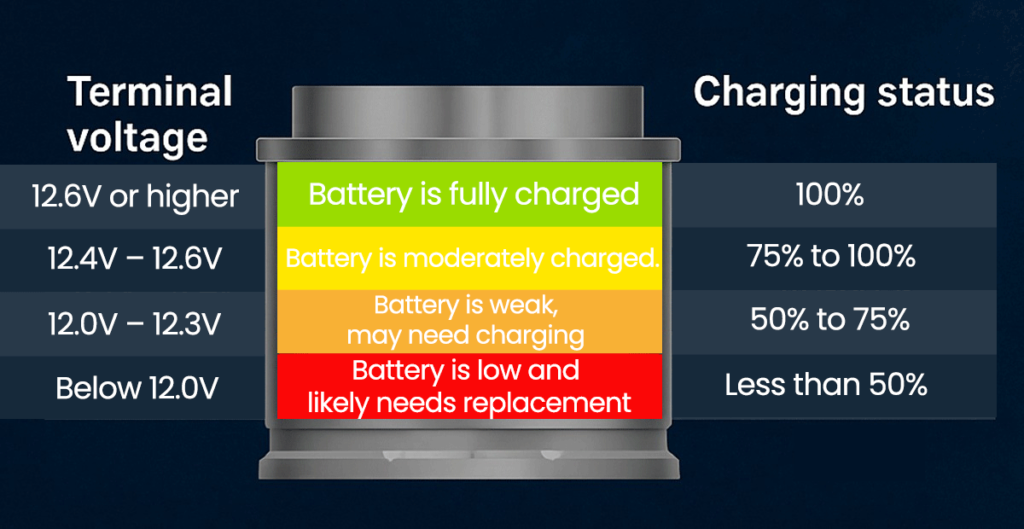
A car battery lasts about 3 to 5 years on average. It's not designed to be drained and recharged many times. Every time you deeply discharge it, you shorten its life.
A deep-cycle marine battery can last 4 to 8 years, especially if you maintain it well. It's made to be discharged and recharged over and over. That makes it a better choice for long-term use in applications that drain the battery.
Types of Marine Batteries
Not all marine batteries are the same. Here are the main types you'll find:
- Starting Marine Batteries: These work like car batteries. They provide a strong burst to start the engine but aren't meant for deep cycling.
- Deep-Cycle Marine Batteries: These are made to discharge slowly and recharge many times. Great for trolling motors and accessories.
- Dual-Purpose Marine Batteries: These try to do both jobs. They can start the engine and run accessories, but they don't do either job as well as a dedicated battery.
Knowing which type you need depends on your boat and how you use it. If you have a small boat with just a starting motor, a starting battery might be fine. If you run a lot of electronics, go for deep-cycle.
Can You Use a Marine Battery in a Car?
The short answer is yes, in some cases.
A starting marine battery can work in a car because it provides a strong burst of power. But a deep-cycle marine battery might not give you enough cranking amps, especially in cold weather.
If you do use a marine battery in your car, you might notice it lasts longer under accessory load. For instance, if you sit in your car with the engine off and run the radio for a while, a marine battery will hold up better than a regular one.
But there are downsides. Marine batteries are often more expensive. If you don't need the extra durability, you're paying for something you won't use.
Can You Use a Car Battery in a Boat?
Technically, you can, but I don't recommend it.
A car battery can start a small outboard motor just enough to get you off the water. But if you try to run your electronics with the engine off, you'll quickly kill the battery. Car batteries aren't built for that kind of use.
You might also find that a car battery doesn't last as long on a boat. The constant vibration and the deep discharges will wear it out fast.
If you're stuck in an emergency and have no other choice, a car battery might get you through the day. But for regular boating, get a proper marine battery.
How to Choose the Right Battery for Your Needs
Choosing the right battery comes down to how you plan to use it.
If you're buying a battery for your car, stick with a starting battery unless you have a special need. They do their job well and cost less.
If you're buying for a boat, think about what you need it to do:
- Do you need to start a big engine? Make sure it has enough cranking amps.
- Do you run a trolling motor or electronics? Look for a deep-cycle battery.
- Do you need both? Consider a dual-purpose battery.
Also, consider the size. Marine batteries come in group sizes similar to car batteries, but not all will fit your boat's battery tray.
Maintenance Tips for Both Battery Types
No matter which battery you have, taking care of it will make it last longer.
- Keep the terminals clean. Corrosion can stop the flow of power.
- Check the water level if it's not a sealed battery. Add distilled water when needed.
- Keep the battery charged. Don't let it sit for months without a charge.
- Store it properly in the off-season. Cold weather can kill a weak battery.
I learned the hard way one summer when I left my boat battery in the garage all winter without charging it. When spring came, it was dead and wouldn't hold a charge. Now I always use a maintainer over the winter.

Frequently Asked Questions
What is the main difference between marine and car batteries?
Marine batteries are built for deep, steady power and can run electronics for hours, while car batteries deliver a strong burst of power just to start the engine.
Can I use a marine battery as a car battery?
Yes, especially if it's a starting marine battery, but it might cost more than you need. Deep-cycle marine batteries usually don't have enough cranking power for cars.
Why do boats need special batteries?
Boats deal with vibration, moisture, and deep discharges. Marine batteries are built stronger to handle those conditions and to power accessories for long periods.
How long do marine batteries last compared to car batteries?
Marine batteries typically last 4 to 8 years with proper care, while car batteries usually last 3 to 5 years, depending on use and climate.
Are marine batteries worth the extra cost?
If you spend time on the water and need reliable power for accessories, yes. They last longer under heavy use and resist damage from vibration and deep cycling.
Final Thoughts
Understanding the difference between marine and car batteries can save you from being stranded, whether on the water or in a parking lot. They're both lead-acid batteries, but they're designed for very different jobs. A car battery gives you a quick, powerful start, while a marine battery gives you long, steady power for all your boating needs.
If you're ever in doubt, think about how you use your vehicle or boat. Match the battery to the job, take care of it, and you'll have power when you need it most. Got a battery question or a story to share? Drop it in the comments below. I'd love to hear about your experiences, whether you're a weekend sailor or a daily commuter.