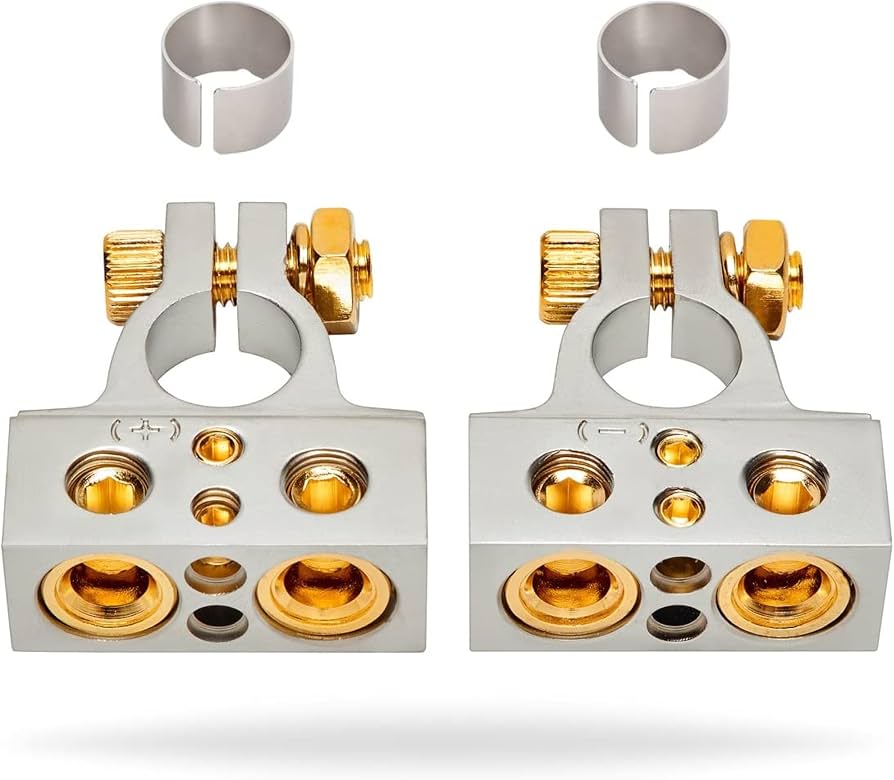
A standard car battery typically uses 4-gauge to 6-gauge wire for its main cables, depending on the vehicle and current demands. When you pop the hood and look at those thick red and black cables connected to your battery, you're looking at heavy-gauge wiring designed to handle serious electrical current. The wire gauge for car battery cables isn't arbitrary. It's carefully calculated based on how much amperage your vehicle needs to crank the engine and power all those hungry electronic systems.
I've spent years working on cars, from daily drivers to classic restorations, and one thing I've learned is that getting the battery cable gauge right makes all the difference between a reliable start on a cold morning and being stranded in a parking lot. Let me walk you through everything you need to know about car battery wire gauge, so you can make the right choice for your vehicle and avoid the common mistakes that trip up even experienced DIYers.

Understanding Wire Gauge Basics
Wire gauge works a bit counterintuitively. The smaller the gauge number, the thicker the wire. Think of it like this: a 4-gauge wire is much chunkier than a 10-gauge wire. The American Wire Gauge (AWG) system standardized this back in 1857, and we've been using it ever since for everything from household wiring to automotive applications.
For car battery cables specifically, you're almost always dealing with thick wire. Here's a simple guide to common battery cable gauges:
- 2-gauge: Heavy-duty applications, high-performance vehicles, large diesel engines
- 4-gauge: Most common for standard cars and light trucks
- 6-gauge: Smaller vehicles, compact cars, motorcycles, some marine applications
- 8-gauge: Light-duty applications, accessory wiring, not typically for main battery cables
The thickness matters because of resistance. Thicker wire means less resistance, which means more current can flow without the wire heating up or losing power along the way.

Why Wire Gauge Matters for Car Batteries
Your car battery might look like a simple box, but it's actually pushing some serious electrical muscle. A typical car battery needs to deliver 300 to 1,000 cold cranking amps to start your engine. That's a lot of electrical current flowing through those cables in a very short burst.
If you undersize the wire gauge, several things happen:
- The wire heats up, which wastes energy
- Voltage drops between the battery and the starter, making cranking harder
- The cable can actually become a fire hazard in extreme cases
- Your starter motor doesn't get enough juice to turn the engine properly
I remember helping a friend with an old truck that kept having slow cranking problems. The previous owner had installed 8-gauge wire on a V8 engine, thinking "wire is wire." It would barely turn over on cold mornings. We swapped in proper 4-gauge cables, and it fired right up like a brand new vehicle. Sometimes the simple fixes make the biggest difference.

Standard Car Battery Cable Gauges by Vehicle Type
Not all vehicles need the same wire gauge. Here's what you'll typically find in different applications:
Most passenger cars use 4-gauge or 6-gauge battery cables. Compact economy cars with smaller engines often run 6-gauge just fine, while midsize and full-size vehicles typically need 4-gauge to handle the higher cranking requirements.
Trucks and SUVs with larger V6 or V8 engines almost always require 4-gauge cables, and heavy-duty trucks with diesel engines often step up to 2-gauge to handle the massive current demands.
Performance vehicles and modified cars frequently upgrade to 2-gauge or even 1/0 gauge (zero gauge) wiring when they've upgraded the alternator or added high-draw accessories like winches, big stereo systems, or auxiliary lighting.
Classic cars being restored often benefit from upgrading to modern 4-gauge cables even if they originally came with thinner wire. This is one of those small upgrades that makes a noticeable improvement in reliability and starting performance.

Factors That Determine the Right Wire Gauge
Choosing the correct gauge wire for a car battery isn't just about picking a number. Several factors come into play, and understanding them helps you make an informed decision.
Cable Length
The longer the cable, the more resistance it has. This means a longer run might require thicker wire to compensate. For most vehicles, the battery to starter cable is short enough that standard gauges work fine, but if you're running cables to a trunk-mounted battery or adding auxiliary batteries, length becomes a real consideration.
Engine Size and Type
A 4-cylinder engine draws less current than a big V8. More displacement generally means more compression, which means more cranking amps needed. Diesel engines need even more current because of the high compression ratios.
Climate Conditions
Cold weather is the enemy of batteries. In freezing temperatures, battery capacity drops significantly, meaning your starter needs to work against both thick oil and reduced battery output. This is when proper gauge wire really proves its worth.
Electrical Accessories
If you're running a high-output stereo, aftermarket lighting, a winch, or other power-hungry additions, your charging system has to work harder, which means more current flowing through your battery cables. This is where upgrading to thicker gauge wire becomes important.

How to Measure Battery Cable Wire Gauge
Sometimes you need to know exactly what gauge wire you're working with, especially if you're troubleshooting an electrical issue or planning an upgrade. Here's how to figure it out.
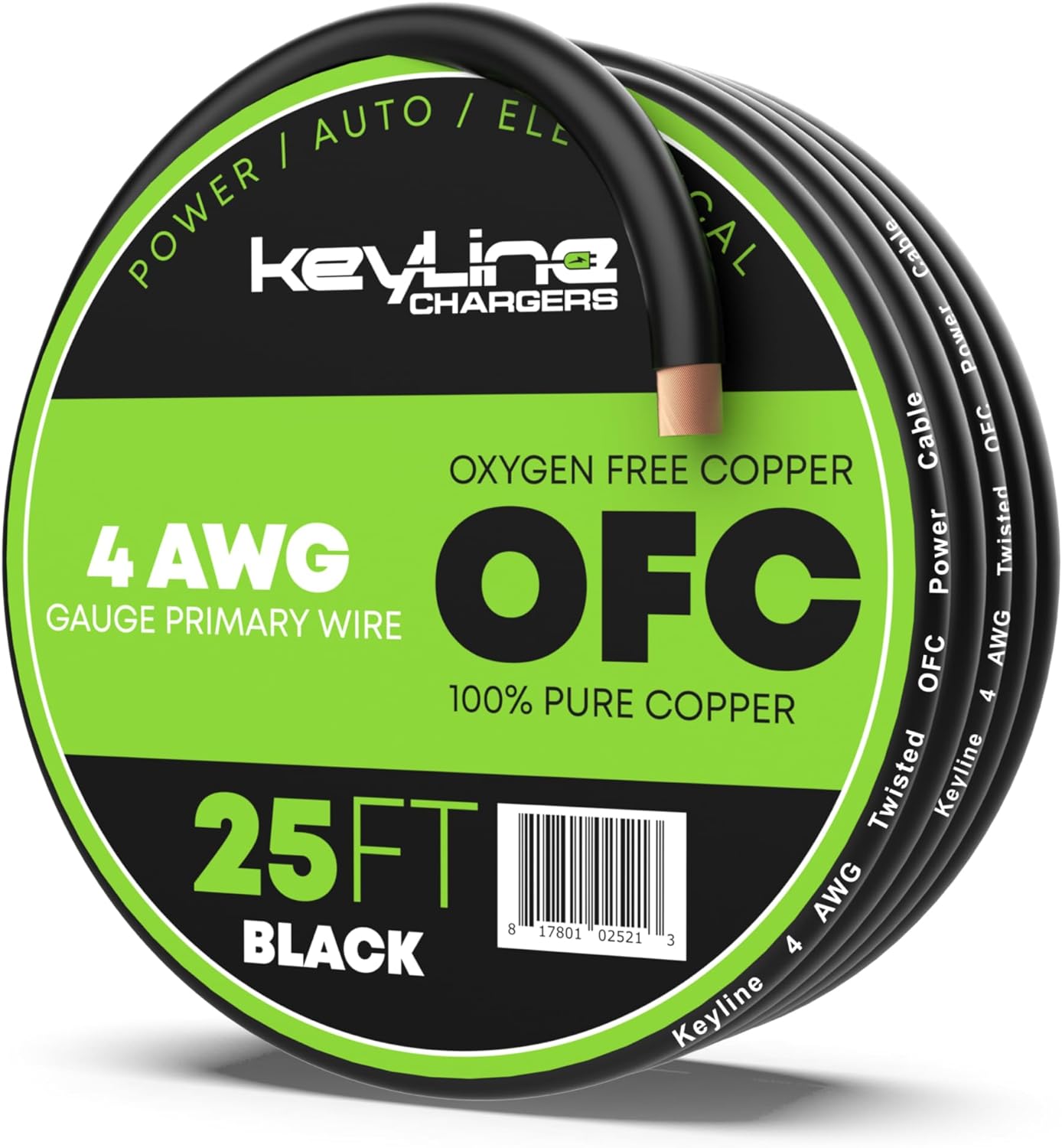
The easiest method is checking the cable itself. Most quality battery cables have the gauge stamped or printed on the insulation. Look for markings like "4 AWG" or "6 AWG" along the length of the insulation.
If there are no markings, you can measure the copper conductor's diameter with calipers. A 4-gauge wire has a conductor diameter of about 0.2043 inches, while 6-gauge measures around 0.1620 inches. Alternatively, you can measure the cross-sectional area. A 4-gauge cable has about 21,150 circular mils, and 6-gauge has roughly 13,090 circular mils.
Another option is using a wire gauge tool, the kind electricians carry. You strip back a small section of insulation and slide different slots over the conductor until you find the perfect fit.
Upgrading Your Battery Cable Gauge
If you're upgrading your battery cables, the process is fairly straightforward but requires attention to detail.
First, determine what gauge you currently have and what gauge you want to upgrade to. Most upgrades are from 6-gauge to 4-gauge, or from 4-gauge to 2-gauge for high-performance applications.
Next, measure your existing cable lengths carefully. Battery cables aren't one-size-fits-all, and you need the right length for your specific vehicle. Measure from the battery post to the starter connection, and from the battery to the grounding point.
When installing new cables, make sure all connections are clean and tight. Corroded or loose connections can cause the same problems as undersized wire. I always recommend applying dielectric grease to the terminals after installation to prevent future corrosion.
Quality matters too. Don't cheap out on battery cables. Look for pure copper conductors (not copper-clad aluminum) and durable insulation that can handle engine bay heat. I've seen cheap cables fail within a year, while quality cables last decades.

Common Mistakes to Avoid
Over the years, I've seen plenty of battery wiring mishapings. Here are the most common mistakes that can cause headaches down the road.
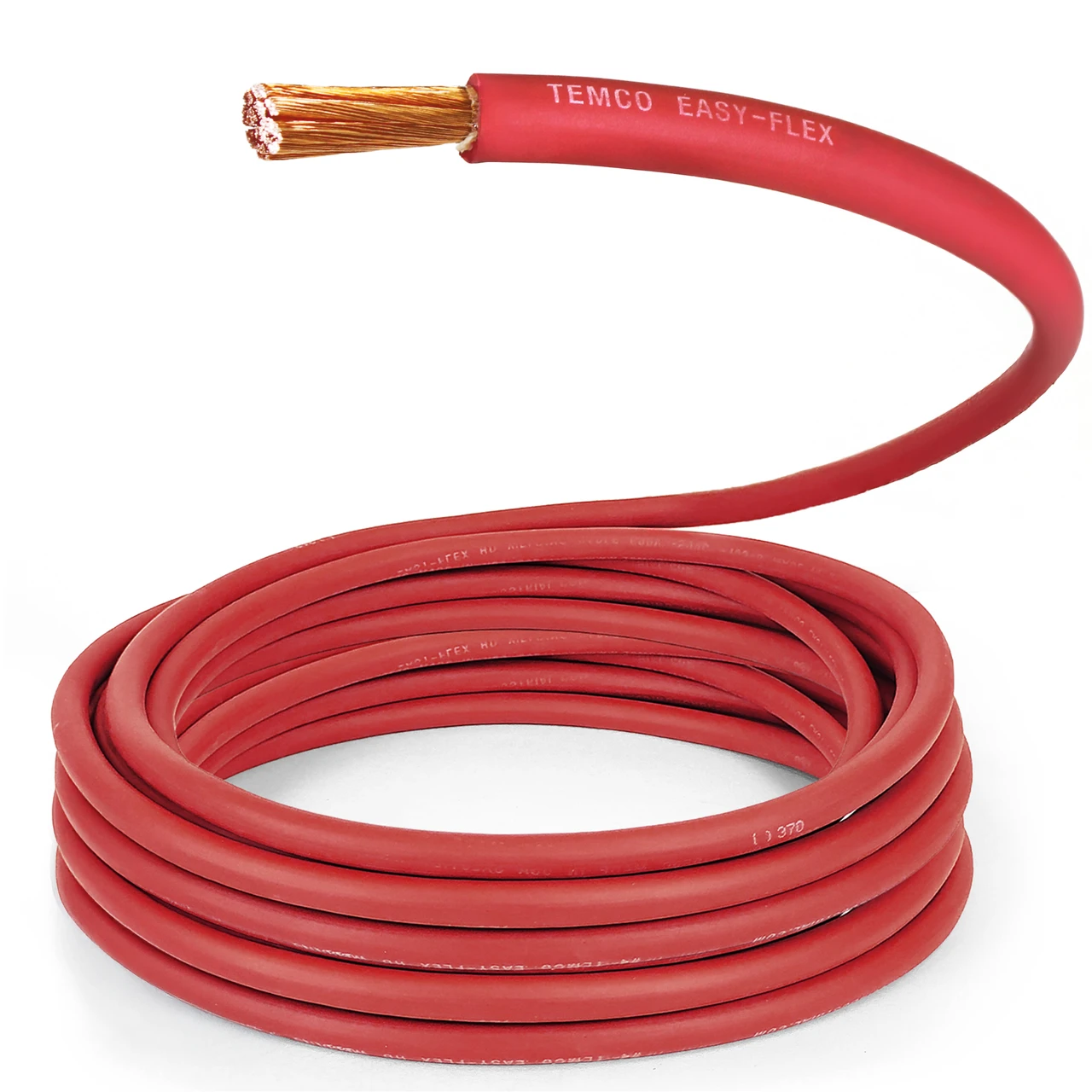
Using automotive wire instead of battery cable is a frequent error. Battery cable is specifically made for high-current applications with many fine strands of copper for flexibility and current carrying capacity. Regular automotive wire has fewer strands and isn't designed for the same loads.
Undersizing for the application is another common issue. People see a thin cable and think it looks easier to work with, but thinner cable means more resistance and potential problems. Always err on the side of slightly thicker wire rather than too thin.
Ignoring the ground cable is a mistake many people make. The ground cable is just as important as the positive cable, and it should be the same gauge. A weak ground can cause all sorts of electrical gremlins, from dim lights to hard starting.
Failing to secure cables properly can lead to chafing, melting on exhaust components, or damage from moving parts. Make sure your battery cables are routed away from heat sources and secured with appropriate clamps or zip ties.
Signs Your Battery Cables Need Replacement
Your battery cables will eventually wear out and need replacement. Here are the signs to watch for.
Corrosion on the terminals is the most obvious indicator. A little white or greenish powder is normal, but heavy corrosion that keeps coming back quickly means the cable ends might be compromised.
Fraying or damaged insulation exposes the copper conductor to moisture and potential short circuits. If you see cracked, brittle, or missing insulation, it's time for new cables.
Hard starting or slow cranking, especially when the battery is known to be good, often points to cable problems. The cables might be undersized, corroded internally, or have loose connections.
Dim headlights or flickering interior lights can indicate voltage drop in the battery cables, meaning the cables aren't conducting electricity efficiently.
I've had cables that looked perfectly fine on the outside but were corroded internally. When I cut into them, the copper was green and crusty inside. This is why sometimes you need to trust your symptoms over appearances.
Frequently Asked Questions
What is the most common wire gauge for car battery cables?
The most common wire gauge for standard car battery cables is 4-gauge. This size handles the typical 400-600 cranking amps needed for most passenger vehicles while providing enough headroom for various driving conditions.
Can I use 6-gauge wire for my car battery?
Yes, 6-gauge wire works fine for many compact and midsize cars with smaller engines. However, if you have a V6 or V8 engine, live in a cold climate, or have high electrical demands, upgrading to 4-gauge provides better performance and reliability.
Is thicker wire better for car batteries?
Thicker wire (lower gauge number) is generally better because it has less resistance and can carry more current. However, going excessively thick beyond what your vehicle needs just adds cost and weight without meaningful benefit.
How long can a car battery cable be before gauge matters more?
For typical automotive applications with 4-gauge or 6-gauge wire, cable length becomes a significant factor around 15-20 feet. For longer runs, such as trunk-mounted batteries, stepping up to thicker gauge (2-gauge or 1/0 gauge) helps compensate for the increased resistance.
Does battery cable gauge affect alternator performance?
While the alternator connects to the battery, the cable gauge between them affects how efficiently charging current flows. Using appropriately sized battery cables ensures your alternator can effectively replenish the battery and run vehicle electronics without excessive voltage drop.
Conclusion
Getting the right gauge wire for your car battery isn't complicated once you understand the basics. Most vehicles use 4-gauge or 6-gauge battery cables, with performance applications stepping up to 2-gauge or thicker. Remember that the gauge you choose affects everything from starting reliability to electrical system performance.
The key takeaway is this: don't undersize your battery cables. If you're unsure, going slightly thicker is always better than too thin. Quality cables with proper installation will serve you reliably for years, while cheap or undersized wire can leave you stranded at the worst possible time.
Whether you're maintaining a daily driver, restoring a classic, or building a high-performance machine, take the time to use the correct gauge wire for your battery cables. It's one of those simple things that makes a real difference in how your vehicle performs and how confident you feel turning the key every morning. Drop a comment below if you have questions about your specific vehicle setup.