Ever find yourself staring at a car engine and wonder, "Just how much does a car motor weigh?" It’s a question that pops up for folks tackling repairs, eyeing a potential project car, or even just trying to understand the sheer mechanical might packed under the hood. The reality is, there isn't a single, simple answer because engine weight swings wildly depending on the type and design.
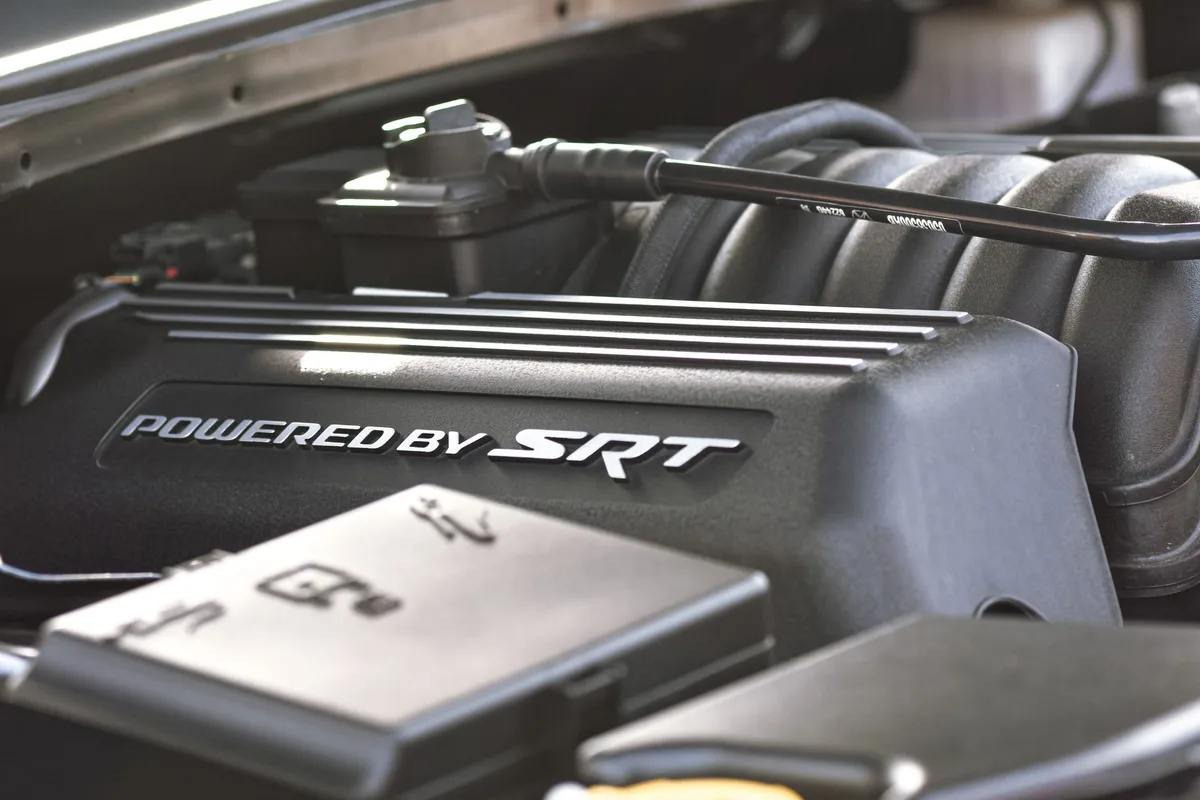
Consider this: a small, nimble engine from an economy car is built for efficiency and lightness. Flip that to the robust engine in a heavy-duty truck, designed for serious hauling and towing, and you're looking at a vastly different piece of machinery. This variance is why manufacturer specifications, like those for a typical 5.7L V8 HEMI engine found in many Dodge/Ram vehicles, often list the bare engine weight (without fluids or ancillaries) around 550 pounds. Knowing these differences helps demystify what you’re actually dealing with.
Engine Weight: It's Not a Simple Number
Trying to pin down a single weight for "a car engine" is like asking how much a house weighs. It depends entirely on the blueprint. An engine’s weight isn't just a static spec; it's a complex combination of materials, size, and purpose. What we're really talking about are classes of engines, each with its own ballpark weight.
You might pull up a spec sheet for a compact car and see an engine that barely nudges 200 pounds, while a hefty V8 from a muscle car could easily tip the scales at over 600 pounds before you even add accessories. This isn't about being heavier or lighter for the sake of it; it's about engineering for specific performance needs, fuel efficiency targets, and durability requirements.
Why Engine Weight Matters for Your Car
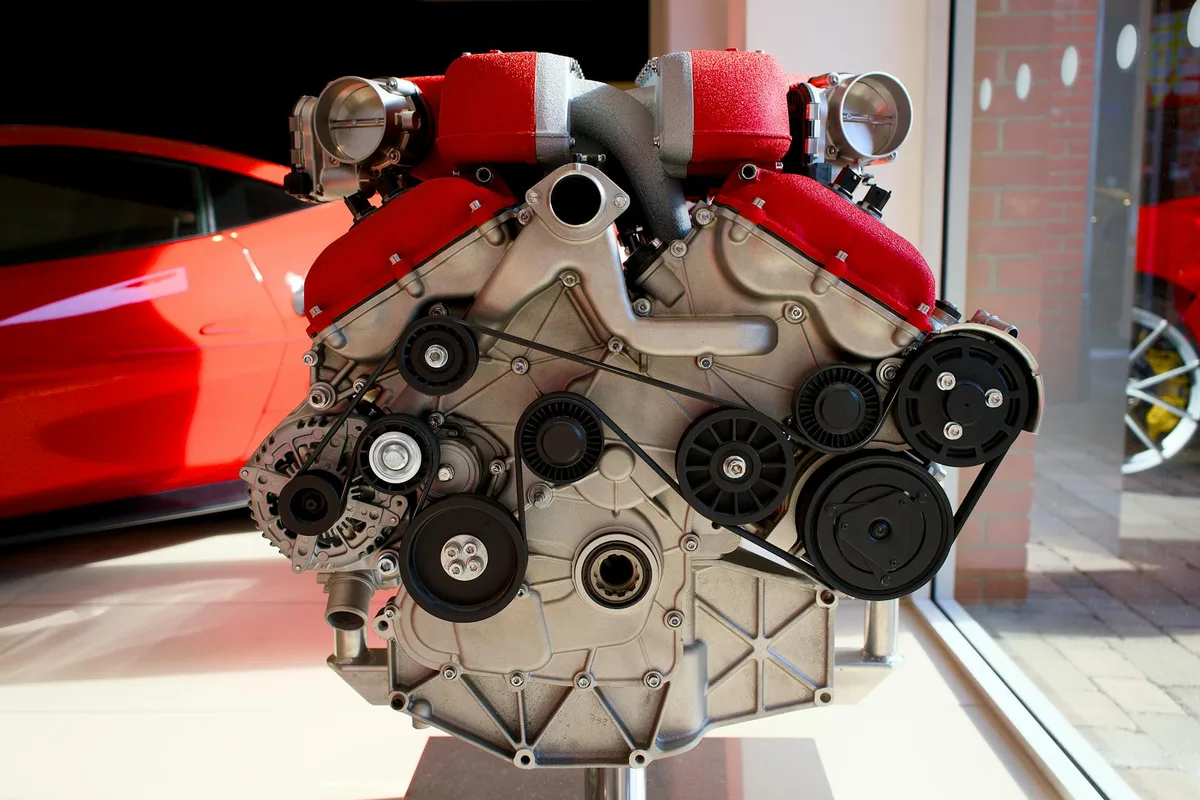
So, why should you care about how much your car’s potential engine weighs? It directly impacts how your vehicle performs and handles. A lighter engine can mean a host of benefits, from better fuel economy to sharper acceleration. On the flip side, heavier engines often bring more raw power and torque, which is crucial for certain types of vehicles like trucks and larger SUVs.
Think about weight distribution. The way an engine’s mass is positioned influences a car's balance. Manufacturers spend a lot of time optimizing this balance for predictable handling and a comfortable ride. If you're planning a performance build or a restoration, understanding engine weight is key to achieving your desired driving dynamics.
It's a foundational element of vehicle engineering that trickles down to your everyday driving experience.
Common Car Engine Types and Their Weights
Let's break down some of the most prevalent engine configurations you'll find in vehicles today, and give you a general idea of their heft. These figures are for the engine block and cylinder heads only, often referred to as a "bare" or "dry" weight, meaning no fluids, intake/exhaust manifolds, or other bolted-on accessories.
Inline-4 Cylinder (I4) Engines
These are the workhorses of the compact and mid-size car world, prized for their fuel efficiency and relatively low cost.
- Typical Weight: Around 200-400 lbs (90-180 kg).
- Why they're lighter: Fewer cylinders mean a smaller, simpler engine block. They generally use aluminum construction, further trimming pounds.
- Best for: Economy cars, smaller sedans, and hatchbacks where efficiency is a top priority.
V6 Engines
A step up from the inline-4, V6 engines offer a more substantial power output without the extreme weight penalty of a V8.
- Typical Weight: Around 300-500 lbs (135-225 kg).
- Design impact: The "V" shape allows for a shorter engine block than an inline-6 of similar displacement, which can sometimes shave off a bit of weight, though it’s wider.
- Best for: Mid-size sedans, SUVs, minivans, and some lighter-duty trucks.
Inline-6 Cylinder (I6) Engines
Known for their inherent balance and smooth operation, inline-6 engines have made a comeback in recent years due to their refinement, though they can be a bit longer than V-engines.
- Typical Weight: Around 350-550 lbs (160-250 kg).
- Construction: Often built robustly, especially in older designs where cast iron was common. Modern inline-6s frequently use aluminum alloys.
- Best for: Sedans, SUVs, and some performance applications seeking smooth power delivery.
V8 Engines
The king of muscle cars and heavy-duty trucks, V8s are all about power and torque, and that comes with significant mass.
- Typical Weight: Around 450-700+ lbs (200-315+ kg).
- Weight factors: More cylinders, larger displacement, and often stronger, heavier materials (especially in performance or older cast-iron variants) contribute to the high weight.
- Best for: Performance cars, muscle cars, trucks, large SUVs, and any application where maximum towing or acceleration is desired.
Diesel Engines
Diesel powerplants are built to handle higher compression ratios and deliver immense torque, which means they’re generally beefier.
- Typical Weight: Varies significantly by size, but often 400-900+ lbs (180-400+ kg) for truck and heavy equipment applications.
- Robustness: They require stronger (and heavier) components to withstand the increased pressures.
- Best for: Trucks, heavy-duty vehicles, and applications requiring high torque and fuel efficiency for long-haul driving.
What Factors Influence How Much an Engine Weighs?
It’s not just about the cylinder count or the "V" versus "inline" design. Several other critical factors determine an engine’s final weight, and understanding these can give you a clearer picture.
Engine Block Materials: Iron vs. Aluminum
This is perhaps one of the biggest weight differentiators. Historically, engine blocks were made from cast iron. Cast iron is incredibly strong and durable, but it's also very dense and heavy. For every pound of iron, you're carrying a lot of mass.
Aluminum alloys, on the other hand, offer a significant weight saving. While perhaps not as inherently robust as iron under extreme conditions without reinforcement, modern aluminum alloys are engineered to be strong, heat-resistant, and much lighter. Many performance and efficiency-focused engines today exclusively use aluminum for both the engine block and cylinder heads. Manufacturer specifications often highlight the material to indicate potential weight savings.
For example, a roughly equivalent cast-iron V8 might weigh a couple hundred pounds more than its aluminum counterpart.
Size, Displacement, and Cylinder Count
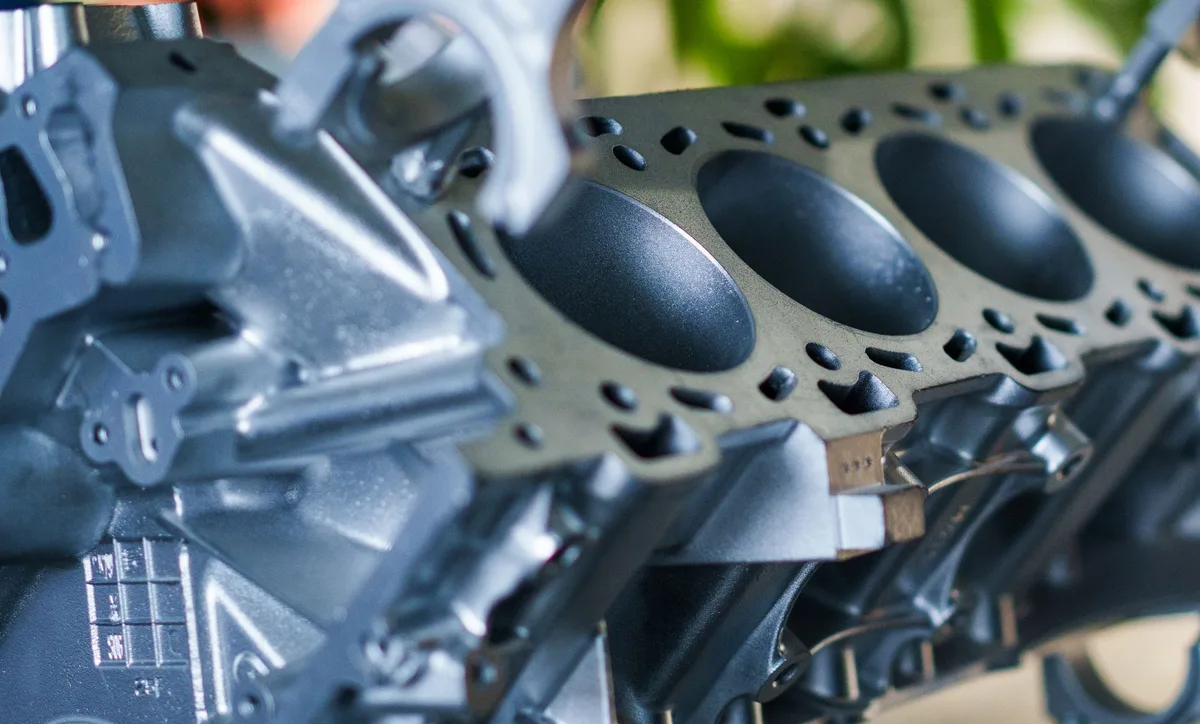
These go hand-in-hand. A larger engine, meaning one with a greater displacement (the total volume swept by all the pistons in their cylinders), inherently requires more metal to construct the block, cylinder walls, crankshaft, and pistons. More cylinders also mean a larger overall engine structure. For instance, a 2.0-liter, four-cylinder engine is naturally going to be smaller and lighter than a 6.2-liter V8.
The extra cylinders, larger bore and stroke dimensions, and the associated internal components all add up.
How Engine Ancillaries Affect Total Weight
The "bare" engine weight we've discussed is just the core component. When you start bolting on all the necessary systems that make an engine functional in a vehicle, the total weight increases considerably. These are often called "ancillaries" or "accessories."
Consider these common add-ons:
- Intake and Exhaust Manifolds: These direct airflow into and exhaust gases out of the cylinders. They can be made of cast iron, steel, or aluminum.
- Alternator: This generates electricity for the car's systems.
- Power Steering Pump: Assists with steering (though many modern cars use electric power steering, which eliminates this pump).
- Air Conditioning Compressor: Cools the cabin.
- Flywheel/Flexplate: Connects the engine to the transmission. A flywheel is a heavy rotating mass used with manual transmissions; a flexplate is lighter and used with automatics.
- Cooling Fan and Shroud: Though often mounted to the radiator, some designs are engine-driven.
- Starter Motor: Cranks the engine to start it.
- Fluid Reservoirs: For oil, coolant, etc.
Each of these, while individually not as heavy as the engine block, cumulatively adds a significant amount of weight, easily another 100-200 pounds or more, depending on the vehicle and its options.
Inline-6 Cylinder (I6) Engines
These powerplants are often celebrated for their smooth operation and inherent balance. An inline-6 has all six cylinders arranged in a straight line, which naturally cancels out many of the vibrations that can plague other engine configurations. Historically, they were favored by many manufacturers for their robustness and smooth power delivery.
- Typical Weight: Around 350-550 lbs (160-250 kg). This range can vary based on materials and specific design.
- Material Advantage: Like other modern engines, inline-6s benefit greatly from aluminum construction, which keeps their weight competitive with other engine types while maintaining smoothness.
- Who they're best for: Drivers who prioritize a refined, quiet, and vibration-free experience. They often find homes in luxury sedans and some performance-oriented vehicles where engine smoothness is as important as power.
V8 Engines
Ah, the V8. It’s an icon in the automotive world, synonymous with power, torque, and that unmistakable rumble. If you're looking for serious muscle and towing capability, the V8 is often the go-to choice. However, this power comes at a cost, its weight.
- Typical Weight: Around 450-700+ lbs (200-315+ kg). This can go even higher for specialized performance or heavy-duty diesel V8s.
- Where the weight comes from: It's a combination of having eight cylinders, often larger displacement, a robust block structure needed to handle the combustion forces, and sometimes, the use of heavier cast-iron components for extreme durability.
- Who they're best for: Enthusiasts who crave raw power for acceleration and towing, typically found in muscle cars, sports cars, trucks, and large SUVs where performance is a priority over fuel efficiency.
Diesel Engines
Diesel engines are known for their durability, torque, and fuel efficiency, especially over long distances. However, the engineering required to achieve these goals means they are typically heavier than their gasoline counterparts. This extra weight comes from the need for stronger internal components and a more robust engine block to handle the higher compression ratios inherent in diesel combustion.
- Typical Weight: While it varies greatly depending on the application, a typical diesel engine in a pickup truck or larger SUV can range from 400 lbs up to 900 lbs (180-400+ kg) or even more for commercial applications.
- Why they're heavier: Higher compression means stronger pistons, connecting rods, and a beefier crankshaft. The engine block itself must be built to withstand these increased pressures, often leading to the use of more material or heavier-duty alloys.
- Who they're best for: Drivers who need significant towing or hauling capability, high torque for steep inclines, and long-haul fuel efficiency. They are common in pickup trucks, heavy-duty vehicles, and some commercial applications.
What Factors Influence How Much an Engine Weighs?
It’s not just about the cylinder count or the "V" versus "inline" design. Several other critical factors determine an engine’s final weight, and understanding these can give you a clearer picture.
Engine Block Materials: Iron vs. Aluminum
This is perhaps one of the biggest weight differentiators. Historically, engine blocks were made from cast iron. Cast iron is incredibly strong and durable, but it's also very dense and heavy. For every pound of iron, you're carrying a lot of mass.
Aluminum alloys, on the other hand, offer a significant weight saving. While perhaps not as inherently robust as iron under extreme conditions without reinforcement, modern aluminum alloys are engineered to be strong, heat-resistant, and much lighter. Many performance and efficiency-focused engines today exclusively use aluminum for both the engine block and cylinder heads. Manufacturer specifications often highlight the material to indicate potential weight savings.
For example, a roughly equivalent cast-iron V8 might weigh a couple hundred pounds more than its aluminum counterpart.
Size, Displacement, and Cylinder Count
These go hand-in-hand. A larger engine, meaning one with a greater displacement (the total volume swept by all the pistons in their cylinders), inherently requires more metal to construct the block, cylinder walls, crankshaft, and pistons. More cylinders also mean a larger overall engine structure. For instance, a 2.0-liter, four-cylinder engine is naturally going to be smaller and lighter than a 6.2-liter V8.
The extra cylinders, larger bore and stroke dimensions, and the associated internal components all add up.