A corroded car battery typically shows white, blue, or greenish powdery or crusty deposits around the metal terminals, often paired with a rough, ashy texture and a faint chemical smell. Over my years working on vehicles and helping friends troubleshoot starting issues, I have learned to spot corrosion early, and it can save you from being stranded with a dead battery. Let me walk you through exactly what to look for, why it happens, and what you can do about it.
What Corrosion on a Car Battery Actually Looks Like
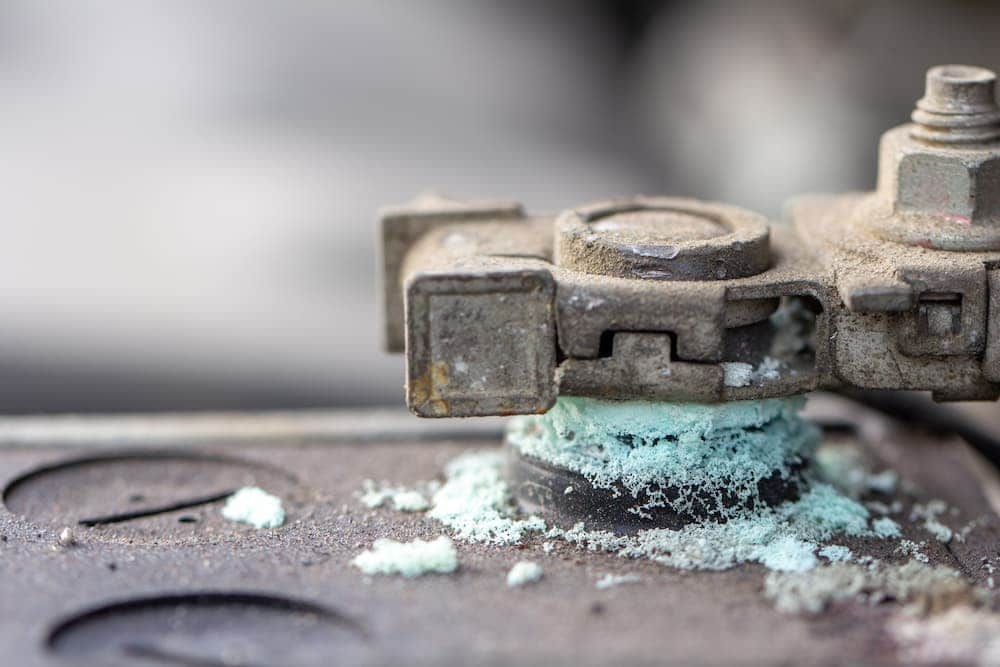
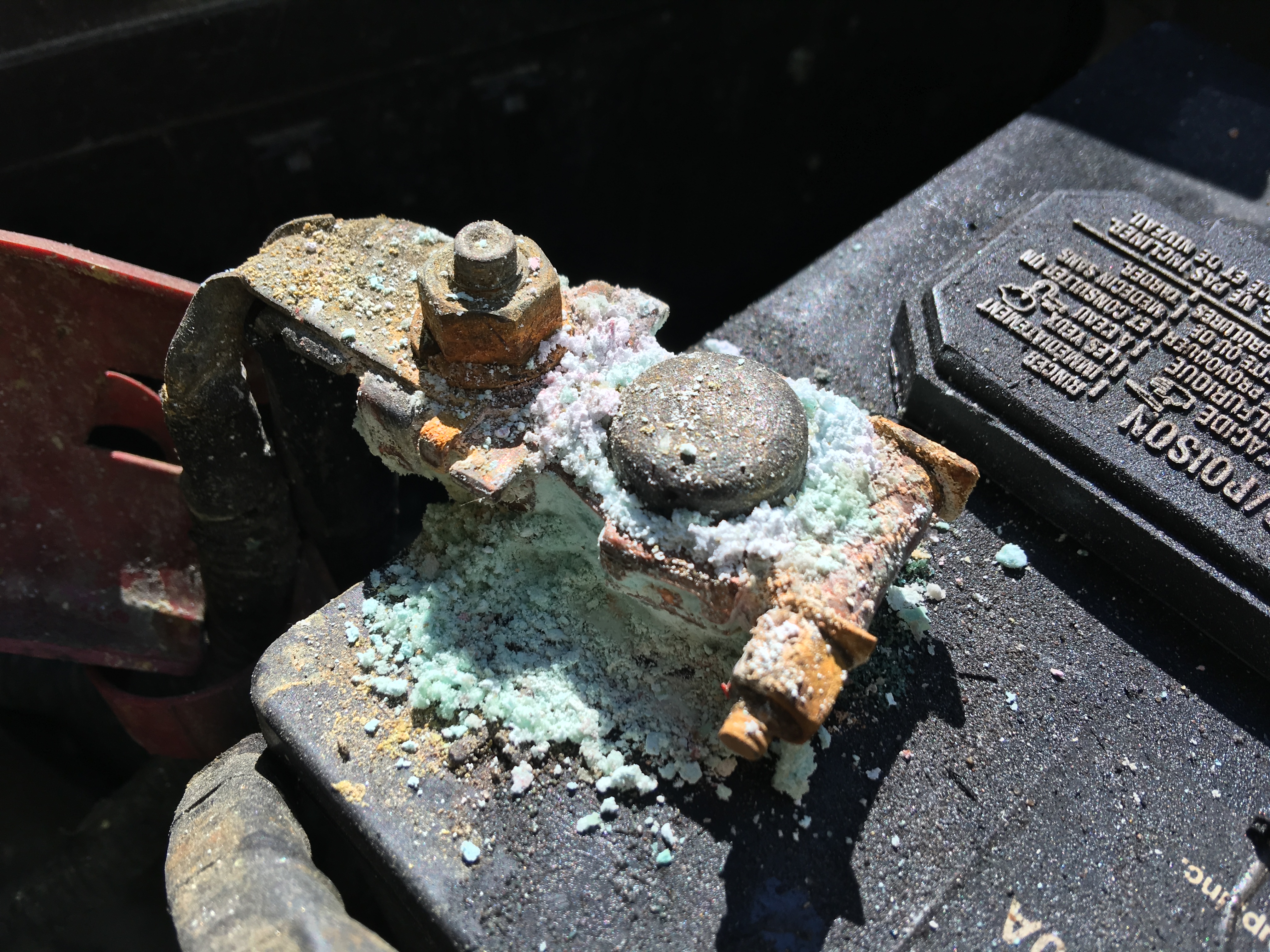
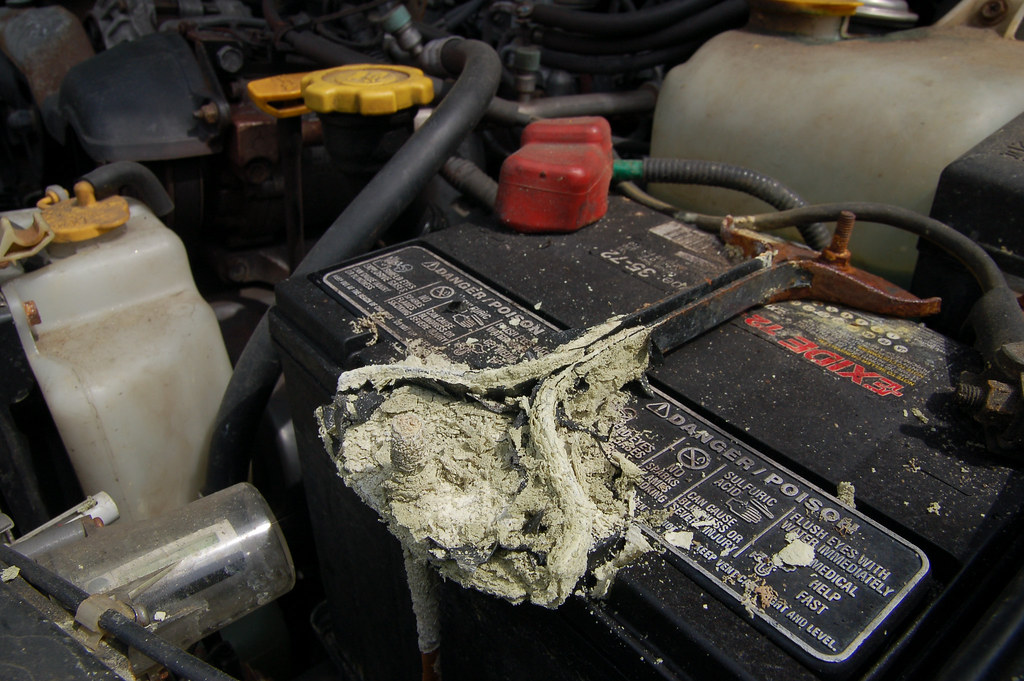
When a battery starts to corrode, the visual signs are pretty distinct. The most common appearance is a powdery, crusty buildup right where the cable meets the terminal post. This buildup can be white, light blue, greenish, or even a grayish-brown color depending on the type of corrosion and the metals involved.
You might also notice a fuzzy or crystalline texture, almost like fine salt or baking soda that has hardened in place. In more advanced cases, the corrosion spreads beyond the terminal and creeps along the battery cable, leaving a chalky residue on the metal connectors and nearby surfaces.
Sometimes the corrosion is not just dry and powdery. If moisture is present, it can look damp or slightly wet, almost like a dried-up paste. I have personally seen batteries where the corrosion formed a thick ring around the base of the terminal, making it look like the battery was growing a fuzzy white collar. That is usually a sign the issue has been building for a while.
Common Colors of Battery Corrosion and What They Mean
The color of the corrosion can give you a clue about what is happening inside the battery. Here is what I have observed over the years:
- White or light gray powder: This is the most common type and usually means the battery is venting hydrogen gas, which reacts with the surrounding air and moisture.
- Blue or greenish deposits: These often point to copper sulfate, which forms when the copper in your battery cables reacts with battery acid vapors.
- Brown or dark crust: This can indicate severe corrosion mixed with dirt and grime, often a sign of a leaking battery or loose terminal connection.
- Pink or reddish residue: Less common, but it can appear if there is iron contamination from rusted brackets or hardware.
In my experience, blue-green corrosion is one of the sneakiest types because it often hides underneath the cable boot. You might think your battery looks fine from the outside, but once you peel back the rubber cover, the terminal is practically eaten away.
Where Corrosion Typically Appears on a Battery
Corrosion does not just show up in one spot. It tends to form in predictable areas, and knowing these spots can help you catch problems early.
- Terminal posts: The most obvious location, where the positive and negative cables connect to the battery.
- Cable ends: The inside of the battery cable clamps can corrode even if the outside looks clean.
- Battery hold-down bracket: The metal bracket that secures the battery in place can rust and corrode from battery acid vapors.
- Vent caps: On older batteries with removable caps, corrosion can build up around the cap edges.
- Battery tray: The tray or pan underneath the battery often shows signs of corrosion drips or stains.
I remember helping a friend with a car that would not start on cold mornings. The terminals looked slightly dirty but nothing dramatic. When I finally removed the battery, the entire tray underneath was coated in a thick layer of white and blue corrosion. The battery had been leaking acid vapor for months, and we never noticed because we never looked underneath.
Why Car Batteries Corrode in the First Place
Understanding why corrosion happens makes it easier to prevent and address. Here are the main causes I have come across in my experience:
- Hydrogen gas venting: As a battery charges and discharges, it releases hydrogen gas. When this gas reacts with moisture and other elements, it forms corrosive acids on the terminals.
- Overcharging: A faulty voltage regulator or alternator can push too much current into the battery, causing it to overheat and vent more gas than normal.
- Electrolyte leakage: If the battery casing is cracked or the seals are worn, battery acid can leak out and corrode anything it touches.
- Loose terminal connections: When terminals are not tight, small sparks and heat can accelerate corrosion buildup.
- Age: Older batteries simply break down over time, and corrosion is a natural part of that aging process.
- Extreme temperatures: Both hot summers and freezing winters can speed up chemical reactions inside the battery, leading to faster corrosion.
I learned the hard way that overcharging is one of the sneakiest causes. My own truck had a failing alternator once, and within a few months, the battery terminals were covered in thick white powder. Replacing the alternator solved the problem for good.
Signs Your Car Battery Is Corroded Beyond Just Looks
Corrosion does not just affect appearances. It can cause real problems with how your car runs. Here are some signs that corrosion is affecting your battery performance:
- Slow engine cranking: The starter motor turns over slowly, especially in cold weather.
- Flickering headlights: Lights dim or flicker, particularly when the engine is idling.
- Clicking sound when turning the key: A sign the battery does not have enough power to engage the starter.
- Electrical issues: Power windows, radio, or dashboard lights behaving erratically.
- Battery warning light: The battery or check engine light stays on while driving.
- Swollen battery case: A sign of internal damage often linked to overcharging and corrosion.
If you notice any of these along with visible corrosion, the battery is likely struggling to do its job. In my experience, addressing corrosion early can extend battery life by months, sometimes even a year or more.
How to Safely Check a Corroded Battery
Before you touch anything, safety matters. Battery corrosion is acidic and can irritate your skin and eyes. Here is the safe approach I always follow:
- Wear gloves and safety glasses before inspecting the battery.
- Make sure the engine is off and the keys are out of the ignition.
- Look for the powdery buildup, especially around the terminals and cable connections.
- Gently wiggle the cables to check for looseness, which often goes hand in hand with corrosion.
- Smell for a strong sulfur or rotten egg odor, which can indicate a leaking battery.
- Check the battery case for cracks, bulges, or wet spots.
I have made the mistake of touching corrosion with bare hands early in my automotive journey, and I can tell you it is not pleasant. The acid can cause irritation and even mild burns if left on the skin. Always protect yourself first.
How to Clean a Corroded Car Battery the Right Way
Cleaning corrosion is not hard, but doing it the right way makes a big difference. Here is the simple method I have used dozens of times:
- Disconnect the negative cable first, then the positive cable. This prevents accidental short circuits.
- Mix a small amount of baking soda with water to create a paste or use a commercial battery cleaner.
- Apply the mixture to the corroded areas and let it bubble for a minute or two.
- Use an old toothbrush or a wire brush to scrub away the buildup.
- Rinse with clean water and dry everything thoroughly with a rag.
- Reconnect the positive cable first, then the negative cable, and tighten them snugly.
- Apply a thin layer of petroleum jelly or terminal protectant to help prevent future corrosion.
One personal tip: do not over-tighten the terminals. I have seen people strip the bolts trying to get them extra tight, which only leads to bigger problems down the road. Snug is enough.
Can You Drive With a Corroded Battery?
You can, but it is not a great idea for long. Corrosion increases electrical resistance, which means your battery and alternator have to work harder. This can lead to poor charging, random electrical gremlins, and eventually a dead battery at the worst possible time.
If you need to drive a short distance to get to a shop, that is usually fine. But I always recommend cleaning or replacing the battery as soon as possible. I once drove a car with mild terminal corrosion for a few weeks, thinking it was no big deal. Then one freezing morning, the car would not start at all, and I ended up needing a tow. Lesson learned.
How to Prevent Battery Corrosion From Coming Back
Once you have cleaned your battery, a few simple habits can keep corrosion from returning:
- Keep the battery and terminals clean and dry.
- Make sure the terminals are tight but not over-tightened.
- Check the charging system regularly to avoid overcharging.
- Park in a garage or shaded area when possible to reduce temperature swings.
- Use terminal protectors or anti-corrosion washers.
- Have the battery tested once a year, especially before winter.
From my own experience, applying a thin layer of petroleum jelly after cleaning is one of the cheapest and most effective tricks. It creates a barrier that keeps moisture and acid vapors from reaching the metal.
When to Replace a Corroded Battery Instead of Cleaning It
Sometimes cleaning is not enough. Here are signs it is time for a new battery:
- The battery is more than four or five years old.
- The corrosion keeps coming back quickly after cleaning.
- The battery case is cracked, swollen, or leaking.
- The battery struggles to hold a charge even after cleaning.
- You see heavy blue-green corrosion that has eaten into the metal terminals.
I have had batteries that I cleaned three or four times in a year, only to find out the battery itself was failing. Once the internal chemistry breaks down, no amount of cleaning will fix the underlying problem. If your battery is old and the corrosion is persistent, replacement is usually the smarter move.
Real-World Lessons From Dealing With Corroded Batteries
Over the years, I have learned that battery corrosion is one of those small things that can cause huge headaches if ignored. The biggest lesson is to make battery inspection part of your regular car care routine. It takes less than five minutes to pop the hood, take a look at the terminals, and make sure everything looks clean and tight.
Another lesson is not to assume a battery is fine just because the car starts. Corrosion can build up slowly, and by the time the car refuses to start, the damage is already done. A little preventive care goes a long way.
I have also learned that not all corrosion is the same. White powder is usually just venting and easy to clean. But blue-green corrosion often means acid is actively reacting with the copper in your cables, which can permanently damage the connectors. Catching it early can save you from buying new cables too.
Frequently Asked Questions
What color is corrosion on a car battery?
Corrosion on a car battery is most often white, light gray, or blue-green. White powder usually means normal hydrogen gas venting, while blue-green deposits indicate copper sulfate from the battery cables reacting with acid vapors.
Is a corroded battery still good?
A corroded battery can still work if the buildup is minor and cleaned off, but heavy or recurring corrosion often signals an aging or failing battery. Cleaning can buy time, but replacement is usually needed if the battery is old or damaged.
Can corroded battery terminals cause a car not to start?
Yes, corroded terminals increase electrical resistance and can prevent enough current from reaching the starter. This often causes slow cranking, clicking sounds, or a no-start condition, especially in cold weather.
Is battery corrosion dangerous?
Battery corrosion is mildly acidic and can irritate skin and eyes. It can also damage paint, clothing, and metal parts if left untreated. Wearing gloves and eye protection while cleaning is strongly recommended.
How often should I check my car battery for corrosion?
It is a good idea to visually inspect your battery every two to three months, especially before and after extreme weather seasons. A quick look at the terminals and cables can help you catch corrosion early.

Conclusion
Battery corrosion is one of those things that is easy to overlook until your car leaves you stranded. Knowing what a corroded car battery looks like, from the white powdery buildup to the blue-green crust on the terminals, gives you a head start on fixing the problem before it grows. With a little regular attention, basic safety gear, and simple cleaning habits, you can keep your battery connections strong and your car starting reliably. If you have spotted corrosion on your battery, take a few minutes this week to inspect it, clean it if needed, and decide whether it is time for a replacement. Your future self, standing in a parking lot on a cold morning, will thank you.