Most car batteries last between three and five years, though some can reach six or even seven with proper care. If you've ever been stranded with a dead battery on a cold morning, you already know how important this little box of power really is. Let me walk you through everything I've learned over years of dealing with car batteries, so you can avoid that dreaded click-click-click when you turn the key.
I've replaced more batteries than I can count, helped friends jump-start their cars in parking lots, and even taught my teenage nephew how to check battery health. Trust me, understanding battery lifespan isn't just about knowing when to replace it. It's about saving money, avoiding breakdowns, and keeping your car reliable for years to come.
What Is a Car Battery and Why Does It Matter?
A car battery is the heart of your vehicle's electrical system. It provides the burst of energy needed to start your engine and powers all the electronics when the engine isn't running. Without a healthy battery, your car is just a very expensive paperweight.
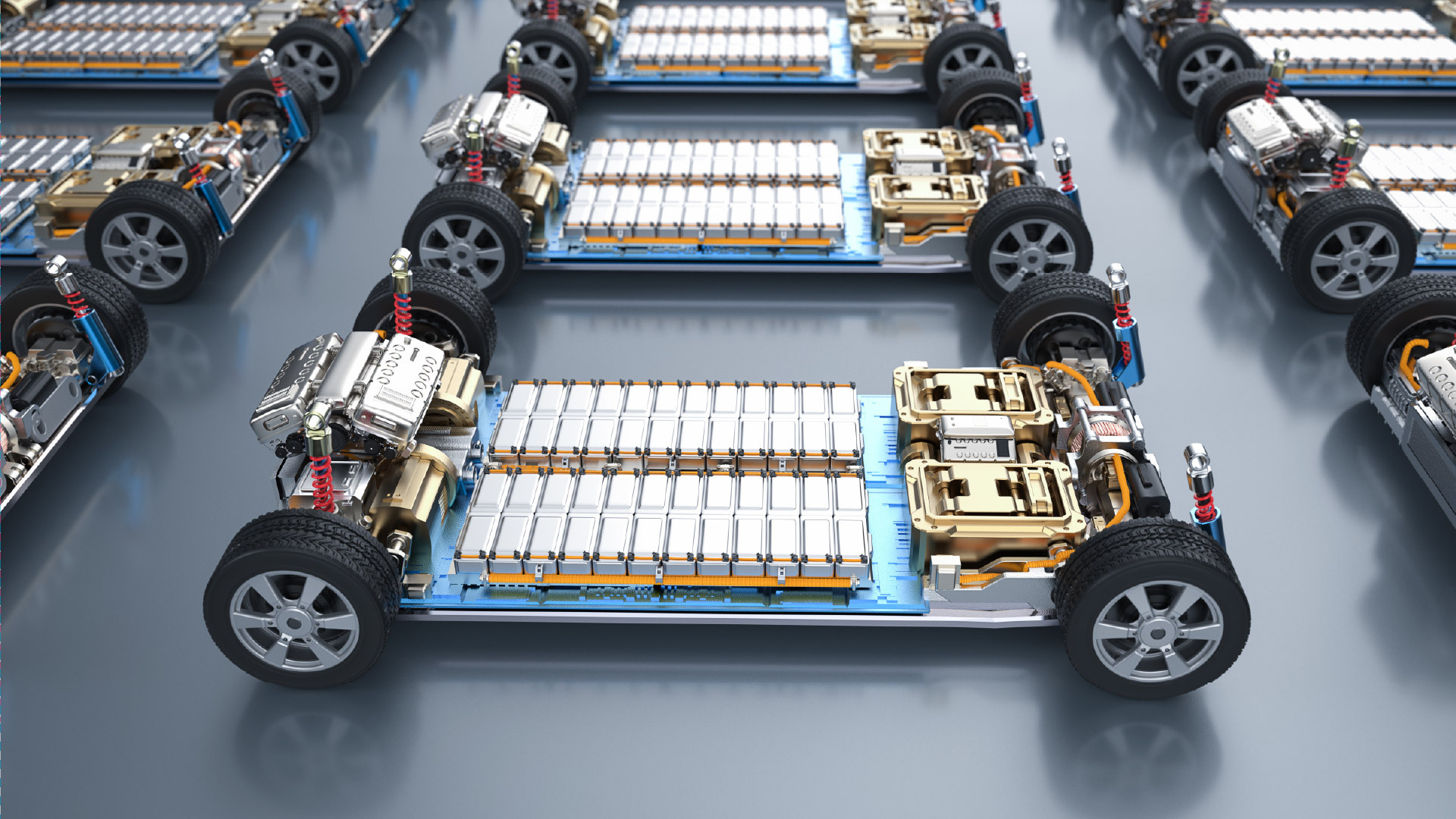
Most cars today use lead-acid batteries, though hybrid and electric vehicles rely on lithium-ion packs that can last much longer. For traditional gas-powered vehicles, the standard 12-volt battery does the heavy lifting every single day.
How Long Does the Average Car Battery Actually Last?
The average lifespan of a car battery falls somewhere between three and five years. Some batteries push past five years, while others give up after just two. The lifespan depends on several factors, including climate, driving habits, and maintenance.
In my own experience, batteries in cooler climates tend to last longer than those in extreme heat. Heat speeds up the chemical reactions inside the battery, which sounds good but actually shortens its life by causing faster internal corrosion.

Factors That Affect Car Battery Lifespan
Climate and Weather Conditions
Extreme temperatures are a battery's worst enemy. Hot summers cause the fluid inside to evaporate, while freezing winters reduce the battery's cranking power. If you live somewhere with harsh weather, expect to replace your battery more often.
Driving Habits
Short trips are particularly hard on batteries. Your alternator needs at least 20 minutes of driving to fully recharge the battery. If you're constantly making quick trips to the grocery store, your battery never gets a chance to fully recover.
Vehicle Type and Electrical Load
Modern cars are packed with electronics, from infotainment systems to heated seats and advanced safety features. All of these draw power, even when the engine is off. Luxury vehicles with more electronics often put extra strain on their batteries.
Maintenance and Care
A neglected battery will die young. Simple things like keeping the terminals clean and ensuring the battery is securely mounted can extend its life significantly.
Signs Your Battery Is Nearing the End
I've learned to recognize the warning signs before a battery completely fails. Here are the red flags to watch for:
- Slow engine crank when you turn the key
- Dim headlights or interior lights
- The battery warning light appears on your dashboard
– A swollen or bloated battery case - A rotten egg smell coming from under the hood
- Needing frequent jump starts
- Electronics acting strangely or resetting
Different Types of Car Batteries and Their Lifespans
Not all batteries are created equal. Here's a quick breakdown of the most common types:
Lead-Acid Batteries
The traditional choice and most affordable option. Expect 3-5 years with proper care.
AGM (Absorbent Glass Mat) Batteries
These premium batteries handle vibration better and last slightly longer, typically 4-6 years. Many newer vehicles with start-stop technology require AGM batteries.
Lithium-Ion Batteries
Found in hybrid and electric vehicles, these can last 8-10 years or more, though they cost significantly more to replace.
Tips to Extend Your Car Battery's Lifespan
Over the years, I've picked up several habits that have helped my batteries go the distance:
- Drive your car regularly and for longer distances when possible
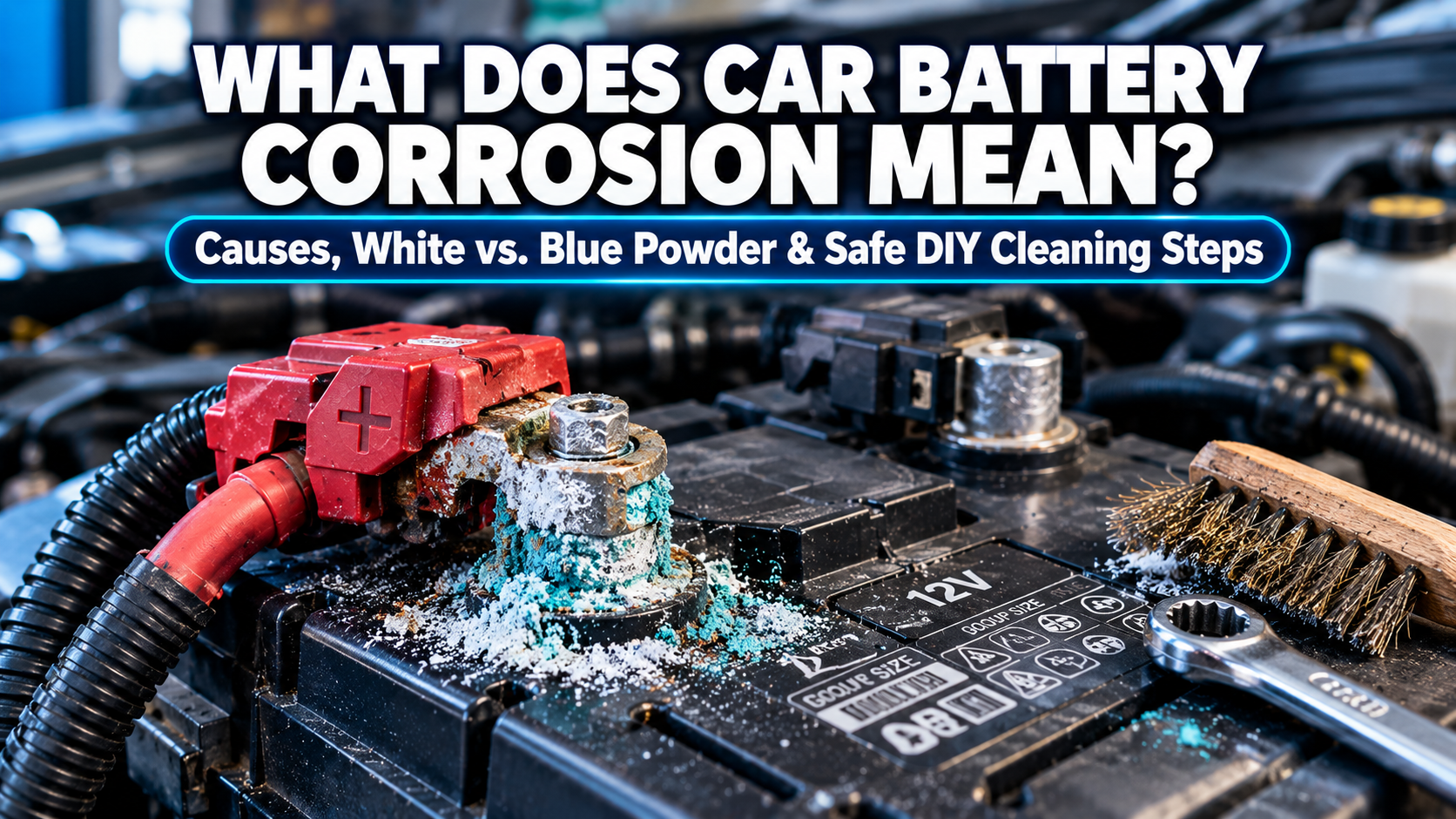
- Keep the battery terminals clean and free of corrosion
- Make sure the battery is securely fastened to prevent vibration damage
- Avoid leaving electronics on when the engine is off
- Park in a garage or shaded area during extreme heat
- Have your charging system checked annually
- Consider a battery maintainer if you don't drive often
- Test your battery after the three-year mark
Common Mistakes That Kill Batteries Faster
I made some of these mistakes myself early on, and they cost me time and money. Learn from my errors:
- Ignoring the battery until it completely dies
- Letting the car sit unused for weeks at a time
- Adding tap water instead of distilled water to serviceable batteries
- Skipping regular inspections
- Assuming a new battery doesn't need testing
- Jump-starting incorrectly and damaging the electrical system

When to Replace Your Battery
Don't wait for your battery to die completely. That almost always happens at the worst possible time. I recommend getting your battery tested once it hits the three-year mark. Most auto parts stores offer free testing, and it takes less than five minutes.
If the test shows your battery is losing capacity, replace it on your schedule rather than waiting for a breakdown. A new battery typically costs between $100 and $250, which is far cheaper than a tow truck or being late to an important meeting.
The Cost of Ignoring Battery Health
A dead battery doesn't just leave you stranded. It can also damage other electrical components in your car. I've seen cases where a failing battery caused issues with alternators, starters, and sensitive computer modules. Replacing those parts costs hundreds or even thousands of dollars.
Think of your battery as an investment. Spending a little time and money on maintenance now saves you from bigger headaches down the road.
How to Choose the Right Replacement Battery
When it's time for a new battery, don't just grab the cheapest option. Consider these factors:
- Match the battery type to your vehicle's specifications
- Check the cold cranking amps (CCA) rating for your climate
- Look at the warranty length
- Choose a reputable brand
- Have it professionally installed if you're not comfortable doing it yourself
Frequently Asked Questions
How do I know if my car battery is dying?
The most common signs include slow engine cranking, dim lights, dashboard warning indicators, and the need for frequent jump starts. If your battery is over three years old and showing any of these symptoms, get it tested immediately.
Can a car battery last 10 years?
While rare, some batteries can last up to 10 years under ideal conditions. However, this is the exception rather than the rule. Most batteries need replacement between three and five years.
Does driving a car charge the battery?
Yes, your alternator charges the battery while the engine runs. However, short trips don't provide enough time for a full charge. Longer drives of at least 20-30 minutes are better for battery health.
What kills a car battery the fastest?
Extreme heat, frequent short trips, leaving electronics on, and lack of maintenance all shorten battery life. Heat is particularly damaging and is the number one cause of premature battery failure in most regions.
Is it worth buying a more expensive battery?
Premium batteries with longer warranties often provide better performance and last longer. If you plan to keep your car for several years, investing in a quality battery usually pays off in reliability and peace of mind.
Final Thoughts
Your car battery is one of those things you don't think about until it fails. But with a little knowledge and attention, you can avoid the inconvenience and expense of unexpected failures.
Remember, the average lifespan of a car battery is three to five years, but that range can stretch or shrink based on how you treat it. Simple habits like regular testing, keeping terminals clean, and avoiding excessive short trips can add months or even years to your battery's life.
Don't wait until the day your car won't start. Take a few minutes this week to pop the hood, inspect your battery, and schedule a test if it's been a while. Your future self will thank you the next time you're running late and need your car to start on the first try.
Have a battery story to share or a question I didn't cover? Drop a comment below, and let's keep the conversation going.