A dead car battery usually needs a jump start, a portable charger, or a replacement to get you moving again. Knowing what to do when your car battery dies saves you time, stress, and money.
Picture this: you're rushing to work, you hop in your car, turn the key, and all you hear is a faint click or worse, nothing at all. Your heart sinks a little because a dead battery always seems to happen at the worst possible moment. I've been there more times than I'd like to admit, standing in a grocery store parking lot at 9 PM, wishing I had paid attention to the signs my battery was giving me. The good news is that a dead car battery is rarely a disaster if you know the right steps to take. With over a decade of hands-on experience helping drivers deal with roadside breakdowns, battery replacements, and emergency jump starts, I've learned exactly what works, what doesn't, and what can actually make things worse. This guide walks you through everything you need to know to handle a dead battery safely and confidently, whether you're at home, at work, or stranded somewhere far from a mechanic.
Signs Your Car Battery Is About to Die
Before your battery completely gives up, it usually sends out warning signals. Paying attention to these signs can help you avoid getting stranded in the first place.
- Slow engine crank when you turn the key
- Dim headlights or interior lights
- Clicking sound when trying to start the car
- Dashboard battery warning light stays on
- Electrical accessories acting weird, like power windows moving slowly
- Swollen or bloated battery case
- Sulfur or rotten egg smell near the battery
I remember once ignoring a slow crank for almost a week because I thought it was just the cold weather. Sure enough, my battery died in a Walmart parking lot the next morning. Trust me, those early signs matter more than you think.

What to Do Right Away When Your Car Battery Dies
When your car battery dies, your immediate goal is to get the car started safely without damaging the electrical system. There are a few proven methods you can try, and the best one depends on your situation.
Try a Jump Start with Another Vehicle
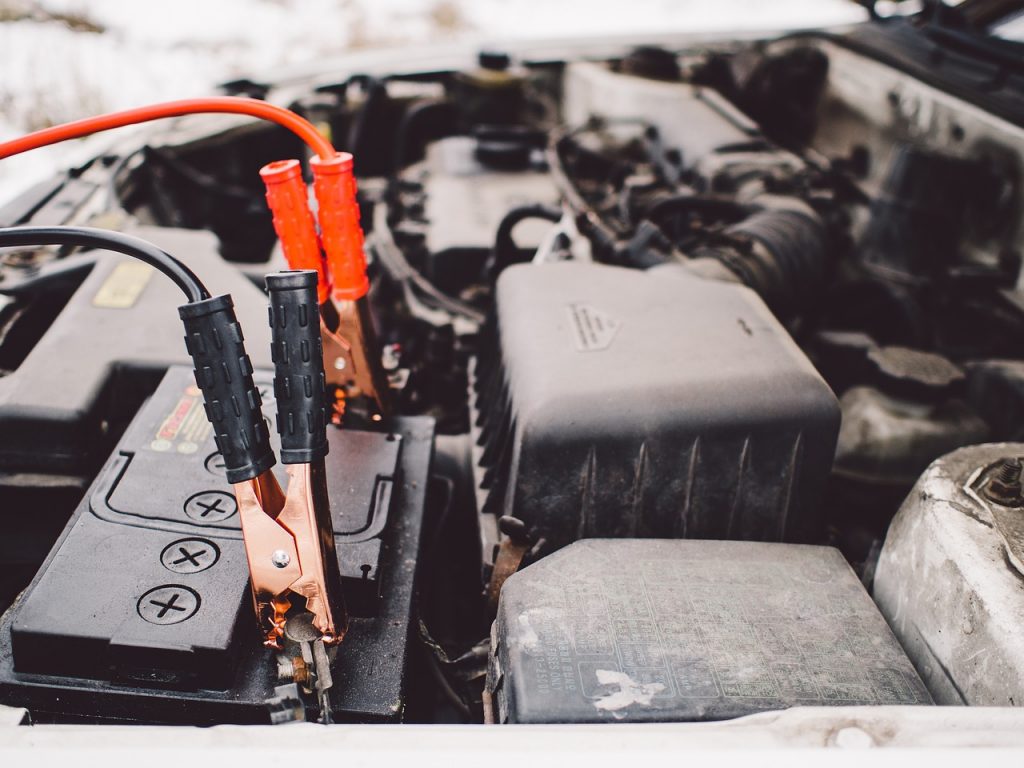
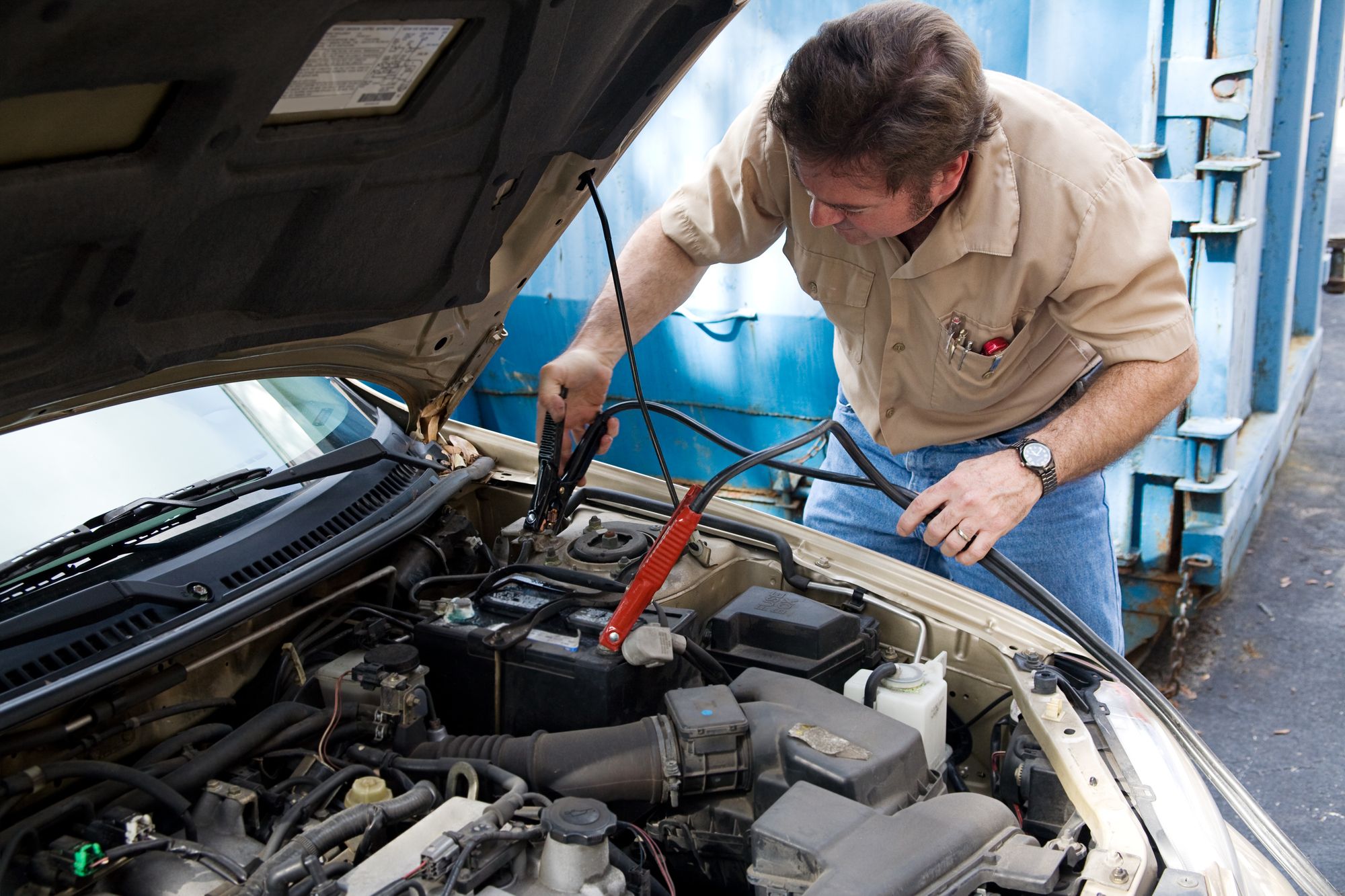
Jump starting is the fastest and most common way to bring a dead battery back to life. You'll need jumper cables and another running vehicle with a healthy battery.
- Park the working vehicle close to your car but make sure the cars don't touch
- Turn both cars off and open the hoods
- Connect the red positive cable to the positive terminal on the dead battery
- Connect the other end of the red cable to the positive terminal on the good battery
- Connect the black negative cable to the negative terminal on the good battery
- Connect the other end of the black cable to an unpainted metal surface on your car, away from the battery
- Start the working car and let it run for a few minutes
- Try starting your car
- Once started, remove the cables in reverse order
A jump start feels almost magical when it works, but safety comes first. Never connect the negative cable directly to the dead battery because it can spark and cause serious damage.
Use a Portable Battery Booster
A portable battery booster is a lifesaver when you're alone and there's no other car around. These compact devices store enough power to jump start your vehicle without needing a second car
- Make sure the booster is fully charged
- Connect the booster clamps to your battery terminals, red to positive and black to negative
- Turn on the booster
- Try starting your car
- Once running, disconnect and store it properly
I keep a portable booster in my trunk at all times now. It's one of those small investments that gives you huge peace of mind.
Push Start a Manual Transmission Car
If you drive a manual car and you have a friend or two nearby, push starting can get you rolling.
- Turn the ignition to on
- Put the car in second gear
- Press the clutch while your friends push the car
- Once you gain some speed, release the clutch quickly
- The engine should turn over and start
This trick doesn't work on automatic cars, so keep that in mind. It also requires a bit of space and some muscle power.
Calling for Roadside Assistance
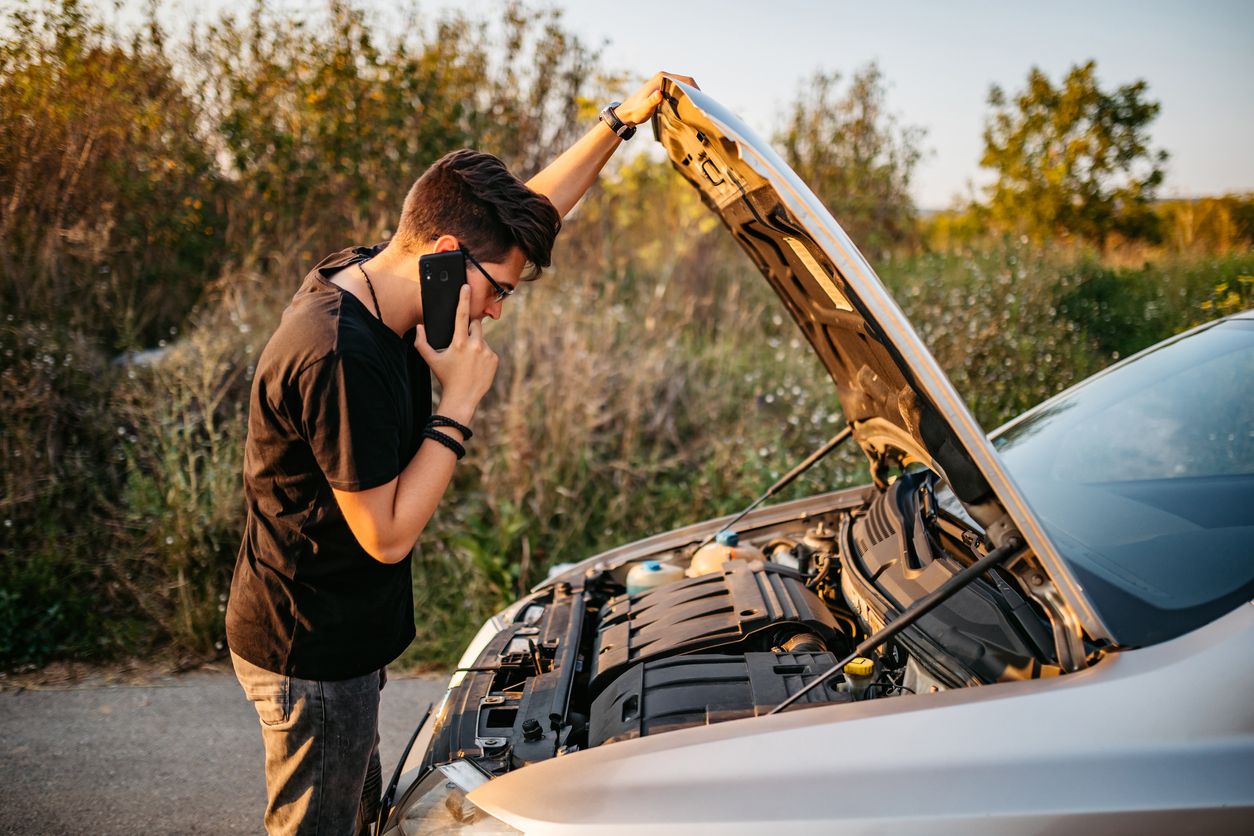
Sometimes the safest and smartest move is to call for help. Professional roadside assistance services can jump start your car, test your battery, or even tow you to a mechanic if needed.
- Call your insurance provider if you have roadside coverage
- Use apps like AAA, Honk, or your car manufacturer's service app
- Have your location ready, including street names or landmarks
- Stay safe while waiting, ideally inside a locked car if you're on a busy road
There's no shame in calling for help. In fact, sometimes it's the smartest thing to do, especially if you're unsure about handling jumper cables or your battery looks damaged or swollen.
How to Safely Replace a Dead Car Battery
If your battery is old or won't hold a charge, replacement is your best long-term fix. Most car batteries last between 3 and 5 years depending on climate, driving habits, and vehicle type.
- Turn off the car and remove the keys
- Locate the battery, usually under the hood but sometimes in the trunk or under the rear seat
- Disconnect the negative terminal first, then the positive
- Remove the hold-down clamp or bracket
- Lift out the old battery carefully since they are heavy
- Clean the terminal connectors with a wire brush
- Place the new battery in the tray
- Reconnect the positive terminal first, then the negative
- Secure the hold-down clamp
- Start your car to test the new battery
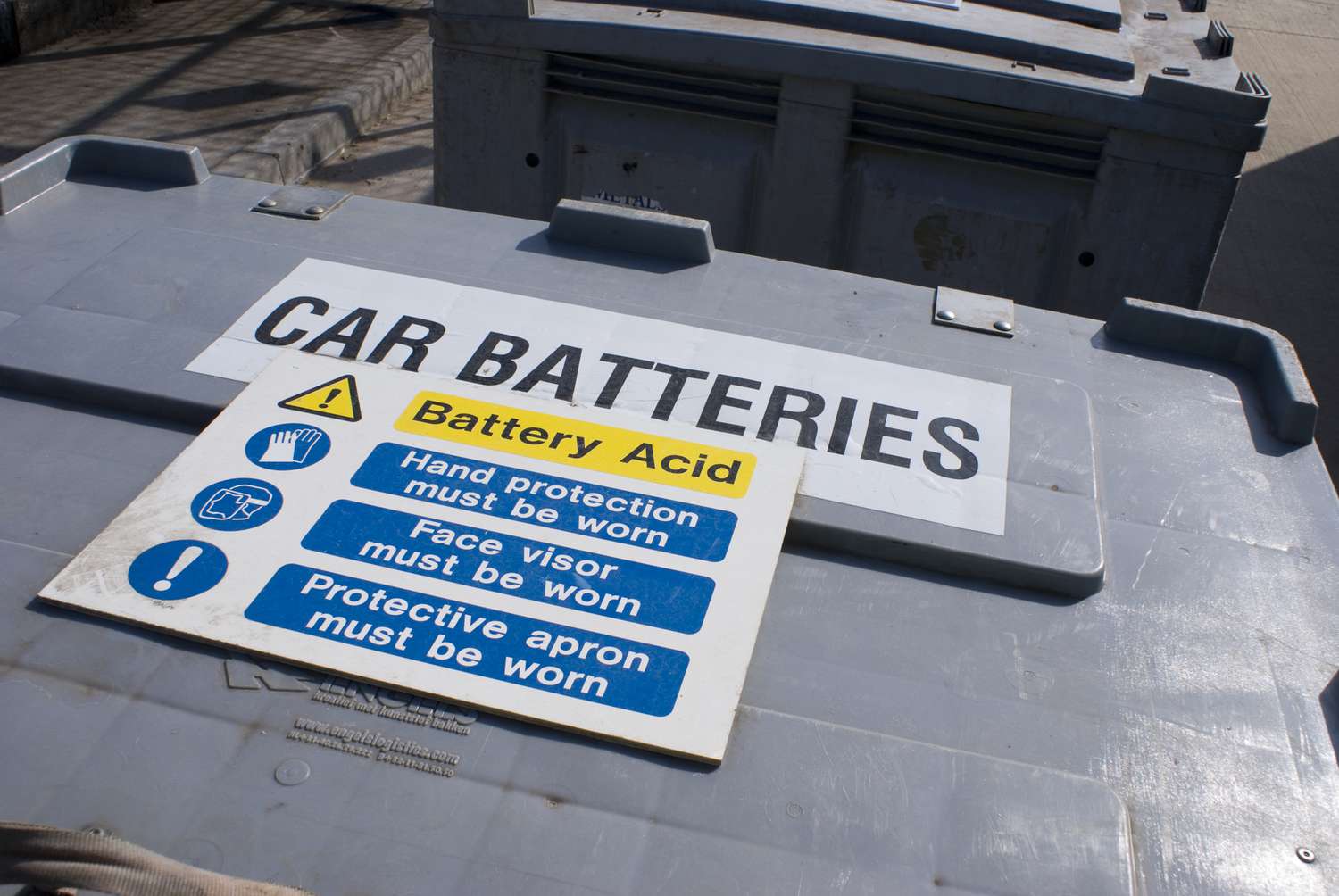
Replacing a battery is one of the simplest DIY car tasks, but always wear gloves and eye protection. Battery acid is no joke and can cause burns.

How to Prevent Your Car Battery from Dying Again
Once you've dealt with a dead battery, the last thing you want is to go through it again. A few simple habits can keep your battery healthy for years.
- Drive your car regularly, especially if you don't use it daily
- Avoid short trips that don't give the battery enough time to recharge
- Turn off all lights and accessories before shutting off the engine
- Keep the battery terminals clean and free of corrosion
- Have your battery tested during routine oil changes
- Disconnect the battery if you plan to store your car for weeks
- Consider using a battery maintainer for long-term storage
I started testing my battery twice a year after my third dead battery incident, and I haven't had one since. A little prevention goes a long way.
Common Mistakes to Avoid with a Dead Battery
Even experienced drivers make errors when handling a dead battery. Avoiding these common mistakes can protect both you and your car.
- Reversing the jumper cable connections, which can fry your electrical system
- Smoking near a battery or creating sparks around it
- Ignoring a battery warning light on the dashboard
- Assuming a jump start means the battery is fine
- Using cheap or damaged jumper cables
- Touching both terminals with metal objects, which can cause a dangerous short
A simple mistake with jumper cables can cost hundreds of dollars in electrical repairs. Always double-check the connections before starting anything.
Tools You Should Keep in Your Car for Battery Emergencies
Being prepared makes a dead battery situation a minor inconvenience instead of a major disaster.
- A quality set of jumper cables at least 10 feet long
- A portable battery booster with USB ports
- A pair of work gloves
- A small wire brush for cleaning terminals
- A flashlight or headlamp for night emergencies
- A basic tool kit with a wrench for terminal bolts
- Reflective triangles or flares for safety
I upgraded my roadside kit last year with a compact lithium-ion booster, and it's been a game-changer. It fits in my glove box and has enough juice to start my truck twice on a single charge.
When to See a Mechanic About Battery Problems
Sometimes a dead battery points to a bigger issue. If your battery keeps dying, it's time to dig deeper.
- Alternator problems can prevent the battery from charging
- Parasitic drains from faulty electronics can kill a battery overnight
- Corroded or loose battery cables can cause charging failures
- A bad voltage regulator can overcharge or undercharge the system
A professional mechanic can run a full charging system test in minutes. It's usually quick, affordable, and gives you real answers instead of guessing.

How Weather Affects Car Battery Life
Extreme temperatures are one of the biggest battery killers, and most drivers don't realize it until it's too late.
- Cold weather slows the chemical reaction inside the battery, reducing cranking power
- Hot weather speeds up battery fluid evaporation, leading to internal damage
- Dramatic temperature swings cause expansion and contraction that weaken internal components
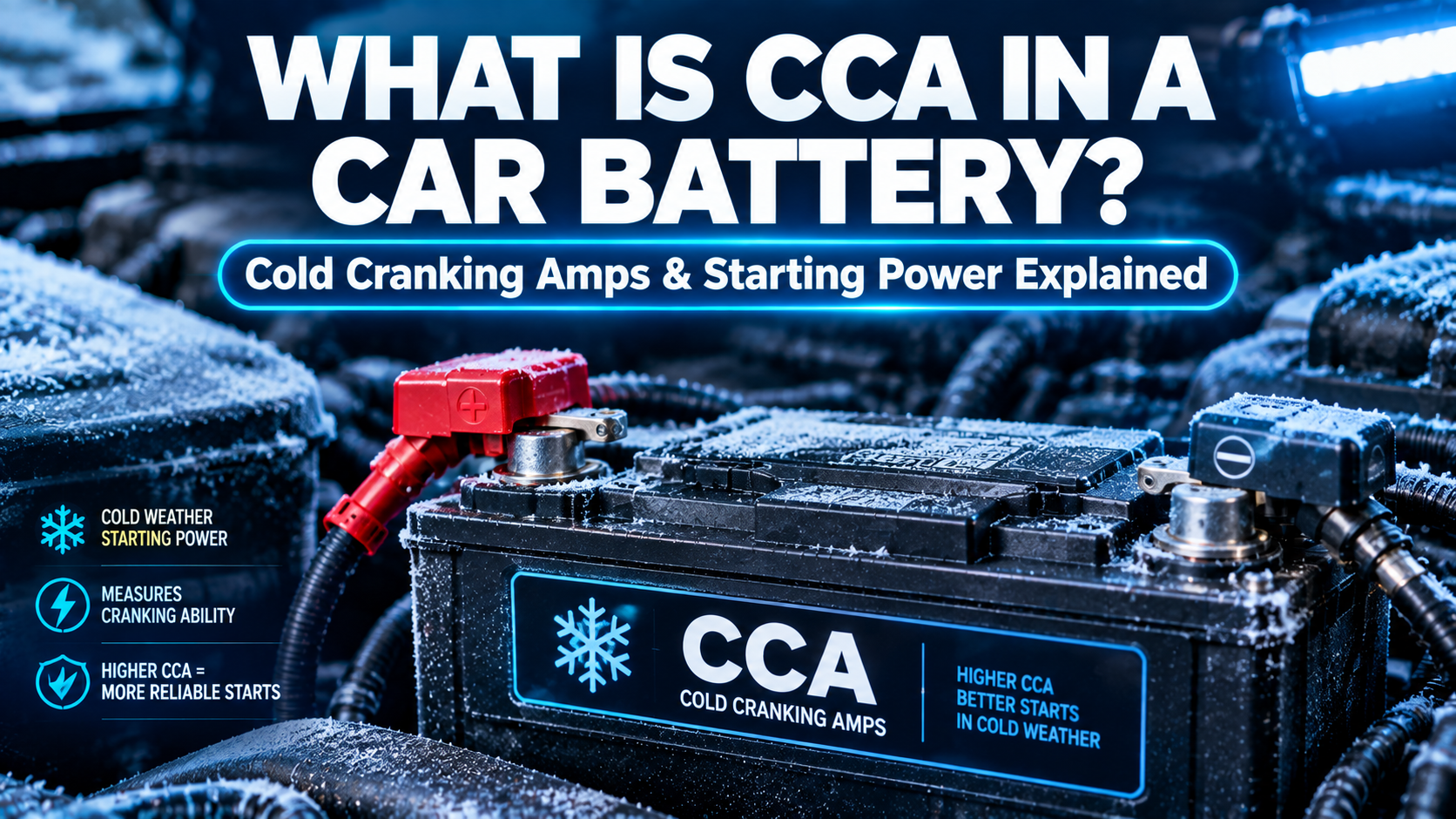
If you live somewhere with harsh winters or scorching summers, consider a battery with the right Cold Cranking Amps and reserve capacity for your climate. I learned this the hard way after losing two batteries in one summer in Arizona.
Frequently Asked Questions About a Dead Car Battery
How long does it take to jump start a dead car battery?
A jump start usually takes about 5 to 10 minutes once the cables are properly connected. Let the working car idle for a few minutes before trying to start yours.
Can a dead car battery recharge by itself?
A car battery cannot recharge itself. It needs the alternator while driving or an external charger. Short drives often don't provide enough charging time.
How do I know if my battery is dead or just discharged?
A dead battery won't hold a charge even after a jump, while a discharged battery will start right up and stay running. A mechanic can test the difference quickly.
Is it safe to drive with a dead battery?
No, you should not drive with a dead battery. Your alternator relies on the battery, and without it, the electrical system can fail and leave you stranded.
How much does it cost to replace a car battery?
A standard car battery replacement typically costs between 75 and 200 dollars, depending on the brand, type, and warranty. Premium or AGM batteries cost more.
Wrapping Up Your Dead Battery Survival Guide
Dealing with a dead car battery is one of those life skills every driver should have. From spotting early warning signs to safely jump starting or replacing your battery, knowing the right steps turns a stressful situation into a manageable one. I hope this guide helps you feel more confident and prepared the next time your battery decides to call it quits. If you found this helpful, share it with a friend, bookmark it for emergencies, or drop a comment with your own battery story. Safe driving starts with being ready for anything, and a little knowledge today can save you a lot of frustration tomorrow.