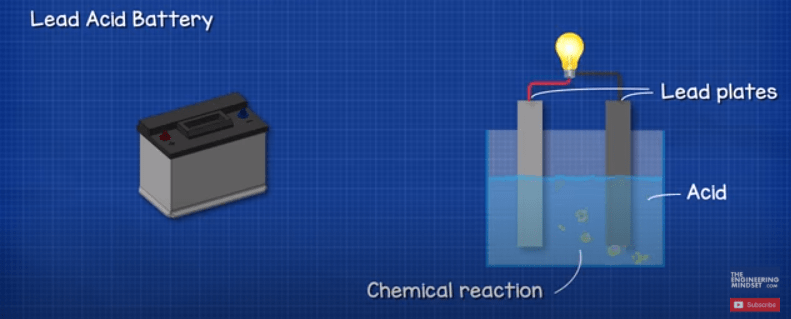
A car battery is made of lead plates, sulfuric acid electrolyte, a plastic case, and terminals that work together to store and deliver electrical power.
Most people never think about what is happening under the hood until their car refuses to start. That small black box might look simple, but it is actually a carefully engineered piece of chemistry. I have worked with batteries for years, and every time I open one up, I am reminded of how much science goes into something so common. If you have ever wondered what is inside a car battery, why it weighs so much, or what makes it work, you are in the right place. By the end of this guide, you will understand every part, every material, and every reaction that keeps your engine running.

The Core Chemistry Behind a Car Battery
At the heart of every standard car battery is a simple but powerful chemical reaction. It is a lead-acid battery, which means it uses lead and acid to create electricity. This design has been around for over 150 years, and it is still the most trusted technology for starting vehicles.
Lead Plates: The Power Producers
Inside the battery, you will find multiple lead plates stacked in alternating groups. Some plates are made of pure lead, while others are coated with lead dioxide. The difference in materials between these plates is what creates the electrical charge.
- Positive plates are coated with lead dioxide.
- Negative plates are made of sponge lead.
- Each plate is thin and flat to maximize surface area.
- More surface area means more power output.
When I first handled a battery plate, I was surprised at how soft the lead felt. It is not the hard, shiny metal you might picture. It is dense, heavy, and surprisingly fragile if you bend it.
Sulfuric Acid Electrolyte: The Energy Carrier
The plates sit in a liquid or gel called sulfuric acid electrolyte, which is a mix of sulfuric acid and water. This liquid is what allows ions to move between them, creating the flow of electricity.
- It is roughly 35% sulfuric acid and 65% water.
- The acid level must stay above the plates.
- It is highly corrosive and should never be touched.
- In maintenance-free batteries, the acid is sealed inside.
Think of it like a river flowing between two banks. The plates are the banks, and the acid is the river carrying the energy from one side to the other.
Separators: The Silent Protectors
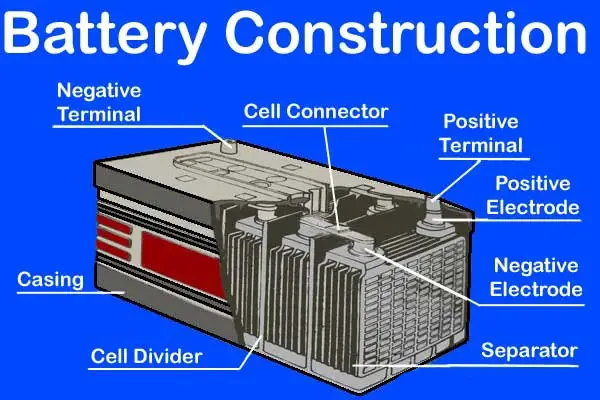
Between each positive and negative plate is a thin sheet called a separator. These are usually made of porous plastic or rubber.
- They keep the plates from touching and short-circuiting.
- They allow ions to pass through freely.
- They are designed to withstand extreme temperatures.
- They help extend the overall lifespan of the battery.
Without separators, the positive and negative plates would touch, causing the battery to fail instantly. It is one of those parts you never see but absolutely cannot do without.
The Physical Structure of a Car Battery
The internal chemistry is only half the story. The outside of a battery is just as important, because it holds everything together safely and connects the battery to your car.
The Plastic Case
The outer shell of a car battery is made from tough polypropylene plastic. This material is chosen for a reason.
- It resists acid corrosion.
- It handles heat and cold without cracking.
- It is lightweight but strong.
- It insulates the internal components from outside contact.
I have dropped a battery case by accident before, and while it scuffed, it did not break. That kind of durability matters when something is bouncing through engine vibrations for years.
The Terminals: The Connection Points
On top of the battery, you will see two terminals, one positive and one negative. These are the points where the battery connects to your vehicle.
- The positive terminal is usually marked with a plus sign and red color.
- The negative terminal is marked with a minus sign and black color.
- They are typically made of lead or lead alloy.
- They deliver power to the starter, lights, and electronics.
When you jump-start a car, you are connecting cables to these exact points. They are small but critical for the entire electrical system.
The Vent Caps: Old vs. New Designs
Older batteries had small vent caps on top that allowed gases to escape and let you top up the acid. Modern maintenance-free batteries do not have removable caps.
- Traditional batteries needed regular water refills.
- Sealed batteries use a different design to reduce water loss.
- AGM and gel batteries are fully sealed and spill-proof.
- Vent caps are now mostly a thing of the past in consumer vehicles.
I remember my first car had a battery with caps I could pry off. It felt like opening a tiny chemistry lab. Today, most drivers never even see the inside of their battery.

Types of Car Batteries and What Makes Them Different
Not all car batteries are built the same way. The inside of a battery can change based on the type, and each design has its own strengths.
Flooded Lead-Acid Batteries
The most common type is the flooded lead-acid battery. This is the traditional design that has been used for decades.
- It contains liquid electrolyte.
- It is affordable and widely available.
- It may require occasional maintenance.
- It works well in most standard vehicles.
AGM Batteries
AGM stands for Absorbent Glass Mat. In these batteries, the electrolyte is held in fiberglass mats instead of flowing freely.
- They charge faster than flooded batteries.
- They handle deep discharges better.
- They are more resistant to vibration.
- They cost more but last longer in many cases.
Gel Batteries
In a gel battery, the electrolyte is mixed with silica to create a thick gel.
- They are spill-proof and can be mounted in any position.
- They work well in extreme temperatures.
- They are often used in motorcycles and specialty vehicles.
- They require special charging to avoid damage.
Lithium-Ion Car Batteries
Some modern and high-performance vehicles use lithium-ion batteries, especially in hybrid and electric cars.
- They are much lighter than lead-acid batteries.
- They store more energy in less space.
- They are more expensive to replace.
- They require advanced battery management systems.
From my own experience, AGM batteries have been the best upgrade for vehicles with start-stop technology. The extra cost pays off in smoother starts and longer life.

How the Materials Work Together to Start Your Car
It is one thing to know what is inside a battery. It is another to understand how all those parts come together to actually start a 3,000-pound vehicle.
The Chemical Process During Discharge
When you turn the key or press the start button, a chemical reaction begins inside the battery.
- The lead dioxide reacts with the sulfuric acid.
- The sponge lead also reacts with the acid.
- This creates lead sulfate on both plates.
- Electricity flows out through the terminals.
The energy released during this reaction is what turns your starter motor, lights up your dashboard, and powers all your electronics.
The Recharging Cycle
While the engine is running, the alternator recharges the battery.
- It reverses the chemical reaction.
- Lead sulfate is converted back into lead dioxide and sponge lead.
- The acid returns to its original strength.
- The battery is ready for the next start.
This cycle can happen over and over for years, as long as the battery stays healthy and the alternator works properly.
Why Batteries Eventually Die
Even the best battery will wear out over time. Here is why.
- Lead plates slowly corrode with use.
- Sulfation builds up when the battery sits unused.
- Extreme heat causes the acid to evaporate faster.
- Deep discharges damage the internal structure.
I have had batteries last five years and others die in less than two. Most of the time, it comes down to heat, usage patterns, and how well the charging system works.

Safety and Maintenance Tips From Real Experience
Working with car batteries is not dangerous if you respect them. But a little care goes a long way. Here are a few tips I have picked up from years of hands-on experience.
- Always wear gloves and eye protection when handling battery acid.
- Never lean over a battery while the engine is running.
- Keep the terminals clean and free of corrosion.
- Check the voltage regularly, especially before long trips.
- Avoid letting the battery fully discharge if possible.
One time I forgot to check a battery before a road trip, and it died in a parking lot after sitting for a week. Since then, I always keep a small voltage tester in my glove box. It is a simple habit that has saved me more than once.
Environmental Impact and Recycling
Car batteries are one of the most recycled products in the world. Almost every part can be reused.
- Lead is melted down and reformed into new plates.
- The plastic case is shredded and recycled into new products.
- The acid can be neutralized and turned into water or fertilizer.
- Recycling rates for lead-acid batteries exceed 95%.
When you replace a battery, always return the old one to a certified recycling center. It is a small step that makes a big difference for the environment.
Frequently Asked Questions
What is the main material inside a car battery?
The main materials are lead plates and sulfuric acid. Together they create the chemical reaction that produces electrical power.
Are car batteries full of acid?
Yes, they contain sulfuric acid mixed with water. In sealed batteries, the acid is absorbed in mats or gel instead of flowing freely.
Why are car batteries so heavy?
Lead is a very dense metal, and a typical battery contains several pounds of it. That weight is what gives the battery its power and stability.
Can a car battery explode?
Yes, if gases build up and there is a spark, a battery can explode. Always avoid open flames near a battery and never short the terminals.
How long does a car battery last?
Most car batteries last between three and five years. Climate, driving habits, and maintenance all affect the actual lifespan.
A Final Thought on What Powers Your Drive
Your vehicle's battery might be hidden under the hood, but it is the quiet hero behind every start, every headlight, and every radio song on your commute. Inside that simple box, lead, acid, and smart engineering work in perfect harmony to deliver the power your car depends on. Now that you know what is in a car battery, you can take better care of it, recognize the warning signs, and make smarter choices when it is time for a replacement. Share this knowledge with a friend who has ever been stranded by a battery, and explore more guides to keep your car running at its best.