A fully charged car battery freezes at about −76°F (−60°C), while a weak or dead one can freeze at 32°F (0°C) or even higher. Knowing where your battery sits on that scale can be the difference between a smooth winter start and a morning that ruins your day.
I've spent years working with vehicles in brutal cold, and I can tell you that freezing is one of the most misunderstood car problems out there. Most drivers assume cold kills batteries instantly, but the truth is more interesting. A battery's freeze point depends almost entirely on how much charge it holds. In this guide, I'll walk you through the science, the warning signs, and the exact steps you can take to keep your battery alive all winter long. By the end, you'll know exactly what temperature your car battery can freeze and how to stop it from happening.

The Science Behind a Freezing Car Battery
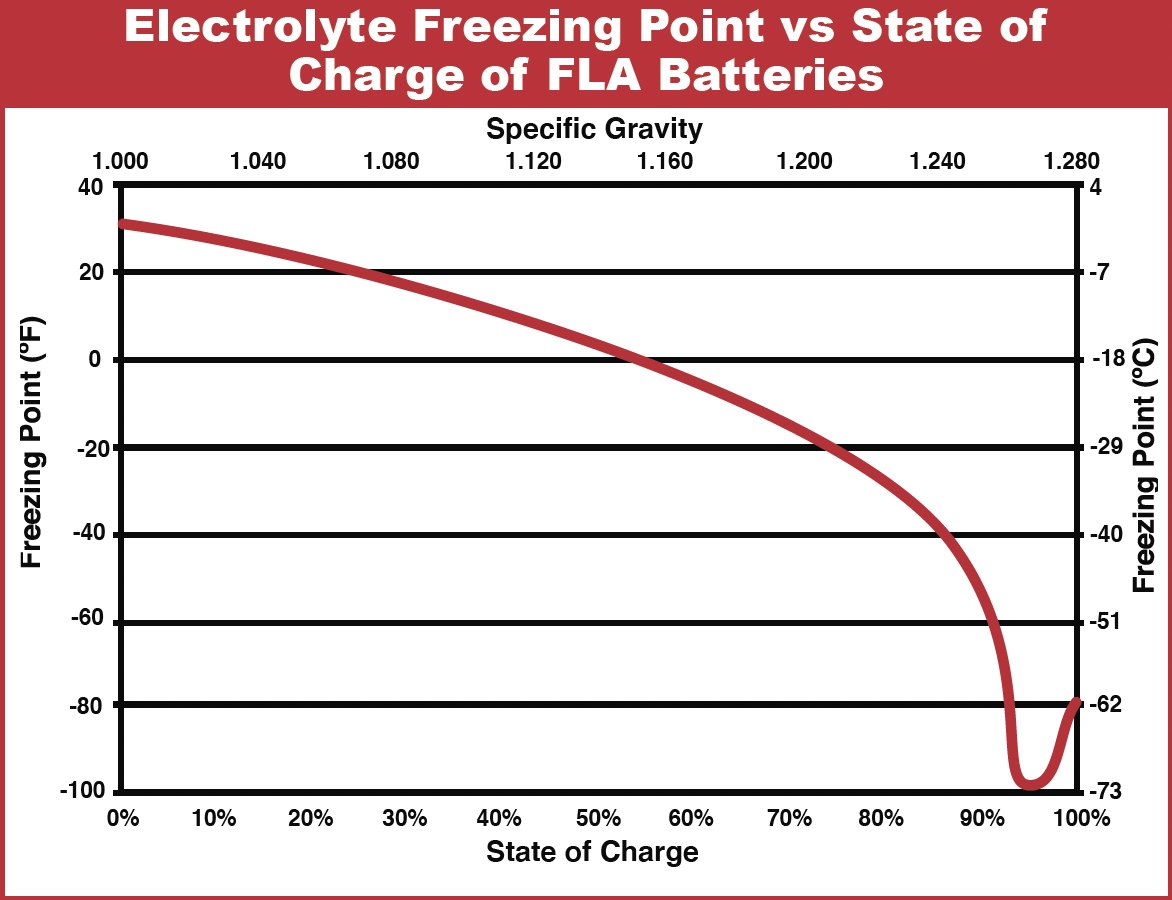
To understand when a car battery freezes, you have to understand what's inside it. Most car batteries are lead-acid batteries, which contain a mix of sulfuric acid and water. The ratio of acid to water is what determines your battery's freeze point. A healthy, fully charged battery has a high acid content, which lowers the freezing temperature dramatically. A discharged battery is mostly water, and water freezes at 32°F (0°C).
Think of it like adding salt to an icy road. The more dissolved material in the liquid, the harder it is to freeze. A charged battery is like a concentrated solution, while a dead one is nearly pure water. This is why battery failure always spikes in winter, even though the cold itself isn't always the real culprit. It's the combination of cold and a weak charge that does the damage.
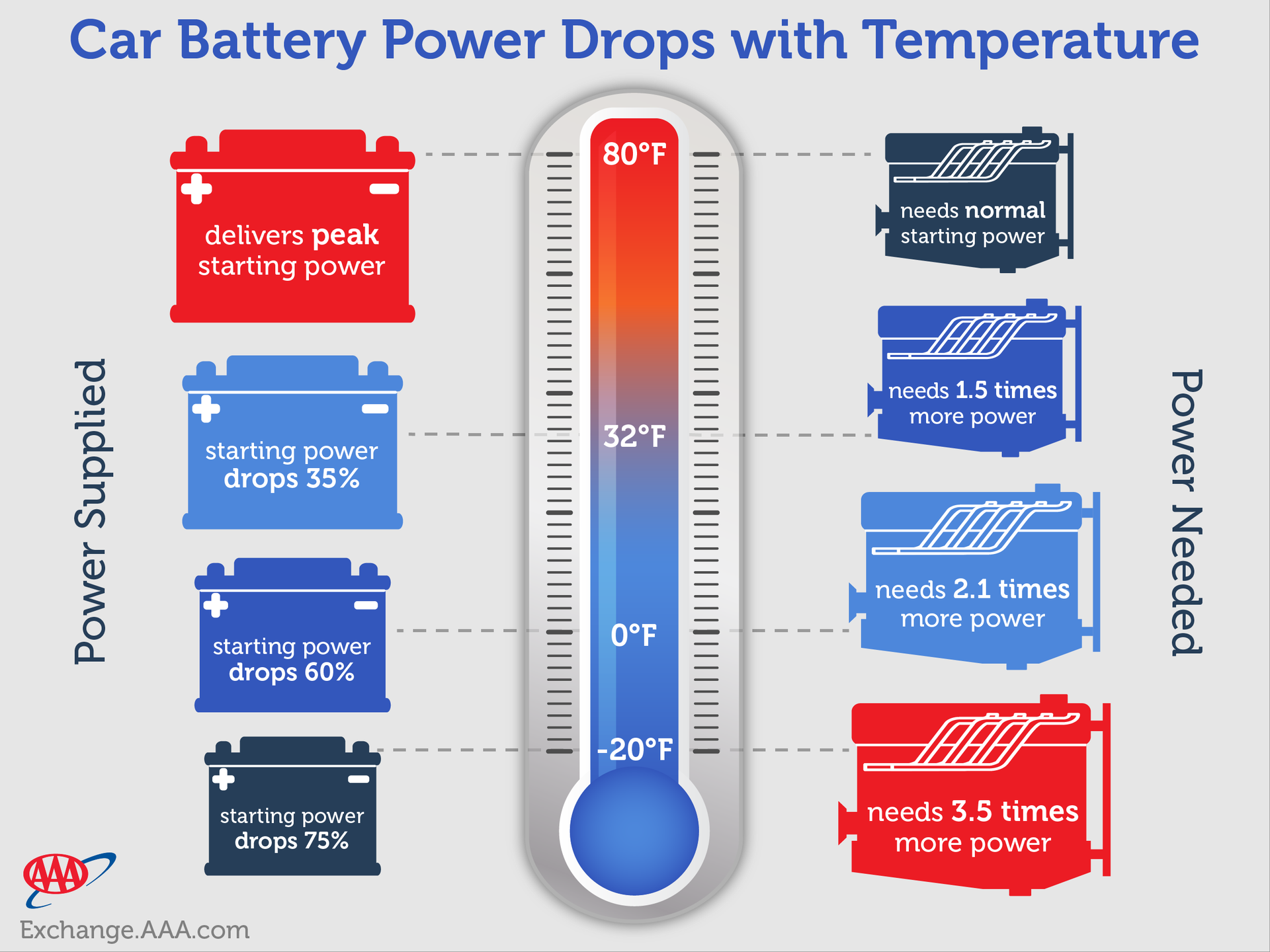
The chemical reactions inside the battery also slow down in cold weather. Your engine oil thickens, your starter motor needs more current, and your battery produces less energy. If the battery is already weak, the extra strain can push it past the breaking point.
At What Temperature Does a Car Battery Freeze?
Here's a general breakdown of freeze points based on state of charge:
- A 100% charged battery freezes at about −76°F (−60°C)
- A 75% charged battery freezes at about −35°F (−37°C)
- A 50% charged battery freezes at about −10°F (−23°C)
- A 25% charged battery freezes at about 5°F (−15°C)
- A fully discharged battery can freeze at or near 32°F (0°C)
In most parts of the US and Canada, winter temperatures rarely drop below −40°F, but they often sit in the 0°F to 20°F range. That means if your battery is below 50% charge, you're entering the danger zone. I've personally seen batteries split open on a 10°F morning because the owner ignored a weak charge for too long.
Why a Frozen Battery Is a Serious Problem
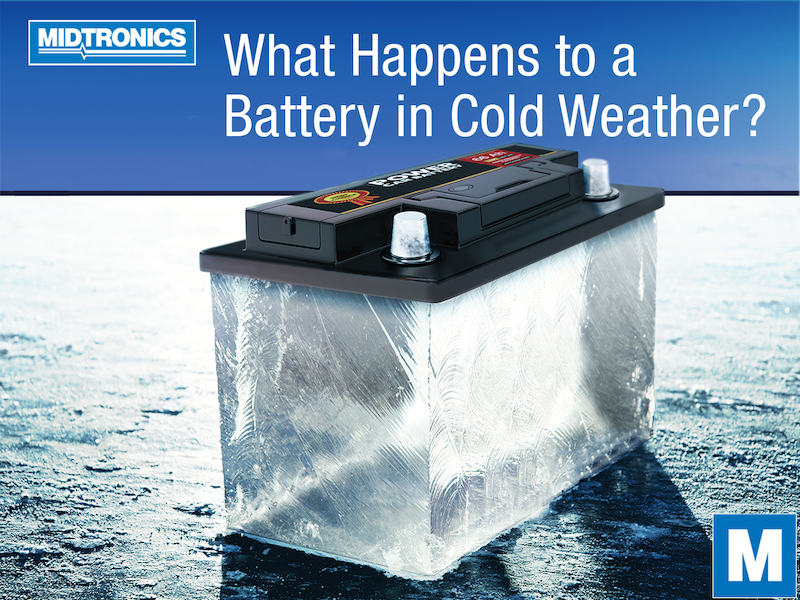
A frozen battery is more than just a paperweight. When the liquid inside expands, it can crack the plastic casing, damage the internal plates, or even cause acid leaks. In extreme cases, a frozen battery can explode if you try to jump-start it while it's still frozen.
Beyond the physical damage, a frozen battery simply won't work. The chemical reactions needed to produce electricity cannot happen if the liquid is solid. Even after it thaws, a battery that has been frozen is usually permanently damaged and needs to be replaced.
I learned this the hard way one January when I left a spare battery in my garage for a few weeks without charging it. When I went to use it, the case was visibly bulged. I tried charging it anyway, and it leaked acid all over my workbench. That was a $90 mistake I never repeated.
Warning Signs Your Battery Is About to Freeze
Before your battery freezes, it usually gives you some hints. Here are the most common signs I look for:
- Slow engine cranking on cold mornings
- Dim headlights when the car is idling
- A battery warning light on the dashboard
- A sulfur or rotten egg smell near the battery
- Visible bulging or cracking on the battery case
- The battery is more than 3 to 5 years old
- Corroded or loose battery terminals
If you notice any of these, especially before a cold snap, it's time to act. A quick voltage test with a multimeter can tell you a lot. A healthy battery should read around 12.6 volts when the car is off. Anything below 12.2 volts means it's undercharged and at risk.
How to Prevent Your Car Battery From Freezing
The good news is that a frozen battery is almost always preventable. Here are the steps I take every fall to make sure I'm not stuck in the cold:
- Get your battery tested before winter hits
- Clean any corrosion off the terminals with a wire brush
- Make sure the battery is securely mounted to reduce vibration
- Drive your car regularly to keep the charge up
- Park in a garage whenever possible
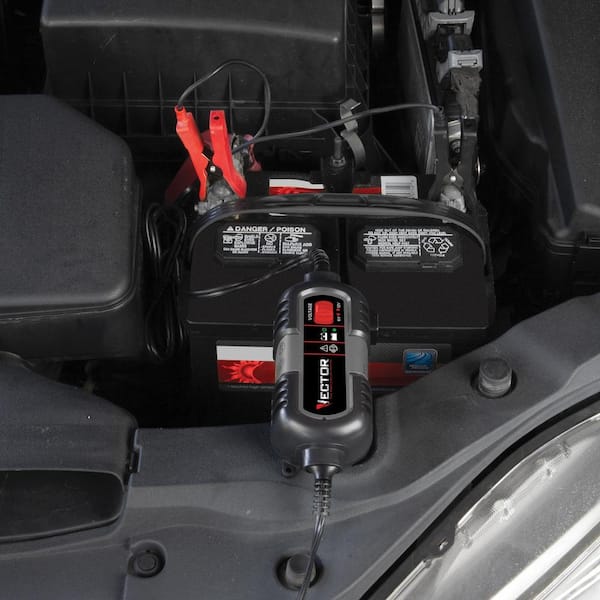
- Use a battery tender or trickle charger if the car sits for long periods
- Turn off all accessories before shutting off the engine
- Avoid short trips that don't give the alternator enough time to recharge
If your battery is more than four years old, consider replacing it before winter. A new battery is cheap insurance compared to a tow truck bill or a cracked engine block from repeated failed starts.
What to Do If Your Battery Does Freeze
If you suspect your battery is frozen, do not try to jump-start it. Charging a frozen battery can cause it to crack or explode. Instead, move the car into a warm garage and let the battery thaw slowly. Once it's fully thawed, test the voltage. If it reads low, try charging it. If the case is cracked, swollen, or leaking, replace it immediately.
I keep a small battery tester in my glove box year-round. It takes ten seconds to check and has saved me from being stranded more than once. If you don't own one, most auto parts stores will test your battery for free.
The Role of Battery Type in Freeze Resistance
Not all batteries handle cold the same way. Here's a quick comparison:
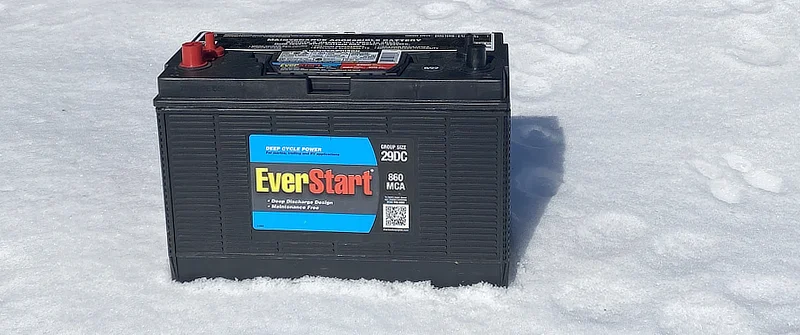
- Flooded lead-acid batteries are the most common and the most vulnerable to freezing when discharged
- AGM batteries hold their charge longer and are more resistant to freezing
- Gel batteries perform well in extreme cold but are less common in standard cars
- Lithium-ion batteries handle cold poorly and can be damaged if charged below freezing
If you live in a place where winters are harsh, upgrading to an AGM battery can be a smart move. They cost a bit more, but they hold a charge better and resist freezing more effectively. I switched my own truck to an AGM battery three years ago, and I've had zero cold-start issues since.
Long-Term Habits for Cold Weather Battery Health
Beyond winter prep, the best thing you can do is build a few habits year-round. Keep your battery terminals clean, drive your car at least once a week, and never leave electronics plugged in overnight. Small things like a phone charger or a dashcam can slowly drain a battery over several days, especially in cold weather when the battery is already working harder.
I also recommend keeping a portable jump starter in your car. Modern lithium jump packs are small enough to fit in a glove box and can save you in an emergency. I keep one in each of my vehicles, and it's the best $50 I've ever spent on car gear.

Frequently Asked Questions
Can a car battery freeze while still in the car?
Yes, it can. The battery is exposed to the same air temperature as the rest of the car, so if it's weak, it can freeze whether it's installed or sitting on a shelf.
How cold is too cold for a car battery?
Any temperature below 32°F (0°C) can be a problem for a discharged battery. For a fully charged battery, you usually don't need to worry until the temperature drops below −60°F, which is rare outside of extreme northern climates.
Will a frozen battery ever work again?
Sometimes, but it's risky. If the case isn't cracked, it may work after thawing, but it will likely have reduced capacity. Most mechanics recommend replacing a battery that has been frozen.
How can I tell if my battery is fully charged?
The easiest way is with a multimeter. A reading of 12.6 volts or higher means it's fully charged. Many auto parts stores also offer free battery testing.
Does idling the car charge the battery enough in winter?
Idling charges the battery, but very slowly. Short idling sessions won't do much, especially if the heater, defroster, and lights are running. Driving is much more effective because the alternator works harder at higher RPMs.
Final Thoughts
A car battery can freeze anywhere from 32°F to −76°F depending on its charge level. The real threat isn't the cold itself but a weak battery meeting cold weather. With a little preparation, a simple voltage test, and a few smart habits, you can avoid the headache of a frozen battery entirely. Treat your battery well, and it will return the favor on the coldest morning of the year. If this guide helped you, consider sharing it with a friend or leaving a comment with your own cold-weather tips.