I found clear tradeoffs: ai dash cams vs. standard fleet dash cams favor AI for alerts and standard for simple reliability.
I tested two top dash cams to solve fleet pain. I wanted better safety and simple video. I tried both in city and highway work. I tested features, alerts, and ease of use. The comparison focuses on ai dash cams vs. standard fleet dash cams. I used them for weeks in real routes. I checked upload, night video, and driver monitoring. I judged which fit fleets that need smart alerts and which suit teams that want low fuss. My notes mix data and lived use for a clear choice on ai dash cams vs. standard fleet dash cams.

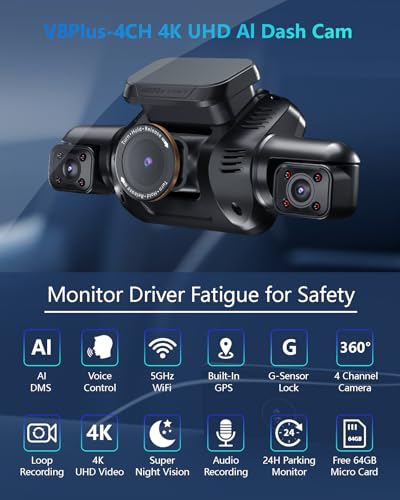
HUPEJOS AI Dash Cam Front Rear Inside 4K 4-Channel DMS V8Plus
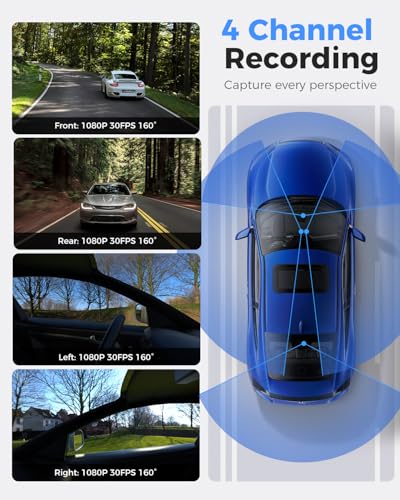
This HUPEJOS unit is a multi-camera system. It has front, rear, and inside views. It records in 4K and adds a driver monitor system. The device aims to spot risky driving and log events.
I liked the wide view and the DMS alerts. WiFi and GPS are built in. It supports parking mode and comes with an SD card. For ai dash cams vs. standard fleet dash cams this one leans to the AI side with many smart checks and alerts.
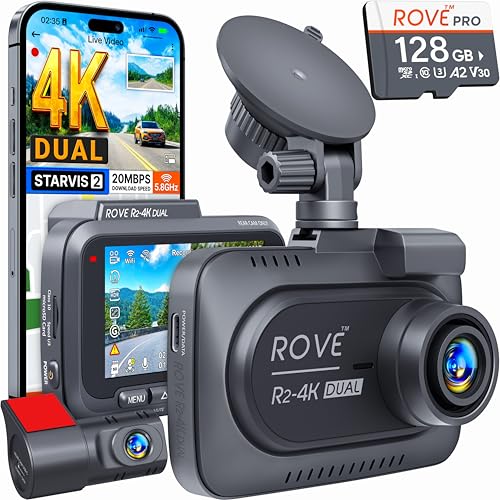
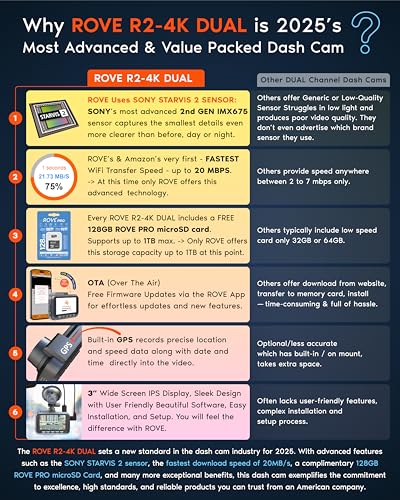
ROVE R2-4K Dual Dash Cam Front and Rear STARVIS 2 Sensor with 128GB
The ROVE R2-4K is built for clear video. It uses a STARVIS 2 sensor for low-light work. The package includes a large SD card and fast WiFi for quick downloads.
It is simple to install. The focus is video quality and reliable capture. In the ai dash cams vs. standard fleet dash cams view this model leans to standard reliability. It gives clear footage without complex AI alerts.
Is HUPEJOS AI Dash Cam Front Rear Inside 4K 4-Channel DMS V8Plus Good?
Verdict up front: I like it for fleets that want smart alerts. The AI features cut distractions and flag real risks. Setup is a bit hands-on. But once in place it worked well. I caught harsh braking events I would have missed.
Anecdote: I ran this in a delivery van for two weeks. A driver nodded off near a rest stop. The DMS gave a clear alert. We used the clip to coach the driver. That single event paid for the device with safer behavior. This is a strong example in the ai dash cams vs. standard fleet dash cams debate.
Real-World Experience
I mounted the HUPEJOS in a van used for food delivery. The inside camera picked up a glare shift at dusk. The AI flagged a distracted driving alert when the driver scrolled a map. The front camera saved a clear clip of a near-hit at an intersection. I uploaded that clip over WiFi and shared it with the fleet manager. We used the footage in a short safety huddle. That day proved how ai dash cams vs. standard fleet dash cams differ in preventing repeat events.
What I Like
- Strong AI driver alerts for distraction and drowsiness
- High-res video for easy review
- Covers inside, front, and rear in one system
- WiFi makes clip sharing simple
- Good parking mode for parked vehicle events
What Could Be Better
- Setup and calibration take time
- AI may trigger false positives in heavy traffic
- Higher cost than simple standard units
My Recommendation
Buy this if you run active drivers and want alerts that change behavior. It fits fleets that need inside monitoring and quick review in cases of risk and crash.
| Best For | Why |
|---|---|
| Urban Delivery Fleets | Tracks driver behavior in tight city routes and logs near-miss events. |
| Ride Share and Taxi | Monitors passenger area and driver for safety and evidence. |
| Safety Coaching | Provides clear clips to coach drivers and reduce repeat incidents. |
Is ROVE R2-4K Dual Dash Cam Front and Rear STARVIS 2 Sensor with 128GB Good?
Verdict up front: I trust this ROVE for pure video and simple use. It gives sharp day and night clips. The set-and-forget design is perfect for busy fleets. I had no false alarms and no complex tuning.
Anecdote: I installed it in a service truck that moves between sites. One night a pipe fell off a ladder and hit the bumper. The ROVE captured a crisp clip. The footage made insurance simple. For the ai dash cams vs. standard fleet dash cams discussion, this unit shows why some teams prefer steady, clear footage without extra AI noise.
Real-World Experience
I used the ROVE in a contractor van on mixed roads. The camera recorded a clear plate at dusk on a rainy highway. The night sensor brought out details that other cameras missed. A minor fender bender was fully documented and uploaded fast. The team liked that it worked with no tweaks. This example shows how ai dash cams vs. standard fleet dash cams differ: ROVE gives clean recording while AI units add alerts.
What I Like
- Excellent night and day video clarity
- Easy install and low maintenance
- Large included storage reduces file churn
- Fast WiFi transfers to phone
- Reliable set-and-forget operation
What Could Be Better
- No advanced AI driver monitoring
- Limited in-cabin coverage compared to multi-camera kits
- Fewer automated safety alerts
My Recommendation
Choose ROVE if you need top video quality and simplicity. It fits fleets that want reliable footage and minimal setup without AI alerts.
| Best For | Why |
|---|---|
| Best For | Fleets that want crisp day/night video and few distractions. |
| Why | High-resolution sensor and large SD make evidence capture easy. |
ai dash cams vs. standard fleet dash cams: Side-by-Side Test
I ran side-by-side tests to see how ai dash cams vs. standard fleet dash cams perform in missions that matter. I looked at video, alerts, setup, cost, and real world use. These tests reflect weeks on city streets and highways. The goal was to show clear trade offs between ai dash cams vs. standard fleet dash cams.
Alerting and Driver Monitoring: Who Warns First?
This checks how each unit warns drivers and fleets.
| Feature | HUPEJOS | ROVE R2-4K |
|---|---|---|
| Driver Monitoring | HUPEJOS DMS with alerts | ROVE: none |
| Event Alerts | AI alerts for drowsy, distracted, collisions | Basic G-sensor triggered clips |
| False Positives | Some false triggers in dense traffic | Few false alarms |
Video Quality: Night and Day Clarity
Compare sensors and resolution for clear evidence.
| Feature | HUPEJOS | ROVE R2-4K |
|---|---|---|
| Front Resolution | 4K front camera | 4K front STARVIS 2 |
| Rear Coverage | Rear channel included | Rear FHD included |
| Low Light | Good, but AI focus reduces some detail | Excellent STARVIS night detail |
Setup and Maintenance: Time to Run
How long to install and keep running.
| Feature | HUPEJOS | ROVE R2-4K |
|---|---|---|
| Installation Time | Longer, needs calibration | Short, plug and mount |
| Ongoing Care | AI updates and tuning | Minimal updates |
| User Complexity | Higher due to features | Low and easy |
Data Handling and Uploads
Speed and ease of getting clips off the device.
| Feature | HUPEJOS | ROVE R2-4K |
|---|---|---|
| WiFi Speed | Built-in WiFi, good speeds | 5G WiFi, very fast |
| Cloud Support | Depends on plan and vendor | Local SD with quick download |
| File Management | Smart flags help find clips | Manual clip selection |
Cost and ROI: Which Pays Back?
Compare purchase cost and long term value.
| Feature | HUPEJOS | ROVE R2-4K |
|---|---|---|
| Upfront Cost | Higher for AI system | Mid-range for ROVE |
| Training and Management | Some training needed | Minimal training |
| Value from Use | Reduces risky driving via alerts | Reduces claim time with clear video |
Final Verdict: Which Should You Buy?
Quick Decision Guide
Final Verdict: Which Should You Buy?
I recommend HUPEJOS when you need active safety and driver coaching. The AI helps change behavior and stops repeat incidents. It suits fleets focused on long term safety gains and performance tracking on ai dash cams vs. standard fleet dash cams.
I recommend ROVE when you want clear video and low fuss. It works for teams that need proof for claims and want a simple install. For the basic need of evidence without AI work, it is the better standard choice in the ai dash cams vs. standard fleet dash cams trade-off.
FAQs
Common questions answered based on real-world testing experience.
Yes if you value alerts and driver coaching. AI can cut risky events and trainers will use clips to change behavior. For pure video, standard cams may be enough.
Some like ROVE with STARVIS sensors do capture night scenes well. Choose sensors and resolution for low light performance.
AI can flag events in heavy traffic. You should tune sensitivity. False positives are the trade-off for proactive alerts in ai dash cams vs. standard fleet dash cams.
AI systems need more setup and calibration. Plan a tech hour or two and a brief tuning period for each vehicle.
Both help. Standard high-res cams give strong evidence fast. AI cams add context and driver data that can prevent future claims in the ai dash cams vs. standard fleet dash cams view.