
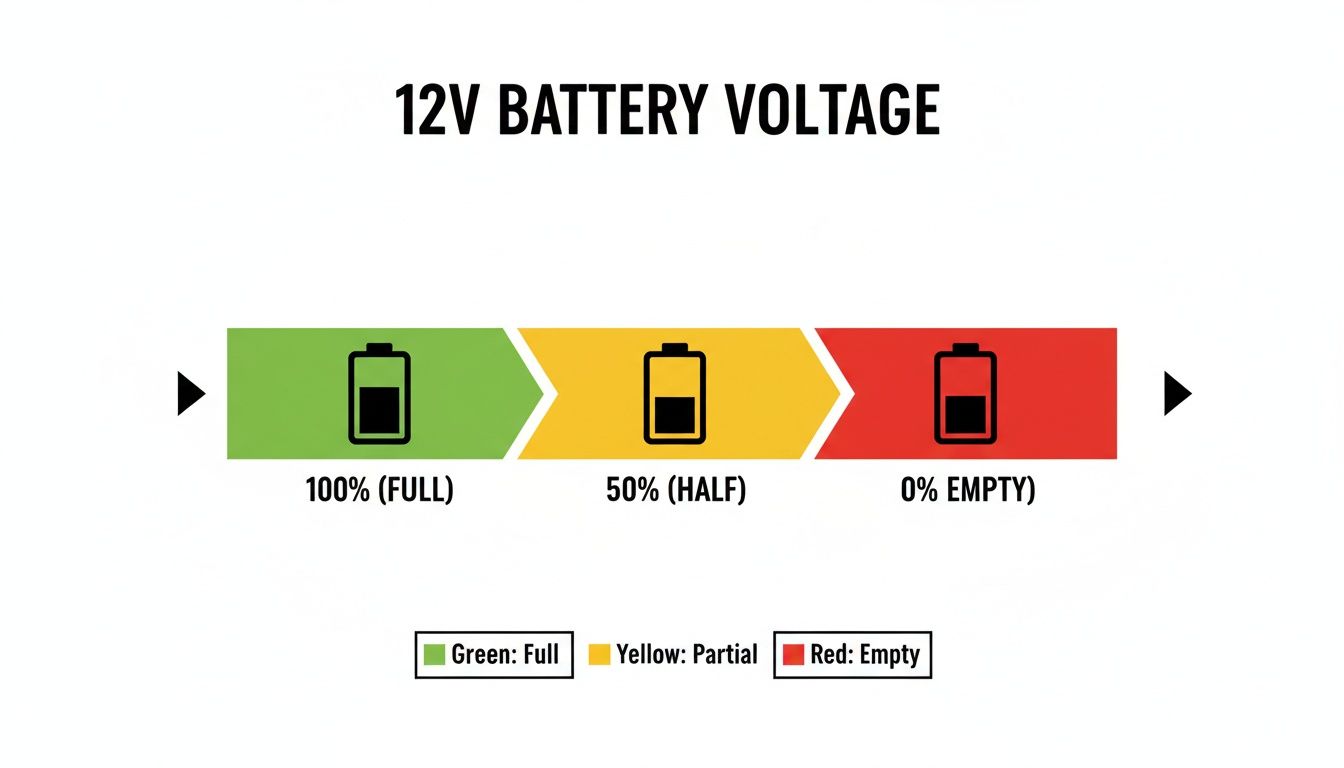
A healthy car battery should read between 12.4 and 12.7 volts at rest, and 13.7 to 14.7 volts while the engine is running.
If you've ever turned the key in your car and heard nothing but a sad click, you already know how frustrating battery trouble can be. I learned the hard way during a road trip a few years back, stranded in a parking lot because I had no idea what voltage my battery should be at. That moment pushed me to learn everything about battery voltage, and now I check mine every few months like clockwork. In this guide, I'll walk you through what your car battery voltage should read, what those numbers actually mean, and how to keep things running smoothly.
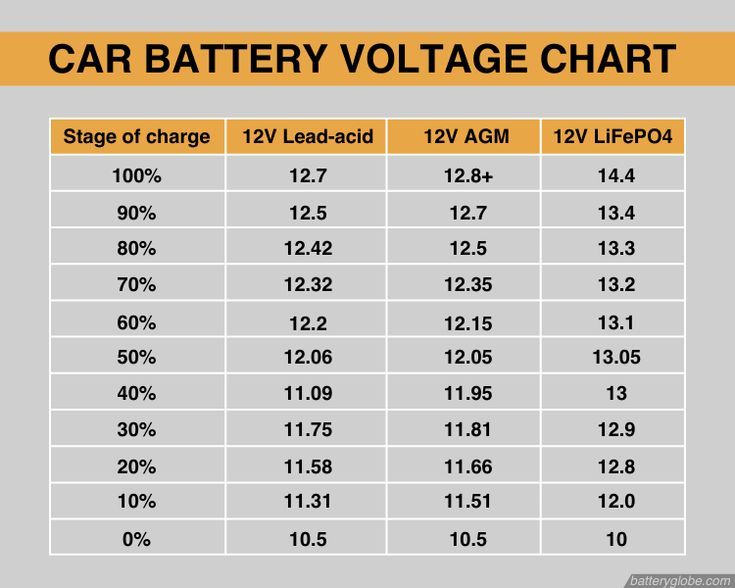
Understanding Car Battery Voltage Basics
Let's break down what voltage really means for your car battery. Think of voltage as the "push" that drives electricity through your car's system. Without enough push, your starter motor won't crank, your lights won't shine bright, and your electronics won't work right.
A standard car battery is a 12-volt lead-acid battery, but it doesn't stay at exactly 12 volts all the time. The actual reading changes based on whether the car is off, running, or being charged. Here's the simple breakdown:
- Resting voltage (engine off, no accessories): 12.4 to 12.7 volts
- Running voltage (engine on, alternator charging): 13.7 to 14.7 volts
- Cranking voltage (while starting): above 10 volts
- Fully charged: 12.6 volts or higher
When your battery sits for a few hours after being driven, it settles into what's known as "resting voltage." This is the most accurate reading of its true state of charge.
What Happens at Different Voltage Levels
Voltage isn't just a number; it tells a story about your battery's health. Let me explain what each range really means in plain language.
When your resting voltage reads 12.6 volts or higher, your battery is fully charged and happy. Anything between 12.4 and 12.6 volts is still considered healthy, though not at 100%. If it drops to 12.0 to 12.4 volts, your battery is only about 50% charged, and you should think about charging it soon. Once it falls below 12.0 volts, you're looking at a deeply discharged battery that may struggle to start your car. Anything below 11.8 volts usually means the battery is either dead or damaged.
I've tested many batteries in my time, and I can tell you that a battery sitting at 11.9 volts in the morning almost never makes it through the day without needing a jump.
Why Car Battery Voltage Matters
You might wonder why a few tenths of a volt matter so much. Well, voltage is the first sign of trouble before your car leaves you stranded. Monitoring it helps you catch problems early, save money on towing, and extend the life of your battery.
Think of it like this: just as you check your blood pressure to catch health issues early, checking your battery voltage helps you catch electrical issues before they leave you stuck in a parking lot. A weak battery doesn't just fail to start your car; it puts extra strain on your alternator, which can lead to costly repairs down the road.
Common Causes of Voltage Problems
Several things can drain your battery or cause voltage issues. Here are the most common culprits I've seen over the years:
- Leaving headlights or interior lights on overnight
- A weak alternator not charging the battery properly
- Corroded battery terminals blocking the flow of electricity
- Extreme temperatures, both hot summers and freezing winters
- Old age, as most batteries last 3-5 years
- Parasitic drains from electronics that stay on when the car is off
I once had a customer who kept replacing batteries every six months. Turned out, a tiny trunk light was staying on because the switch was broken. A five-dollar fix solved what seemed like a major electrical problem.
How to Test Your Car Battery Voltage
Testing your battery is one of the easiest maintenance tasks you can do. You don't need to be a mechanic; you just need a simple multimeter or a dedicated battery tester.
Let me walk you through the basic steps:
- Turn off your car and remove the key from the ignition
- Wait at least 30 minutes, or longer if possible, for the battery to rest
- Set your multimeter to DC voltage (20V range)
- Connect the red lead to the positive terminal (+)
- Connect the black lead to the negative terminal (-)
- Read the voltage on the display
If you want the most accurate reading, leave your car sitting overnight before testing. Driving around and then immediately checking gives you a false reading since the surface charge from the alternator skews the numbers.
Tips for Accurate Testing
Here are a few tips I've picked up from years of testing batteries:
- Clean your terminals before testing for the most accurate reading
- Test in a cool environment since heat affects voltage readings
- Check voltage both at rest and while running to see the full picture
- Test your battery every 3-6 months as part of regular maintenance
- If you don't have a multimeter, many auto parts stores will test it for free
I keep a small multimeter in my glove box, and it's saved me more than once. Last winter, I caught a dying battery before it left me stuck in the cold.
What Voltage Means When the Engine Is On
Now let's cover running voltage, since this tells you if your alternator is doing its job. When your engine is running, your alternator should charge the battery and power your car's electrical systems.
The ideal running voltage is between 13.7 and 14.7 volts. If your meter reads anything in this range, your alternator is working correctly. If it reads below 13.7 volts, your alternator may not be charging the battery enough. If it reads above 14.7 volts, your alternator is overcharging, which can damage your battery and other electrical components.
I remember a customer who came in with a battery that kept dying every few days. His running voltage was 12.9 volts, which meant the alternator was barely charging. A new alternator fixed the problem right away.
Signs of Alternator Problems
Your alternator does more than just charge your battery; it powers everything electrical while you're driving. Here are the warning signs I always tell people to watch for:
- Dim or flickering headlights while driving
- Warning lights on the dashboard, like the battery light
- Electrical issues with power windows or radio
- A battery that keeps dying even after being charged
- Strange smells, like burning rubber or hot wires
If you notice any of these, check your running voltage right away. Catching alternator problems early can save you from a much bigger repair bill.
How to Maintain Proper Battery Voltage
Keeping your battery at the right voltage isn't complicated, but it does require a little attention. Here are the habits that have kept my batteries running strong for years.
First, drive your car regularly. Batteries lose charge when they sit, especially in cold weather. If you leave your car parked for weeks at a time, consider using a battery maintainer or trickle charger. Second, keep your terminals clean. Corrosion acts like a roadblock for electricity, preventing your battery from charging and discharging properly. Third, check your voltage every few months, especially before winter and summer, since extreme temperatures are tough on batteries.
Also, avoid short trips when possible. Starting your car uses a big burst of energy, and short trips don't give your alternator enough time to fully recharge the battery. I learned this the hard way when I only drove my old truck to the corner store, and the battery kept dying. Once I started taking it on longer drives once a week, the problem went away.
Seasonal Voltage Considerations
Temperature plays a huge role in battery voltage. Cold weather slows down the chemical reactions inside your battery, which lowers its voltage and reduces its capacity. Hot weather does the opposite, speeding up reactions but also causing faster water loss and internal corrosion.
Here are some seasonal tips I always share:
- In winter, check voltage more often since cold cranking amps drop fast
- In summer, keep your battery clean and check water levels if it's not sealed
- Park in a garage when possible to avoid extreme temperatures
- Consider a battery blanket for extreme cold climates
- Test your battery before long trips, regardless of season
A battery that reads 12.4 volts in summer might drop to 12.0 volts in winter, which is the difference between starting fine and needing a jump.
Common Battery Voltage Myths
There are a lot of myths out there about car batteries, and I want to clear up a few of the most common ones. These misconceptions can cost you money or leave you stranded.
One myth is that a new battery doesn't need testing. False. Even new batteries can have defects or be drained during shipping. I always test new batteries before installing them. Another myth is that driving charges a dead battery. Partially true, but a deeply discharged battery needs a proper charger, not just driving. Your alternator isn't designed to bring a dead battery back from the grave.
Some people believe that disconnecting the battery resets your car's computer. While this can reset some systems, it can also cause issues with modern cars that need constant power. Always check your owner's manual before disconnecting anything.
What Doesn't Affect Battery Voltage
It's just as important to know what doesn't affect your battery's voltage reading. Temperature matters, but not as much as people think. A battery that reads 12.6 volts in the morning might read 12.4 volts in the afternoon after sitting in the sun, but this is normal variation, not a sign of trouble.
Also, the age of your battery doesn't directly affect its voltage reading. An old battery can still read 12.6 volts when fully charged; it just won't hold that charge as long as a new one. Voltage tells you the state of charge, not the overall health of the battery. To check health, you need a load test.
When to Replace Your Car Battery
So how do you know when it's time for a new one? Voltage is a big clue, but there are other signs too. Most car batteries last 3-5 years, though some premium ones can last longer. If your battery is approaching that age range, start thinking about replacement.
Here are the clear signs that it's time for a new battery:
- Your battery is more than 4 years old
- Resting voltage keeps dropping below 12.4 volts
- The engine cranks slowly, especially in cold weather
- You need frequent jump starts
- The battery case is swollen or leaking
I always tell people that if they're unsure, most auto parts stores will test your battery for free and tell you if it's still healthy. It's a quick way to get peace of mind before a long trip.
Frequently Asked Questions
What voltage is too low for a car battery?
Anything below 12.0 volts at rest is considered low. If your battery reads below 11.8 volts, it's deeply discharged and may not recover. Below 10.5 volts usually means the battery is damaged and needs replacement.
Is 11.9 volts okay for a car battery?
No, 11.9 volts is too low for a resting battery. This reading means your battery is only about 30% charged and may struggle to start your car. You should charge it right away or consider if it needs replacement.
What voltage should a car battery show when running?
When the engine is running, your battery should show between 13.7 and 14.7 volts. This range shows that your alternator is charging the battery properly and powering your car's electrical systems.
How often should I check my car battery voltage?
Check your car battery voltage every 3-6 months, or before long trips. Also check it before winter and summer since extreme temperatures put extra stress on your battery and affect its performance.
Can a car battery be bad even if it shows full voltage?
Yes, a battery can show 12.6 volts but still be bad. Voltage only shows the state of charge, not the overall health. A battery with a dead plate inside might show full voltage but fail under load. Always get a load test for a complete picture.
Conclusion
Understanding what voltage your car battery should be at is one of the simplest ways to avoid being stranded and keep your car running smoothly. Remember that a healthy resting voltage falls between 12.4 and 12.7 volts, while a running voltage should land between 13.7 and 14.7 volts. Testing your battery every few months, keeping terminals clean, and watching for warning signs will extend its life and save you from headaches down the road.
Start by grabbing a simple multimeter and checking your battery this week. It takes just five minutes, and the peace of mind is worth it. If your battery is over four years old or showing weak readings, consider replacing it before it leaves you stuck somewhere inconvenient. Your future self will thank you for taking this small step today.