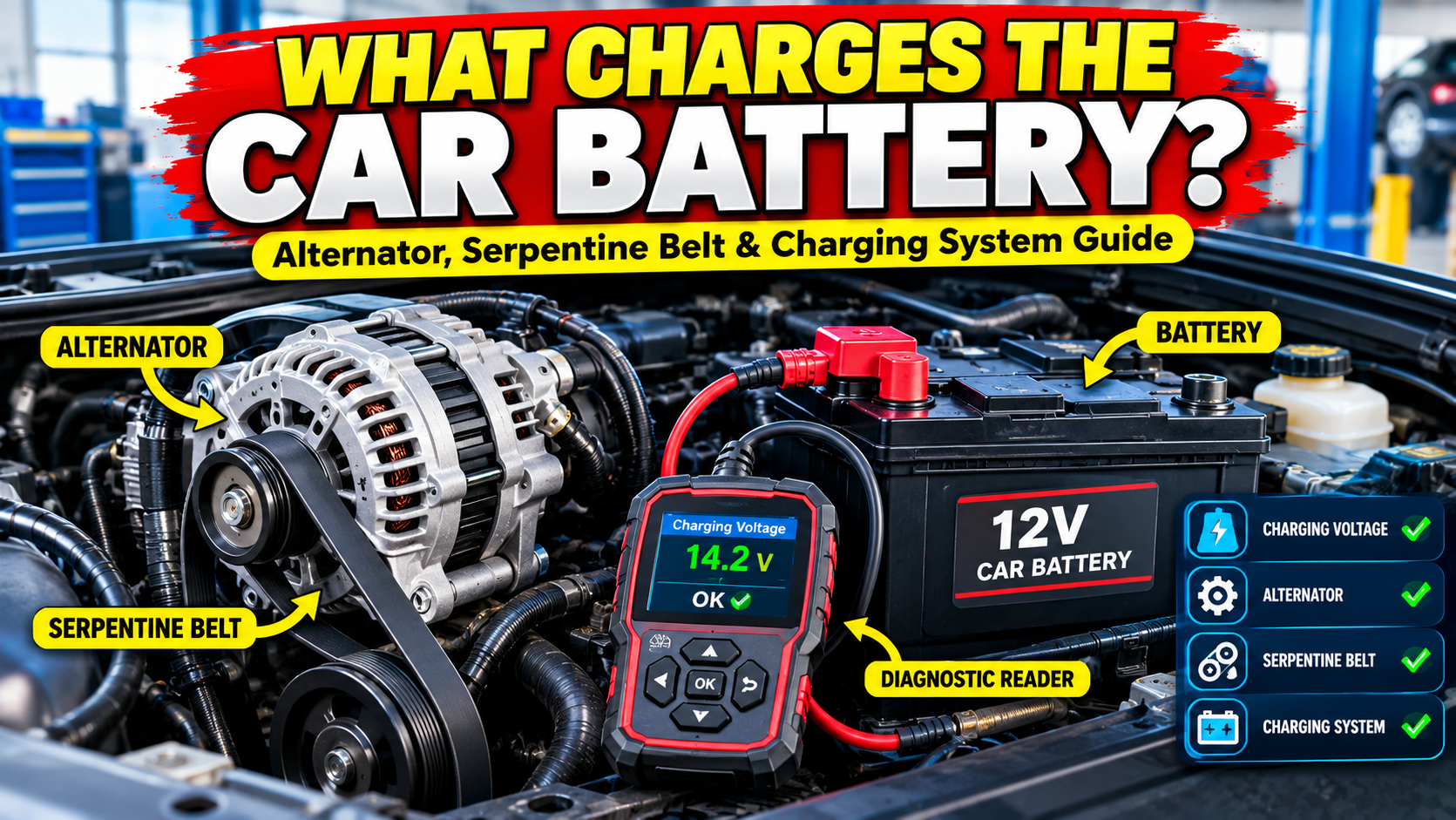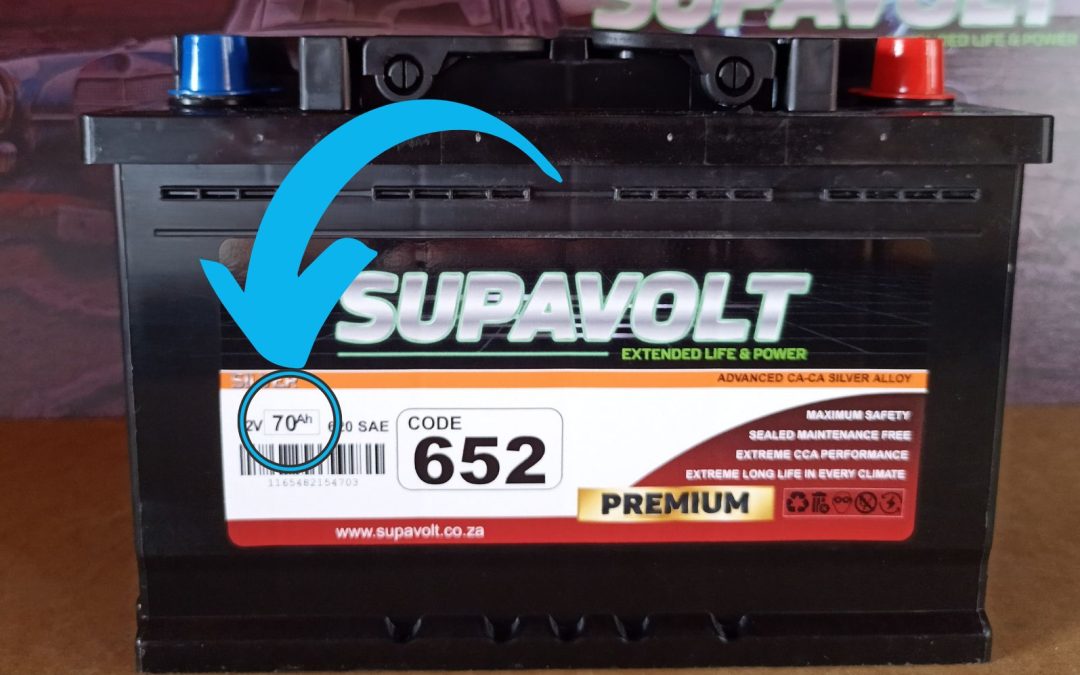
A typical car battery has an amp hour rating between 40 and 120 Ah, depending on the vehicle type and battery group size.
If you've ever opened your hood and looked at your car battery, you probably noticed a bunch of numbers stamped on the label. Most people see "12V" and walk away, but there's another number hiding right next to it that tells you a whole lot more about how your battery actually performs — the amp hour rating. I've worked on enough vehicles over the years to know this little spec can be the difference between a battery that lasts six years and one that leaves you stranded in a parking lot.

What Amp Hours Actually Mean for a Car Battery
Let's break this down in plain English. An amp hour — written as Ah — measures how much electrical energy a battery can deliver over time. One amp hour means the battery can supply one amp of current for one full hour. Or two amps for 30 minutes. You get the idea.
Think of it like a fuel tank, but instead of holding gasoline, it holds electrical juice. The bigger the amp hour number, the longer your battery can keep things running before it runs dry. A standard car battery sits somewhere between 40 and 120 Ah, but most everyday vehicles use a battery rated around 45 to 75 Ah.
Here's what makes this spec so important:
- It tells you how long your battery can power accessories when the alternator isn't charging it
- It helps you match the right battery to your vehicle's electrical demands
- It gives you a realistic idea of reserve capacity during emergencies
Why the Amp Hour Rating Matters More Than You Think
I've seen plenty of folks grab the cheapest battery on the shelf, stick it in their car, and wonder why their electronics flicker or why they keep dealing with dead batteries. Nine times out of ten, the amp hour rating was wrong for the application.
Your car battery does way more than just start the engine. Modern vehicles run all kinds of electronics — infotainment systems, heated seats, alarm systems, onboard computers, you name it. When the engine is off, all of that draws power from your battery. If your amp hour rating is too low, you're constantly draining the battery deeper than it wants to go, and that shortens its life fast.
A few real-life scenarios where amp hours make or break your experience:
- You leave your headlights on for 10 minutes while running into a store
- Your car sits in an airport parking lot for three weeks while you travel
- You add aftermarket electronics like a subwoofer or light bar
- You live in a cold climate where cranking amps matter
In every case, a higher amp hour rating gives you more buffer. It's like having a bigger gas tank when the nearest gas station is far away.

Typical Amp Hour Ratings by Battery Type
Not all car batteries are created equal. The amp hour rating shifts quite a bit depending on what kind of vehicle you drive and what type of battery is under the hood.
Here's a rough breakdown of what you'll commonly find:
- Compact cars and economy vehicles: 35 to 50 Ah
- Standard sedans and mid-size cars: 45 to 70 Ah
- SUVs and light trucks: 60 to 90 Ah
- Heavy-duty trucks and diesel engines: 80 to 120 Ah
- Electric and hybrid vehicles (12V auxiliary battery): 30 to 60 Ah
- Deep cycle or marine-style batteries: 75 to 150+ Ah
A regular flooded lead-acid battery — the most common type — usually lands between 50 and 70 Ah. AGM (absorbent glass mat) batteries, which are becoming more popular in newer cars, often have slightly different ratings and better performance under heavy electrical loads.
Amp Hours vs. Cold Cranking Amps — What's the Difference?
This is one of the most common points of confusion I run into, so it's worth clearing up. Amp hours and cold cranking amps (CCA) measure two completely different things, even though both involve amps.
Amp hours tell you how much energy the battery can store and deliver over time. Cold cranking amps tell you how much power the battery can deliver in a short burst — specifically for 30 seconds at 0°F while still maintaining at least 7.2 volts.
Here's a simple way to think about it:
- Amp hours = endurance (how long it can run)
- Cold cranking amps = power (how hard it can push during startup)
You need both, but they serve different purposes. If you live somewhere cold, CCA matters more. If you run a lot of accessories or leave your car parked for long stretches, amp hours matter more.
How to Find the Amp Hour Rating on Your Battery
Pop the hood and look at the top or side of the battery. You should see a label that lists several specs. The amp hour rating might be written in a couple of different ways:
- Ah (the standard abbreviation)
- A numerical code like "48 Ah" or "70 Ah"
- A BCI group number combined with a separate amp hour spec
Sometimes the label just shows a number followed by "Ah." Other times, the manufacturer only prints the RC (reserve capacity) number, and you have to estimate the amp hours from there.
If the label is worn or hard to make out, your owner's manual will list the recommended battery specs. That's honestly the easiest way to find the right rating for your specific vehicle.
How to Choose the Right Amp Hour Rating for Your Car
Going bigger isn't always better, and going smaller is asking for trouble. Here's what I'd recommend based on what I've seen work best over the years:
- Check your owner's manual for the recommended amp hour range
- Match the BCI group size so the battery physically fits
- Pick a battery that meets or slightly exceeds the original spec
- Consider your climate — colder areas benefit from higher ratings
- Think about your driving habits — short trips and city driving put more strain on batteries
If you add aftermarket electronics or live in an area with extreme temperatures, bumping up to the next tier usually pays off. But if your car came with a 60 Ah battery from the factory, there's no good reason to drop down to a 45 Ah unit just to save a few bucks.
Common Misconceptions About Amp Hours
There are a few myths floating around that I want to clear up, because believing them can cost you money or leave you stuck on the side of the road.
Some people think a higher amp hour rating will damage their car's electrical system. That's not true. Your car's alternator charges the battery at a regulated rate, so a higher capacity battery won't overload anything. It will just take a bit longer to fully charge if it's deeply discharged.
Others believe amp hours and watt-hours are the same thing. They're related, but not identical. Watt-hours measure total energy, while amp hours measure charge. To convert, you multiply amp hours by voltage. So a 60 Ah battery at 12 volts equals 720 watt-hours.
And here's another one — some folks think any battery with the same voltage will work. Voltage is just one piece of the puzzle. Capacity, chemistry, and cranking performance all matter just as much.
How Amp Hours Affect Battery Life and Performance
The depth of discharge plays a huge role in how long your battery lasts. Every time you drain a battery deeply, you shorten its overall lifespan. Lead-acid batteries — which include most car batteries — don't like being discharged below about 50% of their capacity.
Let's say you have a 70 Ah battery. Pulling it down to 35 Ah before recharging is about as deep as you want to go on a regular basis. If you constantly drain it to 10 or 20 Ah, the plates inside start to degrade faster, and you'll be shopping for a new battery sooner than you'd like.
A few habits that help extend battery life:
- Drive regularly and for longer distances when possible
- Avoid leaving electronics on when the engine is off
- Keep the battery terminals clean and tight
- Test the battery annually, especially before winter

When to Replace Your Car Battery Based on Amp Hours
Batteries don't last forever, and capacity gradually drops as they age. A battery that started at 70 Ah might only deliver 50 Ah after a few years of use. That decline often shows up as slower cranking, dimmer lights, or electronics that act weird.
Generally speaking, most car batteries last three to five years. AGM batteries can stretch that to six or seven years with proper care. If your battery is approaching that age range or if you've noticed any of the warning signs, it's worth getting it tested.
Most auto parts stores will load-test your battery for free and tell you whether it still has life left or whether it's time for a replacement. It's a quick five-minute test that can save you a lot of headaches down the road.
Frequently Asked Questions
How many amp hours does a standard 12V car battery have?
Most standard 12V car batteries are rated between 45 and 75 Ah. The exact number depends on the vehicle make, model, and battery group size. Compact cars tend to sit on the lower end, while larger trucks and SUVs run higher.
Is a higher amp hour battery better for my car?
In most cases, yes — as long as the battery physically fits and the voltage matches. A higher amp hour rating gives you more reserve capacity and is especially useful if you run extra electronics or live in a climate that puts extra demand on your battery.
Can I use a battery with different amp hours than what's recommended?
You can, but it's best to stay close to the manufacturer's recommendation. Going significantly lower can lead to starting issues and a shorter battery lifespan. Going a bit higher is usually fine and can even be beneficial in certain situations.
How do I convert amp hours to watt hours?
Multiply the amp hour rating by the battery voltage. For a 12V battery with 60 Ah, the calculation is 12 × 60 = 720 watt hours. This gives you the total energy the battery can store.
Do amp hours affect how long a car battery holds its charge when not in use?
Yes, they do. A higher amp hour battery will generally hold its charge longer when sitting idle because it has more stored energy to begin with. However, all batteries self-destruct slowly over time, so age and condition matter just as much as the rating.
Conclusion
Understanding the amp hour rating of your car battery gives you a much clearer picture of what your battery can actually do. It's not just a random number on the label — it reflects how much energy your battery stores, how long it can run your accessories, and how well it handles the demands of your driving style. Whether you're replacing an aging battery or upgrading to handle extra electronics, paying attention to the Ah rating pays off in the long run. Take a few minutes to check your current battery, match it to your vehicle's needs, and you'll avoid more than a few headaches down the road. If this guide helped clear things up, drop a comment below or share it with someone who always seems to be asking about car batteries.