A car battery contains lead plates, sulfuric acid electrolyte, and plastic casing that work together to store and deliver electrical power for your vehicle.
If you've ever popped the hood and stared at that black box sitting near the front of the engine, you've probably wondered what's actually going on inside it. I get it. I used to think car batteries were some kind of mysterious power source, until I took one apart out of pure curiosity. What I found inside changed the way I understood cars forever. Knowing what is inside a car battery isn't just trivia. It helps you spot problems early, save money, and even handle a dead battery with more confidence. Stick with me, and I'll walk you through every single part, from the heavy plates to the liquid that looks like water but definitely isn't.
The Basic Anatomy of a Car Battery
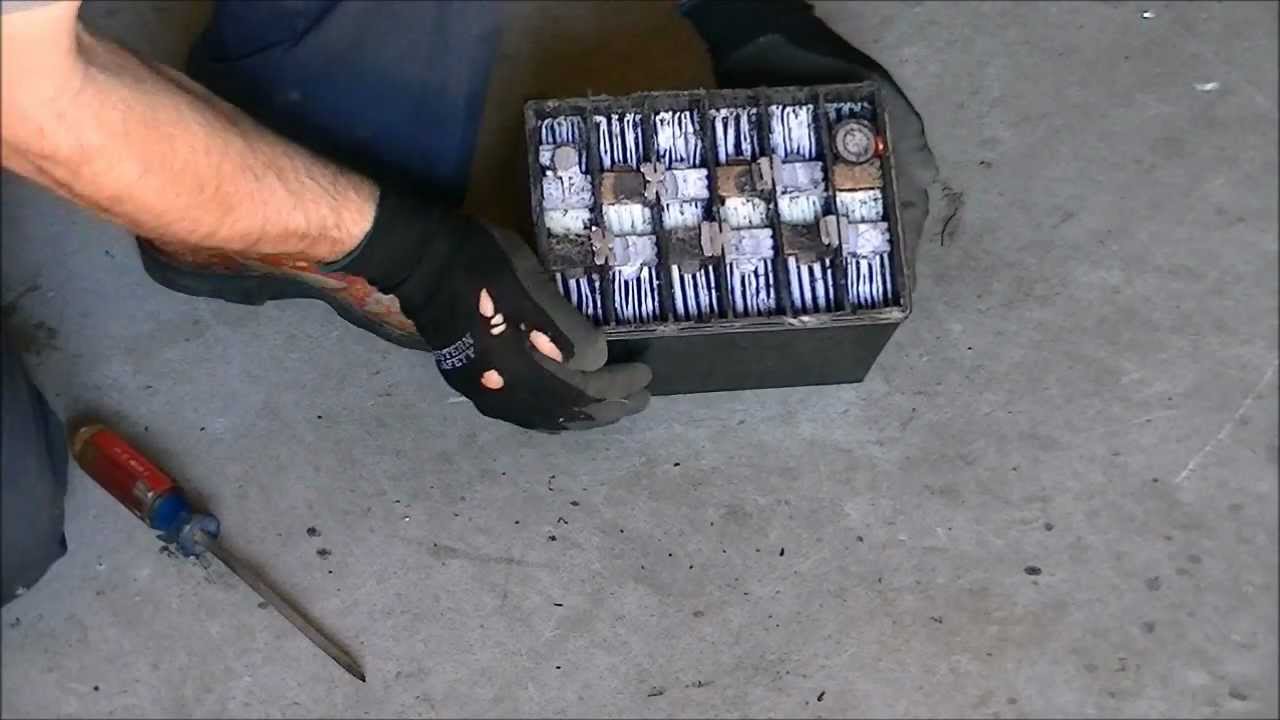
A car battery looks simple from the outside, but the inside is a carefully arranged collection of cells, plates, and acid that produce electricity through a chemical reaction. Most standard car batteries are lead-acid batteries, which have been the go-to choice for over a hundred years. There are usually six cells inside, and each one pushes out about 2.1 volts. Multiply that by six, and you get the standard 12.6 volts your car needs to start and run smoothly.
Here's a quick look at the main parts packed inside that rectangular casing.
- Lead dioxide plates (positive plates)
- Sponge lead plates (negative plates)
- Sulfuric acid electrolyte solution
- Plastic separators between plates
- Cell connectors that link everything together
- A tough plastic outer shell
- Vent caps on top for gas release
Each part plays a role, and if even one of them fails, the whole battery can let you down at the worst possible moment. I've had batteries die on me in parking lots, in my own driveway at 6 a.m., and once during a road trip. Every single time, it traced back to one of these components wearing out.

Lead Plates: The Heart of the Battery
The plates inside a car battery are where all the real action happens. They're made of lead alloys because lead is great at holding and releasing electrical energy. There are two kinds of plates, and they work like dance partners in a chemical reaction.
The positive plates are made of lead dioxide, which gives them a chocolate brown color. The negative plates are made of sponge lead, which looks more like a dull gray. Each plate is thin, usually around 1 to 2 millimeters thick, and there can be dozens of them stacked inside each cell.
Why does this matter to you? Because plates wear out over time. Every charge and discharge cycle slowly corrodes the lead. Heat makes it worse. I've seen batteries in hot climates barely last two years, while the same battery up north can go four or five years. The plates simply break down faster when things get toasty under the hood.
A few things that affect plate life:
- High engine bay temperatures
- Frequent short trips that don't let the battery fully recharge
- Deep discharges from leaving lights on
- Vibrations from rough roads that shake the plates loose
If you ever shake a dead battery and hear rattling inside, those are likely broken plate pieces sloshing around. That's a battery that's done its job and needs recycling.

The Electrolyte: Sulfuric Acid and Water
The liquid inside a car battery is probably the most misunderstood part. It's a mix of sulfuric acid and distilled water, usually about 36 percent acid and 64 percent water. It looks clear, almost like water, but don't be fooled. This stuff can burn your skin, eat through clothing, and damage your car's metal if it spills.
The electrolyte's job is simple but vital. It lets ions move between the positive and negative plates. When you turn the key or push the start button, the acid reacts with the lead plates to release energy. When the alternator charges the battery back up, the process reverses.
Here's something most people don't know. The acid itself doesn't get used up. The water does. Over time, especially in older batteries or hot weather, water evaporates or breaks down into hydrogen and oxygen gases. That's why some batteries let you add distilled water through little caps on top. Modern sealed batteries trap these gases and turn them back into water, which is pretty clever if you ask me.
Safety tip from personal experience: if you ever need to check electrolyte levels or clean battery acid, wear gloves and safety glasses. I learned this the hard way when a splash left me with a small chemical burn on my wrist. Not fun, and totally avoidable.

Separators: Keeping Plates Apart Without Blocking the Flow
Between every positive and negative plate, there's a thin plastic sheet called a separator. Think of it like a referee standing between two players who need to react but must never touch each other.
Separators are made from porous plastic materials, often polyethylene or PVC. They have tiny holes that allow ions to pass through while keeping the plates physically separated. Without separators, the plates would touch, short out, and the battery would be useless.
These separators also help hold the active material against the plates. As batteries age, the lead material can flake off. Good separators keep that material in place longer, which extends battery life. When you see battery brands advertising "long life" or "high performance," better separator technology is usually part of the reason.

The Outer Casing and Terminals
The black plastic box holding everything together isn't just for looks. It serves several important purposes.
The casing is made from polypropylene or hard rubber. It holds the acid in, resists heat, and protects the internal parts from vibration damage. Inside the casing, the six cells are separated by walls, each one sealed off from the others. This way, even if one cell fails, the others can sometimes keep the battery going, though performance will drop.
On top, you'll see two terminals, marked positive (+) and negative (-). These are the connection points to your car's electrical system. The positive terminal is slightly larger on most batteries to prevent reverse hookup. I've seen people install a battery backward and fry their car's electronics. Trust me, that mistake costs way more than a new battery.
The terminals are usually made of lead because lead conducts electricity well and resists corrosion. Over time, you might notice a blue-green crust building up on the terminals. That's corrosion, and it's a sign you need to clean them. A mixture of baking soda and water works wonders for this. Just disconnect the battery first, clean the posts, rinse, dry, and reconnect.

Different Types of Car Batteries and What's Inside Them
Not all car batteries are built the same way. While lead-acid batteries dominate the market, there are important differences worth knowing.
Flooded Lead-Acid Batteries
These are the most common and affordable option. The electrolyte is liquid, and you can sometimes access the cells through vent caps. They're reliable but need occasional maintenance, especially in hot climates.
AGM Batteries
AGM stands for Absorbent Glass Mat. Instead of liquid sloshing around, the electrolyte is held in fiberglass mats. This makes them spill-proof, more vibration-resistant, and better for cars with start-stop technology. They cost more, but they last longer in tough conditions.
Gel Batteries
These use a thick gel instead of liquid acid. They're sealed and maintenance-free, but they don't handle fast charging as well. You'll find them more in deep cycle applications, like RVs or boats, rather than standard cars.
Lithium-Ion Batteries
Some newer cars, especially hybrids and performance vehicles, use lithium-ion batteries instead. These contain lithium compounds, electrolytes, and sophisticated battery management systems. They're lighter and more powerful but cost significantly more to replace.
The type of battery you choose affects what's inside, how it performs, and how long it lasts. When I upgraded to an AGM battery for my daily driver, the difference in reliability during cold winters was night and day. Worth every penny.
How a Car Battery Produces Electricity
Understanding what is inside a car battery also means understanding how those parts work together to make power. The process is called an electrochemical reaction, and it's been used since the 1850s.
When you turn your key or push the start button, the battery sends a burst of electrical current to the starter motor. Inside the battery, a chemical reaction begins. Sulfuric acid reacts with the lead plates. Sulfate ions move toward the negative plates, while the acid becomes weaker. This flow of ions creates the electrical current that cranks your engine.
When the engine runs, the alternator takes over and sends current back into the battery. This recharges it by reversing the chemical reaction. Sulfate moves back into the acid, and the plates return to their original state. The water that broke down during discharge reforms inside the battery.
Over thousands of cycles, the plates slowly degrade, the acid loses its strength, and the battery can no longer hold a charge. That's when you need a replacement. Most car batteries give you three to five years of service, though premium options can stretch that further.
Warning Signs That Something Inside Is Failing
You don't need to crack open a battery to know it's failing. Your car gives you clues. I've learned to spot these over the years, and they save me from getting stranded.
- Slow engine crank when starting
- Dim headlights, especially at idle
- Battery warning light on the dashboard
- Swollen or bloated battery case
- Strong rotten egg smell from sulfur gas
- Visible corrosion on terminals
- Need for frequent jump-ups
If you notice any of these, get your battery tested. Most auto parts stores will do this for free. A healthy battery should show around 12.6 volts when the engine is off and 13.7 to 14.7 volts when running.

Maintenance Tips to Extend Battery Life
Once you know what's inside a car battery, you realize how important maintenance becomes. A little care goes a long way, and these habits have saved me from many headaches.
- Keep terminals clean and tight
- Make sure the battery is securely mounted to reduce vibration
- Drive your car regularly to keep the battery charged
- Avoid letting the battery sit unused for weeks
- Check electrolyte levels if your battery has removable caps
- Park in the shade during extreme heat when possible
- Turn off lights and accessories before shutting off the engine
I started following these tips after my second battery died in three years. My current battery is now going on five years and still tests strong. The change wasn't magic. It was just paying attention.
Environmental and Safety Considerations
Car batteries contain sulfuric acid and lead, both of which can harm the environment if not handled properly. Never throw an old battery in the trash. Most auto parts stores accept them for recycling, and many will give you credit toward a new one.
When working around a car battery, always remember:
- Wear protective gloves and eyewear
- Work in a well-ventilated area
- Keep sparks and flames away from the battery
- Neutralize spilled acid with baking soda
- Wash hands thoroughly after handling
Lead-acid batteries are nearly 100 percent recyclable, making them one of the most recycled products on the planet. The lead, plastic, and acid can all be reused. So when your battery finally gives out, take it somewhere it can be properly processed.
Frequently Asked Questions
What is the liquid inside a car battery?
The liquid inside a car battery is a mixture of sulfuric acid and distilled water, known as electrolyte. It allows ions to flow between the lead plates to create electrical energy.
Are car batteries filled with acid?
Yes, car batteries contain sulfuric acid diluted with water. The acid is essential for the chemical reaction that produces electricity, but it can be dangerous if it leaks or spills.
What happens if a car battery runs out of water?
If the water level drops too low, the lead plates can become exposed. This leads to faster corrosion, reduced capacity, and eventual battery failure. Sealed batteries recycle moisture, but traditional batteries may need water added.
Can you open a car battery to look inside?
It is possible but not recommended. The electrolyte is highly corrosive, and opening the battery can release harmful gases. If you're curious about the inside, it's safer to research or watch educational videos instead.
How many cells are inside a car battery?
A standard 12-volt car battery has six cells. Each cell produces about 2.1 volts, and together they provide the 12.6 volts your vehicle needs to start and operate.
Conclusion
Knowing what is inside a car battery turns a mysterious black box into something you can understand, maintain, and even troubleshoot with confidence. From the lead plates that store energy to the sulfuric acid that carries the charge, every part plays a vital role in getting your engine started and keeping your electronics running. The casing keeps it all safe, the separators prevent shorts, and the terminals deliver power where your vehicle needs it.
If you take away one thing from this guide, let it be this: respect your battery, and it will respect you. Keep it clean, keep it charged, and pay attention to those early warning signs. A little care today can save you a tow truck tomorrow. Now that you know what's really inside that box under your hood, you're better equipped than most drivers on the road. Got questions or your own battery story to share? Drop a comment below and let's keep the conversation going.