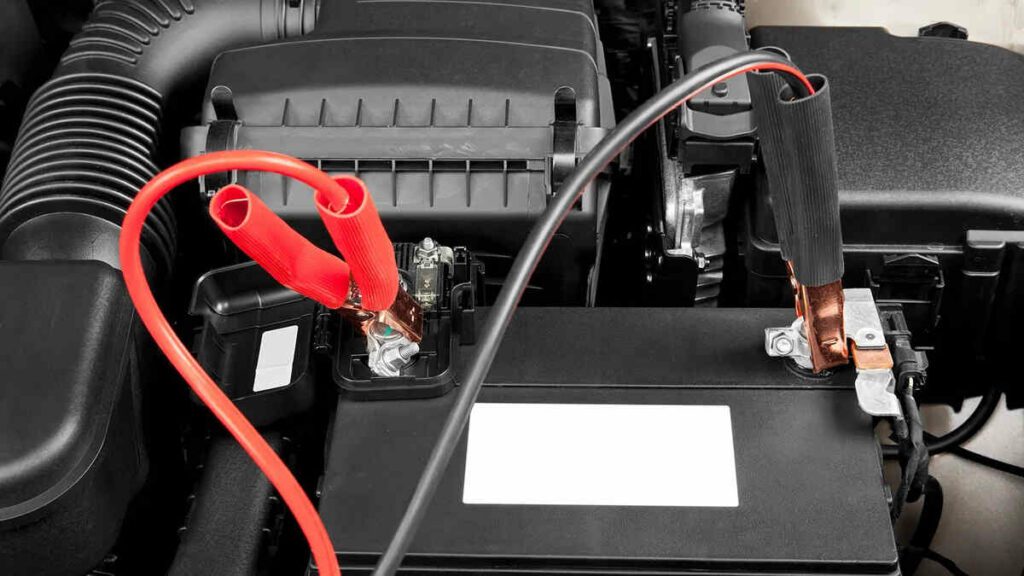
A car battery charges through the alternator while the engine runs, which converts mechanical energy into electrical energy to keep the battery powered.
If you've ever turned the key only to hear a dreaded click, you already know how frustrating a dead battery can be. The good news is that understanding how to charge a car battery can save you time, money, and the hassle of being stranded. With years of hands-on experience maintaining vehicles and troubleshooting electrical systems, I've seen firsthand what works and what doesn't. In this guide, I'll walk you through everything you need to know, from the basics of how a battery charges to step-by-step methods you can use at home or on the road.
How a Car Battery Charges
At its core, a car battery is a rechargeable 12-volt lead-acid battery that stores electrical energy. When your engine is running, the alternator takes over and supplies power to the battery and the rest of the vehicle's electrical components. The alternator is driven by a belt connected to the engine's crankshaft, which means as long as your engine is running, your battery is getting topped off.
Here's a simple breakdown of the charging process:
- The engine turns the alternator belt.
- The alternator generates alternating current (AC).
- A rectifier inside the alternator converts AC to direct current (DC).
- The DC current flows to the battery, restoring its charge.
The battery also powers components like the starter motor, lights, radio, and onboard computers when the engine is off. Once the engine starts, the alternator takes over, keeping everything running and the battery charged.
What Charges a Car Battery While Driving
Your car's alternator is the primary charger for your battery while driving. As long as the engine is running and the alternator is working properly, the battery receives a steady charge. Most modern alternators are designed to maintain a voltage between 13.5 and 14.5 volts, which is ideal for keeping a healthy battery fully charged.
Several factors affect how efficiently your battery charges while driving:
- Driving duration: Short trips don't give the alternator enough time to fully recharge the battery, especially if the battery was drained from a recent start.
- Alternator health: A failing alternator won't produce enough voltage, leading to an undercharged battery.
- Battery condition: Old or sulfated batteries may not hold a charge as efficiently as new ones.
- Electrical load: Running multiple accessories like AC, heated seats, or high-powered audio can reduce the charge rate.
From my own experience, I've found that taking at least a 20 to 30 minute drive after a slow crank or jump-start helps the battery recover a good portion of its charge.
How to Charge a Car Battery at Home
Sometimes your battery needs a boost, especially if it has been sitting idle or if you mostly make short trips. Charging a car battery at home is straightforward and safe if you follow the right steps.
Using a Battery Charger
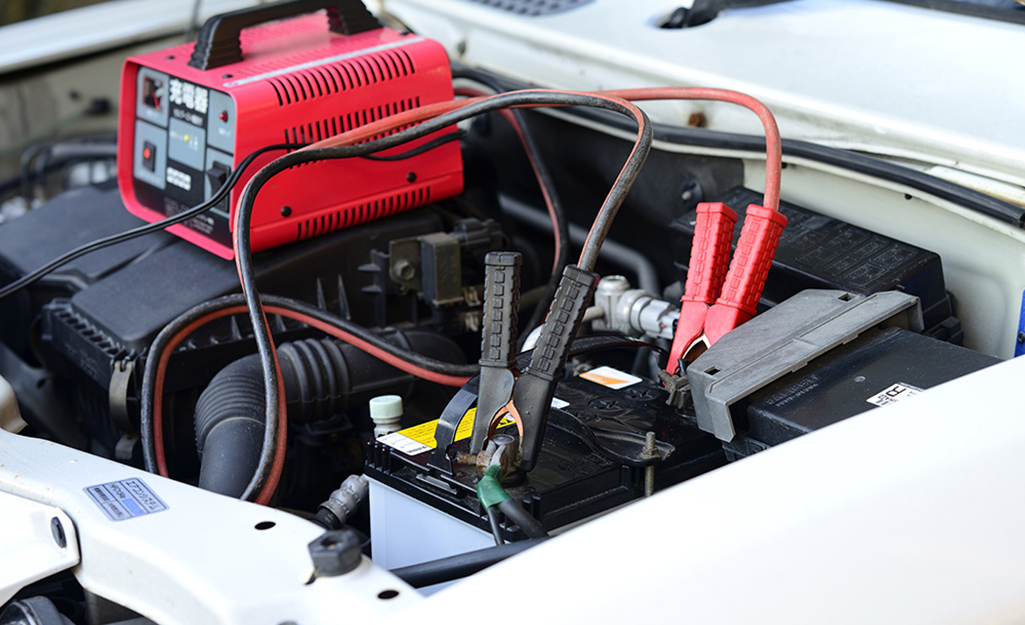
A portable battery charger is one of the most reliable ways to restore a dead or weak battery. Here's how to do it safely:
- Park the vehicle in a well-ventilated area and turn off the engine.
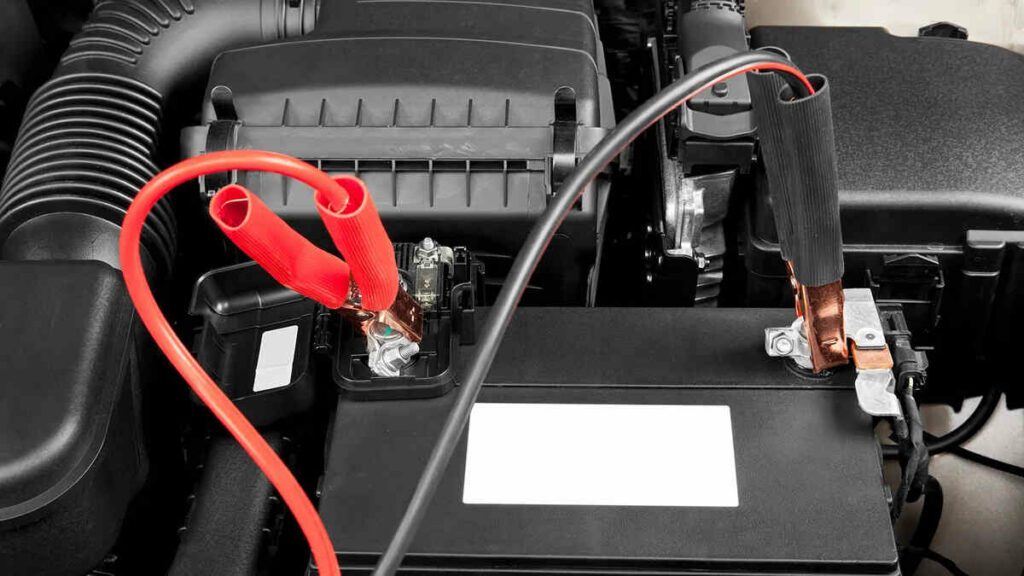
- Connect the red (positive) clamp to the positive terminal of the battery.
- Connect the black (negative) clamp to a grounded metal surface away from the battery.
- Set the charger to the correct voltage (12V) and amperage.
- Turn on the charger and let it run until the battery is fully charged, which can take several hours.
Using a Trickle Charger
A trickle charger is a great option if you want to maintain a battery over time, especially for vehicles that sit for long periods. It delivers a low, steady charge that keeps the battery at full capacity without overcharging it. I personally use one on my classic car during the winter months, and it's kept the battery in great shape for years.
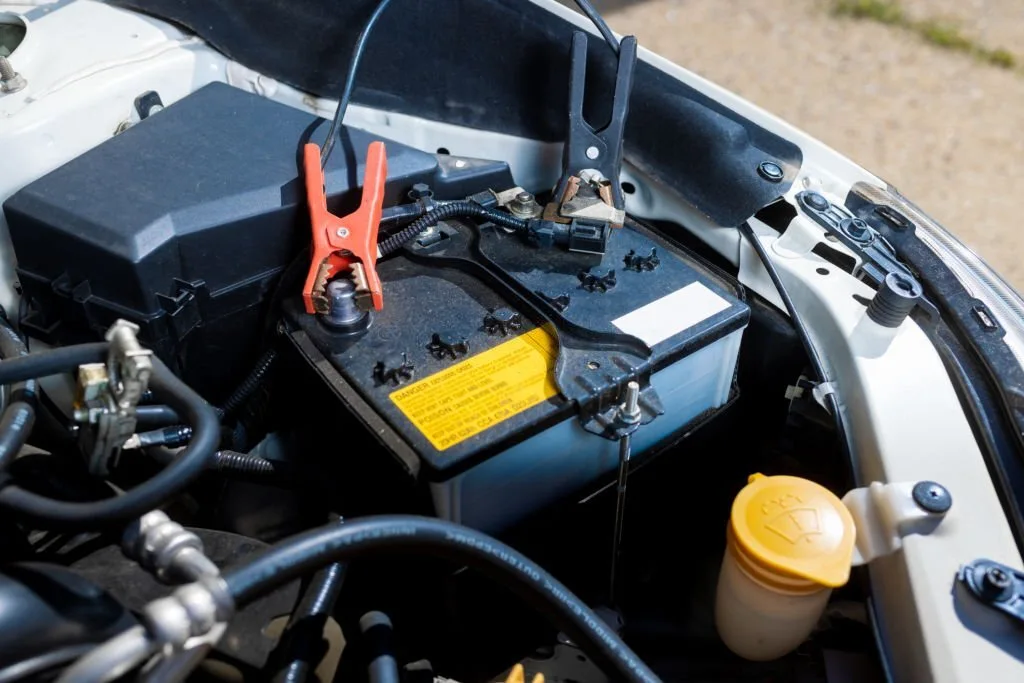
Jump-Starting and Driving
Jump-starting your car from another vehicle is a quick fix, but it doesn't fully charge your battery. After a jump, you should drive for at least 30 minutes to allow the alternator to recharge the battery. Keep in mind that frequent jump-starts can shorten battery life, so it's better to use a proper charger when possible.
How Long Does It Take to Charge a Car Battery
The time it takes to charge a car battery depends on the charger's output and the battery's condition. Here's a general guide:
- 2-amp charger: 24 to 48 hours for a full charge
- 10-amp charger: 4 to 8 hours
- 20-amp charger: 2 to 4 hours
- 40-amp charger (fast charge): 30 minutes to 1 hour
If you're just topping off a slightly discharged battery, it may take less time. However, deeply discharged or sulfated batteries may need a longer, slower charge to recover fully. Avoid using high-amp chargers unless absolutely necessary, as they can generate heat and reduce battery lifespan.
Signs Your Battery Is Not Charging Properly
A car battery that won't hold a charge usually shows warning signs before it dies completely. Paying attention to these symptoms can save you from getting stranded.
- Dim headlights or interior lights
- Slow engine crank or clicking sound when starting
- Battery warning light on the dashboard
- Electrical accessories not working properly
- Swollen or bloated battery case
- Rotten egg smell from the battery
If you notice any of these signs, it's worth testing your battery and alternator. Most auto parts stores offer free battery testing, and it's a quick way to determine whether you need a new battery or just a charge.
How to Maintain a Car Battery for Longer Life
Proper maintenance can extend the life of your car battery by months or even years. Here are some practical tips I've learned over the years:
- Drive regularly: If your car sits for long periods, the battery slowly discharges. Aim to drive at least once a week for 20 to 30 minutes.
- Keep terminals clean: Corrosion on the battery terminals can block the flow of electricity. Clean them with a wire brush and a baking soda solution.
- Check the voltage: A healthy battery should read between 12.4 and 12.7 volts when the engine is off.
- Avoid deep discharges: Don't leave lights or accessories on when the engine is off, as this can permanently damage the battery.
- Secure the battery: Make sure the battery is tightly mounted to prevent vibrations, which can cause internal damage.
Taking care of your battery is one of the easiest ways to avoid unexpected breakdowns. Think of it like going to the dentist, a little routine care goes a long way.
Common Mistakes to Avoid When Charging a Car Battery
Even though charging a battery sounds simple, there are a few common mistakes that can cause damage or even be dangerous.
- Connecting clamps in the wrong order: Always connect positive first, then negative. Reversing this can cause sparks or damage to the electrical system.
- Charging a frozen battery: If your battery is frozen, do not attempt to charge it. Let it thaw first to avoid cracking.
- Overcharging: Leaving a battery on a charger for too long can cause it to overheat and lose electrolyte.
- Using the wrong charger: Make sure your charger matches the battery type (lead-acid, AGM, or gel). Using the wrong setting can reduce battery life.
- Ignoring ventilation: Batteries release hydrogen gas while charging, so always work in a well-ventilated area.
I learned this the hard way early in my career when I left a battery on a charger overnight and came back to a bulging case. Now, I always set a timer or use a smart charger that automatically shuts off when the battery is full.
Different Types of Car Battery Chargers
Not all chargers are created equal. Choosing the right one depends on your needs and how often you plan to use it.
- Standard chargers: Basic models that deliver a fixed charge rate. Affordable but require manual monitoring.
- Trickle chargers: Deliver a slow, steady charge, perfect for long-term maintenance.
- Smart chargers: Automatically adjust the charge rate and shut off when the battery is full. These are my personal favorite because they're safe and easy to use.
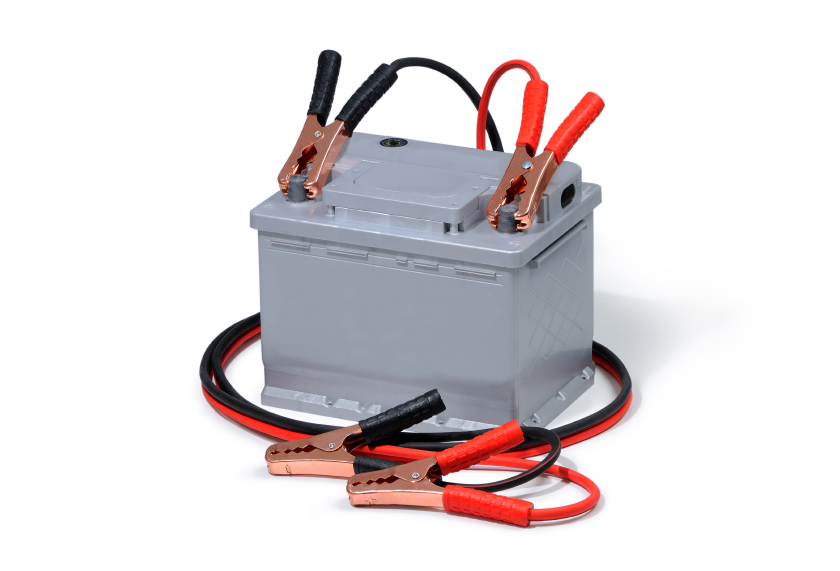
- Jump starters: Portable lithium-ion packs that can start a car without another vehicle. Great for emergencies but don't fully charge a battery.
If you only want to buy one tool for battery maintenance, a smart charger is the way to go. It's like having a personal assistant for your battery, doing all the thinking for you.
How to Tell If Your Alternator Is the Problem
Sometimes the issue isn't the battery but the alternator. If your alternator fails, the battery won't charge no matter how long you drive. Here are a few signs of a bad alternator:
- Battery warning light stays on while driving
- Lights dim or flicker while the engine is running
- Strange noises like whining or grinding from the engine bay
- Electrical accessories malfunctioning
- Frequent dead battery despite recent replacement
A quick way to test this is to start the car and disconnect the negative battery cable. If the engine dies, the alternator is likely the issue. However, I don't recommend doing this on modern vehicles with sensitive electronics, as it can cause voltage spikes. It's safer to have a professional run an alternator test.
Safety Tips for Charging a Car Battery
Safety should always come first when working with car batteries. They contain sulfuric acid and can produce explosive hydrogen gas. Here are some simple but important safety tips:
- Wear gloves and safety glasses to protect yourself from acid and sparks.
- Work in a well-ventilated area to prevent gas buildup.
- Keep flames, sparks, and cigarettes away from the battery.
- Never lean over the battery while charging or jump-starting.
- Read the charger's manual before use.
Treating a car battery with respect goes a long way. Think of it as a small but powerful tool, capable of helping you or hurting you if mishandled.
Frequently Asked Questions
Can a completely dead battery be recharged?
Yes, in most cases a completely dead battery can be recharged using a standard battery charger. However, if the battery is old, sulfated, or physically damaged, it may not hold a charge and will need to be replaced.
Is it better to charge a battery slowly or quickly?
Slow charging is always better for battery health. A slow charge produces less heat and allows the battery to absorb energy more evenly, which extends its lifespan.
How often should I charge my car battery?
You typically don't need to charge your battery manually if your car is driven regularly. However, if your vehicle sits for long periods or you mostly make short trips, charging it once a month can help maintain its health.
Can I charge my car battery without disconnecting it from the vehicle?
Yes, you can charge a battery while it's still connected. Just make sure the charger is set to the correct voltage and avoid touching any metal tools to the terminals while the charger is on.
What is the best type of charger for home use?
A smart charger is the best option for home use. It automatically adjusts the charge rate, prevents overcharging, and is safe for most battery types including AGM and gel batteries.
Conclusion
Understanding what charges a car battery and how to maintain it is one of the smartest things any driver can learn. Your battery is the heart of your vehicle's electrical system, and with a little care, it can last for years without giving you trouble. Whether you drive daily or only on weekends, taking a few minutes to check your battery, keep the terminals clean, and use a smart charger when needed can save you from the frustration of a dead battery at the worst possible moment. If you found this guide helpful, feel free to share it with fellow drivers or leave a comment with your own battery tips and experiences.