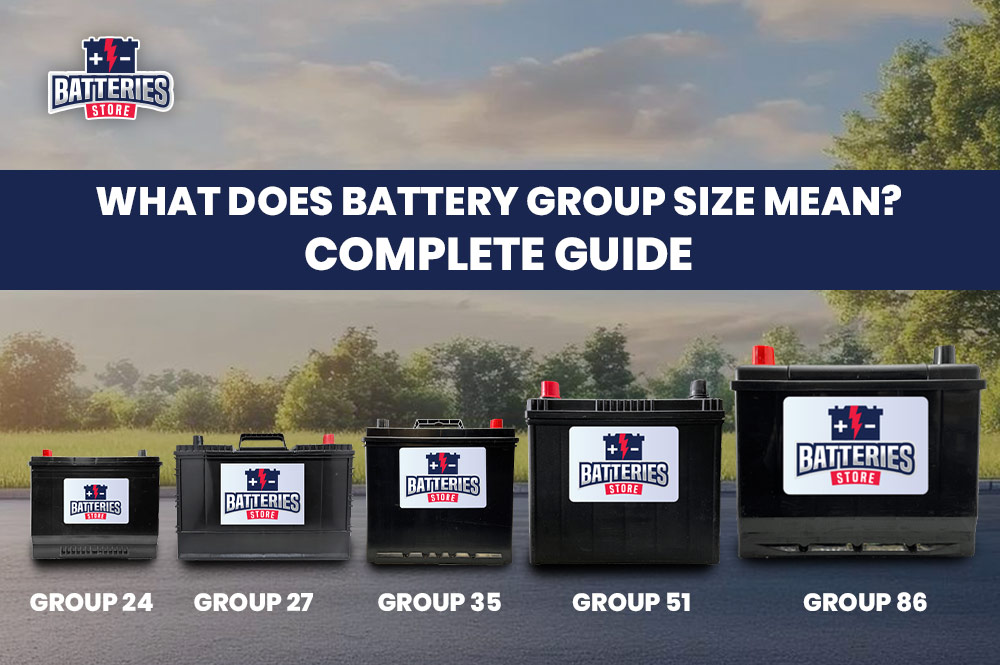
Car battery group size refers to the standardized physical dimensions, terminal layout, and power capacity that ensure the battery matches your vehicle's specifications.
Think of it like buying a new pair of shoes. You wouldn't grab just any pair off the shelf, right? You'd check the size, the fit, and whether it suits the occasion. A car battery works the same way. The group size is basically the shoe size of the battery world. It tells you if the battery will physically fit in your car's tray, if the terminals will line up correctly with your cables, and if it has enough juice to start your engine reliably. Picking the wrong group size is like wearing shoes that are two sizes too small. It might technically go on, but it won't be comfortable, and it certainly won't perform the way it should.
Over the years, I've helped dozens of friends and family members replace their car batteries, and the most common mistake I see is people grabbing whatever looks cheapest or whatever fits loosely in the tray without checking the actual group number. That mistake can lead to poor starts, damaged cables, or even a battery that vibrates loose over time. Understanding group size is one of those small pieces of car knowledge that pays off big when you're standing in the auto parts aisle wondering which box to grab.
The Basics of Battery Group Size
At its core, battery group size is a classification system created by the Battery Council International, or BCI. This system standardizes the physical size, terminal position, and sometimes the type of terminal on a battery. Before this system existed, replacing a battery was a bit of a guessing game. Manufacturers had their own unique dimensions, and finding a compatible replacement often meant visiting a dealership or measuring things with a tape measure in the parking lot.
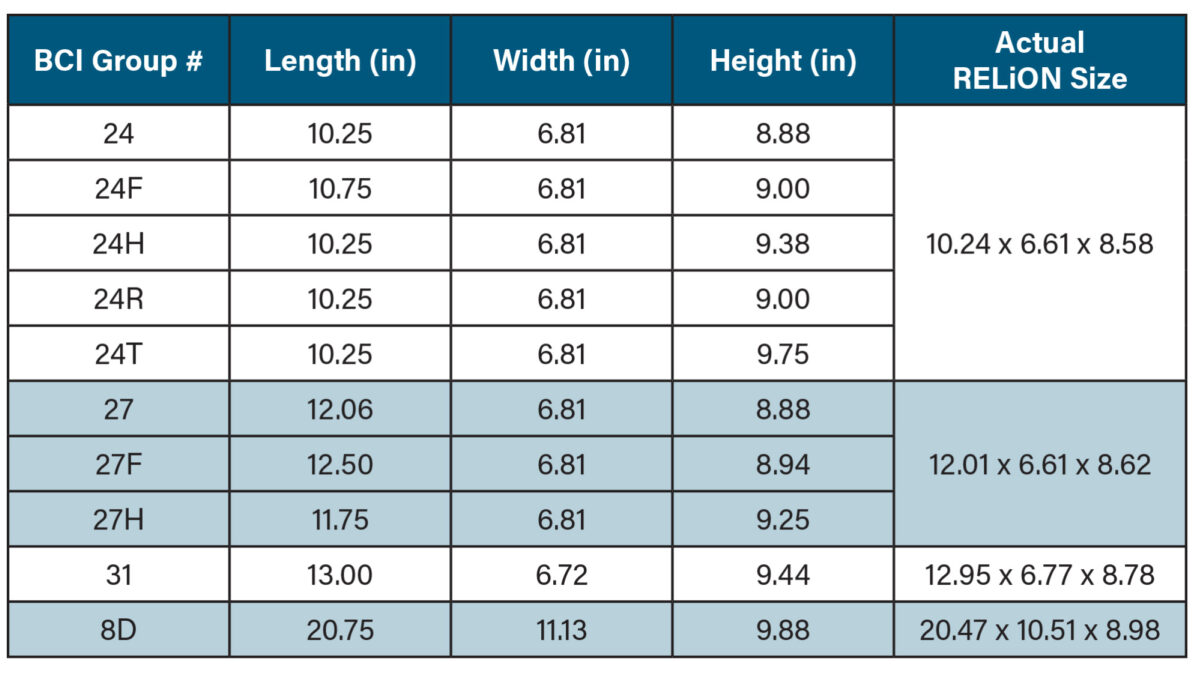
The BCI group number solves this problem by assigning a universal code to batteries that share the same dimensions and layout. For example, Group 24, Group 35, and Group 48 are all common codes you'll see on batteries at any auto parts store. Each number tells you something specific about the battery's length, width, height, and where the positive and negative terminals sit.
I remember the first time I bought a battery on my own. I walked into the store, pointed at a battery that looked similar to the one in my car, and asked for it. The clerk asked, "What group size do you need?" I stared at him blankly. He walked me over to my old battery, pointed at a small sticker that said "Group 35," and that was the moment I realized I'd been car-illiterate for years. Now I always check that number first.
How the BCI Standardization Works
The Battery Council International created this classification to bring order to what could easily become chaos. Without a universal standard, every battery manufacturer could design their products with unique dimensions, and you'd be stuck buying directly from your car maker at inflated prices.
The BCI system assigns numbers based on several factors:
- Physical dimensions including length, width, and height
- Terminal location, whether the positive terminal is on the left or right
- Terminal type, such as top post or side post configurations
- Sometimes the cold cranking amps capacity range
This means when you see a battery labeled Group 35, you know exactly what shape it will be and how it will fit. You don't need to pull out a ruler or guess whether your cables will reach. The standardization is what makes aftermarket batteries practical and affordable.
Why Group Size Matters for Your Vehicle
Choosing the wrong group size isn't just about convenience. It can actually cause real problems for your car. The battery tray in your vehicle is designed to hold a specific size. If you stick a battery that's too small in there, it can slide around as you drive. That movement might not seem like a big deal, but over time it can damage the internal plates of the battery and shorten its lifespan. I've seen batteries that were held down with makeshift shims made of cardboard, and they never lasted more than a year or two.
If the battery is too big, it simply won't fit, or you'll have to force the hold-down bracket into a position that puts stress on the battery case. Either scenario is bad news. Beyond the physical fit, the terminal location matters too. If your car has cables that reach to a specific side and you buy a battery with terminals in the wrong position, you'll find yourself in a frustrating situation with positive and negative cables that won't reach.
The performance aspect matters as well. Different group sizes are typically designed for different types of vehicles. A compact car battery might not have enough cold cranking amps to reliably start a truck in freezing weather. The group size often correlates with the power capacity your vehicle was engineered to use.
Real-World Consequences of Wrong Sizing
Let me tell you about a friend who learned this lesson the hard way. He bought a used sedan and needed a new battery. He grabbed whatever was on sale without checking the group size and installed it himself. The car started fine for a few weeks, but then he started having intermittent starting issues. Turns out, the battery was slightly narrower than the original, and as he drove over bumps, it would shift just enough to cause a momentary loss of connection. He ended up replacing it again with the correct group size, and his starting problems vanished.
Another common issue is terminal polarity. Some vehicles have the positive terminal on the left, others on the right. If you install a battery with reversed polarity, at best your cables won't reach. At worst, you could create a dangerous situation where you accidentally cross the terminals and cause sparks or damage to your electrical system. This is why checking the group size is non-negotiable when buying a replacement.

How to Find the Right Group Size for Your Car
Finding the correct group size for your vehicle is actually pretty straightforward once you know where to look. You have a few reliable options that take the guesswork out of the equation.
Check Your Owner's Manual
This is the easiest and most reliable method. Your vehicle's owner's manual will list the recommended battery group size in the maintenance or specifications section. Most manuals have a page dedicated to battery information that includes the group number, minimum cold cranking amps, and sometimes the recommended brand or type.
Look at Your Current Battery
If your car still has the original battery or a previous replacement that's the correct size, the group number is usually printed right on the label. It's often near the brand name and model number. Look for a number that follows the word "Group" or just a standalone number that matches the BCI standard.
Use Online Fitment Guides
Most auto parts retailers and battery manufacturers have online tools where you enter your vehicle's year, make, model, and engine type. The tool will return a list of compatible batteries with their group sizes. These tools are incredibly handy because they often show you multiple options that fit your car, giving you choices based on price and performance.
Ask a Professional
If you're still unsure, any reputable auto parts store can look up the correct battery for your vehicle. Just bring your car's make, model, and year, and they can tell you exactly which group size fits your tray and meets your electrical needs.
I always recommend checking multiple sources when possible. If your owner's manual says Group 35, but you find a Group 24 battery that physically fits, there's probably a reason your manufacturer specified Group 35. Trust the engineering and stick with what your vehicle was designed to use.
Common Battery Group Sizes Explained
While there are dozens of group sizes in the BCI system, a handful cover the majority of vehicles on the road today. Understanding the most common ones can help you feel more confident when shopping for a replacement.
Group 24 and 24F
These are very common in many domestic and import vehicles, particularly older models. Group 24 typically has the positive terminal on the left, while 24F has it on the right. They offer a good balance of size and capacity for mid-sized cars.
Group 35
This is one of the most popular group sizes, especially for Japanese vehicles like Honda, Toyota, Nissan, and Subaru. Group 35 batteries are compact but provide solid cranking power. Many compact and mid-size cars use this size.
Group 47 (H5)
Also known as H5 in some classifications, this size is common in many General Motors vehicles, particularly Buick, Chevrolet, and GMC models. It offers good power in a relatively compact package.
Group 48 (H6)
This is a larger battery commonly found in European vehicles and some luxury models. It provides higher cranking amps and reserve capacity, which is necessary for vehicles with lots of electronic features.
Group 65
Found primarily in Ford vehicles and some larger domestic cars, Group 65 batteries are bigger and pack more power. They're common in trucks and SUVs that need extra cranking power for larger engines.
Group 75
Common in some Chrysler, Dodge, and Jeep vehicles, Group 75 batteries are designed for vehicles with moderate to high electrical demands.
Understanding these common sizes helps you navigate the battery aisle with more confidence. When someone mentions Group 35, you'll know exactly what kind of vehicle they might be talking about.

Group Size vs. Battery Specifications
It's important to understand that group size is just one piece of the battery puzzle. It tells you about physical fit and terminal layout, but it doesn't tell the whole story about performance. You also need to pay attention to other specifications that affect how well the battery works in your vehicle.
Cold Cranking Amps (CCA)
This measures the battery's ability to start your engine in cold temperatures. Higher CCA means easier starts in freezing weather. Your vehicle has a minimum CCA requirement, and you want to meet or exceed that number.
Reserve Capacity (RC)
This tells you how long the battery can run your vehicle's essential accessories if the alternator fails. Higher reserve capacity gives you more time to get to safety before the battery dies.
Amp Hours (Ah)
This measures the battery's total energy storage. It's especially important for vehicles with high electrical loads or for those who use accessories when the engine is off.
A battery can be the correct group size but still be the wrong choice if it doesn't meet your vehicle's power requirements. For example, a Group 35 battery with low CCA might physically work, but it'll leave you stranded on a freezing morning when your engine needs maximum cranking power. Always check that the battery meets or exceeds all your vehicle's specifications, not just the physical size.
Can You Use a Different Group Size Battery?
This is a question I get asked frequently, and the answer is: it depends. In some cases, you can use a battery from a different group size if it physically fits and the terminals align correctly. However, this should be done with caution and ideally after consulting your vehicle's manufacturer or a trusted mechanic.
Some enthusiasts upgrade to a higher-capacity battery by choosing a group size that offers more power while still fitting in the tray. This can be a good modification for vehicles with high electrical demands, like those with powerful sound systems or auxiliary lighting. However, the battery must still fit securely, and the terminals must connect without forcing or modifying the cables.
On the flip side, going to a smaller group size to save money is almost always a bad idea. You'll likely sacrifice cranking power and reserve capacity, and you risk the battery not being held securely in the tray. The small amount of money you might save isn't worth the potential headaches down the road.
In my experience, the only time I'd consider a different group size is when the recommended size is discontinued or unavailable, and an equivalent alternative exists. Otherwise, stick with what your vehicle was designed to use.
Tips for Buying the Right Replacement Battery
After years of buying batteries for myself and helping others, I've developed a few tips that make the process smoother and help avoid costly errors.
- Check the manufacturing date. Batteries lose charge while sitting on shelves, so look for one that's been freshly manufactured.
- Buy from a reputable retailer that offers a warranty and easy returns.
- Consider the climate you live in. If you're in a cold climate, prioritize higher CCA ratings.
- Don't forget about terminal type. Make sure the new battery has the same terminal configuration as your old one.
- Recycle your old battery properly. Most auto parts stores will take your old battery and give you a core credit.
- Have your charging system tested. A new battery won't stay healthy if your alternator isn't charging it properly.
These small steps can save you from early battery failure and ensure your new battery lasts as long as possible.
Frequently Asked Questions
Does group size affect battery life?
Group size itself doesn't directly affect battery life, but choosing the correct size ensures proper fit and reduces vibration damage. A battery that's the wrong size can experience excessive movement, which can shorten its lifespan over time.
Can I use a higher CCA battery than recommended?
Yes, using a battery with higher cold cranking amps than the minimum requirement is perfectly fine and can actually provide better starting performance, especially in cold weather. Just make sure the physical group size still matches your vehicle.
What happens if I install a battery with reversed terminals?
If the positive and negative terminals are in the wrong positions, your battery cables won't reach or will be reversed, which can cause electrical damage or dangerous sparks. Always verify terminal orientation before installation.
Is group size the same as battery model number?
No, group size is a standardized classification based on physical dimensions and terminal layout. The model number is a unique identifier created by the battery manufacturer and can include various specifications and features.
Do electric vehicles use the same battery group sizes?
No, electric vehicles use completely different battery systems that are not classified under the traditional BCI group size system. Electric vehicle batteries are much larger and serve a different purpose than starting batteries.
Wrapping Up the Battery Group Size Conversation
Understanding car battery group size is one of those practical skills that makes vehicle ownership easier and less stressful. It's the key to ensuring your replacement battery fits perfectly, connects properly, and delivers the power your car needs. The standardized system takes the guesswork out of the equation, but only if you know how to use it.
Remember to always check your owner's manual, look at your current battery, or consult a fitment guide before making a purchase. And don't forget that group size is just one factor. Pay attention to CCA, reserve capacity, and warranty terms to get the best value and performance from your investment.
If you're due for a new battery, take a few minutes to verify your vehicle's group size and specifications before heading to the store. Your car will thank you with reliable starts and a long-lasting battery. And if you found this guide helpful, consider sharing it with a friend who's about to tackle their first battery replacement. There's nothing quite like the confidence of knowing you picked the right part for the job.