Your EV won't just die instantly like a gas car — it will warn you well in advance, slow down gradually, and come to a safe stop with power left for hazards and accessories.
Picture this: you're cruising down a quiet highway in your shiny electric car, enjoying the smooth ride and zero tailpipe emissions, when suddenly the dashboard lights up with a warning you've never seen before. Your heart skips a beat. What happens if your electric car runs out of battery? Will it just stop in the middle of the road? Will you be stranded? Will it damage the car? These are real concerns for new EV owners, and honestly, they keep many people from making the switch from gas to electric. I remember the first time I drove my EV past the point where my old instincts told me to "find a gas station" — it was a moment of genuine curiosity mixed with just a hint of anxiety. After years of driving electric vehicles, talking to mechanics, and reading every owner's manual I could get my hands on, I can walk you through exactly what happens, step by step, so you can drive with confidence.
Understanding Your EV's Battery Warning System
Electric cars are basically computers on wheels, and their battery management systems are incredibly smart. Long before you actually run out of juice, your car will give you multiple warnings to find a charging station.
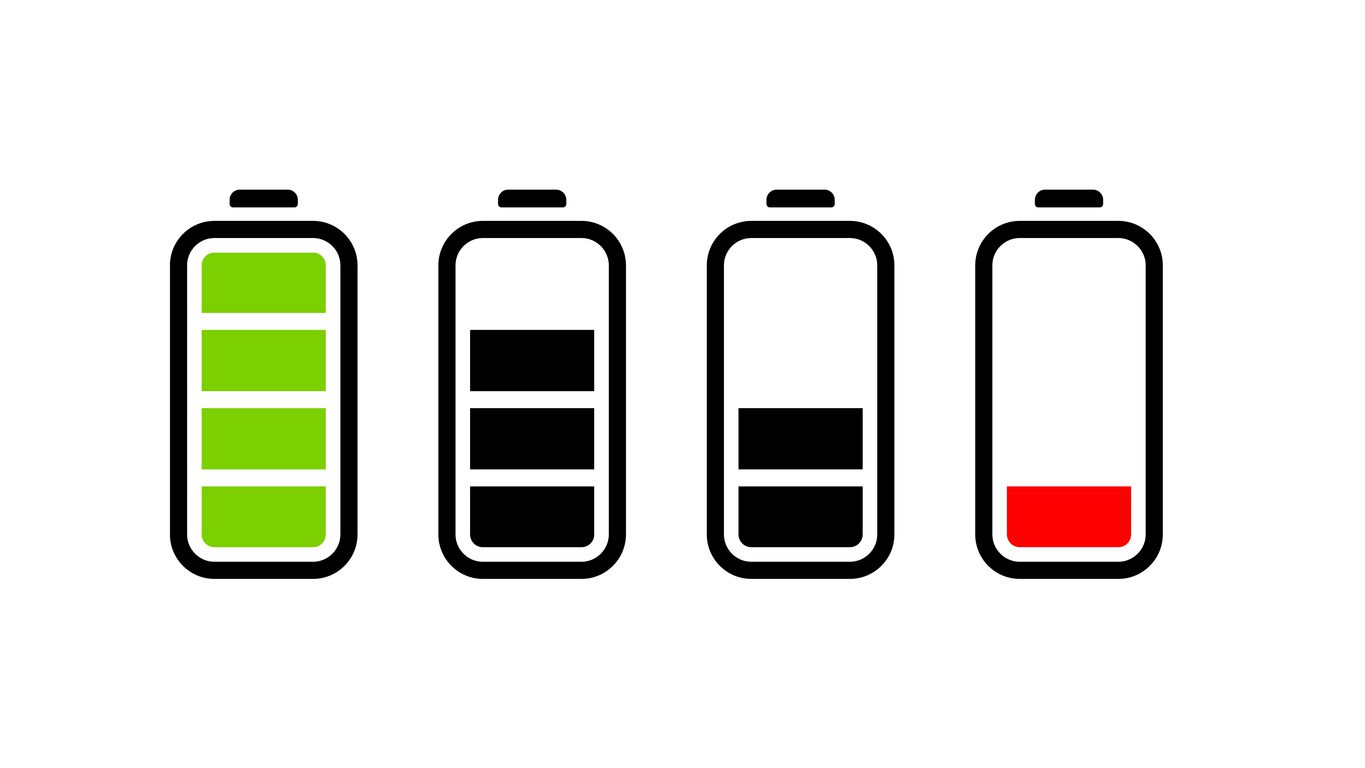
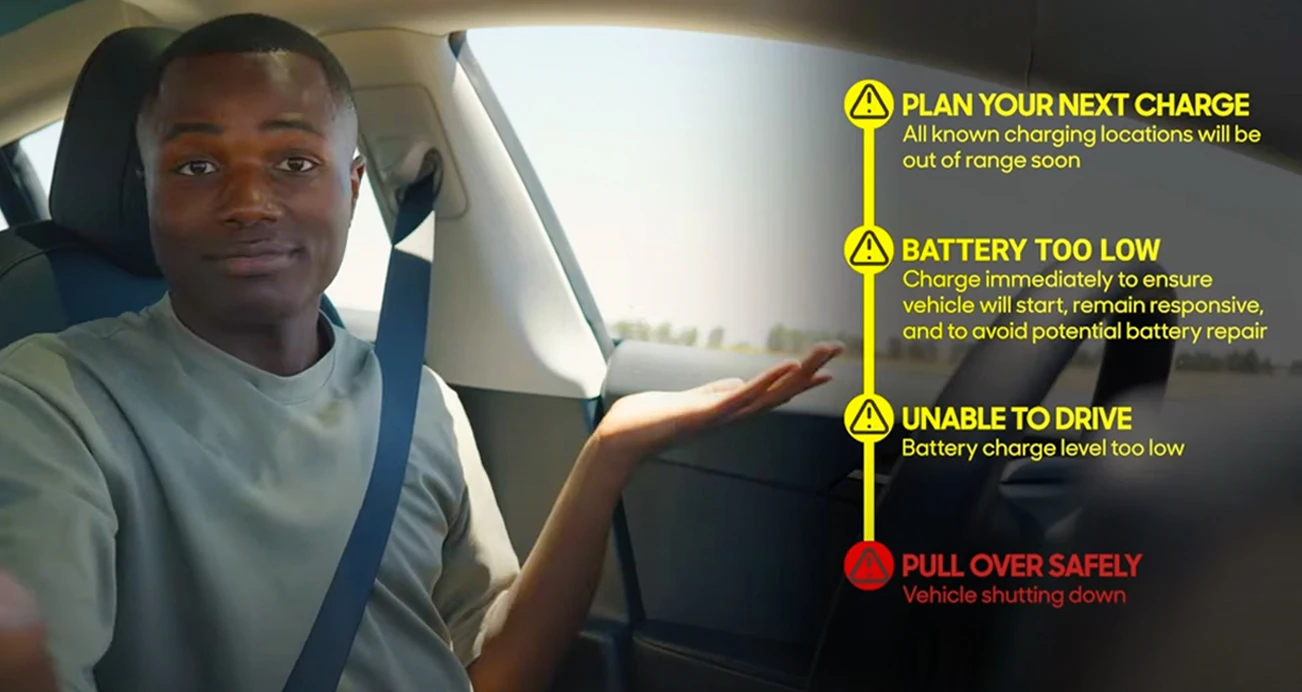
The moment your battery drops below 20 percent, you'll typically see a yellow or amber turtle icon appear on your dashboard. This isn't just a friendly reminder — it's your car's way of telling you that power is getting limited. Your top speed may reduce, and your acceleration will feel softer. Think of it like your phone switching to low power mode to save what it has left.
Once you hit around 10 percent, the warnings become more urgent. You'll hear chimes, see flashing lights, and get pop-up messages on your screen saying things like "Charge Soon" or "Low Battery." The car will start actively suggesting nearby charging stations through its navigation system.
At about 5 percent, things get serious. The car enters what many manufacturers call "turtle mode" or "limp mode." Power output drops significantly. You're not going anywhere fast. The car is doing everything it can to give you enough range to pull over safely.
By the time you hit zero percent on the display, most EVs still have a hidden buffer of 3 to 5 percent of battery reserved specifically to keep critical systems running. This is called a reserve or buffer range, and it's designed to protect the battery from deep discharge damage.
What Happens in the Final Miles
Once your range display hits zero, your car doesn't just lock up and refuse to move. Instead, it goes into a controlled shutdown sequence that prioritizes safety.
Your driving power will cut off gradually rather than abruptly. You'll feel the car slowing down naturally, almost like downshifting in a manual transmission car. The steering will get heavier because power steering needs electricity, but you'll still have enough muscle to maneuver to the side of the road. Brakes will work, but they'll require more pedal pressure since the regenerative braking system is offline.
You'll still have access to hazard lights, which is huge for safety. You can turn them on to alert other drivers that you're having an issue. Some EVs even keep the infotainment screen running for a few minutes so you can call for help or find a nearby charger using the built-in map.
In most modern EVs, when you finally come to a complete stop with zero battery, the car will automatically shift into park and engage the parking brake. You won't roll away. The 12-volt auxiliary battery that powers your lights, locks, and computer will still work for a while, so you can use your phone charger, listen to the radio for a bit, and even roll up your windows.
The Real-World Experience of Running Out of Battery
I had a friend who actually ran his Nissan Leaf completely dead on a rural road in Texas a few years back. He told me the whole experience was more embarrassing than scary. The car gave him warnings for nearly 30 miles before it actually stopped. By the time he pulled into a parking lot and put the car in park, he had enough power left in the buffer to keep his hazards blinking for over an hour while he waited for roadside assistance.
Another driver I spoke with ran out of battery in a Tesla Model 3 during a snowstorm. She said the car maintained heat for about 15 minutes after the main battery died because of the thermal management buffer. This kept her warm until help arrived, which she said made a huge difference in her comfort and safety.
These stories aren't rare, and they highlight an important truth: EVs are designed with multiple safety nets specifically for this scenario. Manufacturers know it will happen occasionally, and they've engineered their vehicles to handle it gracefully.
How This Compares to Running Out of Gas
If you've ever driven a gas car until it sputtered to a stop, you know that experience too. The engine typically starts misfiring, the check engine light flashes, and then the car jerks to a halt. There's usually no warning beyond a low fuel light, and once you're out, you're out completely. You can't even run your hazards for long without risking your battery dying too.
Electric cars actually handle this situation more gracefully than gas cars in many ways. The gradual power reduction gives you time to react. The buffer battery keeps safety systems active. The built-in navigation actively routes you to the nearest charger when you're getting low. You get multiple escalating warnings instead of one single low-fuel alert.
The one area where gas cars have an advantage is the quick refueling time. Five minutes at a pump versus 30 minutes to an hour at a fast charger. But for emergency situations, both will leave you waiting for help.
What to Do If You Run Out of Battery
First, stay calm. Your car is designed to handle this. Put your hazards on immediately to alert other drivers. If you're on a highway, try to coast to the shoulder or an exit. If you're in traffic, do your best to move out of the flow of cars.
Next, check your surroundings. Look for the nearest building, parking lot, or safe spot where you can wait. Many EVs come with roadside assistance included, especially if you're within your warranty period. Tesla, for example, offers roadside charging in many areas. Other manufacturers partner with services that will come to you with a portable charger or tow you to the nearest station.
If you have roadside assistance through your insurance or a service like AAA, give them a call. They have equipment to either give you enough juice to reach a charger or tow your car to one. You can also use apps like PlugShare to find the closest charger and possibly walk to it if it's nearby, though that's usually not practical.
Don't try to push the car yourself. EVs are heavy, often over 4,000 pounds, and you risk injury or damaging the vehicle. Just wait for help.
How to Prevent Running Out in the Future
The best solution is prevention, and it's easier than you think. Most EVs have trip planning features that factor in elevation changes, weather, and your driving style to give you accurate range predictions. Use them.
Set your charging limit to 80 percent for daily driving and only charge to 100 percent when you need the extra range for a long trip. This protects your battery long-term and gives you flexibility.
Download charging apps like ChargePoint, EVgo, or Tesla's app to find stations on your route before you leave. Plan your charging stops around meals or coffee breaks so the wait feels productive.
Keep your tires properly inflated. Low rolling resistance tires at the right pressure can add several miles of range. Avoid aggressive acceleration and use regenerative braking whenever possible. Drive at moderate speeds on the highway since aerodynamic drag increases exponentially above 60 mph.
Most importantly, trust your car's navigation. When it tells you to charge, charge. When it suggests a station, trust it. The car knows its own range better than your gut feeling does.
Common Myths Debunked
There's a persistent myth that running an EV battery to zero will destroy it. This used to be true with early lithium-ion batteries, but modern EVs have sophisticated battery management systems that prevent deep discharge damage. The buffer built into your car exists specifically to protect the battery.
Another myth says you'll be stranded forever if you run out. In reality, roadside assistance for EVs is growing rapidly. Most new EVs come with complimentary roadside assistance for the first few years of ownership, and the infrastructure to charge stranded vehicles is expanding every month.
Some people worry about voiding their warranty by running the battery low. You won't. Manufacturers understand this happens, and they account for it in their battery design. As long as you don't repeatedly run the battery to absolute zero and leave it there for weeks, you're fine.
The Bottom Line on EV Range Anxiety
Running out of battery in an EV is inconvenient, but it's not the catastrophe many people imagine. Your car will warn you well in advance, reduce power gradually to give you time to pull over, and maintain enough reserve to keep safety systems running. You'll have lights, hazards, and the ability to call for help.
Compared to running out of gas, the experience is actually more controlled and safer. The main difference is the time it takes to get back on the road. A tow or roadside charge takes longer than a gas can refill, but it's getting faster and more accessible every year.
If you're new to EVs, give yourself permission to learn the system. Drive a little conservatively at first. Plan your routes. Trust the technology. Within a few weeks, range anxiety will fade into the background like any other habit you've mastered.

Frequently Asked Questions
Can you push an electric car if it runs out of battery?
You can technically put it in neutral and roll it, but it's extremely heavy and not recommended for safety reasons. The parking brake usually releases electronically, but in many EVs you can manually release it for towing purposes. Your best bet is calling roadside assistance rather than trying to push it yourself.
How accurate is the EV range estimate?
Modern EVs are quite accurate, usually within 5 to 10 percent of actual range when conditions are normal. However, factors like cold weather, headwinds, climbing steep hills, or driving at high speeds can reduce your actual range significantly. Always add a buffer to your trip planning, especially in winter.
Will running out of battery damage my EV permanently?
No, not if it happens occasionally. Modern electric vehicles have battery management systems that prevent the kind of deep discharge that damages lithium-ion cells. The buffer zone is there specifically to protect the battery. Just don't leave the car sitting at zero percent for extended periods.
How far can I drive after the battery shows zero percent?
It depends on the vehicle, but most EVs will give you between 5 and 15 miles of reduced-speed driving after the display hits zero. This is the safety buffer designed to get you to a charger or safe location. Some vehicles will give you even less if you're driving aggressively.
What should I keep in my car for emergencies?
Beyond the standard emergency kit, consider keeping a portable Level 1 charger that works with any standard outlet. While slow, it can give you enough range to reach a real charger. A tow strap rated for your vehicle's weight is also useful. And keep your roadside assistance number handy, either saved in your phone or written down in case your phone dies.

Your electric car running out of battery is a manageable situation, not a crisis. Trust the warnings your car gives you, plan ahead with charging stops, and remember that millions of drivers have been in the same situation and come out just fine. The technology is designed to protect you and your battery, and the support network for stranded EV drivers is stronger than ever. Drive with confidence, stay aware of your range, and enjoy the smooth, quiet ride that makes EVs so special in the first place. Got more questions about EV ownership or specific scenarios you want covered? Drop them in the comments below, and I'll help you navigate the world of electric driving.