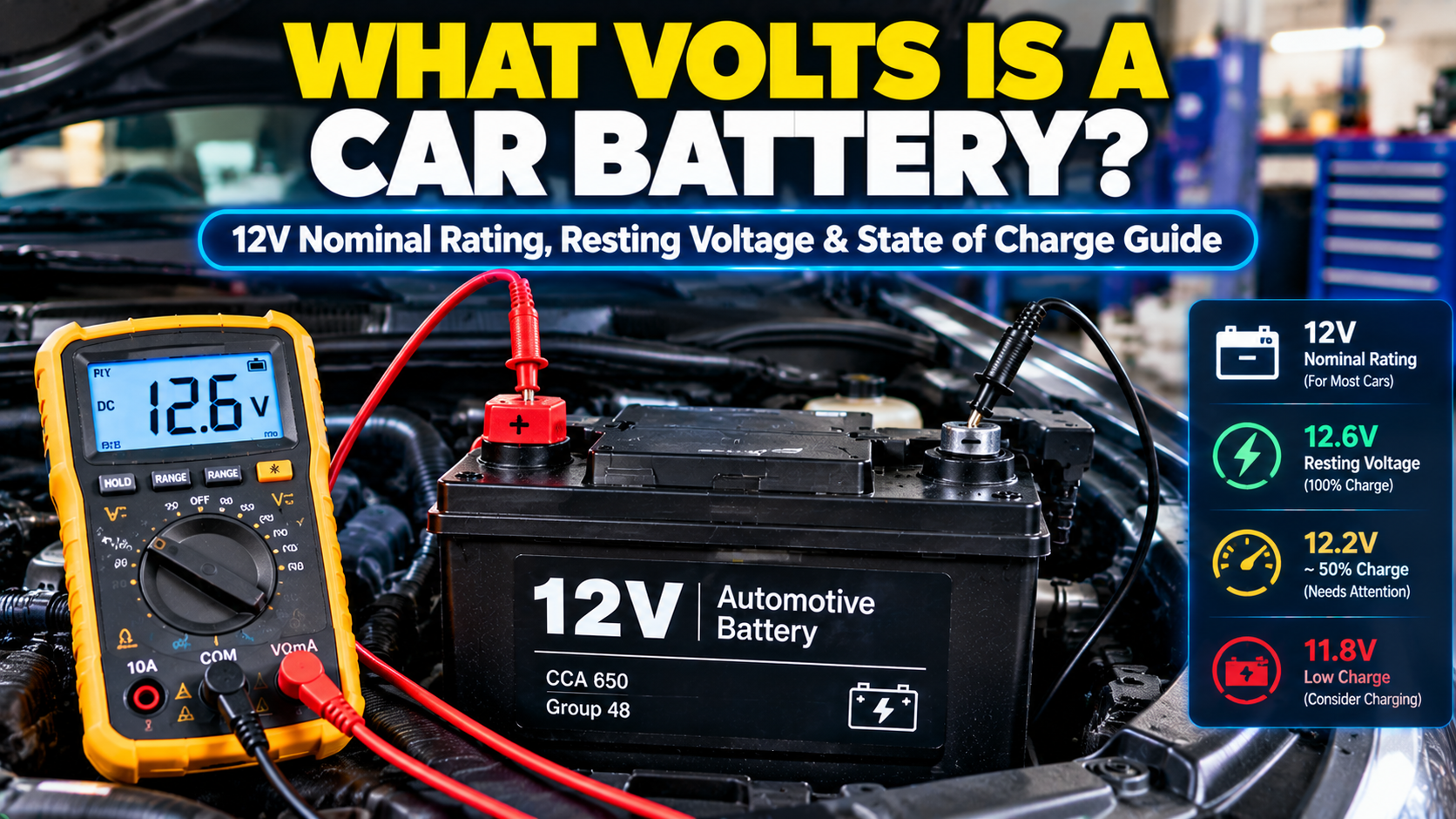
A standard car battery is 12.6 volts when fully charged, delivering the power needed to start your engine and run electrical systems.
Understanding car battery voltage isn't just for mechanics. Whether you're a daily commuter, a weekend road trip lover, or someone who just wants to keep their vehicle reliable, knowing how many volts a car battery has can save you from being stranded on a cold morning. I've been around cars long enough to know that a dead battery always seems to happen at the worst possible time. So let's break down everything you need to know, from the basics of voltage to what those numbers on your multimeter really mean.
What Voltage Really Means in a Car Battery
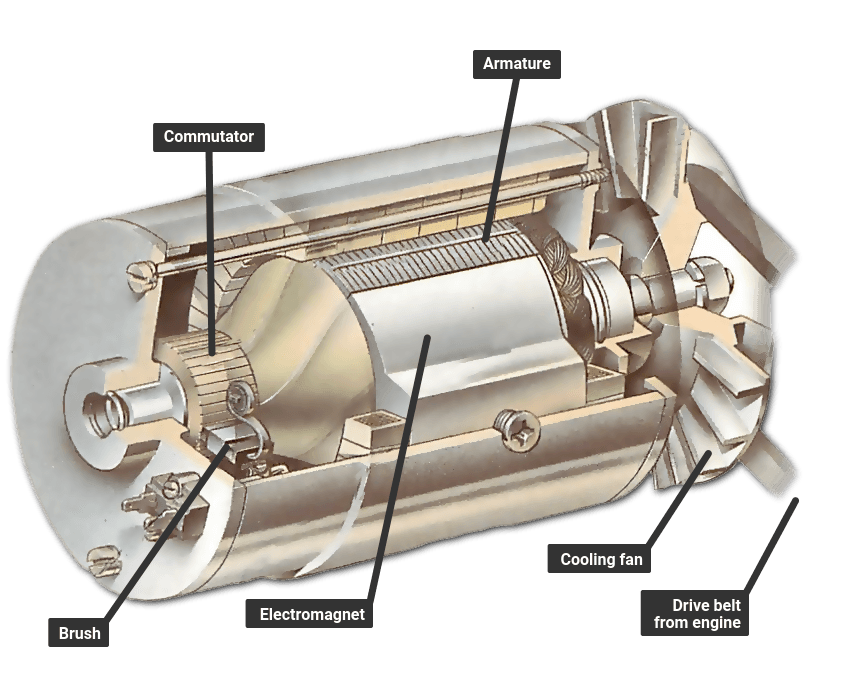
Think of voltage as the electrical pressure that pushes current through your car's system. A typical car battery is a 12-volt lead-acid battery, but that doesn't mean it always sits exactly at 12 volts. When the engine is off and the battery is at rest, a healthy, fully charged battery actually reads around 12.6 volts. When the engine is running, your alternator pushes that reading up to somewhere between 13.7 and 14.7 volts to keep the battery topped off.
The reason we call it a "12-volt battery" is mostly historical. Early automobiles used 6-volt systems until the 1950s, when 12-volt systems became the standard because they could handle the growing demand for electrical accessories like radios, lights, and heating.
Why 12 Volts Became the Standard
The shift from 6-volt to 12-volt systems happened for good reasons. Higher voltage means thinner wires can carry the same amount of power, which reduces weight and cost. It also makes starting the engine easier because modern cars need more cranking power than older models.
I remember helping my neighbor troubleshoot his classic Chevy, which still ran a 6-volt system. The starter turned over slowly, and the headlights looked like candle flames compared to modern cars. Once you experience both systems side by side, you quickly appreciate why 12 volts won the battle.
What Different Voltage Readings Tell You
Your battery voltage tells a story. Here's a quick guide I've relied on for years when checking batteries:
- 12.6 volts or higher: Fully charged and healthy
- 12.4 volts: About 75% charged, still good for most situations
- 12.2 volts: Roughly 50% charged, time to think about charging
- 12.0 volts or lower: Discharged, probably won't reliably start your car
- Below 11.8 volts: Severely discharged, may be damaged from sulfation
If you ever see your voltage gauge dip below 12 volts while the engine is running, that's a red flag. It usually means your alternator isn't charging the battery properly, and you'll want to get that checked before it leaves you stuck somewhere.
Cold Cranking Amps vs Voltage
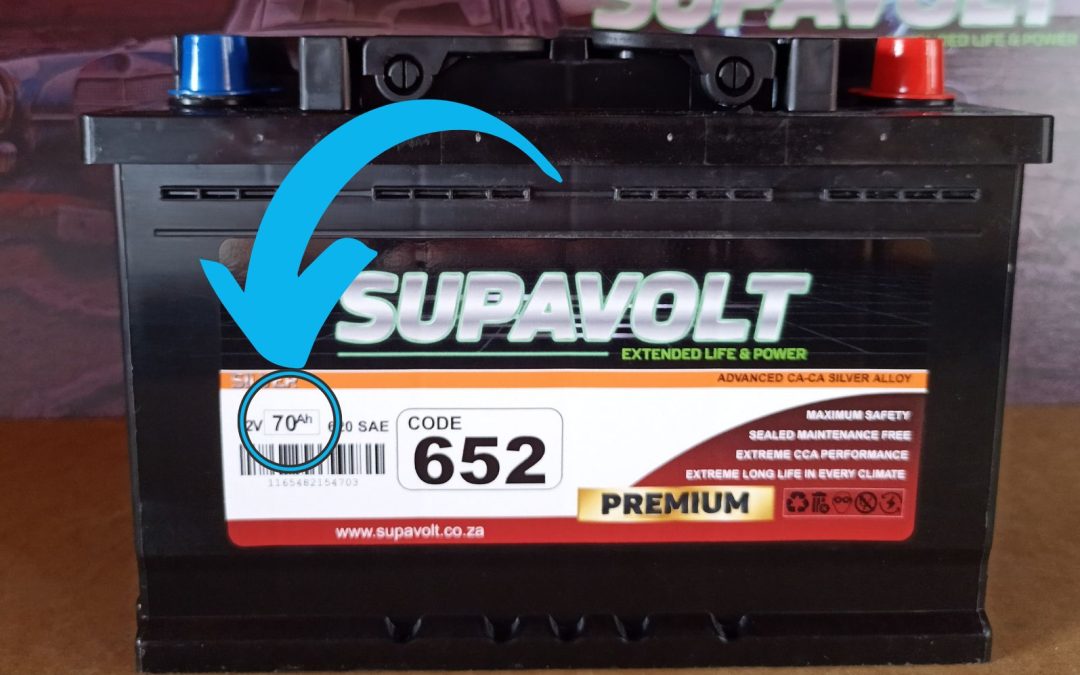
People often confuse voltage with cold cranking amps (CCA), but they measure different things. Voltage is the pressure, while CCA measures how much current the battery can deliver at 0°F for 30 seconds while maintaining at least 7.2 volts. A battery might have the right voltage but still fail to crank your engine if the CCA rating is too low for your climate.
Living in a place with harsh winters taught me this lesson the hard way. I had a battery that tested at 12.4 volts, which looked fine on paper. But when temperatures dropped to -10°F, the engine barely turned over because the battery didn't have enough CCA for the cold. Now I always match the CCA rating to my climate and vehicle needs.
How to Test Your Car Battery Voltage
Testing your battery is one of the easiest DIY jobs out there. You only need a digital multimeter, which you can pick up for under $20. Here's how I do it:
- Turn off your engine and all accessories, including lights and the radio.
- Open the hood and locate your battery, usually near the front of the engine bay.
- Set your multimeter to DC voltage, usually the 20V setting.
- Connect the red probe to the positive terminal, marked with a plus sign.
- Connect the black probe to the negative terminal, marked with a minus sign.
- Read the display and compare it to the voltage chart above.
For the most accurate reading, let the car sit overnight before testing. Surface charge from a recent drive can give you a falsely high reading that drops once the battery rests.
Different Vehicles, Different Voltages
While most cars and trucks use 12-volt batteries, there are exceptions worth mentioning. Heavy-duty diesel trucks often use two 12-volt batteries in parallel to deliver more cranking power. Some hybrid vehicles use a separate 12-volt battery for accessories while a high-voltage battery pack, ranging from 100 to 400 volts, powers the electric motor.
Electric vehicles don't use 12-volt batteries for propulsion, but most still include a small 12-volt battery to run lights, computers, and accessories. Classic cars from before the mid-1950s might still have 6-volt systems, and some military or specialty vehicles use 24-volt systems.
When to Replace Your Car Battery
Most car batteries last between three and five years, though I've seen some go longer with proper care. If your battery is approaching that age range and starting to show voltage readings below 12.4 volts, it's probably time to start shopping for a replacement. Don't wait until you're stranded in a parking lot at midnight.
Signs that your battery is on its way out include slow engine cranking, dim headlights, a battery warning light on your dashboard, or needing frequent jump starts. I learned the hard way that ignoring these warnings only leads to bigger headaches down the road.
Caring for Your Battery to Extend Its Life
A little maintenance goes a long way. Keep the terminals clean by wiping off any corrosion with a mixture of baking soda and water. Make sure the battery is securely mounted, since vibration can damage the internal plates. If you have a vehicle you don't drive often, consider a trickle charger to keep the battery from discharging over time.
Heat actually kills batteries faster than cold, even though cold is what usually reveals a weak battery. If you live in a hot climate, parking in the shade or a garage can help extend battery life significantly.
Common Myths About Car Battery Voltage
One myth I hear all the time is that you should always replace your battery every two years. That's not true if your battery is healthy and holding a charge. Another myth is that idling your car charges the battery fully. In reality, idling doesn't put enough load on the alternator to fully charge a depleted battery. A proper drive at higher RPMs is much more effective.
Frequently Asked Questions
Is a car battery 12V or 24V?
Most standard cars and light trucks use a 12-volt battery. Some heavy-duty trucks, military vehicles, and specialty equipment use 24-volt systems, usually configured as two 12-volt batteries in series.
What voltage is too low for a car battery?
If your battery reads under 12.0 volts after resting, it's significantly discharged. Anything below 11.8 volts risks permanent damage from sulfation, where lead sulfate crystals build up on the internal plates and reduce the battery's ability to hold a charge.
Can a car battery be 14 volts?
Yes, but only when the engine is running. The alternator pushes the voltage up to 13.7 to 14.7 volts to recharge the battery while you drive. If you see 14 volts with the engine off, there's likely a surface charge that should dissipate within a few hours.
How many volts does a car battery need to start?
Your battery needs at least 12.0 volts to start most vehicles reliably. Some larger engines may need 12.4 volts or higher for a confident start, especially in cold weather when oil thickens and the starter draws more power.
What's the difference between 12V and 13V in a car battery?
The difference tells you whether the engine is running. 12.6 volts means the battery is fully charged with the engine off. 13 to 14.7 volts means the alternator is actively charging the battery with the engine running. Both readings are normal for their respective conditions.
Wrapping It All Up
Understanding your car battery voltage empowers you to catch problems before they leave you stranded. A healthy 12-volt battery sits at 12.6 volts when at rest and climbs into the 13 to 14.7 volt range while driving. Anything outside these ranges deserves your attention, especially as your battery ages past the three-year mark.
Keep a multimeter in your garage, check your battery twice a year, and don't ignore the warning signs. A few minutes of preventive care saves you the frustration of a dead battery on a busy Monday morning. If this guide helped you understand your battery better, share it with a friend who always seems to need a jump start.