Most car batteries charge best at 10 amps for a standard 12-volt battery, though a slow 2-amp trickle charge is ideal for long-term maintenance. The right amperage depends on your battery's size, type, and how deeply it's been discharged.
If you've ever popped the hood, seen that chunky lead-acid battery, and wondered whether you can just hook up any old charger without frying it, you're not alone. The truth is, choosing the right charging amp isn't rocket science, but it does matter. Too much current and you risk overheating, warping the plates, or even causing the electrolyte to boil off. Too little, and you'll be waiting around forever for a full charge. After years of tinkering with everything from daily drivers to classic project cars, I've learned that patience and the right amp setting save both your battery and your wallet. Stick around, because by the end of this guide, you'll know exactly how many amps to use, why it matters, and how to keep your battery healthy for years to come.
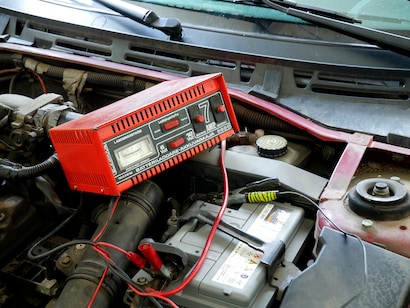
Understanding Battery Charging Amperage
Before we dive into numbers, let's break down what amperage really means when charging a car battery. Think of amps as the "flow rate" of electricity moving into your battery. Volts push the current, but amps determine how fast that energy actually fills up the tank.
A typical car battery is rated at 12 volts, but its capacity is measured in amp-hours (Ah). A standard battery might be 50 Ah, meaning it can theoretically deliver 1 amp for 50 hours, or 50 amps for 1 hour. When you charge it, you're essentially reversing that process, and the amp setting controls how quickly energy flows back in.
The golden rule most mechanics follow is the "10% rule." This means you should charge at no more than 10% of the battery's amp-hour rating. So for a 50 Ah battery, that's 5 amps. For a larger 100 Ah deep-cycle battery, you could safely go up to 10 amps. This slow, steady approach minimizes heat buildup and extends battery life.
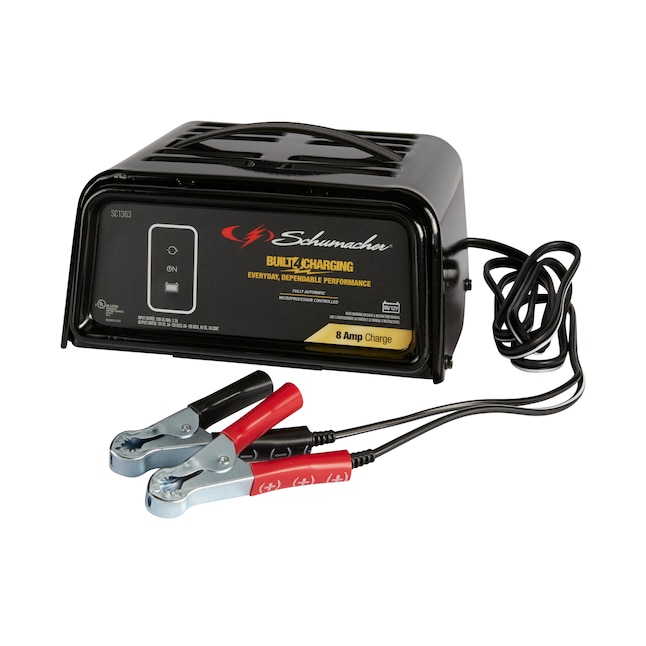
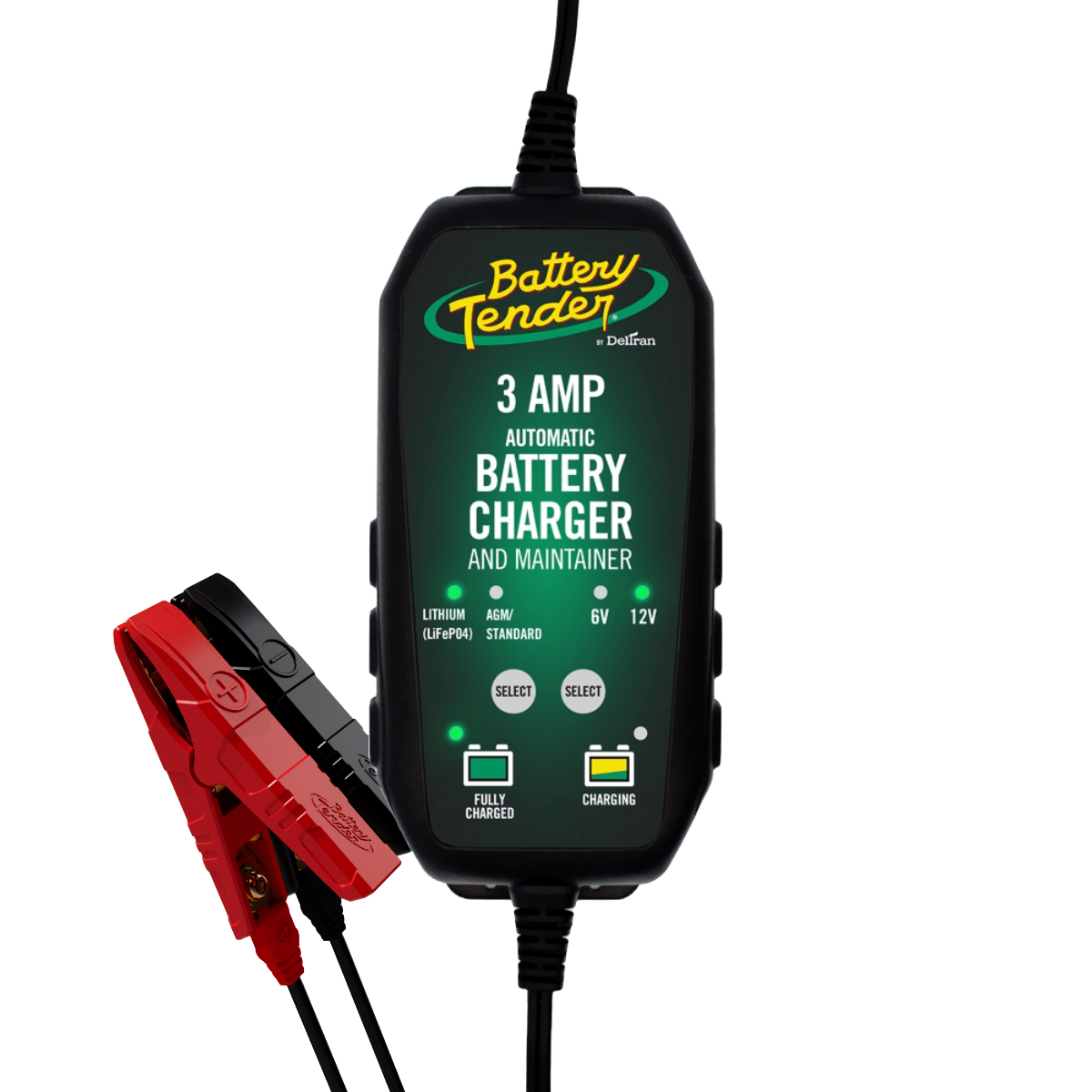
However, modern smart chargers often handle this automatically. They start with a bulk charge at higher amps, then taper down as the battery fills up, finishing with a float charge to maintain full capacity without overcharging. I learned this the hard way years ago when I left a 30-amp charger on an old battery overnight, only to find it warped and barely holding a charge the next morning.
Recommended Amps by Battery Type
Not all car batteries are created equal, and the chemistry inside determines how much amperage they can safely accept.
Standard Flooded Lead-Acid Batteries
These are the most common batteries under the hood, and they handle moderate charging amps well. For a standard 12-volt flooded battery, anything between 4 and 15 amps works for routine charging. If you're in a hurry, 10 to 15 amps will get you a decent charge in a few hours. If you're not, 2 to 4 amps overnight is gentler and better for the battery's long-term health.
AGM (Absorbent Glass Mat) Batteries
AGM batteries are a step up in performance and price. They charge faster and handle higher amperage better than flooded batteries, but they're also more sensitive to overcharging. Stick to 10% of the Ah rating or less. For a 70 Ah AGM battery, 7 amps is perfect. Many AGM owners I've talked to swear by 5-amp charges for routine maintenance.
Gel Cell Batteries
Gel batteries are the most delicate. They require low, slow charging, typically no more than 5% of their Ah rating. A 60 Ah gel battery should never see more than 3 amps. Push them too hard, and you'll create permanent gas pockets that ruin the cells.
Deep-Cycle Batteries
Found in RVs, boats, and solar setups, deep-cycle batteries thrive on slow, steady charging. Since they're designed to be discharged deeply and recharged often, a 10-amp charge is usually the sweet spot for most 100 Ah units.
Lithium-Ion Car Batteries
A newer option, lithium car batteries are becoming more common. They charge much faster than lead-acid types and can often handle 20 to 50 amps safely, depending on the BMS (Battery Management System). However, you absolutely need a charger specifically designed for lithium chemistry, or you risk thermal runaway and potential fire.

How to Choose the Right Amperage for Your Situation
Picking the right amp setting isn't just about the battery type. It also depends on why you're charging and how much time you have.
Emergency Jump-Start Situations
If your battery is dead and you just need to get the car started, a high-amp charger or jump-starter pack is fine for a quick boost. Portable lithium jump starters often deliver 1000 to 2000 peak amps, but that's for cranking the engine, not fully recharging the battery. Once the car is running, the alternator will top it off over the next 30 minutes of driving.
Routine Maintenance Charging
If your battery is just a bit low from sitting in the garage all winter, a 2 to 4 amp trickle charge is perfect. You can leave it connected overnight or even for a few days without worry. This is my go-to method for keeping the batteries in my classic cars healthy during the off-season.
Deeply Discharged Batteries
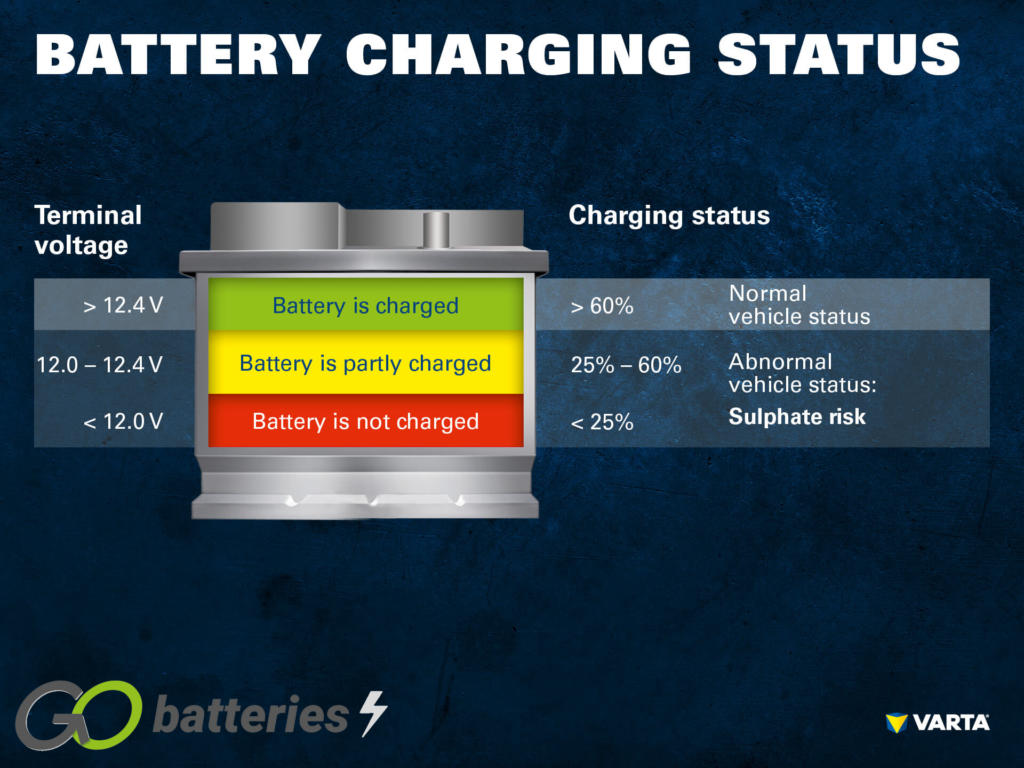
If your battery has been sitting dead for weeks, it needs a slow, gentle recovery charge. Start with 2 amps for 24 to 48 hours, then check the voltage. If it's reading 12.4 volts or above, bump it up to 4 to 6 amps to finish the job. I've saved more than a few "dead" batteries this way that were just deeply discharged, not actually ruined.
Time-Conscious Charging
Short on time? A 10 to 15 amp charge will get most car batteries from dead to 80% full in about 4 to 6 hours. Just keep an eye on the battery temperature. If it's getting hot to the touch, reduce the amperage or disconnect it.

Step-by-Step Guide to Charging Your Car Battery Safely
Charging a battery is straightforward, but doing it safely requires a few simple steps.
- Park in a well-ventilated area, preferably outdoors or in an open garage. Charging produces hydrogen gas, which is explosive in enclosed spaces.
- Turn off the charger before connecting the cables. This prevents sparks near the battery.
- Connect the red positive clamp to the positive terminal, usually marked with a plus sign or red cover.
- Connect the black negative clamp to an unpainted metal surface on the engine block, away from the battery. This grounds the circuit and reduces sparking risk.
- Set the charger to the correct voltage (12V for cars) and the desired amperage based on your battery type.
- Turn on the charger and monitor the process. Check the battery after an hour to make sure it's not getting excessively hot.
- Once fully charged (the charger should indicate this or drop to float mode), turn off the charger before disconnecting.
- Disconnect the black clamp first, then the red clamp, and you're done.
I always keep a pair of safety glasses and baking soda nearby when charging. Baking soda neutralizes any acid spills, and the glasses protect your eyes from accidental splashes or sparks. It's a habit that has saved me from a few close calls over the years.

Common Mistakes to Avoid When Charging
Even experienced DIYers make mistakes. Here are the most common ones I've seen (and made myself).
Charging a Frozen Battery
If your battery was exposed to extreme cold and the electrolyte is frozen, do not attempt to charge it. Charging a frozen battery can cause it to explode. Let it thaw naturally at room temperature for several hours first.
Using the Wrong Charger Type
A standard charger meant for flooded batteries can destroy an AGM or gel battery. Always match the charger to the battery chemistry. Most modern "smart" chargers have settings for different battery types, so take the time to read the manual.
Ignoring the Battery's Age
If your battery is more than 5 to 7 years old and struggles to hold a charge, no amount of charging will fix it. The internal plates degrade over time, and a failing battery needs replacement, not just a recharge.
Overcharging
Leaving a basic charger connected for too long will cook the electrolyte and warp the plates. This is why I recommend smart chargers with automatic shutoff or float mode. They're worth the extra cost.
Reversing the Polarity
Accidentally connecting positive to negative and vice versa can destroy the charger, fry the battery, or damage your car's electrical system. Most chargers have reverse polarity protection, but always double-check the clamps before turning anything on.

How Long Does It Take to Charge a Car Battery?
The math here is simple once you know the numbers. Charging time depends on the battery's capacity, the charger's amperage, and the depth of discharge.
A completely dead 50 Ah battery charged at 5 amps will take roughly 10 to 12 hours to reach full capacity. The same battery at 10 amps will take about 5 to 6 hours. At 2 amps, you're looking at 24 hours or more.
But keep in mind that charging isn't 100% efficient. Some energy is lost as heat, so real-world times are usually 10 to 20% longer than the theoretical calculation. A good rule of thumb is to check the voltage after the estimated charge time. A fully charged 12-volt battery should read 12.6 to 12.8 volts at rest, without the charger connected.
If you're using a 15-amp charger for a quick top-up, expect about 1 hour of charging for every 10% of capacity you need to add. So if your battery is at 50% and you need to get to 80%, that's about 3 hours at 15 amps.
Safety Precautions You Should Never Skip
Charging a car battery is generally safe, but it involves electricity and corrosive acid, so precautions matter.
Always wear safety glasses and gloves. Battery acid is no joke, and a short circuit can cause sparks or even a small explosion if hydrogen gas has built up.
Keep flames, cigarettes, and sparks away from the battery. Hydrogen is highly flammable, and a single spark near the vent caps can ignite it.
Make sure the battery terminals are clean before connecting. Corroded terminals increase resistance, generate heat, and reduce charging efficiency. A wire brush and some baking soda paste work wonders for cleaning them up.
Never lean over the battery while charging. If it does vent gas or explode, you don't want your face right above it.
If you notice the battery swelling, leaking, or smelling like rotten eggs (sulfur), stop charging immediately and disconnect the battery. These are signs of a serious internal problem, and the battery needs to be replaced.
Frequently Asked Questions
Is it safe to charge a car battery at 10 amps?
Yes, 10 amps is perfectly safe for most standard 12-volt car batteries, especially if they're 50 Ah or larger. It's actually a common setting for home chargers because it balances speed and safety. Just make sure the battery isn't overheated or damaged before starting.
Can I charge my car battery at 50 amps?
You can, but only briefly and only if the battery is rated for it. Some heavy-duty batteries and lithium units accept 50 amps or more. For standard flooded or AGM batteries, 50 amps is too high and will cause overheating. A 10% rule (5 amps for a 50 Ah battery) is much safer.
How long should I leave a 2-amp charger on my car battery?
A 2-amp trickle charger can safely stay connected for 24 hours or longer, depending on how discharged the battery is. For a dead 50 Ah battery, plan on about 24 to 36 hours. For maintenance charging on a healthy battery, you can leave it connected indefinitely without harm.
Is it better to charge a car battery at 2 amps or 10 amps?
It depends on your goal. If you want a quick charge, 10 amps is fine for a few hours. If you want to maximize battery lifespan and don't mind waiting, 2 amps is gentler and better for long-term battery health. Most experts recommend slower charging for deeply discharged or older batteries.
Can I leave my car battery charging overnight?
Yes, as long as you're using a smart charger with automatic shutoff or float mode. These chargers drop to a maintenance voltage once the battery is full, so you can leave them connected for days without overcharging. A basic manual charger, however, should not be left unattended overnight.
Conclusion
Choosing the right amperage to charge your car battery isn't complicated once you understand the basics. For most standard 12-volt batteries, a 2 to 10 amp range covers everything from quick top-ups to long-term maintenance. Match the amperage to your battery type, respect the 10% rule, and always use a smart charger when possible to avoid overcharging. Whether you're reviving a dead battery or just keeping one healthy through a long winter, a little patience and the right settings will save you money and keep your car starting reliably for years to come. If you've got a battery question I didn't cover, drop it in the comments below, I'm always happy to help a fellow gearhead out.