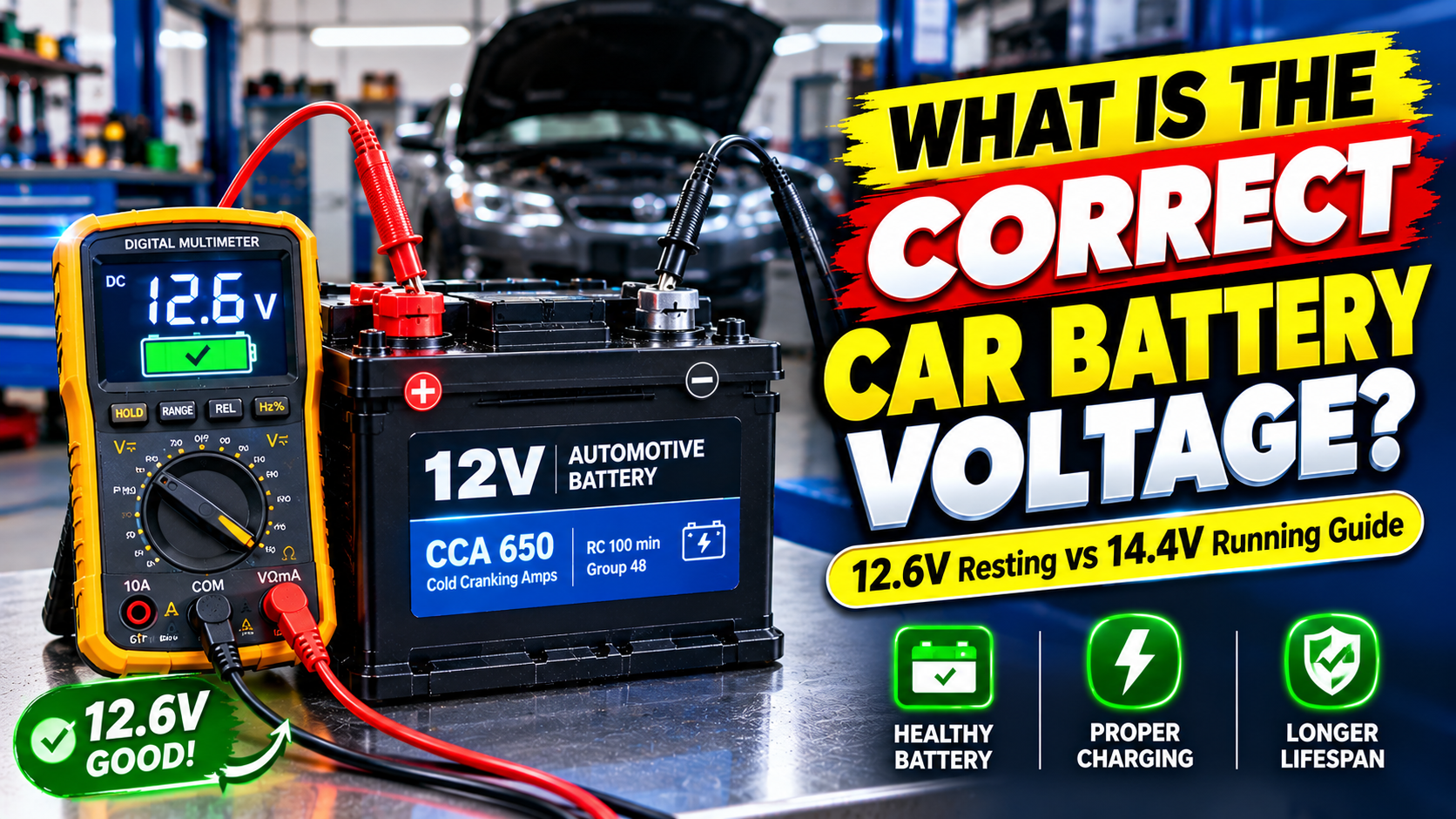
A fully charged 12V car battery reads between 12.6 and 12.8 volts at rest, while a healthy system runs 13.7 to 14.7 volts when the engine is on.
If you've ever popped the hood, seen a battery, and thought "what is the correct voltage for a car battery," you're not alone. It's one of those small details that most drivers ignore until something goes wrong. I learned this the hard way one freezing winter morning when my car refused to start, and a quick voltage check revealed my battery had quietly dropped to 10.2 volts overnight. That single number told the whole story. Knowing the right voltage range helps you spot problems early, avoid being stranded, and extend the life of your battery. Let me walk you through everything I've learned after years of testing, troubleshooting, and helping friends diagnose their cars.
Understanding Car Battery Voltage Basics
A car battery is basically a chemical storage unit that delivers electrical energy to start the engine and power accessories. The voltage tells you how much electrical pressure is inside.
- Most cars use a 12V lead-acid battery, but the actual voltage varies depending on the state of charge.
- Voltage is measured with a multimeter, and the reading changes based on whether the engine is off or running.
- Think of voltage like water pressure in a hose. Higher pressure means more push, lower pressure means less force.
- A battery doesn't just provide one flat voltage. It fluctuates based on temperature, age, and usage patterns.
- Understanding these basics helps you read the signs before a battery failure happens.

Resting Voltage: What a Healthy Battery Reads When the Engine Is Off
When I check a battery at rest, I always wait at least 30 minutes after driving or charging. Surface charge can trick the reading and make a weak battery look healthy.
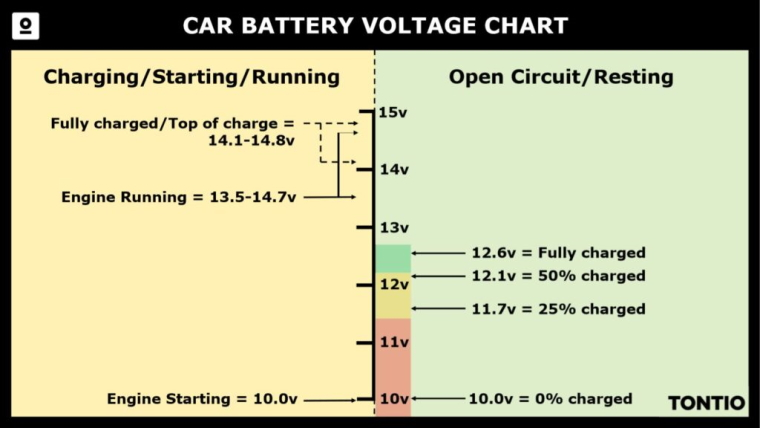
- 12.6 to 12.8 volts means the battery is fully charged and in great shape.
- 12.4 volts indicates about 75% charge, which is still acceptable for short-term use.
- 12.2 volts shows roughly 50% charge, and you'll notice slower cranking on cold mornings.
- 12.0 volts or below means the battery is deeply discharged and needs immediate attention.
- Below 11.8 volts usually means the battery is dead or sulfated, and replacement is likely needed.
I once bought a used car that started fine but showed 12.1 volts at rest. Within two weeks, it left me stranded. That experience taught me to always test resting voltage before trusting a battery.
Running Voltage: What You Should See With the Engine On
When you turn the key and the engine fires up, the alternator takes over and charges the battery while the car runs. This is where voltage behaves on a different playing field.
- A healthy charging system shows between 13.7 and 14.7 volts with the engine running.
- Anything below 13.5 volts suggests the alternator may not be charging properly.
- Readings above 15 volts often point to a voltage regulator issue and can damage the battery.
- Load testing with headlights, AC, and stereo on should keep voltage above 13.5 volts.
- Inconsistent readings, like jumping between 13.2 and 14.8, may indicate a failing alternator or loose connections.
I remember a friend's truck that kept dying at stoplights. A quick running voltage test showed 12.9 volts, which told us the alternator was on its way out. Replacing it fixed the issue instantly.

Factors That Affect Battery Voltage Readings
Voltage isn't a fixed number. It moves based on several real-world conditions that every driver should understand.
- Temperature plays a huge role. Cold weather lowers voltage, while heat can cause overcharging.
- Battery age matters. Older batteries lose capacity and show lower resting voltage.
- Alternator health directly impacts running voltage and overall charging performance.
- Electrical loads like heated seats, phone chargers, and stereos pull voltage down temporarily.
- Corroded terminals create resistance and cause false low readings even on a good battery.
How to Test Car Battery Voltage the Right Way
Testing voltage is simple, but doing it correctly makes the difference between accurate results and misleading numbers. I always follow the same steps every time.
- Turn off the engine and remove the key from the ignition.
- Wait at least 30 minutes to let surface charge dissipate.
- Set your multimeter to DC voltage, usually the 20V setting.
- Connect the red probe to the positive terminal and the black probe to the negative terminal.
- Read the display and compare it to the healthy ranges I've shared above.
- Repeat the test with the engine running to check the charging system.
If the readings seem off, clean the terminals with a wire brush and retest. I've seen many "bad batteries" turn out to be just dirty connections.
Signs Your Battery Voltage Is Off
A failing battery doesn't always warn you with dramatic symptoms. Sometimes the signs are subtle, and voltage testing reveals the truth early.
- Slow engine cranking, especially on cold mornings, often points to low resting voltage.
- Dim headlights or flickering interior lights suggest the alternator isn't keeping up.
- The battery warning light on the dashboard usually means voltage is outside the normal range.
- Swollen battery case indicates overcharging and high voltage spikes.
- A sulfur or rotten egg smell means the battery is venting, often due to voltage imbalance.
How Temperature Impacts Car Battery Voltage
Living in a region with harsh winters taught me that temperature and voltage are closely linked. The relationship is almost mathematical.
- For every 10°F drop below freezing, a battery loses about 10% of its cranking power.
- Cold temperatures slow the chemical reactions inside the battery, lowering voltage output.
- Hot weather speeds up internal corrosion and water loss, reducing battery life.
- Extreme heat can push voltage readings higher, masking underlying issues.
- Parking in a garage or using an insulated battery blanket helps stabilize voltage in cold climates.
Maintaining the Correct Voltage for Longevity
Keeping your battery at the right voltage isn't just about avoiding breakdowns. It's about extending its life and saving money. I've gotten over five years out of batteries by following these habits.
- Drive your car regularly, even short trips, to keep the battery charged.
- Avoid letting the battery sit unused for weeks, as it slowly self-discharges.
- Clean terminals every few months to prevent voltage drop from corrosion.
- Use a trickle charger or battery maintainer if the car sits for long periods.
- Check resting voltage once a month to catch issues before they become emergencies.
Common Myths About Car Battery Voltage
Over the years, I've heard some wild claims about car batteries. Let me clear up a few myths that cause unnecessary confusion.
- Myth: A battery reading 12.0 volts is fine. Truth: That's only 50% charged and risks failure.
- Myth: You don't need to test a battery if the car starts. Truth: Starting doesn't guarantee the battery is healthy.
- Myth: Jump-starting fixes battery problems. Truth: It only temporarily boosts voltage without addressing the root cause.
- Myth: All batteries last exactly three years. Truth: Lifespan depends on usage, climate, and maintenance habits.
Different Battery Chemistries and Their Voltage Ranges
Not all car batteries are the same. The chemistry inside affects voltage behavior and maintenance needs.
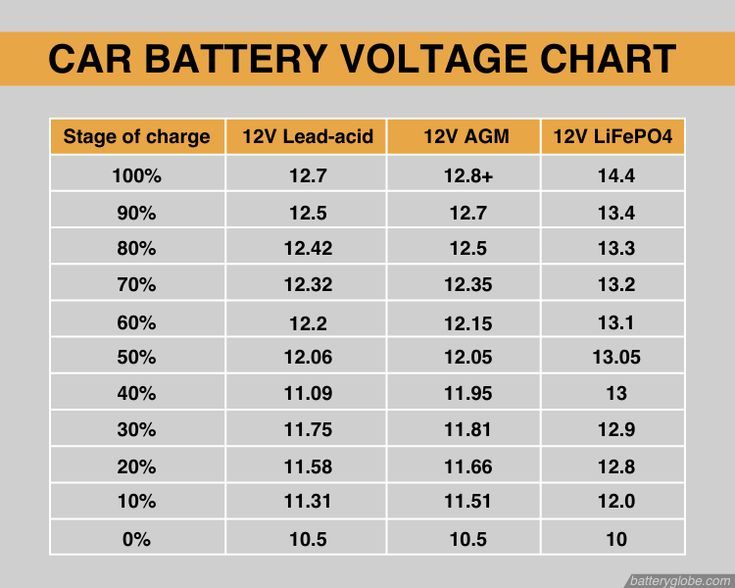
- Flooded lead-acid batteries are the most common and follow the standard 12.6 to 12.8 volt resting range.
- AGM batteries, often found in start-stop vehicles, hold voltage slightly higher and charge faster.
- Gel cell batteries are less common but maintain stable voltage in deep cycle applications.
- Lithium-ion car batteries are rare in standard vehicles but show different voltage curves.
- EFB batteries, used in mild hybrid systems, sit between flooded and AGM in terms of performance.
What to Do When Voltage Readings Are Abnormal
If your test reveals abnormal voltage, don't panic. There are clear steps you can take to diagnose and fix the issue.
- Check for corrosion on terminals and clean them thoroughly.
- Inspect the alternator belt for wear or looseness.
- Test the voltage regulator to ensure it's not overcharging.
- Load test the battery at an auto parts store for a deeper diagnosis.
- Replace the battery if it's over four years old and showing low resting voltage.
Frequently Asked Questions About Car Battery Voltage
What voltage is too low for a car battery?
A resting voltage below 12.0 volts is considered too low and indicates a deeply discharged battery. Anything below 11.8 volts usually means the battery is dead and needs replacement. Starting the engine with a battery this low can cause permanent damage.
Is 14.8 volts too high for a car battery?
A running voltage of 14.8 volts is on the high end but still within acceptable range for many vehicles. However, if it consistently reads above 15 volts, the voltage regulator may be failing. Prolonged overcharging can boil the battery and shorten its lifespan.
Can a car battery show 12.2 volts and still be good?
Yes, 12.2 volts means the battery is at about 50% charge, which is technically functional but not ideal. It may start the car in warm weather but struggle in cold conditions. Recharging and retesting is the best way to know if it's truly healthy.
How often should I check my car battery voltage?
Checking voltage once a month is a good habit, especially for older batteries or vehicles that sit unused. Seasonal checks before winter and summer are also smart since extreme temperatures stress batteries the most. Regular monitoring helps you catch problems early.
Does idling the car charge the battery enough?
Idling does charge the battery, but very slowly compared to driving at road speeds. Short idling sessions may not bring a low battery back to full charge. Driving for at least 20 to 30 minutes is more effective for recharging.
Conclusion
Knowing the correct voltage for a car battery empowers you to take control of your vehicle's health. A healthy resting voltage sits between 12.6 and 12.8 volts, while a running system should stay between 13.7 and 14.7 volts. These numbers are your early warning system, helping you catch issues before they leave you stranded. Make voltage checks part of your routine, keep those terminals clean, and don't ignore the subtle signs. Your battery will thank you with reliable starts and a longer lifespan. Got questions or your own battery story? Drop a comment below, I'd love to hear about your experiences and help troubleshoot any issues you might be facing.