Old car batteries don't just end up in landfills; they are collected, broken down, and recycled to recover lead, plastic, and acid for reuse in new batteries and other products. Most people never think twice about the battery under their car's hood until the day their vehicle refuses to start. That heavy black box gets replaced, and within minutes, the whole thing is forgotten. But here's the thing, that battery is about to start a second life, and a pretty fascinating one at that.
I've been around automotive shops and recycling facilities long enough to see this whole process up close, and I'm excited to walk you through what really happens after you drop off your old battery. There's a lot more going on behind the scenes than most folks realize.
The Journey Begins: Collection and Drop-Off
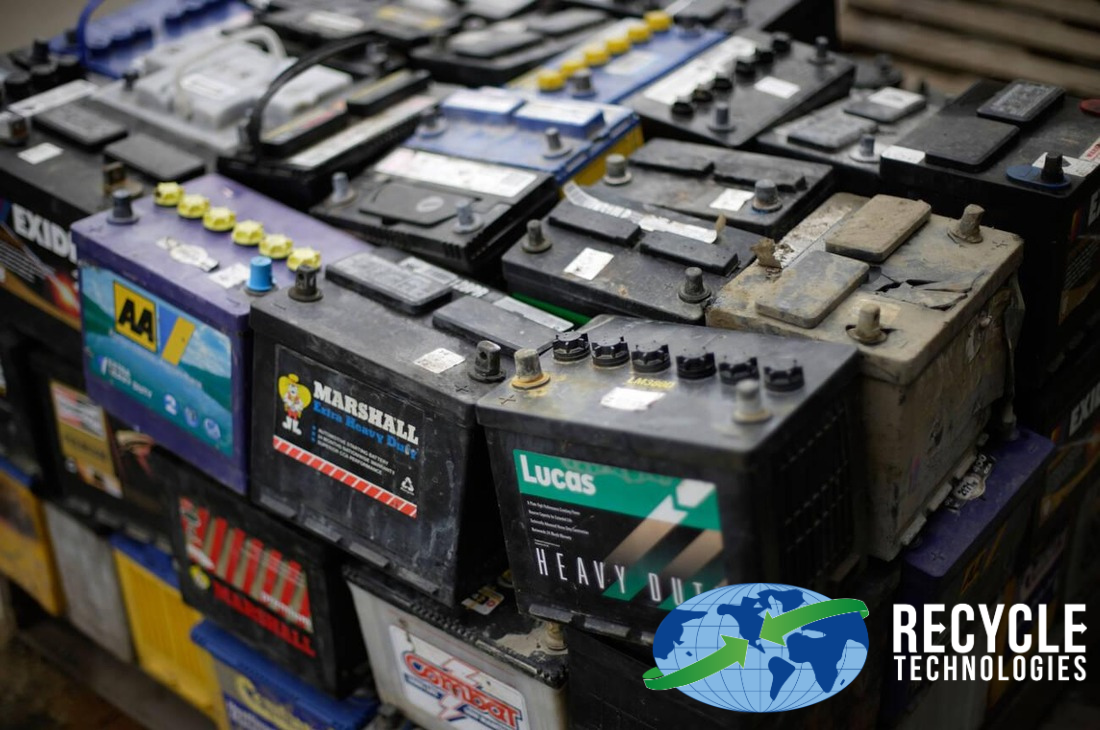
The first step in a car battery's afterlife is getting it out of your vehicle and into a proper collection system. This part actually happens faster than you might expect.
When you buy a new battery, most auto parts stores and service centers will take your old one right there on the spot. Some even offer a small credit or discount for bringing it in. I remember one time at a shop I worked at, a guy tried to toss his old battery in the dumpster behind the building. The shop owner literally ran out and stopped him, saying, "That battery is worth more than the gas in your tank." Turns out, he wasn't joking.
The collection process works like this:
- Auto parts stores accept old batteries as part of new battery purchases
- Service centers and mechanics collect them during routine replacements
- Scrap metal yards and recycling centers buy them by weight
- Municipal hazardous waste programs offer drop-off locations
- Some curbside recycling programs accept them through special pickup requests
Retailers like AutoZone, O'Reilly Auto Parts, and Walmart are required in most states to accept your old battery when you buy a new one. This isn't just good customer service; it's part of a much larger recovery system.
The battery is then stored in special containers until enough accumulate to ship to a processing facility. Workers handle these with care because the sulfuric acid is still active, and the lead is heavy. Speaking of heavy, a typical car battery weighs between 30 and 50 pounds, so even a small stack adds up fast.

Why Old Car Batteries Need Special Handling
You might be wondering why we can't just toss them in the recycling bin with everything else. The answer is simple and a little alarming.
Car batteries contain three main materials that can cause serious harm if handled carelessly:
- Lead, which is toxic to humans, animals, and the environment
- Sulfuric acid, which can burn skin and contaminate soil and groundwater
- Plastic casing made from polypropylene, which doesn't break down easily
According to the Environmental Protection Agency, lead-acid batteries are classified as hazardous waste. If just one battery cracks in a landfill, the acid can leak out and seep into the soil. Over time, that contamination can spread to drinking water sources and harm wildlife for decades.
I once watched a demonstration at a recycling plant where they showed what happens when a battery leaks in a regular trash pile. The acid ate through a piece of metal in less than an hour. The lead dust that can come off a damaged battery is even worse, since lead exposure can cause neurological issues, especially in children.
That's exactly why there are strict regulations around how these batteries must be stored, transported, and processed. The good news is that this system works incredibly well when everyone plays their part.
Inside the Recycling Plant: Breaking It All Down
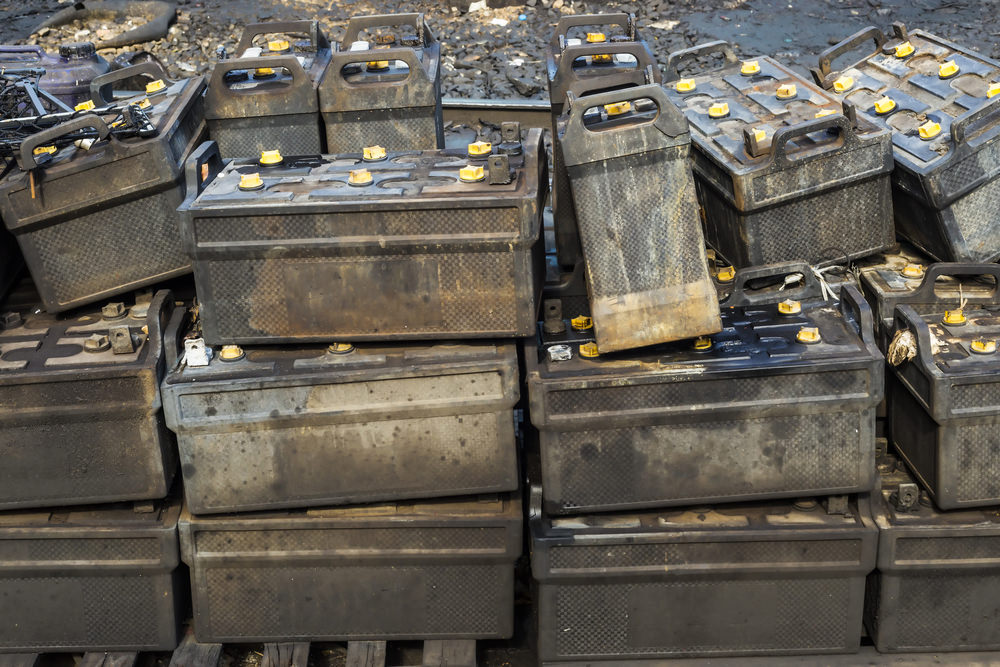
Once old batteries arrive at a recycling facility, the real work begins. This is where the magic happens, and I've had the chance to tour a couple of these plants over the years. Let me tell you, it's a lot more high-tech than you'd imagine.
The process generally follows these steps:
- Batteries are stacked on a conveyor system that feeds into a crusher
- The crusher breaks the battery apart, separating the plastic casing, lead components, and acid
- The plastic pieces get washed and sent to be melted down into new pellets
- The lead components go through a smelting furnace to be melted and purified
- The acid is either neutralized or processed into new sulfuric acid
Each material heads off in its own direction to start fresh in a new product. The lead is poured into molds to form ingots, which are then sold to battery manufacturers. The plastic gets reformed into new battery cases or other plastic products. Even the acid gets a second life.
One of the coolest parts of the tour I took was watching the smelting furnace in action. The temperature inside reaches over 1,000 degrees Fahrenheit, hot enough to melt metal on contact. The workers wear heavy protective gear, and the air filtration systems are intense. It's serious business, but also pretty mesmerizing to watch.

What Gets Recovered and Reused
Here's where this whole story gets really satisfying. Almost every part of an old car battery can be turned into something new, and that's a big deal for both the economy and the environment.
Lead is the most valuable recovered material. Around 99% of the lead in a battery can be recycled and reused, which means we don't have to mine as much new lead from the earth. Mining is messy, expensive, and damaging to local ecosystems, so this is a huge win.
The plastic casing, usually made from polypropylene, gets shredded, cleaned, and melted down to create fresh plastic pellets. Those pellets can then be molded into new battery cases or used to make other everyday plastic items. I've seen recycled battery plastic show up in everything from storage bins to traffic cones.
Sulfuric acid is either neutralized into water or converted into a reusable form for things like fertilizers, dyes, and even some cleaning products. Some facilities have gotten so good at this that they recover over 95% of the acid content.
Here's a quick breakdown of what gets recovered from a typical lead-acid battery:
- Lead, both from the plates and terminals, gets smelted and reused
- Plastic from the casing is melted and reformed
- Sulfuric acid is neutralized or converted for industrial use
- Small amounts of other metals, like antimony and tin, are also recovered
The recycling rate for lead-acid batteries in the United States is over 99%, making them one of the most recycled products on the planet. That's a pretty incredible statistic when you stop to think about it.

The Environmental Impact of Doing It Right
Recycling old car batteries the right way makes a massive difference for the planet. Let me share a quick example to put things in perspective.
If just one car battery ends up in a landfill and leaks, it can contaminate up to 25 square meters of soil with lead. That's enough space to park three or four cars. Now multiply that by the roughly 100 million car batteries replaced each year in the U.S. alone, and you can see why proper recycling matters so much.
Recycling one lead-acid battery saves enough energy to power a 60-watt light bulb for about 80 hours straight. It also reduces the need for new mining operations, which means fewer disrupted habitats and less water pollution. The Environmental Protection Agency estimates that battery recycling prevents over 1.7 million tons of lead from entering the environment every year.
I remember talking to a recycling plant manager who told me that every ton of lead recycled saves about 1.3 tons of lead ore that would otherwise need to be mined. That's a serious conservation of natural resources, and it's happening every single day, largely without most people even noticing.

What Happens to Damaged or Non-Recyclable Batteries
Not every battery makes it through the recycling process in perfect shape. Some arrive cracked, leaking, or otherwise damaged. So what happens then?
Damaged batteries are handled separately at recycling facilities. Workers place them in special containers with neutralizing agents to prevent leaks from spreading. The broken components still go through the same recovery process, just with extra safety precautions.
If a battery is too damaged to recycle at a standard facility, it gets sent to a specialized hazardous waste handler. These facilities have the equipment to safely neutralize the acid and recover whatever materials they can, even from a battery that's in rough shape.
The key thing to remember here is that even a damaged battery is valuable. The materials inside don't disappear just because the battery is broken. There's almost always a way to recover them safely, and recycling plants are set up to handle every scenario.
How You Can Make Sure Your Old Battery Gets Recycled Properly
Now that you know what happens to old car batteries, you might be wondering how you can do your part. The good news is that it's actually really easy, and the system is already set up to help you succeed.
Here are a few simple steps to follow whenever you replace a car battery:
- Take your old battery back to the store where you bought the new one
- If that's not possible, drop it off at a local auto parts store or service center
- Check with your city's hazardous waste program for special collection events
- Never throw it in your regular trash or curbside recycling bin
- If transporting it yourself, keep it upright in a sturdy box or tray to prevent leaks
Most places will even give you a small core charge refund when you return your old one. A core charge is basically a deposit you pay when buying a new battery, and you get that money back when you bring the old one in. It's a nice little incentive that helps keep batteries out of landfills.
I always tell people to think of the old battery as part of the deal. You wouldn't throw away a refillable bottle after finishing the drink inside, would you? Same idea here. The battery has more life left in it, just not in your car.
The Global Picture: Battery Recycling Around the World
The U.S. isn't the only country taking lead-acid battery recycling seriously. In fact, most developed nations have some form of a recovery system in place, and the results are impressive.
The European Union requires a recycling rate of at least 65% by weight for all batteries, including lead-acid types. Countries like Germany, France, and Italy consistently hit rates well above 90%. Australia, Japan, and Canada also have strong programs that keep nearly all used car batteries out of landfills.
Some developing countries are still working on building proper infrastructure, which is where organizations like the International Lead Association come in. They help set up collection networks and educate the public on why recycling matters.
The global recycling rate for lead-acid batteries sits at around 99%, which is honestly one of the best recycling success stories out there. Compared to plastic bottles, aluminum cans, and electronics, car batteries are the gold standard.
What the Future Holds for Car Battery Recycling
Here's where things get really interesting. The world is shifting toward electric vehicles, and that means a whole new type of battery is about to take over our roads. Lithium-ion batteries are different from lead-acid ones, and recycling them is a much bigger challenge.
For now, lead-acid batteries are still the standard in traditional gas-powered cars, and they'll likely be around for decades to come. Recycling facilities are already set up to handle them, and the process is well-established. As long as people keep returning their old batteries, the system will keep working.
But researchers are also working on ways to improve the recycling of lithium-ion batteries. New technologies are being developed to recover lithium, cobalt, and nickel more efficiently. These materials are expensive and often mined in politically sensitive regions, so recycling them is both an economic and ethical win.
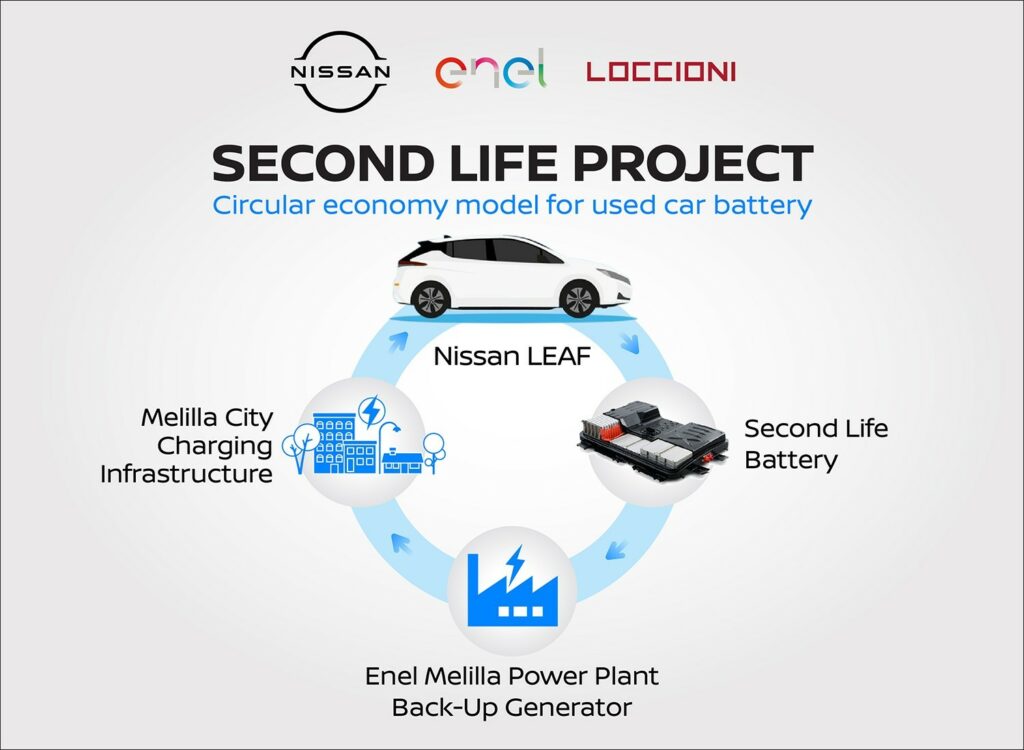
Some companies are even experimenting with second-life applications for old EV batteries, like using them for home energy storage before they head to recycling. It's a great example of how we can stretch the value of a battery even further.
Common Myths About Old Car Batteries
Before we wrap up, let me clear up a few myths I hear all the time. These misconceptions keep people from recycling their batteries properly, and they really need to go.
One common myth is that old car batteries aren't worth anything. This couldn't be further from the truth. The lead inside a single battery can be worth several dollars at a scrap yard, and that's before you factor in the plastic and acid. Recyclers actively seek out old batteries because they're valuable commodities.
Another myth is that all batteries can go in the regular recycling bin. This is dangerous and incorrect. Lead-acid batteries need to go through a special process because of the acid and lead. Throwing them in with your regular recycling can cause fires, leaks, and serious health risks for workers.
Some people also believe that battery recycling is bad for the environment because of the smelting process. While smelting does produce some emissions, modern facilities have advanced filtration systems that capture nearly all pollutants. Plus, the environmental cost of recycling is much lower than the cost of mining new materials.
Frequently Asked Questions
Can I throw an old car battery in the trash?
No, you should never throw a car battery in your regular trash. It contains lead and sulfuric acid, both of which are hazardous. Most areas have specific drop-off locations or retailer take-back programs designed for safe disposal.
How long does it take to recycle a car battery?
The actual recycling process at a facility takes just a few hours. From the time you drop off your old battery to when it's broken down and the materials are ready for reuse, it usually takes less than a day.
Do I get paid for recycling my old car battery?
Many retailers offer a core charge refund when you return your old battery. The amount varies by location, but it's typically between $10 and $25. Scrap yards may also pay you based on the current market price of lead.
What if my old battery is leaking?
If your battery is leaking, place it in a plastic container or on a tray to catch the acid. Wear gloves when handling it and bring it to a recycling center as soon as possible. Do not try to clean up the acid without proper protective equipment.
Are all parts of a car battery recyclable?
Yes, nearly every component of a lead-acid battery can be recycled, including the lead, plastic casing, and sulfuric acid. This is why the recycling rate for these batteries is over 99%.
The Bigger Picture: Why This All Matters
So, what happens to old car batteries? They get a second chance at life, and that's a beautiful thing when you stop to think about it. Instead of sitting in a landfill leaking toxic chemicals, that heavy black box under your hood becomes part of a new battery, a piece of plastic furniture, or even a batch of fertilizer.
Every battery you recycle helps reduce mining, cut down on pollution, and protect communities from lead exposure. It's one of those rare environmental wins that actually makes economic sense too. Recyclers, manufacturers, and consumers all benefit, and the planet gets a break.
If you've got an old battery sitting in your garage right now, take an hour this weekend to drop it off at a nearby recycling center or auto parts store. It takes almost no effort, and the impact is huge. You might even pocket a few bucks from the core charge.
Now that you know what really happens to old car batteries, I'd love to hear your thoughts. Have you ever seen the recycling process in action? Do you have any tips or stories about battery disposal? Drop a comment below and let's keep the conversation going. If you found this helpful, share it with a friend who might still be throwing them in the trash.