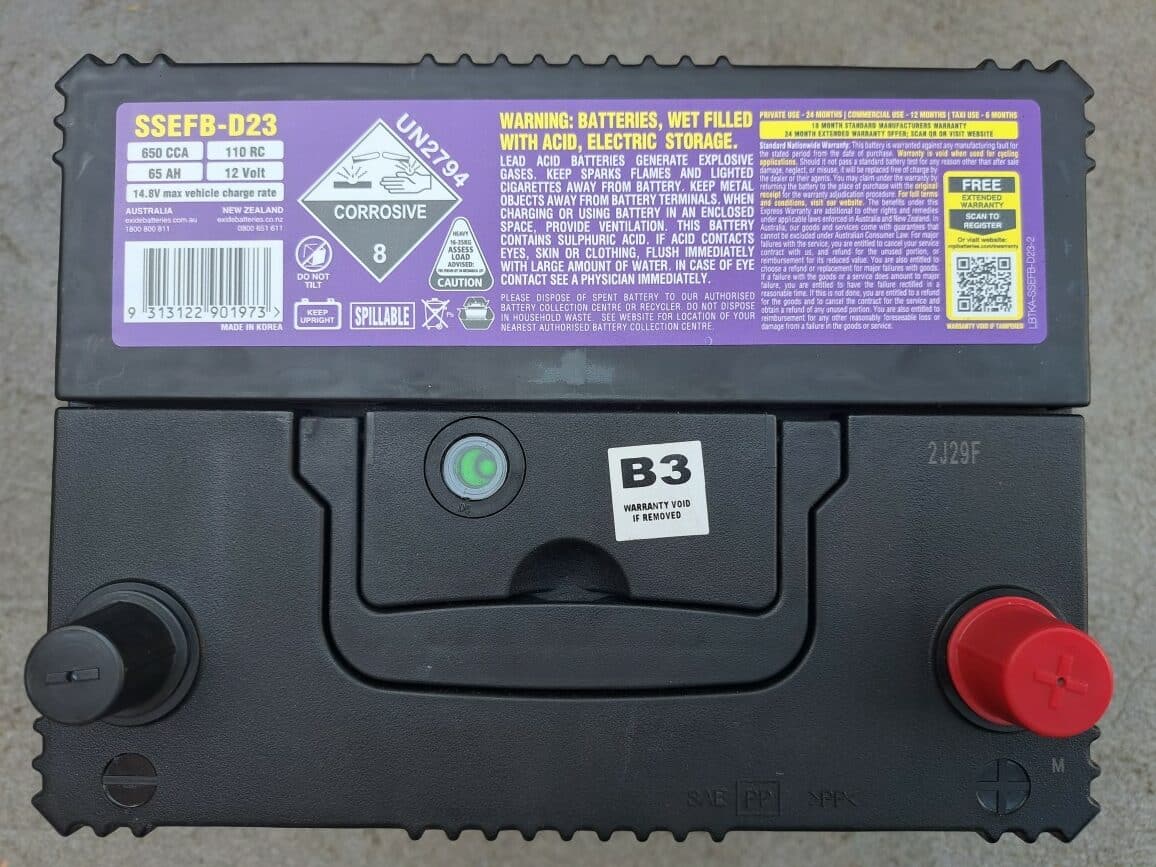
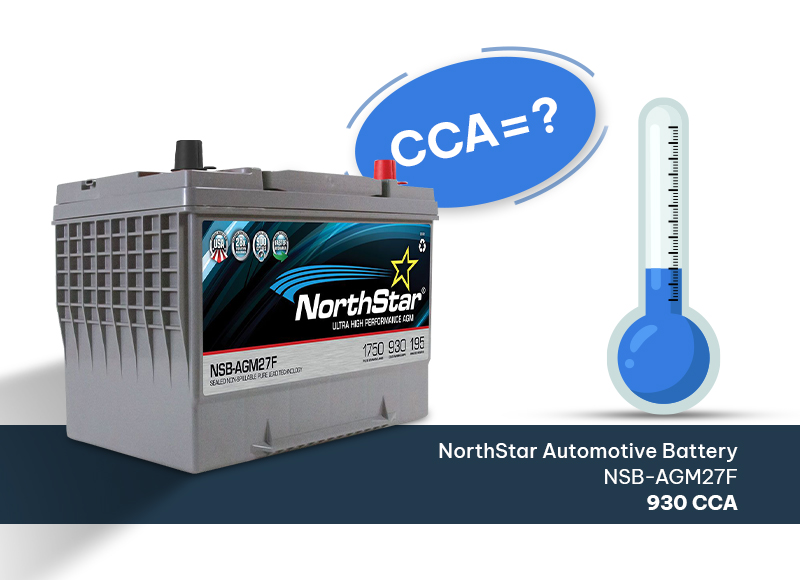
CCA stands for Cold Cranking Amps, and it measures a car battery's ability to start an engine in cold temperatures by delivering a burst of power for 30 seconds. Think of it as your battery's muscle power during those freezing winter mornings when your engine feels like it would rather stay in bed. If you've ever stood next to a car on a cold day, turning the key and hoping for that sweet sound of the engine roaring to life, then you've already experienced why CCA matters more than you might think.
Over the years, I've replaced dozens of batteries in everything from sedans to trucks, and I can tell you one thing with absolute certainty: understanding CCA can save you from the frustration of a dead engine on a frosty morning. Whether you're shopping for a new battery or just curious about what those numbers on the label mean, this guide will walk you through everything in plain, simple language. Let's dive in and make sure you never get caught off guard by cold weather again.
What Does CCA Mean in Car Batteries
CCA, or Cold Cranking Amps, is a rating that tells you how much current a battery can deliver at zero degrees Fahrenheit for 30 seconds while still maintaining at least 7.2 volts. In simple terms, it's the battery's power output during startup in cold weather. The higher the CCA, the stronger the battery's ability to crank your engine when temperatures drop.
Here's why this matters. Cold weather thickens your engine oil and slows down the chemical reactions inside your battery. Both of these things make it harder for your engine to turn over. A battery with a high CCA rating can push through that resistance and get your car started even when the weather is working against you.
Breaking Down the Cold Cranking Amps Definition
The official CCA definition comes from the Battery Council International, and it follows a strict testing method. The battery must deliver a specific number of amps for 30 seconds at 0°F without dropping below 7.2 volts. This standard helps you compare batteries fairly across different brands and models.
When I first learned about CCA, I thought it was just another technical spec that didn't really matter in real life. Then I moved from sunny California to a place with real winters, and my old battery with a low CCA rating left me stranded in a parking lot more times than I'd like to admit. Lesson learned.
Why CCA Matters for Your Vehicle
Your car's starter motor needs a huge burst of electrical power to spin the engine fast enough for it to start. In warm weather, this is usually easy. But cold weather changes the game entirely. Oil gets thick, metal contracts, and your battery produces less power. This is exactly when CCA becomes your best friend.
If you live in a region where winter temperatures regularly drop below freezing, a battery with adequate CCA isn't just nice to have. It's essential. A battery that works perfectly in Florida might leave you stranded in Minnesota. That's not an exaggeration. It's physics.
How Cold Weather Affects Battery Performance
Cold temperatures reduce a battery's chemical activity, which means less power output. At 0°F, a typical lead-acid battery can lose up to 35% of its cranking power compared to warm weather performance. Add thick oil into the mix, and your starter motor has to work even harder to turn the engine.
Think of it like trying to run a marathon while breathing through a straw. Your battery is doing the same thing in the cold. The chemical reactions slow down, the power drops, and suddenly your engine feels like it's trying to start through molasses.
CCA vs Other Battery Ratings
You'll see several ratings on a battery label, and it's easy to get confused. Let me break down the main ones so you know exactly what you're looking at.
CCA (Cold Cranking Amps): Power delivery at 0°F for 30 seconds. Best for cold climates.
CA (Cranking Amps): Power delivery at 32°F for 30 seconds. A higher number than CCA for the same battery because warmer temperatures produce more power.
MCA (Marine Cranking Amps): Similar to CA but tested at 32°F. Often used for marine batteries.
RC (Reserve Capacity): How long the battery can run essential accessories if the alternator fails.
Ah (Amp Hours): How much energy the battery can store over time. More relevant for deep cycle use.
When choosing a battery, focus on CCA if you live in a cold climate. If you're in a warmer area, CA might be a more practical rating for everyday use.
When CA Might Matter More Than CCA
If you live somewhere like southern Texas or Florida, where winter temperatures rarely drop below freezing, paying extra for high CCA might not make sense. A battery with a strong CA rating and decent RC will serve you just fine.
However, if you're planning a road trip through the mountains during winter, or you live in a state with harsh winters, that high CCA rating becomes worth every penny. I've learned this the hard way, and now I always match the battery to my climate and driving conditions.

How to Find the Right CCA for Your Car
Your vehicle's owner manual is the best place to start. It will tell you the recommended CCA range for your specific make and model. Most cars need somewhere between 400 and 600 CCA, but trucks and larger engines often require 700 or more.
Here are some practical tips I've picked up over the years:
- Check your owner's manual for the recommended CCA range
- Don't go below the manufacturer's recommendation
- Going slightly higher than recommended is usually fine and gives you extra cold weather confidence
- Consider your climate carefully before choosing
- Think about your typical driving conditions, including short trips and long highway drives
Common CCA Recommendations by Vehicle Type
Different vehicles have different power needs. Here's a general guide based on my experience and what manufacturers typically recommend:
- Compact cars and small sedans usually need 400 to 500 CCA
- Mid-size sedans and crossovers often require 500 to 650 CCA
- SUVs and trucks typically need 650 to 850 CCA
- Heavy-duty trucks and diesel engines often require 800 to 1000+ CCA
These are general ranges, so always check your specific vehicle's requirements before making a purchase.
How to Test Your Battery's CCA
Over time, all batteries lose their ability to hold a charge and deliver power. Testing your CCA periodically can help you know when it's time for a replacement before you get stranded.
A load tester is the traditional tool for this job. It applies a simulated load and measures how the battery responds. Many auto parts stores will do this test for free, which is great because you don't need to buy equipment to get a reliable reading.
You can also use a digital battery tester that gives you a more complete picture of your battery's health, including voltage, internal resistance, and estimated CCA capacity. I've used both types, and the digital ones are worth the investment if you want to stay ahead of battery problems.
Signs Your Battery Might Be Losing CCA
Watch for these warning signs that your battery's CCA might be dropping:
- Slow cranking, especially on cold mornings
- Dim headlights when starting the car
- Clicking sound when turning the key
- Battery warning that shows up on your dashboard
- Engine taking longer than usual to start
If you notice any of these signs, get your battery tested soon. Waiting too long usually means getting stranded somewhere inconvenient, and nobody wants that.
Factors That Affect Battery CCA Over Time
Several things can reduce your battery's CCA as it ages. Understanding these factors can help you extend your battery's life and avoid surprises.
Heat is actually the number one killer of batteries, even though CCA is about cold performance. High temperatures accelerate the chemical reactions inside the battery, which causes the plates to corrode faster. This is why batteries in hot climates often don't last as long as those in milder weather.
Vibration is another enemy. A battery that isn't secured properly can suffer internal damage from road vibrations, which reduces its capacity and CCA over time. Always make sure your battery is held firmly in place.
Frequent short trips also take a toll. Starting your car uses a lot of power, and if you don't drive long enough for the alternator to fully recharge the battery, you'll slowly drain its capacity. This is especially tough on batteries in cold weather.
How to Maximize Your Battery's CCA and Lifespan
Based on my years of dealing with batteries, here are some practical tips that actually work:
- Keep your battery terminals clean and free of corrosion
- Make sure your battery is securely mounted
- Avoid excessive short trips, especially in cold weather
- Have your charging system checked regularly
- Park in a garage or shaded area when possible to reduce heat exposure
These simple steps can add years to your battery's life and keep that CCA rating strong when you need it most.
Common Myths About CCA
There are plenty of misconceptions floating around about CCA, and I'd like to clear up a few of the most common ones.
Myth: A higher CCA is always better. Not true. While more CCA gives you more starting power, going way beyond your vehicle's needs just costs more money without providing real benefits. Match the CCA to your vehicle and climate for the best value.
Myth: CCA doesn't matter in warm climates. While it's less critical in warm weather, having adequate CCA still helps with battery longevity and reliable starting. Plus, weather can be unpredictable, and being prepared never hurts.
Myth: You should replace your battery when CCA drops by 10%. There's no hard rule here, but generally, if your battery fails a load test or shows significant CCA loss, it's time for a replacement. Some batteries can recover slightly with proper charging, but a steady decline means a new battery is in your future.

Choosing the Right Battery Based on CCA
When you're ready to purchase a new battery, here's a simple process that has worked for me every time. First, check your owner's manual for the recommended CCA range. Second, consider your climate and typical driving conditions. Third, look at the warranty and brand reputation. Fourth, make sure the battery fits your vehicle's physical dimensions and terminal configuration.
Premium batteries often come with stronger warranties and better construction, which can mean more reliable CCA over the life of the battery. I've found that mid-range batteries from reputable brands often provide the best balance of price and performance.
CCA and Battery Warranty Considerations
Most batteries come with a warranty period that ranges from one to three years. A longer warranty often indicates better construction and materials, which usually means better CCA retention over time. However, warranties don't cover all types of failure, so read the fine print before you buy.
I've had batteries fail just months after the warranty expired, and I've had others last well beyond their warranty period. The difference usually comes down to climate, usage patterns, and how well the battery was maintained.
Frequently Asked Questions About Car Battery CCA
What is a good CCA rating for a car battery?
A good CCA rating depends on your vehicle and climate. Most cars need between 400 and 600 CCA, while trucks and larger engines often require 700 or more. Check your owner's manual for the specific recommendation for your vehicle.
Is higher CCA better for a car battery?
Higher CCA is better in the sense that it provides more starting power in cold weather, but going well beyond your vehicle's needs is usually unnecessary. Match the CCA to your manufacturer's recommendation and climate for the best balance of performance and value.
What happens if my battery CCA is too low?
If your battery CCA is too low, your engine may struggle to start, especially in cold weather. You might experience slow cranking, clicking sounds, or complete failure to start. In extreme cases, a low CCA battery can leave you stranded.
How long does a car battery maintain its rated CCA?
A well-maintained battery can maintain close to its rated CCA for the first two to three years. After that, the CCA typically declines gradually. Most car batteries last between three and five years, depending on climate and usage.
Can I use a battery with higher CCA than recommended?
Yes, using a battery with higher CCA than recommended is generally safe and can provide extra starting power in cold weather. However, make sure the battery fits properly and that your charging system can handle the slightly higher capacity.
Wrapping It All Up
Understanding what CCA means and how it affects your vehicle can save you from the frustration of a dead battery on a cold morning. CCA, or Cold Cranking Amps, measures your battery's ability to start your engine in freezing temperatures, and choosing the right rating for your vehicle and climate makes all the difference.
Remember to check your owner's manual for the recommended CCA range, consider your typical climate and driving conditions, and keep your battery properly maintained for the best performance and longevity. A little knowledge about CCA goes a long way toward keeping your car starting reliably, no matter what the weather throws at you.
Take a few minutes to check your battery's CCA rating today, and if it's been a while since your last battery test, consider getting it checked before winter arrives. Your future self will thank you when you're the one starting your car easily while others are waiting for a jump start. Stay prepared, stay informed, and keep your engine turning over smoothly all year long.