A car battery's Ah (ampere-hour) rating measures how much electrical charge it can deliver over time, indicating its capacity to power your vehicle.
Ever turned the key and heard nothing but a sad click? Yeah, I've been there too. Standing in a cold parking lot at 6 AM, late for work, wondering if my battery finally gave up on life. That frustrating moment is what made me dig deep into understanding what Ah really means on a car battery, and honestly, it changed how I shop for replacements forever. Stick with me, because once you understand this little number, you'll never pick the wrong battery again.
What Does Ah Mean on a Car Battery?
Ah stands for ampere-hour, and it's basically the fuel tank of your battery. Think of it this way: if your battery is rated at 50 Ah, it means it can push out 1 amp of current for 50 hours, or 5 amps for 10 hours, before it's fully drained. Simple math, powerful meaning. This rating helps you understand how long your battery can run accessories when the engine isn't charging it.
In everyday driving, your alternator keeps the battery topped up. But when you sit with the radio blasting, headlights on, and phone charging while the engine is off, that's when Ah really matters. A higher Ah means more reserve capacity for those moments.
Breaking Down the Ampere-Hour Rating
One ampere-hour equals 3,600 coulombs of charge. That sounds technical, but here's the real-world version. If your car battery is 60 Ah, it can theoretically supply 60 amps for one hour, or 1 amp for 60 hours. In practice, you never drain a battery to zero because that kills it fast. Most experts recommend keeping the charge above 50% to extend battery life.
Manufacturers test this rating under specific conditions, usually over a 20-hour discharge cycle at 80°F (27°C). So when you see that number on the label, it's a lab-tested value, not a promise of real-world performance.
Why Ah Rating Matters for Your Vehicle
Choosing the right Ah rating isn't just about bragging rights. It affects whether your car starts on a freezing morning, whether your aftermarket stereo sounds crisp, and whether your camping setup in the trunk actually powers your gear. Too low, and you struggle. Too high, and you might be paying for capacity you don't need.
Matching Ah to Your Driving Habits
City drivers who make short trips put different demands on a battery than highway commuters. Short trips don't give the alternator enough time to fully recharge, so a higher Ah battery acts like a buffer. On the flip side, if you drive long distances regularly, your standard battery will likely be just fine.
Climate Considerations
Cold weather thickens engine oil, making your starter motor work harder. This is when a robust Ah rating saves the day. Hot climates, meanwhile, accelerate battery fluid evaporation, which can reduce effective capacity over time. Either way, understanding Ah helps you pick a battery built for your environment.
How Ah Differs from Other Battery Ratings
Walking through the auto parts store, you'll see CCA, RC, and Ah all stamped on the label. They each tell you something different. CCA (Cold Cranking Amps) measures starting power in cold weather. RC (Reserve Capacity) tells you how long the battery can run essentials if the alternator fails. Ah is the broader capacity rating that ties everything together.
Cold Cranking Amps vs Ampere-Hours
CCA is about muscle. It tells you how much current the battery can deliver for 30 seconds at 0°F without dropping below a specific voltage. Ah is about endurance. One helps you start; the other keeps things running. Both matter, but they answer different questions.
Reserve Capacity Explained
If your alternator dies on the highway, reserve capacity tells you how many minutes your battery can keep your headlights, wipers, and ignition alive. This rating is directly influenced by Ah. A battery with higher ampere-hours generally has more reserve capacity, though internal design plays a role too.
Common Ah Ratings and What They Mean
Most passenger cars use batteries rated between 40 Ah and 80 Ah. Compact cars often sit in the 40-50 Ah range, while SUVs and trucks lean toward 70-80 Ah. Luxury vehicles with start-stop technology and heavy electronics usually demand the higher end.
Typical Ah Ranges by Vehicle Type
- Compact cars: 35-50 Ah
- Sedans and midsize vehicles: 50-65 Ah
- SUVs and light trucks: 65-80 Ah
- Heavy-duty trucks and diesel engines: 80-100+ Ah
How to Find the Right Ah for Your Car
Check your owner's manual first. The manufacturer specifies the group size and minimum Ah for your vehicle. Going slightly higher is usually safe and gives you extra capacity. Going significantly lower risks underperformance, particularly if you've added electronic accessories.
Factors That Affect Your Battery's Ah Performance
Even with a high Ah rating, real-world performance depends on several variables. Temperature, age, maintenance, and driving patterns all play a role. A brand-new 60 Ah battery might only deliver 45 Ah after three years of hard use. Knowing what drains capacity helps you get more life from your investment.
Temperature Effects
Heat speeds up chemical reactions inside the battery, which sounds good until you realize it also speeds up degradation. Cold slows everything down, reducing the effective Ah available at any given moment. This is why batteries seem to "die" in winter; they weren't fully healthy to begin with.
Age and Wear
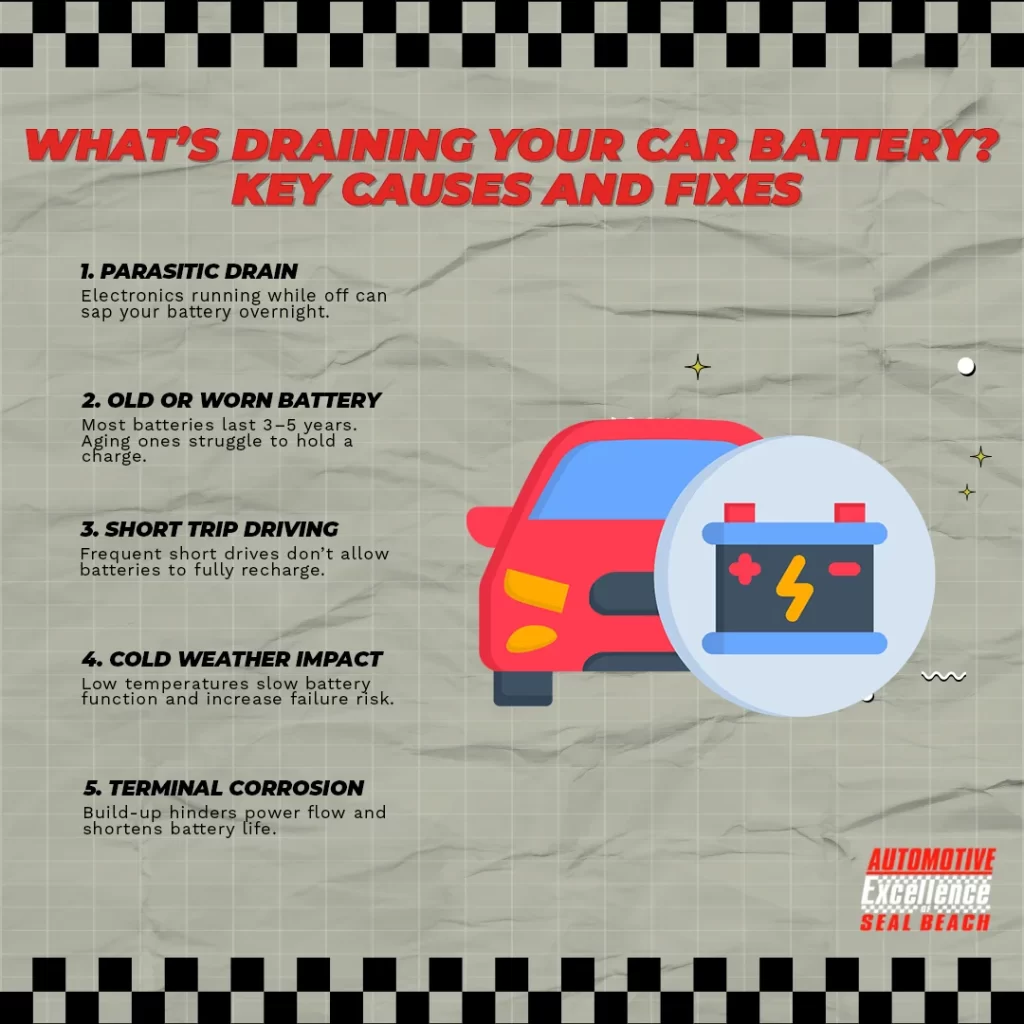
Every charge cycle takes a small toll. Sulfation builds up on the plates, reducing active surface area. After 3-5 years, most lead-acid car batteries lose a noticeable chunk of their original ampere-hour capacity. Regular testing helps you catch this before you get stranded.
Accessories and Electrical Draws
Aftermarket sound systems, light bars, phone chargers, and dash cams all sip from your battery's Ah reserves. If you've added electronics, upgrading to a higher Ah battery or adding a secondary power source keeps everything running smoothly.
How to Test Your Battery's Actual Ah Capacity
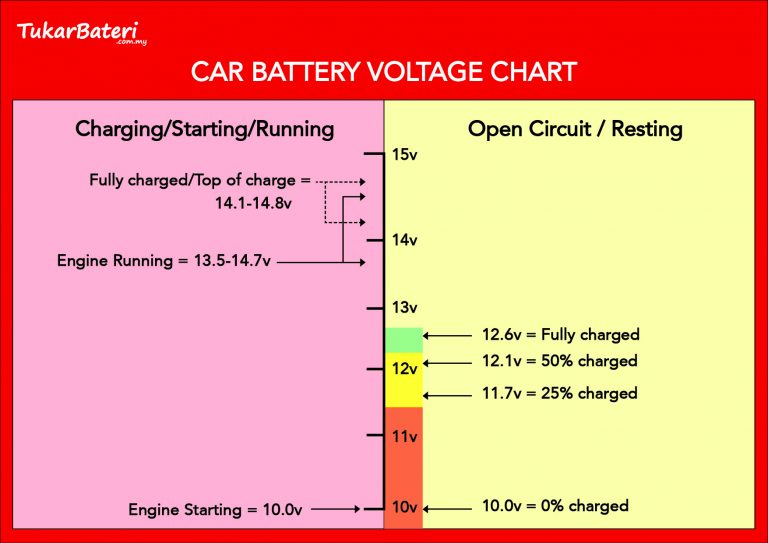
A simple voltage test tells you state of charge, not actual capacity. For real numbers, you need a load tester or a conductance tester. These tools apply a controlled load and measure how the battery responds. Many auto parts stores will test your battery for free, and it's worth doing before every winter.
DIY Testing Methods
If you have a multimeter and some patience, you can do a rough capacity check. Fully charge the battery, then apply a known load (like a 12V light bulb rated at a specific wattage) and time how long it takes for voltage to drop to 10.5V. Multiply the load current by the hours, and you've estimated your Ah capacity.
Professional Testing Tools
Midtronics and conductance testers are the industry standard. They send a small AC signal through the battery and measure impedance to estimate health and capacity. They're fast, accurate, and don't drain the battery during testing.
Choosing a Replacement Battery Based on Ah
When shopping, don't just grab the cheapest option. Match or slightly exceed your original Ah rating, ensure the group size fits your battery tray, and verify terminal orientation. Quality brands like Optima, Interstate, and Odyssey offer reliable performance, but even the best battery needs proper care.
AGM vs Flooded Lead-Acid
AGM batteries typically offer better Ah retention, faster recharge, and longer life compared to traditional flooded batteries. They cost more upfront but pay off in longevity. If your car has start-stop technology or lots of electronics, AGM is often worth the premium.
Budget vs Premium Options
Budget batteries work fine for standard vehicles with minimal electronics. Premium batteries justify their cost through longer warranties, better construction, and higher reserve capacity. Calculate cost per year of expected life, and the premium option often wins.
Common Myths About Car Battery Ah Ratings
Let me bust a biggest myths. No, a higher Ah battery won't damage your car. Your alternator only pushes what the system needs, so extra capacity is just stored energy waiting to be used. Also, jumping a dead battery doesn't "reset" its Ah capacity; it just adds a surface charge that fades quickly.
Myth: Bigger Is Always Better
More Ah is only better if your charging system can handle it. Most alternators are designed for a specific battery capacity range. Going overboard won't hurt anything, but the extra weight and cost might not be justified for your driving needs.
Myth: A Dead Battery Just Needs Recharging
If a battery won't hold a charge, recharging is a temporary fix. Once internal damage occurs, Ah capacity permanently drops. Replacement is the only long-term solution.
Maintaining Your Battery's Ah Over Time
Want to squeeze every ampere-hour from your battery? Keep the terminals clean, ensure the hold-down is tight, and avoid deep discharges whenever possible. If you store your car for weeks, a trickle charger maintains optimal charge without overcooking the battery.
Driving Habits That Help
Regular drives of at least 20 minutes keep the battery healthy. Short hops with lots of engine-off time with accessories running? That's the enemy. If your commute is short, consider a battery maintainer or occasionally take a longer drive.
When to Replace Before Failure
Don't wait for the dreaded no-start morning. Most batteries give warning signs: slow cranking, dim headlights at idle, and a swollen case. If your battery is over four years old and showing symptoms, proactive replacement beats reactive headaches.

Frequently Asked Questions About Car Battery Ah
Is a higher Ah car battery better?
A higher Ah battery provides more reserve capacity and often longer runtime for accessories, but it's only "better" if it fits your vehicle's specifications and your electrical demands. Going slightly above the manufacturer's recommendation is safe and sometimes beneficial, but massive jumps offer no real advantage.
Can I use a battery with a higher Ah than recommended?
Yes, using a higher Ah battery than the original spec is generally safe. Your car's charging system will only draw what it needs, and the extra capacity acts as a buffer. Just make sure the physical dimensions and terminal layout match your battery tray and cables.
What happens if my car battery Ah is too low?
If your battery's Ah rating is too low for your vehicle's demands, you may experience slow cranking, dimming lights, and premature battery failure. The starter motor draws significant current, and insufficient capacity leads to voltage drops that strain the electrical system.
How long does a car battery hold its Ah rating?
A quality car battery typically retains near-original Ah capacity for 2-3 years, then gradually declines. After 4-5 years, most batteries have lost 20-40% of their rated capacity. Climate, usage patterns, and maintenance all affect this timeline significantly.
Does Ah affect how long a car battery lasts?
Yes, Ah capacity directly relates to battery longevity. Batteries cycled deeply lose capacity faster than those kept partially charged. Higher Ah batteries often last longer because each discharge cycle represents a smaller percentage of total capacity, reducing wear on the internal plates.
Final Thoughts
Understanding what Ah means on a car battery transforms you from a confused consumer into an informed driver. That little number tells you exactly how much electrical energy your battery stores, how long it can power your accessories, and whether it matches your driving style. Next time your battery dies, you'll know exactly what to look for, and more importantly, you'll understand why it matters. Your car, your wallet, and your future self stuck in that cold parking lot will all thank you.