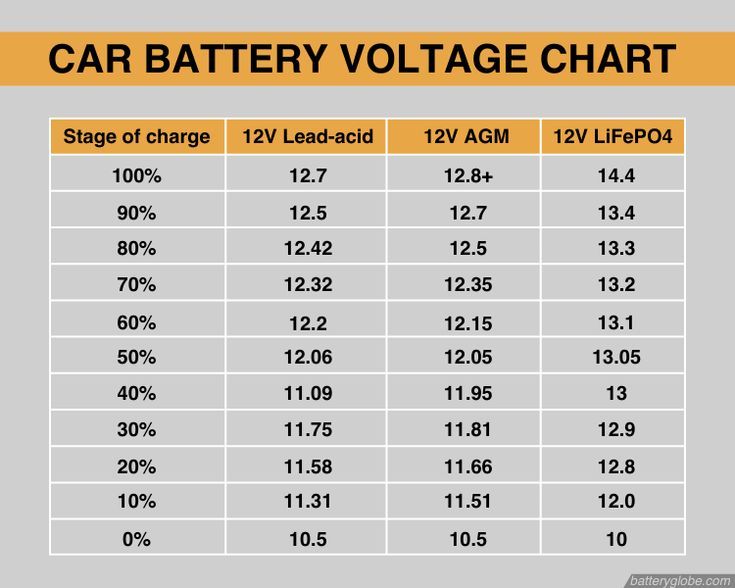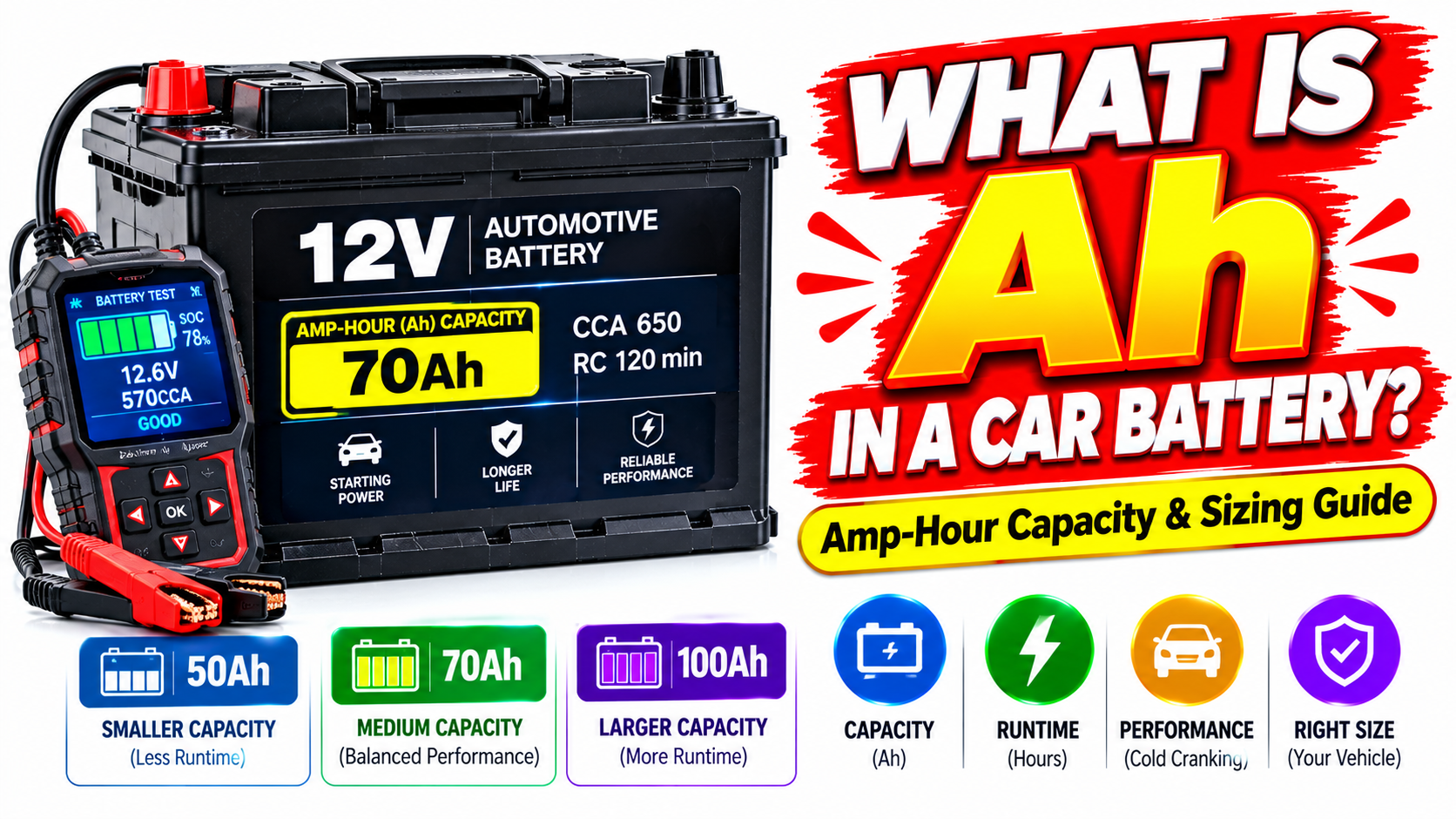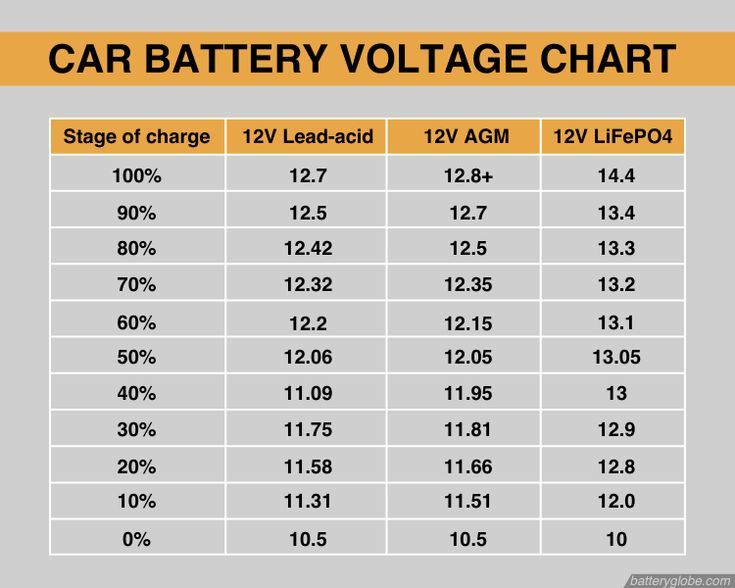
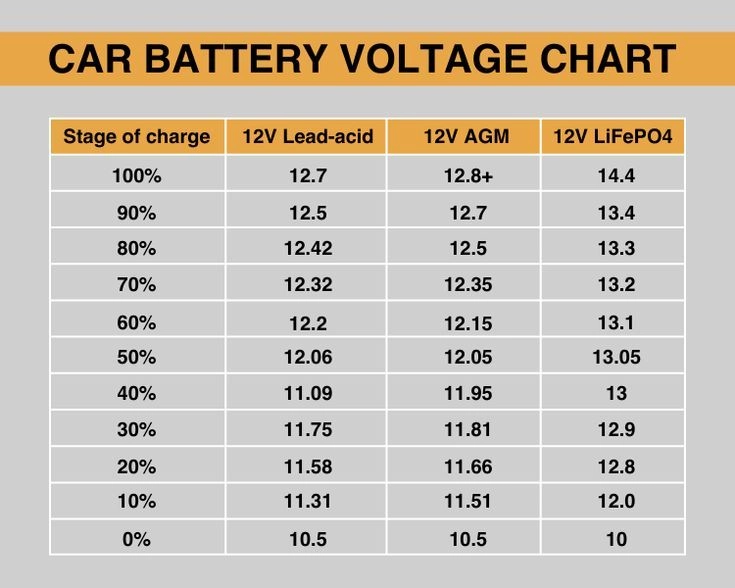
A fully charged car battery should read between 12.4 and 12.7 volts when the engine is off, and 13.7 to 14.7 volts when the engine is running. If you've ever popped the hood and wondered what those numbers on a multimeter really mean for your car's health, you're in the right place. After years of testing batteries in everything from daily commuters to classic muscle cars, I can tell you that voltage is one of the simplest yet most telling signs of battery condition. Stick with me, and I'll walk you through exactly what your battery voltage should be, why it matters, and how you can check it yourself without any fancy tools or mechanic fees.
Understanding Car Battery Voltage Basics
Think of your car battery like a water tank. Voltage is essentially the pressure pushing electrical current through your car's system. When the engine is off, a healthy battery rests at a stable voltage. When you turn the key, that voltage dips briefly, then the alternator kicks in to recharge the system while you drive.
Most modern cars use a 12-volt lead-acid battery, which actually delivers closer to 12.6 volts when fully charged. That might sound confusing, but it's just how chemistry works. Six cells inside the battery each produce about 2.1 volts, adding up to that familiar 12.6-volt reading. Once you understand this, the whole voltage game suddenly makes sense.
I've lost count of how many times a simple voltage check has saved me from being stranded. There's nothing worse than a dead battery on a cold morning, and knowing these numbers helps you catch problems before they leave you stuck.
What Voltage Should a Car Battery Read When the Engine Is Off
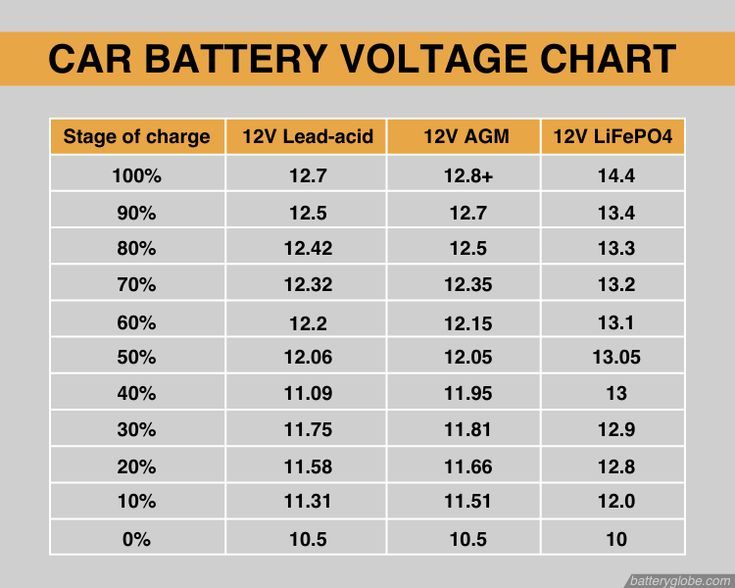
When your car has been sitting for at least a few hours, ideally overnight, a healthy battery should show between 12.4 and 12.7 volts. Here's a quick breakdown of what different readings actually mean:
- 12.6 volts or higher: Fully charged and in great shape
- 12.4 volts: About 75% charged, still healthy but worth keeping an eye on
- 12.2 volts: Around 50% charged, battery is getting weak
- 12.0 volts or lower: Significantly discharged, may struggle to start the engine
- Below 11.9 volts: Deeply discharged, possible damage from sulfation
I remember one winter when my old truck sat in the garage for three weeks. When I finally checked the battery, it read 11.8 volts. That cold snap had drained it faster than I expected, and I learned the hard way that batteries slowly self-discharge over time.
Temperature plays a huge role here. Cold weather thickens the oil in your engine and makes the battery work harder. A battery that reads 12.4 volts in summer might drop to 12.0 in winter without any actual damage. Always take the weather into account before you panic.

What Voltage Should a Car Battery Show When the Engine Is Running
Now here's where things get interesting. Once you start the engine, your alternator takes over and should push the voltage higher. A properly charging system typically reads between 13.7 and 14.7 volts while the engine runs.
If your multimeter shows numbers in that range, your alternator is doing its job. The battery is basically being refilled with electrical energy as you drive. Anything below 13.5 volts suggests the alternator might not be charging properly. Anything above 15.0 volts often points to a voltage regulator issue, which can actually cook your battery over time.
I learned this the expensive way once. My alternator was overcharging at 15.4 volts, and I ignored it for months. By the time I replaced the regulator, my battery was permanently damaged and had to be thrown out. Trust me, checking that running voltage takes five minutes and can save you hundreds of dollars.
Why Battery Voltage Drops and What Causes It
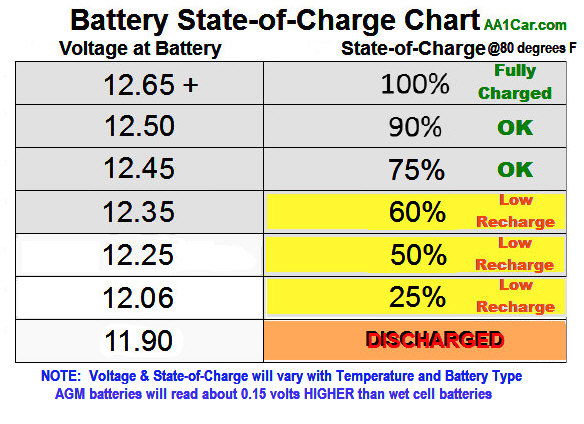
Several everyday situations can drain your battery voltage without you realizing it. Leaving headlights on overnight is the classic culprit. A single night with the dome light on can pull a battery below 12 volts.
Short trips are another silent killer. If you only drive a mile or two to the corner store, the alternator never gets enough time to fully recharge the battery. Over weeks, that adds up. I've seen plenty of people replace batteries that were perfectly fine. They just needed longer drives or a quality battery tender.
Corroded terminals also create resistance that mimics low voltage. Before you buy a new battery, always clean the terminals with a wire brush and check the connections. I've saved countless batteries just by tightening a loose cable.
Old age naturally reduces capacity. Most car batteries last between three and five years. As internal plates wear out, the battery holds less charge and voltage drops faster. If yours is approaching that age range and you're seeing weak readings, it might be time for a replacement.
How to Test Your Car Battery Voltage at Home
You don't need to be a mechanic to check your battery voltage. A basic digital multimeter costs around fifteen dollars and gives you accurate readings in seconds.
Start by turning off your engine and all accessories. Pop the hood and locate your battery. Connect the red lead to the positive terminal, marked with a plus sign, and the black lead to the negative terminal. A healthy battery should show 12.4 to 12.7 volts.
Then start the engine and check the reading again. With the car running, you want to see 13.7 to 14.7 volts. This simple two-step test tells you almost everything you need to know about both your battery and your charging system.
I keep a multimeter in my glove box. It's one of those tools that pays for itself the first time you avoid a tow truck. There are also inexpensive plug-in battery testers that work through your cigarette lighter, though they're less precise.
Different Battery Types and Their Voltage Ranges
Not all car batteries are exactly the same. The standard flooded lead-acid battery is most common and operates in the ranges we discussed. AGM batteries, or absorbed glass mat, are increasingly popular in newer cars with start-stop technology. They actually perform slightly better and can handle deeper discharges.
EFB batteries, or enhanced flooded batteries, sit somewhere between traditional and AGM types. They're often found in entry-level start-stop vehicles. The voltage ranges stay similar, but AGM batteries often show slightly higher resting voltages and recover faster after heavy use.
Lithium-ion batteries are starting to appear in some performance and luxury models. They run at higher voltages, typically around 13.2 volts nominal, but they're still rare in everyday cars. Stick with the 12-volt rules unless your owner's manual says otherwise.
Signs Your Battery Voltage Is Too Low
Your car usually gives you warning signs before a battery dies completely. The most obvious is a slow-cranking engine. If the starter sounds sluggish or the engine turns over slowly, your voltage is probably low.
Dim headlights are another classic signal. With the engine off, headlights should stay bright. If they look weak or yellow, your battery is struggling. I've noticed this especially in older cars with halogen bulbs.
The battery warning light on your dashboard might illuminate. This little light usually means the charging system isn't working properly, though it could point to either a battery or alternator issue. Don't ignore it.
Electrical glitches like flickering interior lights or malfunctioning infotainment screens can also indicate voltage problems. Modern cars are basically computers on wheels, and they hate unstable power.
When to Charge or Replace Your Battery
If your battery reads below 12.2 volts, a good charge might bring it back to life. Using a quality battery charger for several hours can restore capacity in many cases. I keep a smart charger in my garage, and it has rescued batteries that looked completely dead.
But if your battery is more than four years old and consistently reads low, replacement is usually the smarter move. A battery that won't hold above 12.0 volts after charging has likely suffered permanent damage. The internal plates sulfate when deeply discharged, and that damage doesn't reverse.
Always match the battery specification to your vehicle. Check your owner's manual for the correct group size, cold cranking amps, and reserve capacity. Installing a weak battery is a false economy that often ends with another roadside breakdown.
Tips for Maintaining Healthy Battery Voltage
Keeping your battery voltage in the sweet spot doesn't require much effort. Park in a garage when possible, especially in extreme temperatures. Both intense heat and bitter cold shorten battery life.
Drive your car regularly. Even a twenty-minute drive once a week helps maintain charge. If you have a second car that sits for long periods, consider a battery tender or maintainer. These devices automatically top off the charge without overcharging.
Keep the terminals clean. A mixture of baking soda and water removes corrosion beautifully. After cleaning, apply a thin layer of dielectric grease to prevent future buildup. This five-minute task twice a year makes a real difference.
Turn off accessories before shutting down the engine. Headlights, heated seats, and phone chargers all draw power. Give the alternator a chance to focus on recharging the battery during your drive rather than running your gadgets.
Frequently Asked Questions
Is 12.2 volts okay for a car battery?
A reading of 12.2 volts means the battery is around 50% charged. It's not ideal but isn't critically low either. If the battery is fairly new and shows this reading after sitting overnight, it might have a parasitic drain somewhere or need a proper charge.
What voltage is too low to start a car?
Most cars need at least 12.0 volts to start reliably. Below 11.8 volts, you're entering risky territory. Cold weather makes things worse, so a battery that starts fine at 12.2 volts in summer might not cut it on a freezing winter morning.
Can a car battery be 14 volts?
A battery showing 14 volts while the engine is running is perfectly normal. That means your alternator is charging the system. When the engine is off, however, 14 volts would indicate a surface charge or a faulty voltage regulator.
How often should I check my battery voltage?
Once a month is plenty for most drivers. Check it more often if your battery is older than three years or if you've noticed any starting issues. A quick voltage check takes less than a minute once you know what you're doing.
Do I need to replace a battery that reads 12.0 volts?
Not necessarily. Try charging it first with a proper battery charger. If it holds above 12.4 volts after a full charge and a day of sitting, it's still usable. If it drops back to 12.0 volts quickly, the battery has likely reached the end of its life.
Conclusion
Your car battery voltage tells a clear story about its health and your charging system. Aim for 12.4 to 12.7 volts at rest and 13.7 to 14.7 volts while running. These numbers give you a reliable snapshot of what's happening under the hood without any guesswork. With a simple multimeter and five minutes of your time, you can stay ahead of battery issues and avoid those frustrating dead-battery mornings. Bookmark this guide for your next voltage check, and share it with anyone who wants to understand their car a little better. Drop a comment below with your own battery experiences or questions.