
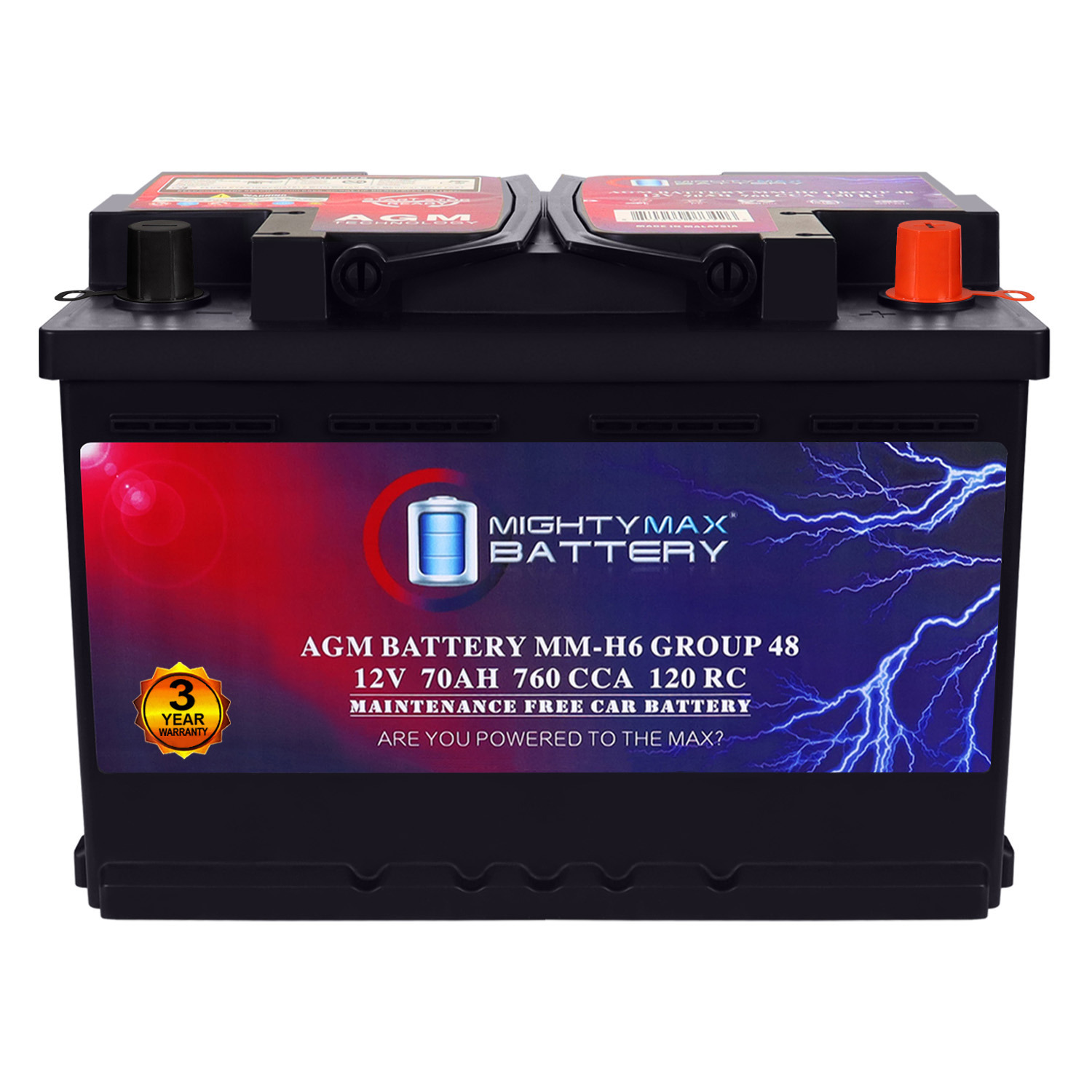
AH on a car battery stands for Ampere-Hours, which measures how much electrical energy the battery can deliver over time. It's one of the most important specs you'll see when shopping for a replacement or upgrade.
If you've ever stood in the auto parts aisle staring at battery labels, you know how confusing all those numbers can be. I've been there too, scratching my head at terms like CCA, RC, and AH. After years of working with different vehicles and helping friends troubleshoot battery issues, I've learned that understanding AH can save you money, prevent breakdowns, and help you pick the right battery the first time. Let me walk you through everything I've picked up along the way.
What Does AH Actually Mean on a Car Battery
AH, or Ampere-Hours, tells you the battery's storage capacity. Think of it like the size of a fuel tank in your car, but instead of holding gallons of gas, it holds units of electrical current. One ampere-hour means the battery can supply one amp of current for one full hour before it's considered fully discharged.
For instance, if you see a battery rated at 50 AH, it can theoretically deliver 5 amps for 10 hours, or 10 amps for 5 hours. In real-world driving conditions, though, you'll never fully drain a car battery because doing so would damage it permanently.
Breaking Down the Ampere-Hour Concept
Imagine filling a bucket with water. The bucket's size determines how much water it can hold, and the flow rate of the faucet determines how fast it fills. A car battery works similarly. The AH rating is the bucket's capacity, while your car's electrical demands determine how quickly that energy gets used up.
When I first learned about AH, I made the mistake of thinking a higher number always meant better performance. But it's not that simple. A bigger AH rating means more capacity, but only if your car's charging system can handle it properly.
How AH Differs from Other Battery Ratings
You might also notice CCA (Cold Cranking Amps) on the label. While AH measures sustained energy delivery, CCA measures how much power the battery can provide in short bursts, specifically for 30 seconds at 0°F without dropping below 7.2 volts. They serve different purposes, and both matter depending on your driving habits and climate.

Why AH Matters for Your Vehicle
The AH rating directly impacts how long your battery can run accessories when the engine is off. Ever left your headlights on and came back to a dead battery? That situation relates closely to AH capacity. A higher AH means more reserve power for those accidental moments.
From my experience, vehicles with lots of electronics benefit from higher AH batteries. Modern cars loaded with infotainment systems, heated seats, and advanced sensors pull more power than older models. If your battery is too small for your car's demands, you'll find yourself jumping it more often than you'd like.
Matching AH to Your Driving Style
Daily commuters who drive short distances might not need massive AH ratings, but they do need reliable cranking power. Long-distance drivers, on the other hand, benefit from higher AH because their alternators have more time to fully recharge the battery during extended drives.
I've owned a truck that demanded a 70 AH battery, while my compact car runs perfectly fine on a 45 AH unit. Matching the right capacity to your vehicle prevents both underperformance and unnecessary spending on power you won't use.

How to Find the Right AH for Your Car
Your owner's manual is the best starting point. Manufacturers specify the ideal battery group size and minimum AH rating for each model. Ignoring these recommendations can lead to electrical issues or even damage to sensitive components.
If you can't find your manual, most auto parts stores have lookup tools. Just provide your vehicle's year, make, and model, and they'll show compatible batteries. I've used this method countless times when helping neighbors with their cars.
Considering Climate Conditions
Cold weather reduces battery efficiency significantly. In northern regions, drivers often need batteries with both higher AH and higher CCA ratings. Hot climates, meanwhile, accelerate battery fluid evaporation, which can shorten lifespan regardless of AH rating.
When I moved from a mild climate to one with harsh winters, I had to upgrade my battery. The original equipment battery struggled to start my car on freezing mornings. Adding capacity made a noticeable difference in reliability.
Balancing Cost and Capacity
Higher AH batteries typically cost more, but the price jump isn't always worth it. Calculate your typical electrical load before overspending. If you rarely use accessories with the engine off, a mid-range AH battery offers the best value.

Common Misconceptions About AH
Many people believe a higher AH battery will charge faster, but that's not how it works. Charging speed depends on your alternator's output, not the battery's capacity. A larger battery actually takes longer to reach full charge because there's more energy to replenish.
Another myth is that AH directly correlates with battery lifespan. While capacity affects how deeply you can discharge the battery, longevity depends more on maintenance, temperature, and charging habits. I've seen well-maintained batteries last seven years and neglected ones die in two.
The Jump-Starting Confusion
Some drivers think jump-starting a dead battery depends on matching AH ratings. In reality, you can jump-start with a battery of any reasonable AH. What matters more is voltage compatibility and the donor battery having enough charge to transfer.

Maintaining Your Battery's AH Capacity
Keeping your battery healthy preserves its rated AH over time. Simple habits make a big difference. Regular cleaning of terminals prevents corrosion that blocks current flow. Checking electrolyte levels in non-sealed batteries helps maintain capacity.
I make it a point to inspect my battery every few months. A quick visual check and terminal cleaning takes minimal effort but extends battery life significantly. Driving your car regularly also keeps the battery charged and prevents the gradual capacity loss that happens with extended sitting.
Avoiding Deep Discharges
Repeated deep discharges permanently reduce a battery's effective AH. Modern car batteries are designed for shallow discharge cycles. Running your battery down completely, even once, can knock off a noticeable percentage of its original capacity.
If your battery keeps dying, there's likely an underlying issue. Parasitic drains from faulty electronics or a weak alternator could be the real problem, not the battery's AH rating.

When to Replace Based on AH Loss
As batteries age, their actual capacity drops below the original AH rating. A five-year-old 60 AH battery might only deliver 40 AH in real-world conditions. This degradation explains why older batteries struggle to start engines in cold weather or run accessories for long periods.
Testing your battery's actual capacity requires a load tester or specialized equipment. Many auto parts stores offer free battery testing, and I recommend taking advantage of this service annually once your battery passes the three-year mark.
Warning Signs of Declining Capacity
Slow engine cranking, dimming headlights at idle, and frequent need to jump-start are all signs your battery's effective AH has dropped too low. Don't ignore these symptoms, because getting stranded is far more inconvenient than replacing a battery on your schedule.

Frequently Asked Questions
What is a good AH for a car battery?
Most standard car batteries range between 40 and 80 AH. Smaller vehicles typically need 40 to 50 AH, while larger trucks and SUVs benefit from 70 to 80 AH. Always check your owner's manual for the manufacturer's recommendation.
Can I use a higher AH battery in my car?
Yes, using a higher AH battery is generally safe as long as it fits properly and the voltage matches. Your alternator will charge it normally, though it may take slightly longer to reach full charge. The main concern is physical fit and terminal placement.
Does a higher AH mean a stronger battery?
Higher AH means more capacity, not necessarily more strength or power output. Strength relates more to CCA for starting power. However, higher AH batteries often handle accessory loads better and provide more reserve capacity.
How long will a 50 AH battery last?
A 50 AH battery can theoretically deliver 1 amp for 50 hours, but real-world conditions vary widely. With typical vehicle accessories drawing 20 to 30 amps when the engine is off, you'd get roughly 1.5 to 2.5 hours before the battery is deeply discharged.
Is AH the same as volts?
No, AH and volts measure different things. Volts indicate electrical pressure, while AH measures capacity. Most car batteries are 12 volts, but AH ratings vary significantly based on capacity and design. Both ratings matter for overall battery performance.
Wrapping Up Your Battery Knowledge
Understanding AH on a car battery empowers you to make smarter decisions about maintenance and replacement. It's not just a random number on a label; it's a direct measure of how much energy your battery can store and deliver when you need it most. Whether you're dealing with a dying battery or planning an upgrade, this knowledge puts you in control.
Take a few minutes to check your current battery's AH rating and compare it to what your vehicle actually needs. If you've been experiencing electrical issues or your battery is over four years old, consider getting it tested. The small effort now can prevent the frustration of a dead battery at the worst possible moment. Drop your questions or share your own battery experiences in the comments below.