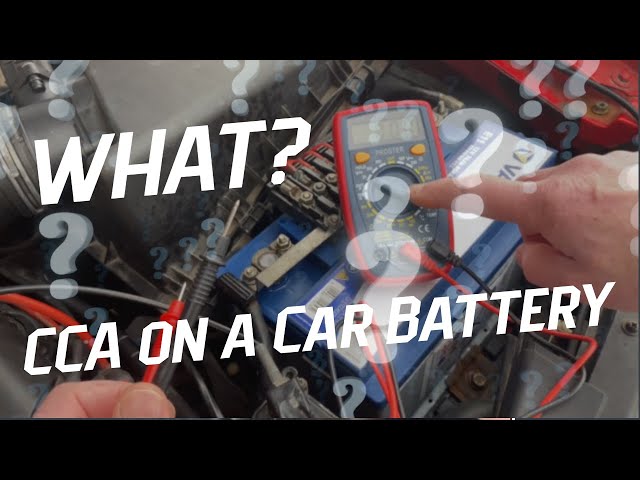
A dead car battery stops your engine from starting, disables electrical systems, and leaves you stranded with no power. A dead car battery can turn a perfectly normal day into a frustrating experience. Most drivers have faced that sinking feeling when they turn the key or push the start button and nothing happens. The dashboard stays dark, the engine refuses to crank, and suddenly you're stuck. The good news is that understanding what happens when your car battery dies can help you react quickly, avoid panic, and even prevent the problem in the first place. Over the years, I've helped countless friends, family members, and customers deal with dead batteries, and the pattern is always the same. The drivers who know what to expect handle the situation calmly. The ones who don't often make small mistakes that cost them time and money. Let me walk you through exactly what happens when your car battery is dead, why it happens, and what you can do about it.
Common Signs Your Car Battery Is Dying or Dead
Before your battery completely dies, it usually gives you warning signs. Learning to recognize these signals can save you from being caught off guard.
Slow Engine Crank
One of the earliest signs of a dying battery is a slow engine crank. When you turn the key, the engine turns over lazily, almost like it's too tired to start. This happens because the battery doesn't have enough charge to deliver the power needed for a quick start.
Dim Headlights and Interior Lights
Your car's electrical systems rely on the battery. If you see headlights that look dim or interior lights that flicker, your battery is struggling to keep up with the demand. This is especially noticeable at night when you're relying on those lights the most.
Clicking Sound When You Turn the Key
That rapid clicking sound when you try to start the car is a classic dead battery symptom. It means the starter motor is receiving just enough power to click but not enough to turn the engine over.
Electrical Malfunctions
Modern cars depend on electronics for almost everything. A weak battery can cause weird behavior like power windows moving slowly, radio cutting out, or dashboard warning lights flickering on.
Swollen or Corroded Battery Case
Sometimes the problem is visible. If you pop the hood and see a bloated battery case or white, blue, or greenish corrosion around the terminals, the battery is likely failing or already dead.
What Happens When Your Car Battery Is Dead
When the battery is completely dead, your car essentially becomes a very expensive paperweight. Here's exactly what you can expect.
No Response When You Turn the Key
The most obvious sign is silence. You turn the key or press the start button, and absolutely nothing happens. No engine crank, no dashboard lights, no sounds at all. The car's electrical system has no power source to work with.
All Electrical Components Stop Working
Your radio won't turn on. Your headlights won't illuminate. Your power locks won't respond. Every component that runs on electricity goes dark. This is because the battery is the heart of your car's electrical system, and without it, nothing flows.
The Car Won't Shift Out of Park (Automatic Transmissions)
Many automatic vehicles have a safety feature that prevents shifting out of park without power. If your battery dies, you might find yourself stuck in park with no way to move the gear selector.
Warning Lights May Stay On or Be Completely Dead
Depending on how the battery failed, you might see warning lights on the dashboard that won't turn off, or you might see nothing at all. A completely drained battery typically results in a totally dark dashboard.

Why Car Batteries Die
Understanding the root causes helps you prevent future problems.
Leaving Lights or Accessories On
This is the number one cause of dead batteries. Forgetting to turn off headlights, interior lights, or leaving something plugged into the 12-volt outlet can drain a battery overnight.
Old Age and Wear
Car batteries typically last three to five years. After that, they lose their ability to hold a charge effectively. If your battery is older, it's living on borrowed time.
Extreme Temperatures
Both extreme heat and extreme cold damage batteries. Heat causes the internal fluid to evaporate, while cold slows down the chemical reactions needed to generate power. If you live in an area with harsh winters or blazing summers, your battery works harder and dies sooner.
Short Drives That Don't Recharge
Your alternator recharges the battery while the engine runs. If you only take short trips, the alternator may not have enough time to fully replenish the battery. Over time, this creates a chronic low-charge condition that eventually kills the battery.
Faulty Alternator
Sometimes the battery isn't the problem at all. A failing alternator won't charge the battery while you drive, which means the battery slowly drains even during normal use.
Parasitic Drains
Modern cars have computers and systems that draw small amounts of power even when the car is off. This is normal, but if something malfunctions and draws too much power, it can kill the battery while the car sits.
What To Do When Your Car Battery Is Dead
When you're stuck with a dead battery, here's a step-by-step approach to get back on the road.
Try a Jump Start
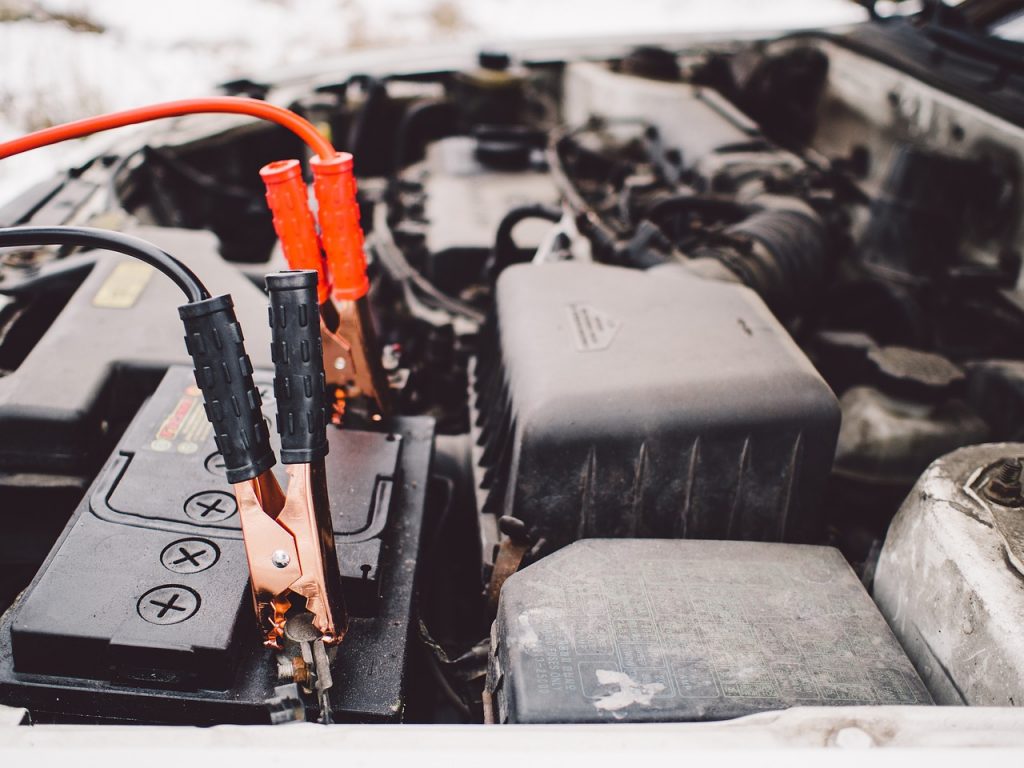
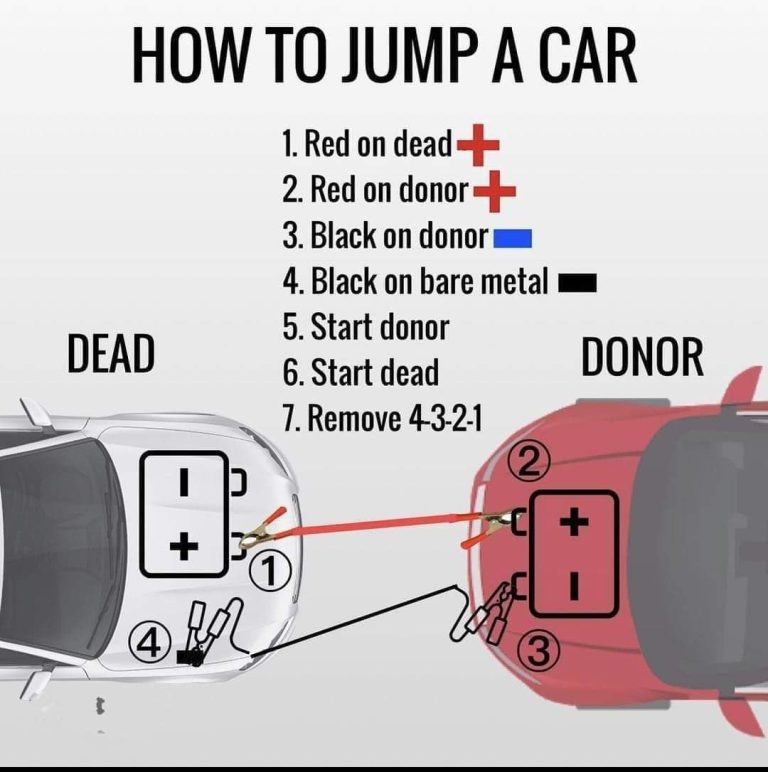
A jump start is the fastest way to revive a dead battery. You'll need jumper cables and another vehicle with a working battery, or a portable jump starter.
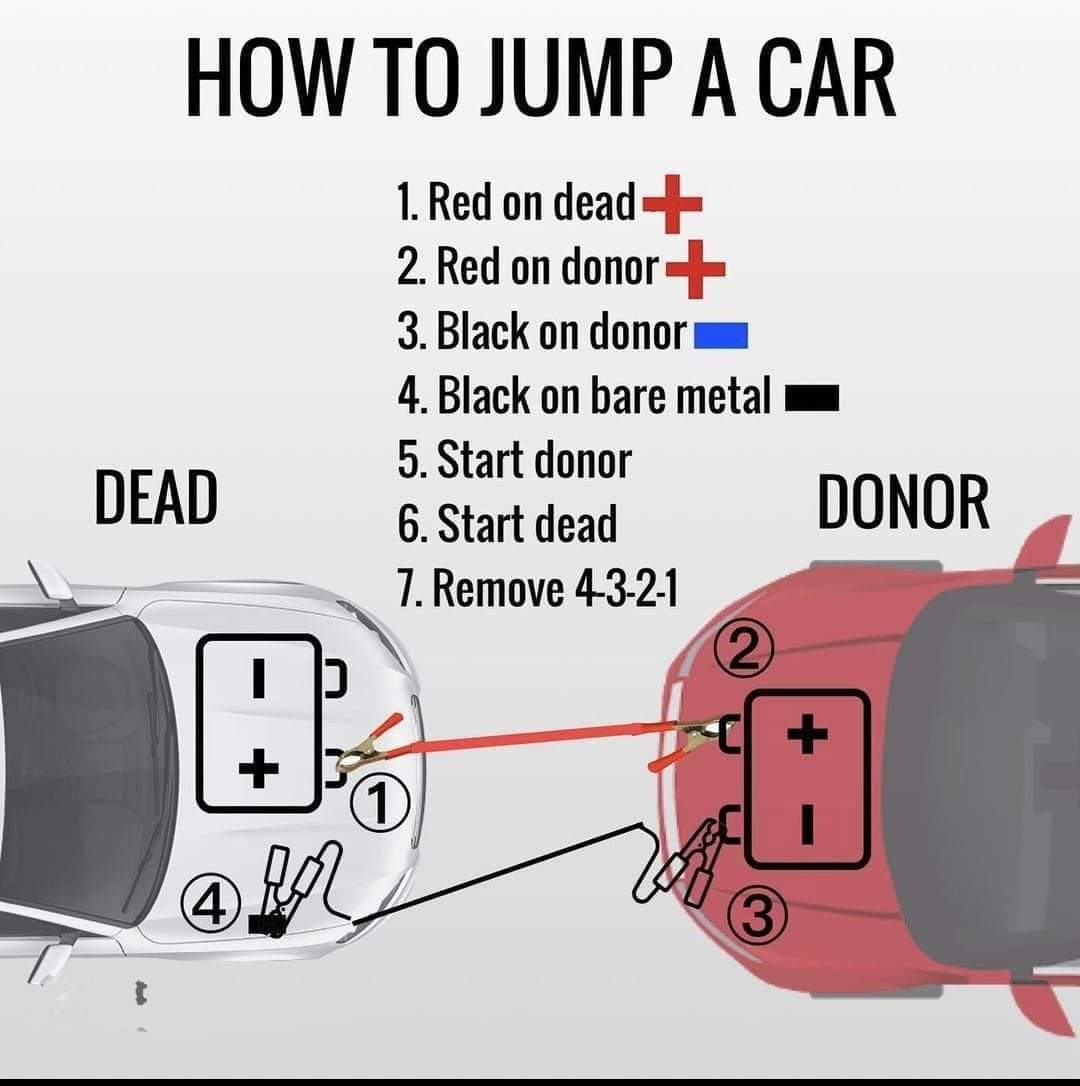
Here are the steps:
- Park the working car close to your car, making sure the batteries are within cable reach
- Turn both cars off and remove the keys
- Connect the red positive cable to the positive terminal on the dead battery
- Connect the other end of the red cable to the positive terminal on the good battery
- Connect the black negative cable to the negative terminal on the good battery
- Connect the other end of the black cable to an unpainted metal surface on your car's engine block, away from the battery
- Start the working car and let it run for a few minutes
- Try starting your car
- Once your car starts, carefully disconnect the cables in reverse order
Call for Roadside Assistance
If you don't have jumper cables or another car nearby, roadside assistance is your best bet. Services like AAA or even many insurance plans offer battery jump-starts and towing. Some services will even bring a new battery and install it on the spot.
Use a Portable Battery Booster
Portable lithium-ion jump starters have become incredibly popular. They're compact, affordable, and can jump-start your car without needing another vehicle. Keep one in your trunk for emergencies.
Replace the Battery
If your battery is old or won't hold a charge after a jump, it's time for a replacement. Most auto parts stores will test your battery for free and help you find the right replacement. Installation is usually simple and takes about 15 to 30 minutes.

How To Prevent a Dead Car Battery
Prevention is always better than scrambling for a solution. Here are practical tips to keep your battery healthy.
Drive Your Car Regularly
If you have a car you don't drive often, start it and let it run for at least 15 minutes once a week. This keeps the battery charged and prevents it from going flat.
Turn Off Everything Before Exiting
Make it a habit to check that all lights, the radio, and accessories are off before you lock up and walk away. This simple habit eliminates the most common cause of dead batteries.
Keep the Battery Terminals Clean
Corrosion on the battery terminals reduces the connection and makes it harder for the battery to deliver power. Clean the terminals every few months with a wire brush and a mixture of baking soda and water.
Test Your Battery Annually
Most auto parts stores offer free battery testing. A yearly check-up can catch a weakening battery before it leaves you stranded.
Park in a Garage During Extreme Weather
If possible, park in a garage or covered area during temperature extremes. This protects the battery from the worst of the weather and extends its life.
Turn Off Electronics When the Engine Is Off
Modern cars have USB ports, phone chargers, and entertainment systems. When the engine is off, these still draw power from the battery. Unplug devices and avoid using electronics when the car isn't running.
Common Misconceptions About Dead Car Batteries
Let me clear up a few things I've heard over the years that just aren't true.
Running the Engine Charges the Battery Quickly
Many people think idling the engine fully recharges the battery. In reality, it takes 30 minutes to an hour of driving at highway speeds to meaningfully recharge a deeply drained battery. Sitting in a parking lot with the engine running barely puts a dent in the charge level.
Jump Starting Damages the Car
When done correctly, jump starting is safe. Problems only occur if you connect the cables incorrectly or skip important steps. Following the proper sequence protects both vehicles.
A Dead Battery Means You Need a New One
Not always. If the battery died because of something simple like leaving the lights on, it can be fully recharged and continue working for years. Batteries only need replacement when they can no longer hold a charge, which usually happens after years of use.
Personal Lessons From Years of Dead Battery Emergencies
I've dealt with dead batteries more times than I can count, and I've learned a few things the hard way.
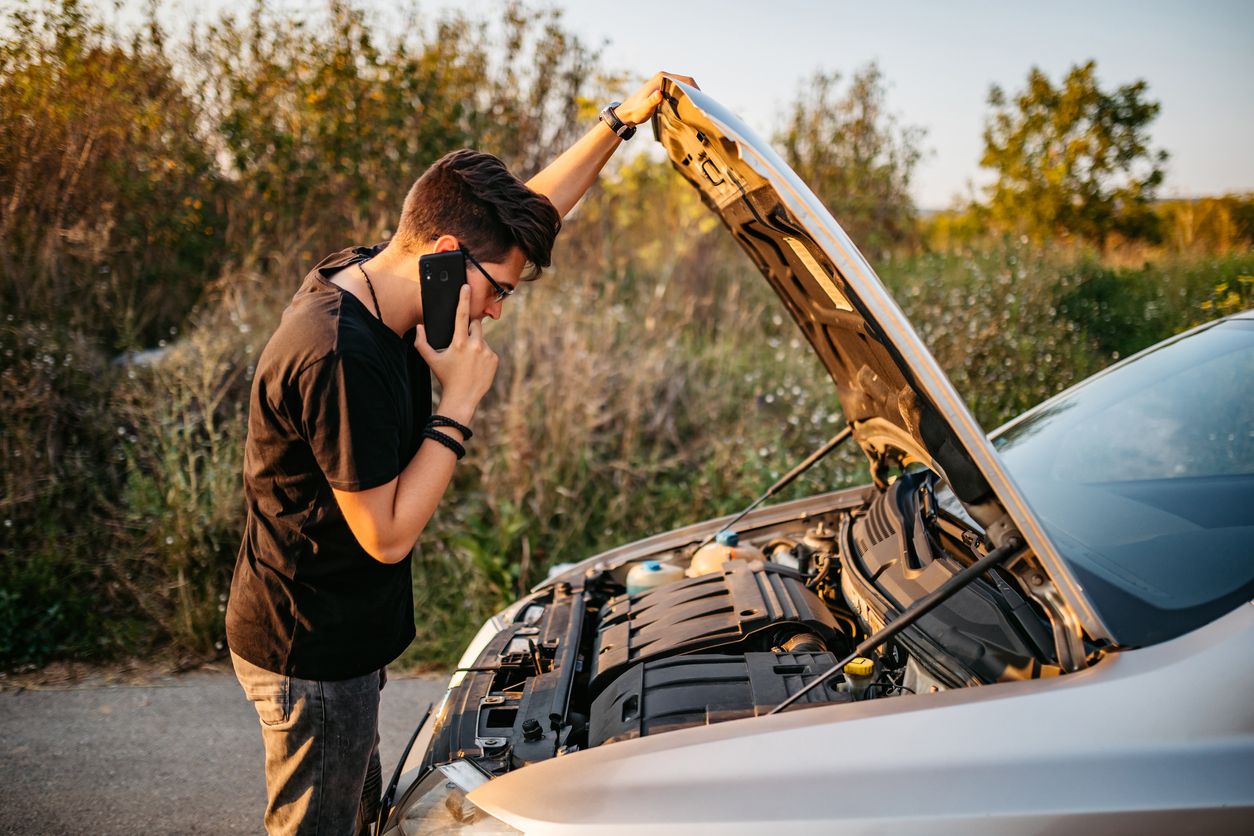
The biggest lesson is this: always carry a portable jump starter. A few years ago, I was stuck in a grocery store parking lot at 9 PM with two kids and a completely dead battery. No one was around to help, and I had no cables. I sat there for 45 minutes waiting for roadside assistance. That night, I bought a portable jump starter the next morning, and it's been in my car ever since.
Another thing I've learned is that batteries rarely die at convenient times. They die on Monday mornings when you're already late, in the middle of a rainstorm, or in the worst parking spot in a crowded lot. Being prepared with knowledge and tools makes all the difference.
Finally, don't ignore the warning signs. That slow crank or flickering light is your battery asking for help. Replace it before it leaves you stranded instead of after.
Frequently Asked Questions
Can a dead battery cause my car to shut off while driving?
Yes, a severely weakened battery can cause electrical issues that lead to stalling. However, if your car dies while driving, the alternator is more likely the culprit. A healthy alternator keeps the engine running even with a weak battery.
How long does it take to charge a dead car battery?
Using a battery charger, it typically takes 4 to 24 hours to fully charge a dead battery, depending on the charger's amperage and the battery's size. Jump starting and driving won't fully recharge it.
Is it safe to drive with a dead battery?
Once you jump start the car, it's generally safe to drive for a short time. However, if the alternator isn't working properly, the car will eventually stall. Get the charging system checked as soon as possible.
How do I know if my battery is dead or just discharged?
A discharged battery can be recharged and will work normally afterward. A dead battery won't hold a charge at all, even after hours on a charger. Auto parts stores can test your battery to determine which one you're dealing with.
Can cold weather kill a car battery overnight?
Yes, extreme cold can kill an old or weak battery overnight. Cold temperatures slow down the chemical reactions inside the battery, reducing its power output. A battery that's already weak may not survive a freezing night.
Conclusion
A dead car battery is one of the most common and frustrating vehicle problems, but it doesn't have to ruin your day. By understanding what happens when your battery dies, recognizing the warning signs, and knowing how to respond, you can handle the situation with confidence. Keep jumper cables or a portable jump starter in your car, stay on top of battery maintenance, and replace your battery before it reaches the end of its life. A little preparation goes a long way toward avoiding the inconvenience of being stranded. If you've ever dealt with a dead battery, share your story in the comments below. Your experience might help someone else prepare for their own dead battery emergency.