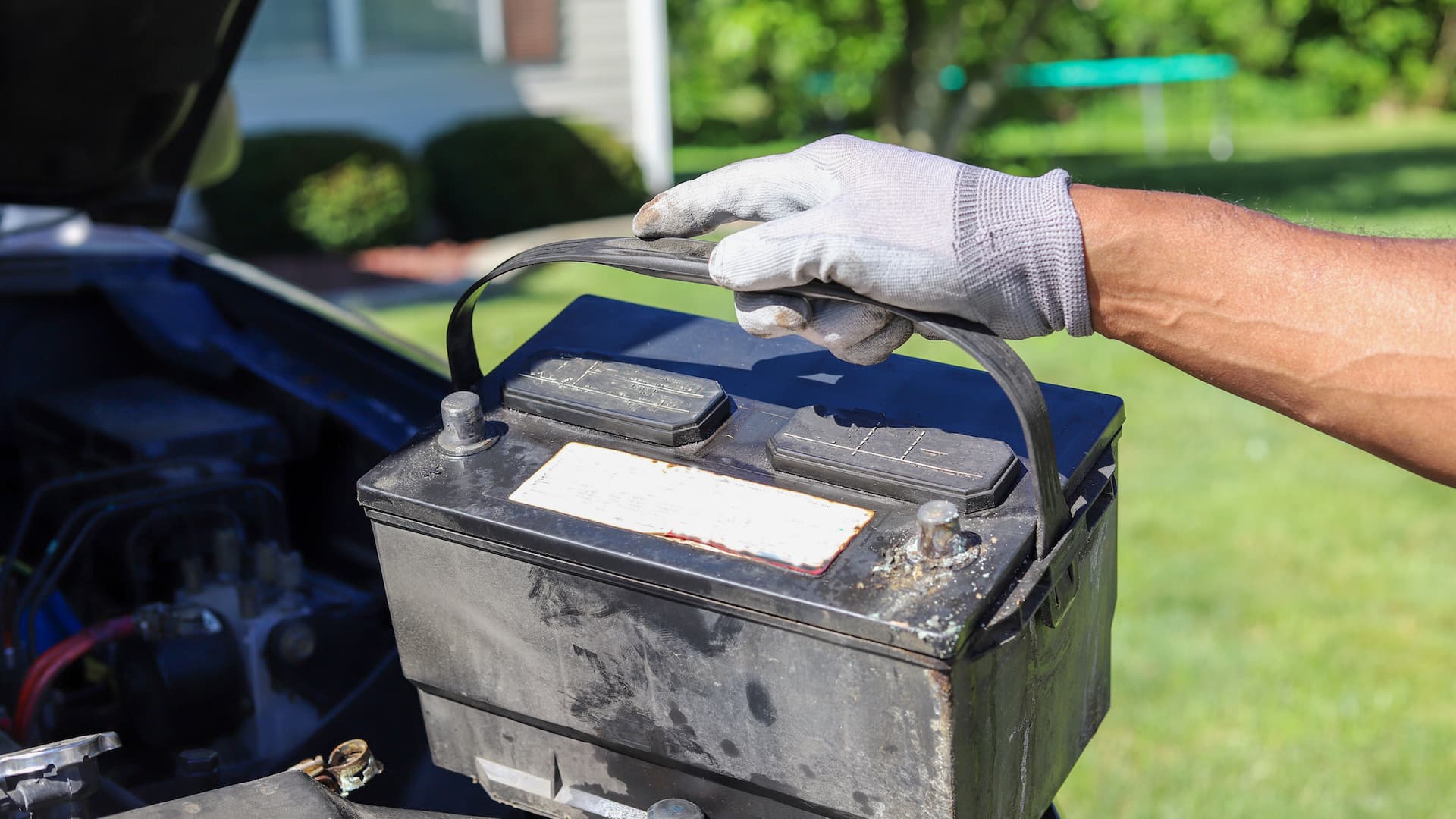
A dead car battery is a common problem, but knowing what to do if the car battery is dead can save you time, money, and stress when it happens. The fastest way to get back on the road is to use jumper cables and a second vehicle with a healthy battery, but there are several other options and important safety steps to keep in mind.
I'll never forget the first time my battery died. I was rushing to an early morning meeting, turned the key, and heard nothing but a sad click. Standing there in an empty parking lot, I realized how little I actually knew about what to do next. Since then, I've dealt with dead batteries more times than I can count, helped stranded friends on the side of the road, and even taught a few new drivers the basics. That hands-on experience has taught me that a dead battery is rarely the end of the world, as long as you stay calm and follow the right steps.
Why Car Batteries Die in the First Place
Before jumping into the solution, it helps to understand why a car battery might die. In my experience, most people only think about their battery when it fails, but knowing the common causes can help you prevent it from happening again.
A few of the most common reasons include leaving your headlights or interior lights on overnight, extreme hot or cold weather that puts stress on the battery cells, corrosion on the battery terminals, an old battery that's simply reached the end of its lifespan, and a faulty alternator that isn't properly charging the battery while you drive.
Think of your car battery like a heart. It pumps life into every electrical system, from the starter motor to the radio. When it stops working, nothing else can function properly. That's why learning what to do if the car battery is dead is a skill every driver should have.
Signs Your Car Battery Is About to Die
One of the best things you can do is catch the warning signs before you're stuck. Over the years, I've learned to pay attention to the small hints your car gives you before the battery completely gives out.
Common warning signs include the engine cranking slowly when you turn the key, dim headlights or interior lights, a clicking sound when you try to start the car, the battery warning light glowing on your dashboard, and electronic accessories like power windows working slower than usual.
If you notice any of these, it's a good idea to test your battery or have it inspected before it leaves you stranded.
Safety First: What to Do Before You Try to Fix It
Whenever you deal with a car battery, safety should always come first. I've seen people rush into jump-starting without thinking, and that can lead to sparks, damage, or even injury.
Here are a few safety tips I always follow:
- Turn off both vehicles completely before connecting any cables.
- Remove any metal jewelry like rings or bracelets.
- Make sure the battery isn't cracked or leaking.
- Keep a safe distance from the battery while making connections.
- Work in a well-ventilated area, especially if you smell anything unusual.
Taking a minute to check these things can prevent a bad situation from getting worse.
How to Jump-Start a Dead Car Battery
Jump-starting is the most common way to deal with a dead battery, and it's something every driver should know how to do. I've used this method countless times, and once you do it a few times, it becomes second nature.
You'll need a set of jumper cables and another vehicle with a working battery. Park the two cars close enough that the cables can reach both batteries, but make sure the cars aren't touching.
Here's the step-by-step process I use:
- Connect the red positive clamp to the positive terminal of the dead battery.
- Connect the other red clamp to the positive terminal of the good battery.
- Connect the black negative clamp to the negative terminal of the good battery.
- Attach the final black clamp to an unpainted metal surface on the dead car, away from the battery.
- Start the working vehicle and let it run for a few minutes.
- Try starting the dead vehicle.
- Once it starts, remove the cables in reverse order.
After a successful jump-start, I always recommend driving the car for at least 20 to 30 minutes to let the alternator recharge the battery. If the car dies again soon after, that usually means the battery needs to be replaced.
What to Do If You Don't Have Jumper Cables
Not everyone carries jumper cables, and there have been times when I didn't either. Luckily, there are other options when you find yourself with a dead battery and no cables.
One of the most popular alternatives is a portable jump starter. These compact devices can fit in your glove box and are powerful enough to start most vehicles. I've kept one in my trunk for years, and it's saved me more than once.
Another option is to call for roadside assistance. Services like AAA or your insurance provider's roadside program can send someone to help. If you're in a safe area, you can also ask a passing driver for help. Most people are happy to assist, especially if you have your own cables.
Some newer cars even have automatic stop-start systems that put extra strain on the battery, so having a backup plan is always smart.
How to Tell If Your Battery Needs to Be Replaced
A jump-start gets you moving, but it doesn't always fix the underlying problem. Over the years, I've learned that some batteries simply can't be saved.
You might need a new battery if your car struggles to start even after a jump, the battery is more than three to five years old, the terminals are covered in white or blue corrosion, the battery case looks swollen or cracked, or you find yourself needing frequent jump-starts.
Most auto parts stores will test your battery for free and let you know if it's time for a replacement. It's a quick and easy way to avoid getting stranded again.
How to Maintain Your Battery and Prevent Future Problems
Once you've dealt with a dead battery, the last thing you want is to go through it again. I've developed a few habits over the years that have helped me keep my batteries in good shape for as long as possible.
Here are some simple maintenance tips:
- Drive your car regularly, especially if it's not used daily.
- Keep the battery terminals clean and free of corrosion.
- Make sure all lights and accessories are turned off when the car is parked.
- Have the battery tested during routine oil changes.
- Park in a garage during extreme weather when possible.
Think of battery care like brushing your teeth. A little effort every day goes a long way toward preventing bigger problems down the road.
When to Call a Professional
Sometimes, a dead battery is a sign of a bigger electrical problem. If you've tried everything and your car still won't start, or if the battery keeps dying for no clear reason, it's time to bring in a professional.
A mechanic can check the alternator, starter, and other components to find the real cause. I've learned the hard way that ignoring recurring battery issues can lead to bigger and more expensive repairs, so don't hesitate to get expert help when you need it.
Frequently Asked Questions About a Dead Car Battery
How long does it take to jump-start a dead car battery?
It usually takes about 5 to 10 minutes of letting the working car run before trying to start the dead vehicle. After it starts, drive for at least 20 minutes to recharge the battery.
Can a dead battery recharge on its own?
A car battery won't fully recharge just by sitting still. The alternator needs to run to send power back to the battery, so the car needs to be driven for a while.
Is it safe to jump-start a car in the rain?
Yes, it's generally safe to jump-start a car in light rain. Just make sure the cables and connections stay dry, and avoid doing it in a heavy downpour or standing water.
How often should I replace my car battery?
Most car batteries last between 3 and 5 years. If yours is getting close to that age, it's a good idea to have it tested regularly and replaced before it fails.
What should I do if my car battery dies in traffic?
If it's safe, move the car to the side of the road, turn on your hazard lights, and call for roadside assistance. Stay inside the vehicle with your seatbelt on until help arrives.
Final Thoughts
Dealing with a dead car battery is never fun, but it doesn't have to ruin your day. With a little preparation and the right knowledge, you can handle the situation like a pro. Whether you keep jumper cables in your trunk, invest in a portable jump starter, or simply know when to call for help, being ready makes all the difference.
The best thing you can do is learn the basics today so you're not caught off guard tomorrow. Test your battery, clean those terminals, and keep an emergency kit in your car. Trust me, your future self will thank you. And if you've ever dealt with a dead battery, I'd love to hear your story. Drop a comment below and share your experience.