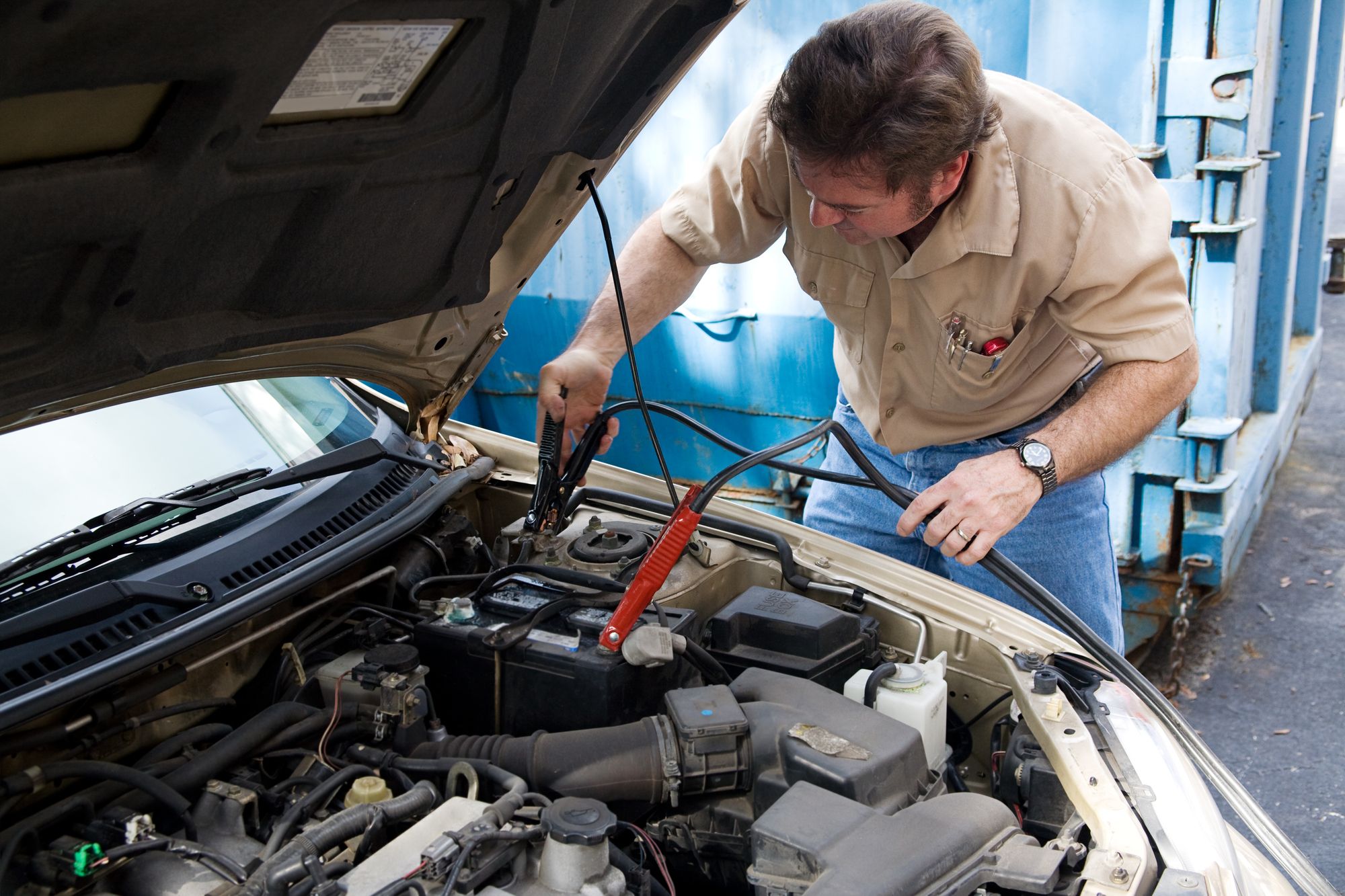
Jump-start the battery with jumper cables and another running vehicle, or use a portable jump starter. Then drive or idle the car for at least 20 minutes to recharge it.
A dead car battery is one of those small setbacks that always seems to happen at the worst possible time. You're rushing to work, heading out on a trip, or just trying to get home, and nothing happens when you turn the key. I've been there more times than I'd like to admit, and after years of driving and helping friends out of tight spots, I can tell you this: a dead battery is rarely the end of the road. With the right steps, a little patience, and some basic tools, you can get your car running again quickly and even prevent it from happening again. This guide walks you through exactly what to do if your car battery is dead, so you're never left stranded without a plan.
Signs Your Car Battery Is Dead
Before you assume the worst, it's worth confirming that the battery is actually the problem. Sometimes what looks like a dead battery is actually an issue with the starter, alternator, or even a bad ignition switch. Here are the most common signs that point to a dead or dying battery:
- The engine won't crank or turn over when you turn the key.
- You hear a clicking sound but the engine doesn't start.
- The dashboard lights are dim or don't come on at all.
- The radio, power windows, or interior lights don't work.
- The headlights are very dim, especially when you try to start the car.
- A sulfur or rotten egg smell is coming from under the hood.
- The battery itself looks swollen, cracked, or corroded.
If you notice any of these signs, there's a good chance your battery is dead or at least deeply discharged. But don't worry, this is a fixable problem in most cases.
What to Do Right Away When Your Battery Dies
When your battery dies, your first priority is getting your car running safely. Here's a step-by-step plan you can follow right at the roadside.
Step 1: Stay Safe and Find Help
Pull over to a safe spot if you're in traffic. Turn on your hazard lights, grab your reflective triangle if you have one, and stay aware of your surroundings. If you're in a dark or unsafe area, stay inside the car and call for roadside assistance. It's never worth risking your safety over a battery.
Step 2: Try a Jump Start
The most common fix for a dead battery is a jump start. You'll need a set of jumper cables and another running vehicle, or a portable jump starter pack. I've used both methods, and honestly, a portable jump starter is a lifesaver if you drive alone often.
Step 3: Let the Car Recharge
Once your car starts, don't shut it off right away. Drive around or let it idle for at least 20 to 30 minutes. This gives the alternator time to put some charge back into the battery. In my experience, a short 10-minute drive isn't enough, especially in cold weather.
Step 4: Get the Battery Tested
After you get home or to a shop, have the battery tested. Most auto parts stores do this for free. A battery that's already a few years old may need replacing, especially if it dies again soon after a jump.

How to Jump-Start a Dead Car Battery Safely
Jump-starting is simple once you've done it a few times, but doing it wrong can damage your electronics or even cause a fire. Let me walk you through it the way I wish someone had walked me through it the first time.
What You'll Need
- A set of jumper cables in good condition
- A second vehicle with a working battery, or a portable jump starter
- Safety glasses and gloves if you have them
Step-by-Step Jump Start Guide
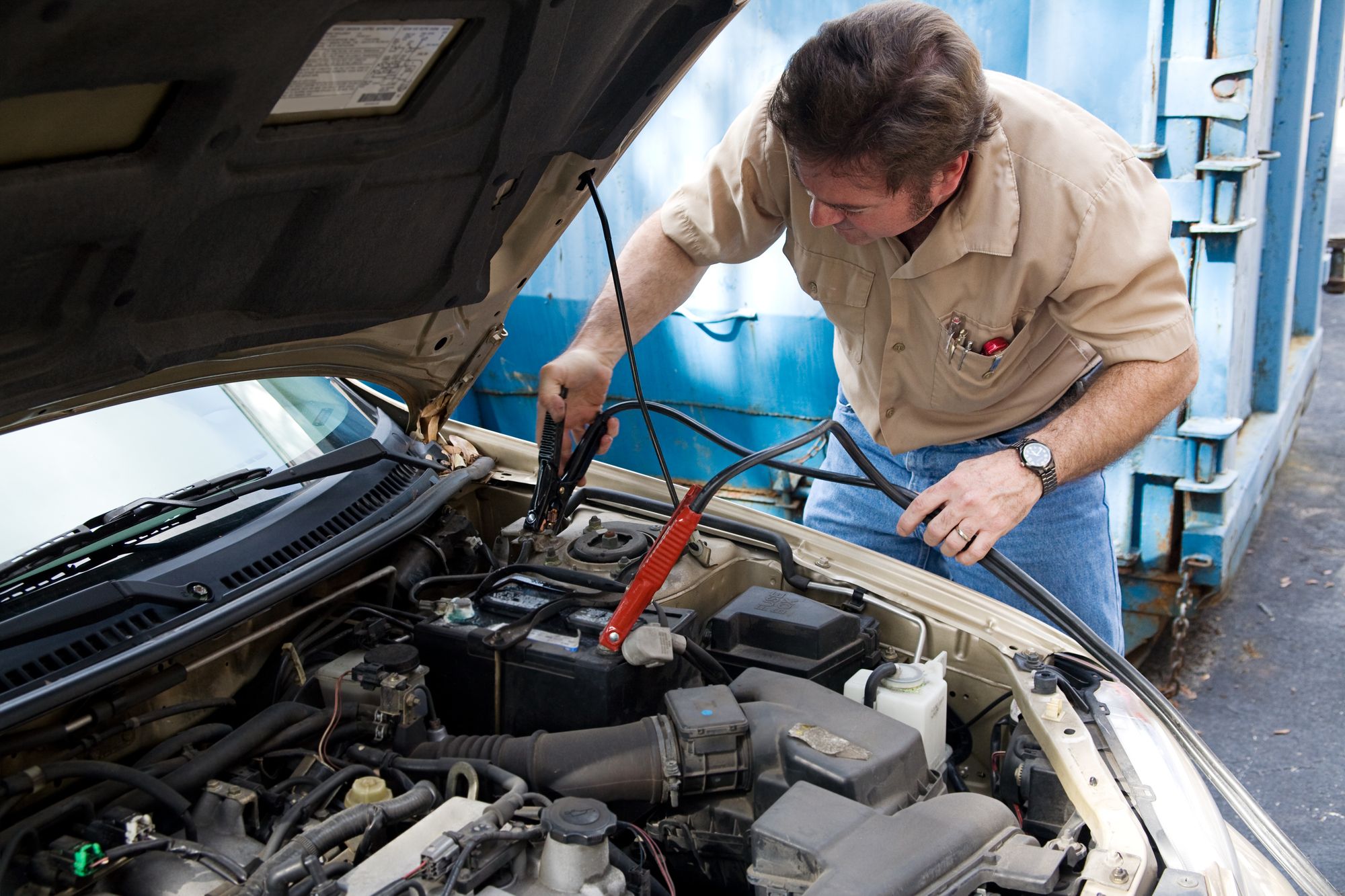
- Park the working car close to yours so the batteries are within cable reach, but don't let the cars touch.
- Turn off both vehicles, remove the keys, and open both hoods.
- Identify the positive (+) and negative (-) terminals on both batteries.
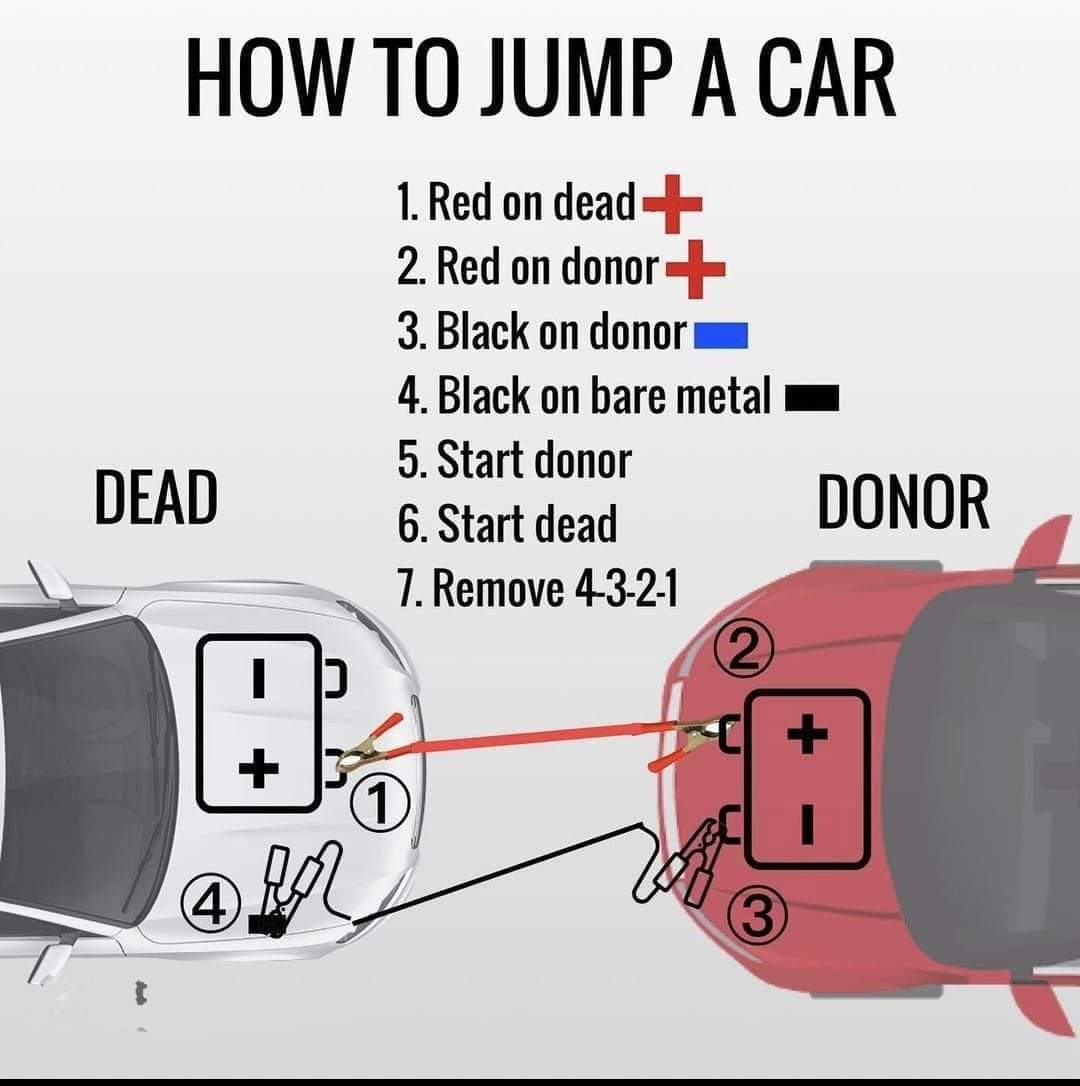
- Connect the red clamp to the dead battery's positive terminal.
- Connect the other red clamp to the working battery's positive terminal.
- Connect the black clamp to the working battery's negative terminal.
- Connect the last black clamp to an unpainted metal surface on the dead car, like a bolt or bracket, away from the battery.
- Start the working car and let it run for a few minutes.
- Try to start the dead car. If it doesn't start, wait a few more minutes and try again.
- Once the dead car starts, carefully remove the cables in reverse order.
- Drive the car for at least 20 minutes before shutting it off.
A personal tip from experience: never connect the last black clamp directly to the dead battery's negative terminal. It can spark and in rare cases cause the battery to explode. The unpainted metal surface trick is safer and works just as well.
Using a Portable Jump Starter
If you don't have another car around, a portable jump starter is the easiest option. I keep one in my trunk at all times. Just connect the clamps to the right terminals, turn on the jump starter, and start your car. No second vehicle needed.
What to Do If You Don't Have Jumper Cables
Sometimes you're stuck without cables. In that case, you still have options:
- Ask a nearby driver for help. Most people carry cables and are willing to assist.
- Call roadside assistance through your insurance, AAA, or a service like AAA or your car's manufacturer.
- Use a portable jump starter if you have one in your trunk.
- Ask a nearby auto shop if they can send someone for a quick boost.
- Push-start the car if it's a manual transmission. This won't work with automatics.
I once had to push-start my old Civic in a Walmart parking lot because I left my lights on. It was embarrassing, but it worked. That was the day I bought a portable jump starter, and I haven't been caught without one since.

Common Causes of a Dead Car Battery
Understanding why your battery died in the first place helps you avoid it next time. Here are the most common reasons I see in my own experience and from helping others:
- Leaving headlights or interior lights on overnight.
- A parasitic drain from a phone charger, dash cam, or accessory plugged in.
- Extreme cold or hot weather weakening the battery.
- An old battery that has reached the end of its life.
- A failing alternator that isn't charging the battery properly.
- Loose or corroded battery terminals.
- Short drives that don't give the battery enough time to recharge.
If your battery is more than three to five years old, it's living on borrowed time. Most batteries will give you a warning before they fail, but sometimes they just quit without notice.

How to Prevent Your Battery from Dying Again
Once you've handled the immediate problem, it's smart to take steps to prevent it from happening again. These habits have saved me from more than a few headaches:
- Drive your car regularly, especially if you don't use it every day.
- Unplug accessories when the car is off.
- Keep the battery terminals clean and tight.
- Have the battery tested once a year after it hits the three-year mark.
- Park in a garage during extreme weather when possible.
- Turn off headlights, interior lights, and the radio before shutting off the engine.
I've made it a habit to do a quick check every time I pop the hood. It takes 30 seconds and has saved me from being stranded more than once.

When to Call a Professional Instead
Sometimes a dead battery is a symptom of a bigger problem. If your battery keeps dying even after a jump, or if the car dies while you're driving, the issue might be the alternator or another part of the charging system. Other signs you need a mechanic include:
- The battery warning light stays on after starting.
- The car stalls shortly after a jump start.
- You hear grinding or whining noises from under the hood.
- The battery is visibly damaged, swollen, or leaking.
In these cases, a simple jump won't solve the problem. Have your car towed or driven to a trusted mechanic for a full diagnostic. Trying to drive with a failing alternator can leave you stranded again, and it can damage other electrical components too.
Tools and Items to Keep in Your Car for Battery Emergencies
After a few roadside surprises, I started keeping a small emergency kit in my trunk. Here's what I recommend every driver keep on hand:
- A portable jump starter with a built-in flashlight.
- A quality set of jumper cables.
- A basic socket wrench set for tightening battery terminals.
- A pair of work gloves and safety glasses.
- A battery terminal brush for cleaning corrosion.
- A small flashlight or headlamp.
- Reflective triangles or flares.
These items don't take up much space, and they can turn a frustrating situation into a quick fix.
Frequently Asked Questions
Can a dead car battery recharge itself?
No, a dead car battery cannot recharge itself. It needs an external source of power, like another running vehicle or a battery charger, to get a charge. Once you jump-start the car, the alternator will slowly recharge it as you drive.
How long does it take to recharge a dead battery?
If you jump-start the car and drive for at least 20 to 30 minutes, the alternator will put enough charge back in to start the car again later. For a full charge, you'd need a battery charger, which can take several hours depending on the size of the battery.
Is it bad to keep jump-starting a dead battery?
Jump-starting once in a while won't hurt anything, but if you find yourself doing it often, your battery is likely worn out or there's a deeper electrical issue. Repeated jump-starts can also strain the alternator over time.
Can cold weather kill a car battery?
Yes, extreme cold can reduce a battery's capacity and make it harder for the engine to turn over. If your battery is already weak, a cold snap can be enough to kill it completely. Parking in a garage or using a battery warmer can help in very cold climates.
How do I know if it's the battery or the alternator?
If the car starts after a jump but dies shortly after, the alternator is likely the problem. If the car starts and stays running, the battery was probably the issue. A simple voltage test at an auto parts store can confirm which one is failing.
Wrapping It Up
A dead car battery is annoying, but it's not the end of the world. With a set of jumper cables, a portable jump starter, or a quick call for roadside help, you can get back on the road in no time. The real win comes from understanding why your battery died in the first place and taking small steps to prevent it from happening again. Keep your terminals clean, drive your car regularly, and don't ignore the warning signs. A little preparation today can save you a lot of frustration tomorrow. If you found this guide helpful, share it with a friend, drop a comment with your own battery tips, or check out my other car maintenance guides for more ways to keep your vehicle running smoothly.