Electric cars run on lithium-ion batteries, with NMC and LFP chemistries powering most modern EVs. These rechargeable battery packs store and deliver energy to the electric motor.
If you're thinking about buying an EV or just curious about how they work, knowing what kind of batteries are in electric cars can help you make a smart choice. I've spent years researching and writing about clean energy and EVs, and I can tell you, the battery is the heart of every electric car. In this guide, I'll walk you through the main types, how they work, what makes them different, and what to expect in real life.
How Electric Car Batteries Work
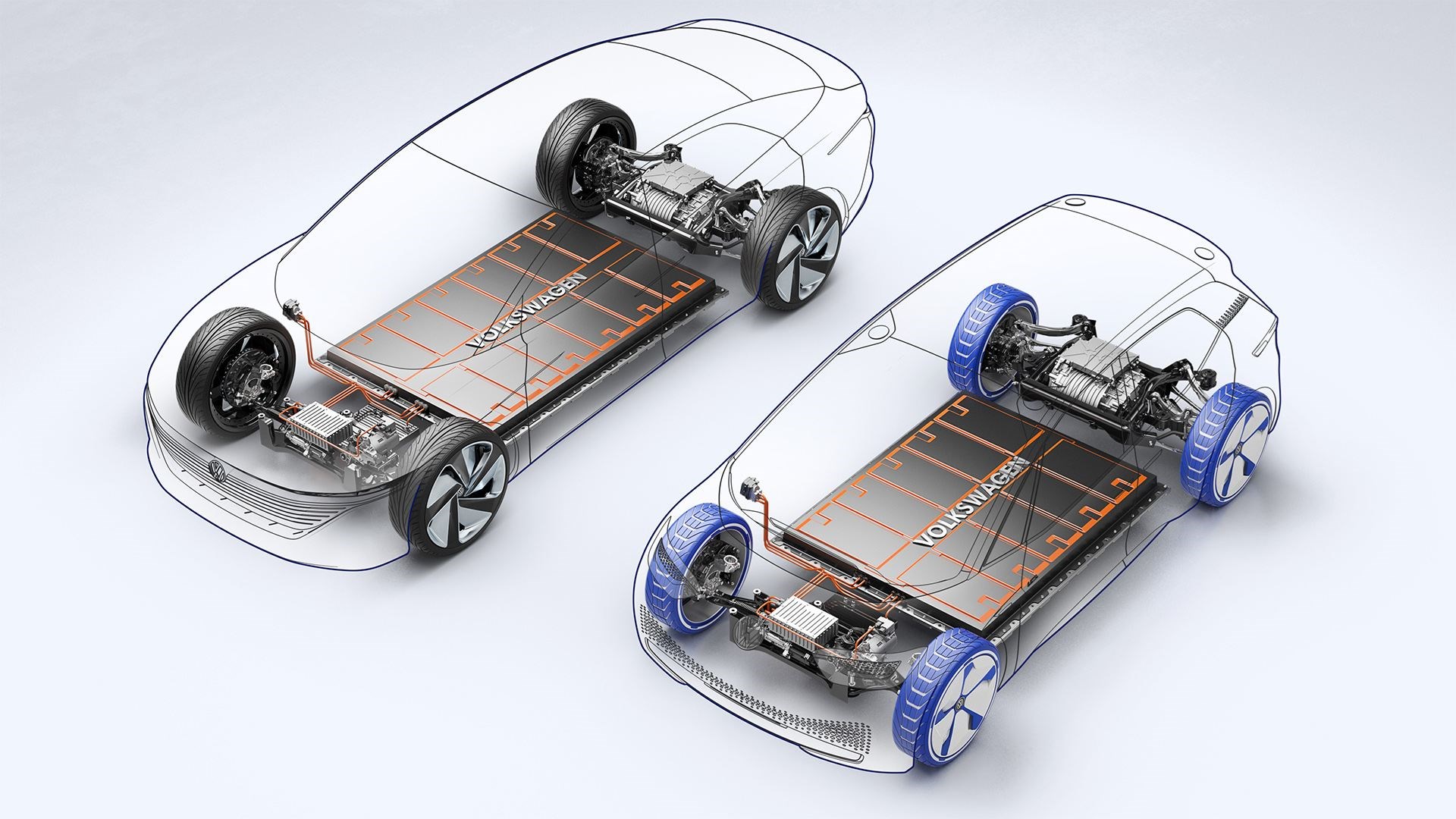
Electric car batteries store electricity as chemical energy and turn it into electrical power to drive the motor. When you press the pedal, the battery sends power to the motor, and the car moves.
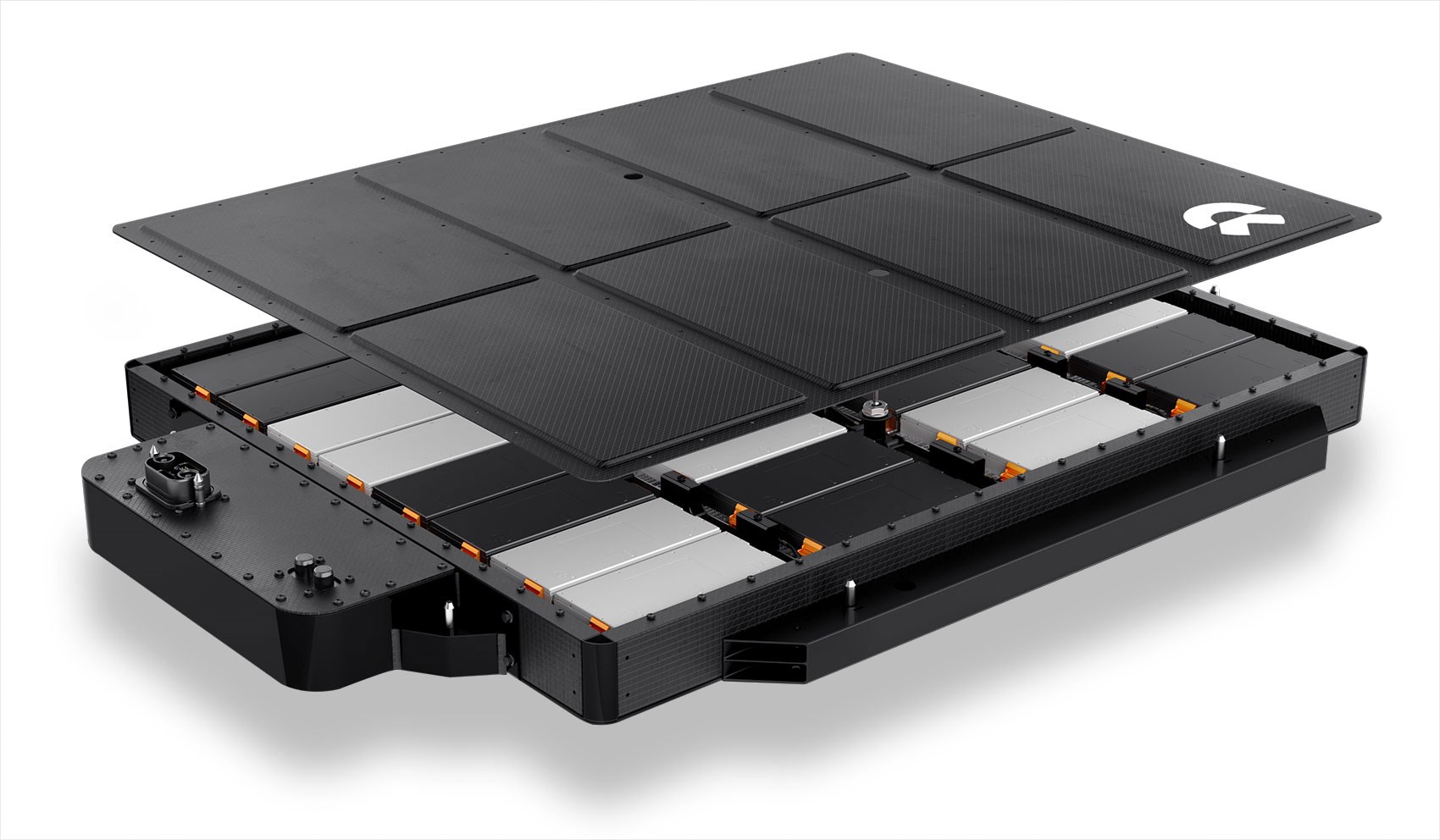
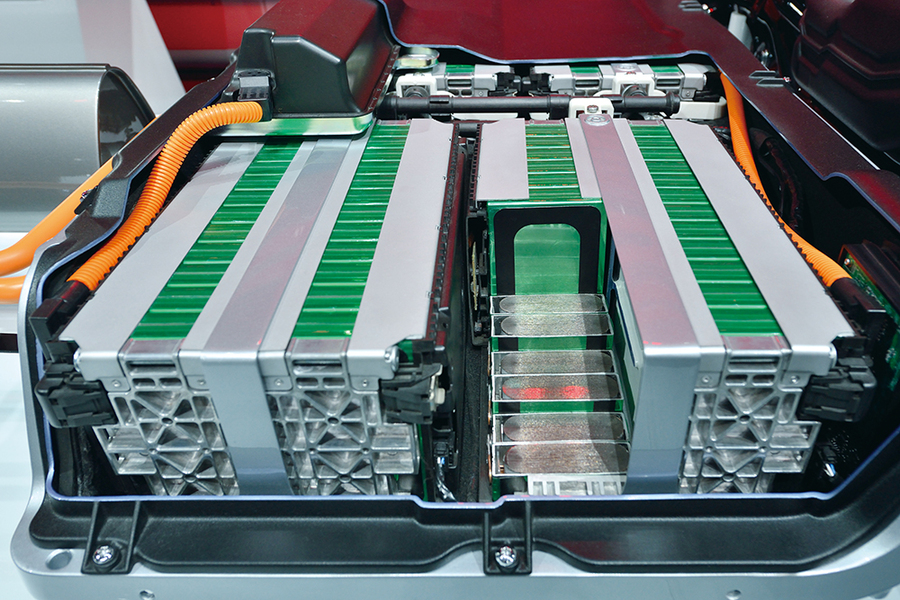
Most modern EVs use lithium-ion battery packs made up of hundreds or thousands of small cells grouped into modules. These cells use materials like lithium, nickel, cobalt, and manganese to hold and release energy. A battery management system (BMS) keeps everything safe, balanced, and running smoothly.
Think of it like a big rechargeable power bank, but way more powerful and smart.
The Main Types of Batteries in Electric Cars
Not all EV batteries are the same. Here are the most common types you'll find in today's electric cars.
Lithium-Ion Batteries (Li-ion)
Lithium-ion is the most popular battery type used in electric cars. It's lightweight, holds a lot of energy, and lasts a long time. Most major EV brands like Tesla, Ford, and Chevrolet use some form of lithium-ion chemistry.
There are a few subtypes of lithium-ion batteries, and they each have their own strengths.
Lithium Nickel Manganese Cobalt Oxide (NMC)
NMC batteries are known for their high energy density, which means they can store more power in a smaller space. This makes them great for long-range EVs. Many automakers use NMC because it offers a good balance of performance, range, and lifespan.
If you've driven a car like the Chevy Bolt or a Nissan Leaf, you've experienced NMC chemistry in action.
Lithium Iron Phosphate (LFP)
LFP batteries are safer and last longer than other lithium-ion types, but they don't store as much energy per pound. This means they offer less driving range, but they cost less and are more stable in extreme temperatures.
Tesla and BYD use LFP batteries in their standard-range models because they're affordable and very durable.
Lithium Nickel Cobalt Aluminum Oxide (NCA)
NCA batteries are similar to NMC but use aluminum instead of manganese. They offer high energy density and long life, which is why Tesla uses them in their long-range vehicles. They perform well but can be a bit more sensitive to heat.
Solid-State Batteries (Coming Soon)
Solid-state batteries are the next big thing in EV technology. Instead of using liquid electrolyte like traditional lithium-ion batteries, they use a solid material. This makes them lighter, faster to charge, and less likely to catch fire.
Companies like Toyota, Samsung, and QuantumScape are working hard to bring solid-state batteries to market. They could offer up to 50% more range and charge in just 10 minutes once they hit the road.

Other Battery Types You Might Hear About
While lithium-ion dominates the EV market, there are other types worth knowing about.
Nickel-Metal Hydride (NiMH)
Older hybrids like the Toyota Prius used NiMH batteries. They're reliable and affordable but don't hold as much energy as lithium-ion. You'll mostly find them in older or budget-friendly hybrid models.
Lead-Acid Batteries
These are the same batteries used in gas-powered cars for starting the engine. Some EVs still use small lead-acid batteries for accessories, but they're too heavy and weak to power the whole car.
Sodium-Ion Batteries
A newer option, sodium-ion batteries are cheaper and use more abundant materials. They're still in the early stages but could become a low-cost alternative for budget EVs in the future.

What Affects EV Battery Performance?
Several things impact how well an electric car battery performs over time.
Temperature
Extreme heat or cold can affect battery life and range. Cold weather can temporarily reduce range, while hot climates can speed up battery wear. Many EVs come with thermal management systems to keep the battery at the right temperature.
Charging Habits
Frequent fast charging can wear out a battery faster than slow charging. It's best to keep your battery between 20% and 80% for daily driving and only charge to 100% for long trips.
Driving Style
Hard acceleration and high speeds use more energy and can stress the battery. Smooth, steady driving helps extend range and battery life.
Battery Age
Like all batteries, EV batteries degrade over time. Most modern batteries last 8 to 15 years or 100,000 to 200,000 miles before losing significant capacity.
How Long Do EV Batteries Last?
Most electric car batteries are designed to last the life of the car. On average, they hold 70% to 80% of their capacity after 8 years or 100,000 miles. Many automakers offer battery warranties of 8 years or 100,000 miles, whichever comes first.
I remember test-driving a 2015 Tesla Model S with over 150,000 miles on it. The owner told me the battery still had about 88% of its original capacity. That kind of durability is becoming more common as battery tech improves.
How Much Do EV Batteries Cost to Replace?
Battery replacement costs have dropped a lot over the years. In 2010, a replacement battery could cost $30,000 or more. Today, prices range from $5,000 to $15,000 depending on the model and battery type.
Labor and installation can add to the cost, but many shops now specialize in EV battery repair and replacement. Some batteries can even be refurbished or individual modules replaced, which cuts costs significantly.
Which EV Battery Type Is the Best?
There's no one-size-fits-all answer. Here's a quick breakdown to help you decide.
- NMC: Best for long range and high performance
- LFP: Best for affordability, safety, and long life
- NCA: Best for high energy density and premium EVs
- Solid-State: Future tech with promise for faster charging and longer range
If you want a budget-friendly commuter car, LFP might be your best bet. If you need long range for road trips, NMC or NCA is the way to go.
Are EV Batteries Recyclable?
Yes, EV batteries are highly recyclable. Up to 95% of the materials in a lithium-ion battery can be recovered and reused. Companies like Redwood Materials and Li-Cycle are leading the charge in battery recycling.
Recycling helps reduce the need for mining raw materials like lithium and cobalt, making EVs more sustainable in the long run.

Frequently Asked Questions About Electric Car Batteries
What is the most common battery in electric cars?
The most common battery type in electric cars is lithium-ion, with NMC and LFP being the most widely used chemistries.
Do all electric cars use the same battery?
No, different manufacturers use different battery chemistries. Tesla, for example, uses NCA, NMC, and LFP depending on the model.
How long does it take to charge an EV battery?
Charging time depends on the charger and battery size. Level 1 takes overnight, Level 2 takes 4-8 hours, and DC fast charging can take 20-45 minutes for an 80% charge.
Can EV batteries be repaired?
Yes, in many cases individual battery modules can be replaced or repaired, which is much cheaper than replacing the whole pack.
Are solid-state batteries available in EVs?
Not yet, but several automakers plan to launch EVs with solid-state batteries by 2027 or 2028.
Conclusion
Electric cars rely on advanced battery technology to deliver clean, efficient power. Most use lithium-ion batteries, with NMC and LFP being the most common types. Each chemistry has its own pros and cons, and the right choice depends on your driving needs and budget.
As battery tech continues to improve, we can expect longer ranges, faster charging, and lower costs. Whether you're shopping for your first EV or just curious about how they work, understanding the battery is a great place to start.
Want to learn more about EV tech, charging tips, or the best electric cars of 2025? Drop a comment below or subscribe for more updates. Let's drive into the future together.