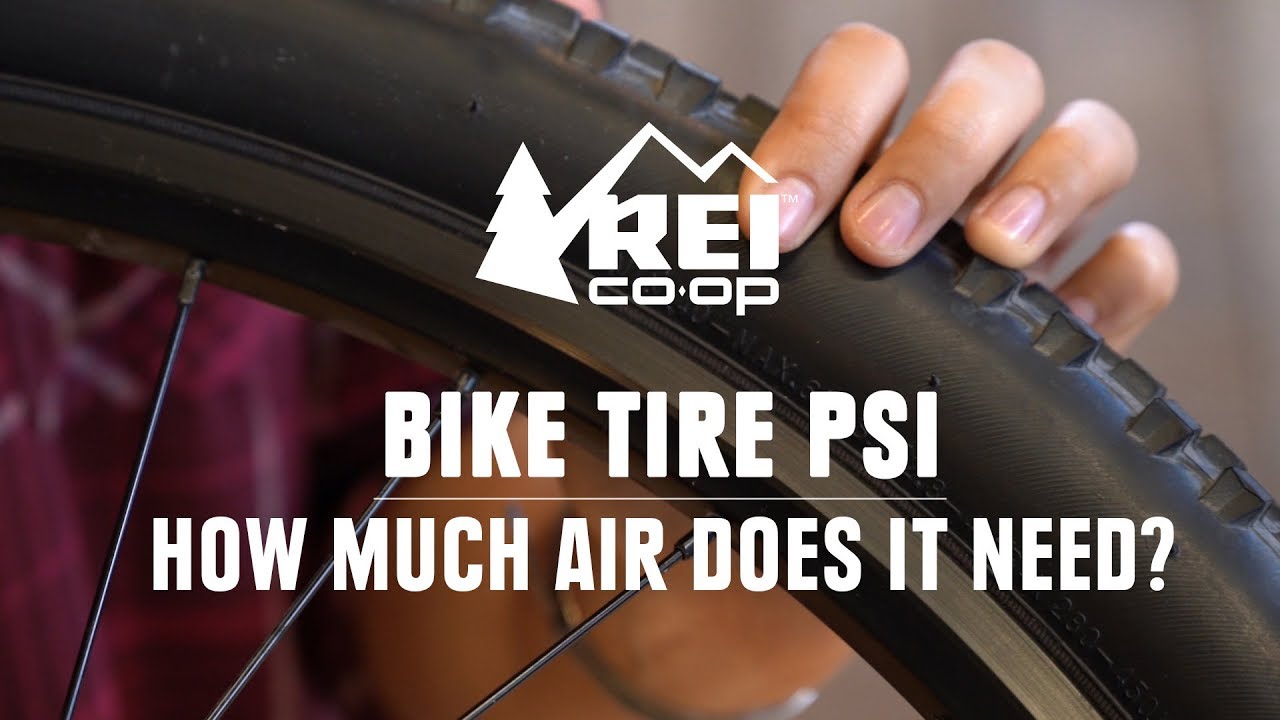
Riding a bike should feel smooth, safe, and fun, but the wrong tire pressure can quickly turn a great ride into a wobbly, uncomfortable, or even dangerous one. Bike tires should generally be inflated between 80 and 130 PSI for road bikes, 40 to 70 PSI for mountain bikes, and 50 to 80 PSI for hybrid bikes, depending on rider weight, tire width, and terrain. Getting this number right makes every pedal stroke feel easier, every turn feel sharper, and every stop feel safer.
If you have ever wondered why your tires feel too squishy on a rough trail or too harsh on a smooth road, the answer almost always comes down to PSI. Over the years, I have tested everything from skinny road tires to fat mountain treads, and I have learned that tire pressure is one of the simplest yet most powerful ways to transform how a bike feels. In this guide, I will walk you through everything you need to know to find the perfect pressure for your ride, so you can stop guessing and start rolling with confidence.
Why Bike Tire Pressure Matters More Than You Think
Tire pressure is not just a number printed on the side of your tire. It is the foundation of how your bike performs, how comfortable you feel, and even how long your tires last. When your tires are inflated correctly, you get better grip, smoother handling, and fewer flats.
Think of your tire as a cushion between you and the road. Too much air makes that cushion hard and bouncy, which means every crack and pebble gets transferred straight to your wrists and saddle. Too little air makes the cushion soft and sluggish, which causes the tire to flex too much and increases the risk of pinch flats or rim damage.
In my early years of cycling, I used to just squeeze my tires with my thumb and call it good. That changed the day I flatted twice on a single ride because my tires were way underinflated. After that, I started paying attention to the numbers, and the difference was night and day.
How to Find the Right PSI for Your Bike
Every bike tire has a recommended pressure range molded right into the sidewall. You will see something like "60–80 PSI" or "Inflate to 50 PSI max." That range is your starting point, but it is not the final answer. Your ideal pressure depends on a mix of factors that work together.
Check the Sidewall First
Before you do anything else, look at the side of your tire. Bike manufacturers print a minimum and maximum pressure range based on the tire's construction and size. Staying within this range keeps you safe and protects the tire from damage. If your tire says 50–70 PSI, going below 50 or above 70 is asking for trouble.
Consider Your Body Weight
Heavier riders need higher pressure to support their weight without bottoming out the tire, while lighter riders can run lower pressure for a more comfortable ride. As a general rule, add or subtract about 2 PSI for every 10 pounds of body weight above or below 150 pounds.
Match Pressure to Terrain
The surface you ride on plays a huge role in what pressure works best. Smooth asphalt rewards higher pressure because it reduces rolling resistance and keeps you fast. Rough trails, gravel paths, and roots call for lower pressure because it lets the tire conform to the ground and grip better.
Factor in Tire Width
Wider tires hold more air volume, so they can run lower pressure and still feel firm. Narrower tires have less air volume, so they need higher pressure to prevent pinch flats. A 23mm road tire at 100 PSI feels very different from a 38mm gravel tire at 50 PSI, even though both are technically "fully inflated."
Recommended Tire Pressure by Bike Type
Different bikes are built for different purposes, and their tires reflect that. Here is a general guide to help you dial in the right pressure for your style of riding.
Road Bikes
Road bikes use skinny, high-pressure tires designed for speed on smooth pavement. Most road tires call for 80 to 130 PSI. If you are riding a modern road bike with wider 28mm or 32mm tires, you can comfortably drop into the 70 to 90 PSI range and still roll fast while gaining comfort and grip.
Mountain Bikes
Mountain bikes thrive on lower pressure because the tires need to deform over rocks, roots, and loose dirt. Most mountain bike tires run between 25 and 40 PSI, with some riders going as low as 18 PSI for technical descents. Tubeless setups allow even lower pressure without the risk of pinch flats.
Hybrid and Commuter Bikes
Hybrids sit between road and mountain bikes, so their pressure range is also in the middle. Most hybrid tires work best between 50 and 70 PSI. This gives you enough speed for paved paths but enough cushion for potholes, curbs, and light trails.
Gravel and Adventure Bikes
Gravel riding has exploded in popularity, and tire pressure is a big part of why. Most gravel riders run 35 to 50 PSI, depending on tire width and terrain. Lower pressure helps the tire "float" over loose gravel instead of bouncing around on top of it.
Fat Bikes
Fat bikes have massive tires that run at shockingly low pressure. Most fat bike tires are inflated to between 5 and 20 PSI. That low pressure is what gives them their signature ability to roll over sand, snow, and mud without sinking in.
How to Measure Tire Pressure Accurately
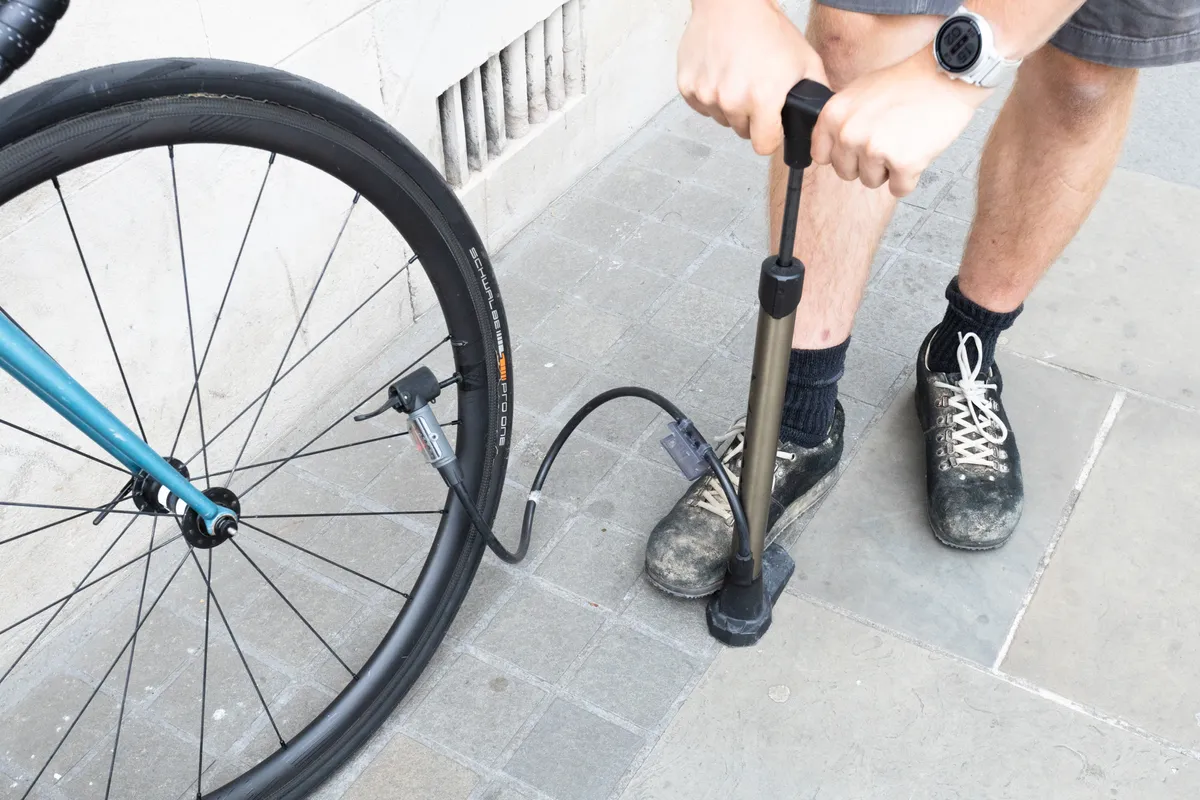
Guessing is not good enough when it comes to tire pressure. A quality floor pump with a built-in gauge is the minimum tool you need, and a digital pressure gauge takes things to the next level.
Use a Floor Pump with a Gauge
A good floor pump lets you inflate your tires quickly and accurately. Make sure the gauge is calibrated and easy to read. Squeeze the tire with your hand to check pressure, but trust the gauge for the real number.
Check Pressure Before Every Ride
Tires lose air naturally over time, even if you are not riding. A typical bike tire loses about 1 to 3 PSI per week. Checking before every ride takes 30 seconds and saves you from flats, poor handling, and wasted energy.
Temperature Changes Matter
Air expands when it is warm and contracts when it is cold. If you inflate your tires in a warm garage and then ride into cold weather, your pressure will drop. Keep this in mind during seasonal changes, especially in winter.

Common Mistakes to Avoid with Bike Tire Pressure
Even experienced riders make pressure mistakes. Here are the most common ones I have seen and learned from over the years.
Overinflating for Performance
Pumping your tires to the maximum PSI does not make you faster. In fact, it often makes the ride harsher, reduces grip, and increases the risk of blowouts. Stick to the recommended range and adjust based on your weight and terrain.
Ignoring Tire Width
A common mistake is treating all tires the same. A 25mm road tire and a 50mm gravel tire are built for completely different pressure ranges. Always match your pressure to the tire you actually have on your bike.
Skipping Pressure Checks
Many riders inflate their tires once a month and forget about them. By the time they check again, the pressure has dropped well below the safe range. A quick check before every ride keeps you ahead of the problem.
Using the Wrong Pump Head
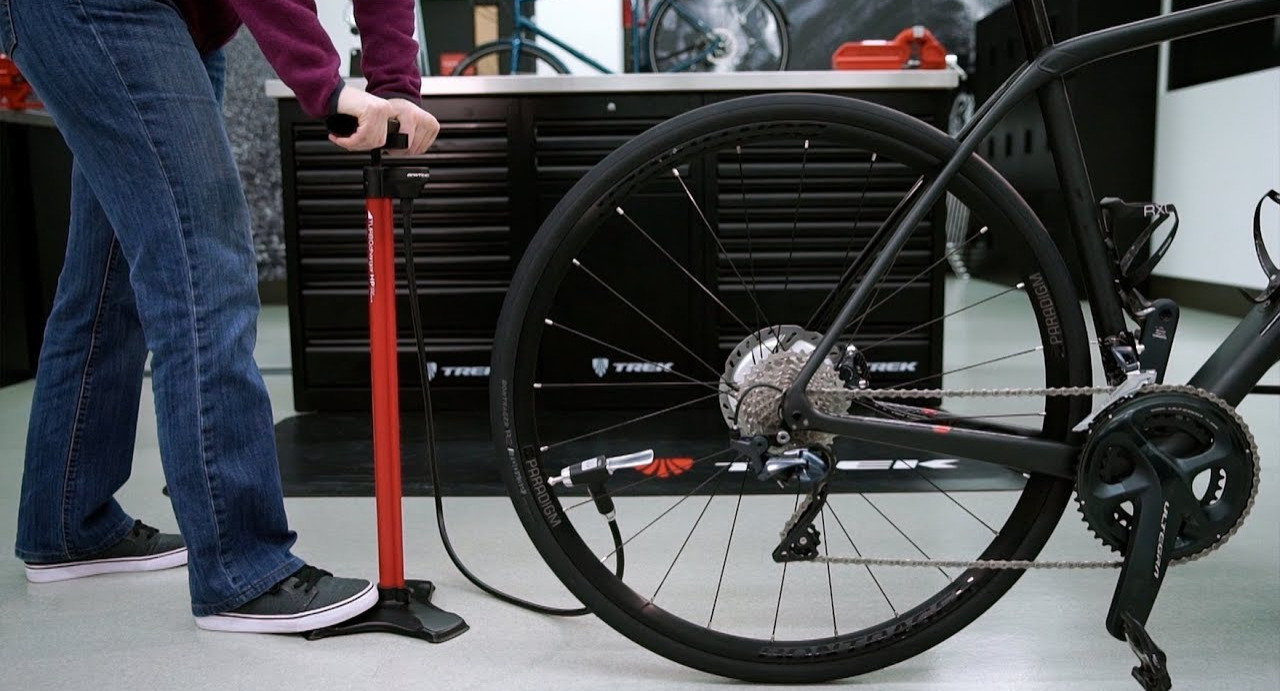
There are three main valve types: Presta, Schrader, and Dunlop. Make sure your pump matches your valve, or get an adapter. Forcing the wrong head can damage the valve and cause slow leaks.
Tips for Getting the Most Out of Your Tire Pressure
Once you understand the basics, a few small adjustments can make a big difference in how your bike feels and performs.
Adjust for Riding Style
If you race or ride fast on smooth roads, lean toward the higher end of your tire's pressure range. If you commute, tour, or ride on mixed surfaces, lean toward the lower end for more comfort and grip.
Experiment with Small Changes
Drop your pressure by 5 PSI and see how the bike feels. Pump it up by 5 PSI and compare. Small adjustments let you dial in the perfect feel without making drastic changes.
Use a Pressure Calculator
Online tire pressure calculators take your weight, tire width, and riding style into account and give you a precise starting point. They are especially helpful for gravel and mountain bike riders who want to fine-tune their setup.
Keep a Mini Pump or CO2 Inflator on Rides
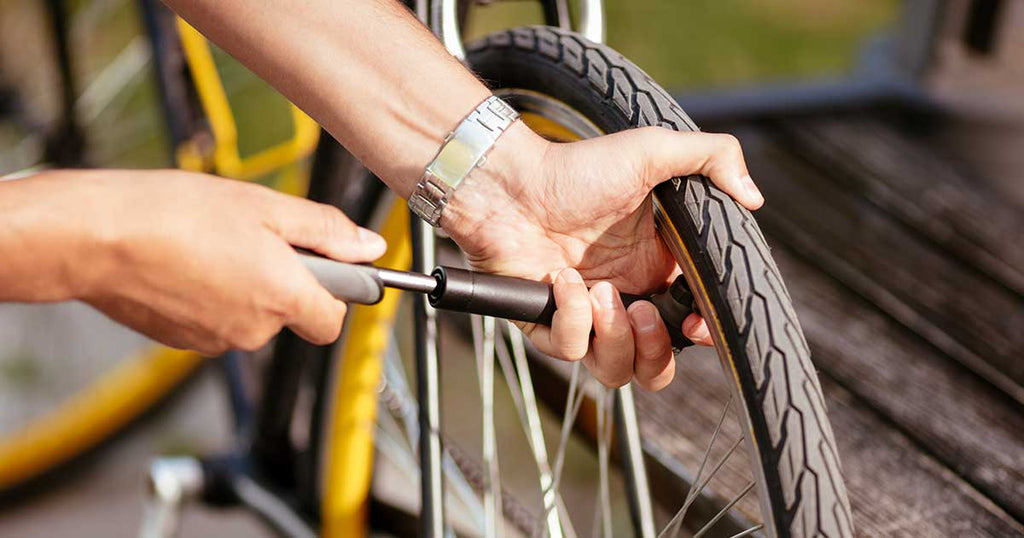
Flat tires happen, and being stuck without a way to inflate is no fun. A small mini pump or CO2 cartridge system fits in a saddle bag and can save your ride.
Frequently Asked Questions
How often should I check my bike tire pressure?
You should check your tire pressure before every ride, or at least every few days if you ride daily. Tires lose air naturally, and small leaks from the valve or tube can drop pressure faster than you think.
Can I use the same PSI for front and rear tires?
Not always. The rear tire supports more of your weight, so it usually benefits from slightly higher pressure than the front. A difference of 2 to 5 PSI is common among experienced riders.
What happens if I overinflate my bike tires?
Overinflating makes the ride harsh, reduces traction, and increases the risk of blowouts, especially on hot days or rough roads. It can also cause uneven tire wear in the center of the tread.
Is it okay to ride with slightly low tire pressure?
Riding a few PSI below the recommended range is usually fine and can even improve comfort and grip. Riding significantly underinflated, however, increases the risk of pinch flats, rim damage, and poor handling.
Do tubeless tires need different pressure than tubed tires?
Yes. Tubeless tires can safely run lower pressure because there is no inner tube to pinch between the rim and tire. This lets you enjoy more grip and comfort without the risk of flats.
Conclusion
Finding the right tire pressure is one of the easiest and most effective ways to improve your cycling experience. Start with the range printed on your tire, adjust based on your body weight, tire width, and terrain, and then fine-tune from there. A few minutes of attention to your PSI can transform how your bike feels, how long your tires last, and how confident you feel on every ride.
Do not be afraid to experiment, trust your gauge, and make pressure checks a regular habit. Your bike, your body, and your tires will all thank you. Now grab your pump, head out to the garage, and give those tires the attention they deserve. If you found this guide helpful, feel free to share it with a fellow rider or drop a comment with your favorite tire pressure setup.