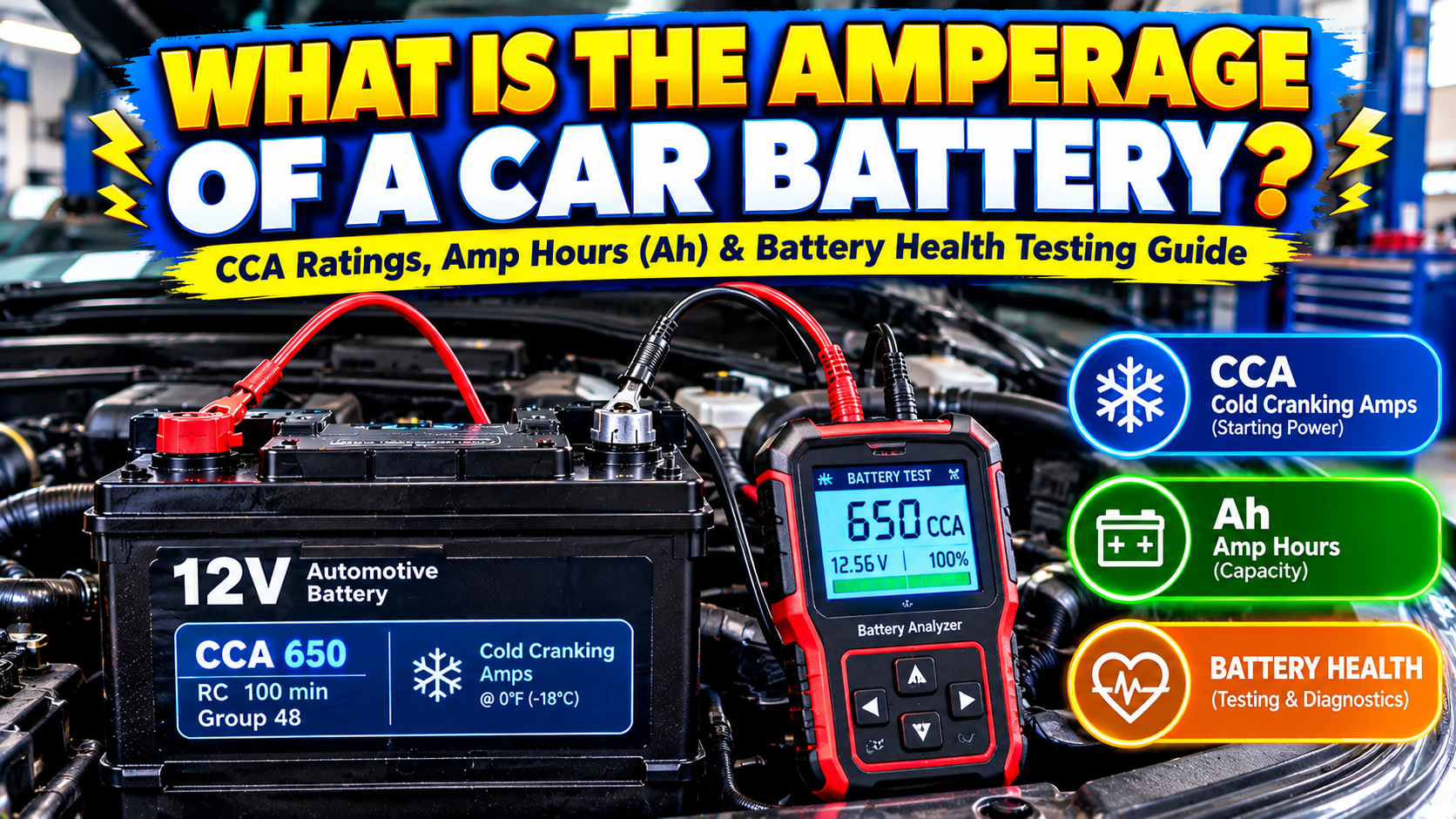
Most car batteries have an amperage rating between 550 and 1000 amps, with most standard 12-volt batteries delivering around 600 to 800 cold cranking amps (CCA).
If you've ever popped the hood of your car and stared at the battery, you might have noticed those big numbers printed right on the label. That number, often in the hundreds, isn't just there for decoration. It tells you how much electrical current your battery can deliver when your engine needs to fire up on a cold morning. Knowing what the amperage of a car battery really means can save you from getting stranded, help you pick the right replacement, and even make you a smarter shopper next time you're at the auto parts store. In this guide, I'll walk you through everything I've learned over years of dealing with car batteries, from what those numbers actually mean to how to choose the right one for your ride.
Understanding Car Battery Amperage Basics
Think of amperage like water flowing through a pipe. Amps measure the volume of electrical current your battery can push out at any given moment. When we talk about the amperage of a car battery, we're really talking about how much power it can deliver in a burst to get things moving.
The key term you'll see most often is Cold Cranking Amps (CCA). This rating tells you how many amps a battery can deliver for 30 seconds at 0°F while still maintaining at least 7.2 volts. It's the number that matters most when you're starting your engine in cold weather.
There's also Cranking Amps (CA), which is similar but measured at a more moderate 32°F. CA numbers are always higher than CCA for the same battery, so don't get confused if you see different figures on different labels.
Another term you might bump into is Marine Cranking Amps (MCA), which is essentially the same as CA but specifically for marine batteries. And then there's Reserve Capacity (RC), which tells you how long the battery can run essential accessories if your alternator fails.

Typical Amperage Ranges for Different Vehicles
Not all cars need the same amount of power to start. Here's a general breakdown of what you can expect:
| Vehicle Type | Typical CCA Range |
|---|---|
| Small 4-cylinder cars | 400-600 amps |
| Mid-size sedans | 500-700 amps |
| SUVs and trucks | 600-850 amps |
| Heavy-duty diesel trucks | 800-1000+ amps |
| Performance vehicles | 650-850 amps |
A typical compact car might run fine with a battery rated at 500 CCA, while a big V8 truck often needs something closer to 800 CCA or more. The rule of thumb is that bigger engines with more cylinders generally need higher amperage batteries to turn over.
Why Cold Cranking Amps Matter So Much
Have you ever noticed your car seems harder to start on a freezing morning? That's because cold temperatures slow down the chemical reactions inside your battery. Oil gets thicker, metal parts contract, and your battery simply doesn't perform as well.
This is exactly why CCA ratings exist. When it's cold outside, your engine needs more juice to get going, and your battery is at its weakest. A battery with a high CCA rating handles this situation much better.
I remember one January when I tried to start my old sedan with a weak battery. The engine cranked slowly, sounding like it was dragging itself out of bed. After swapping in a battery with a higher CCA rating, the same engine fired up instantly even on the coldest days.
If you live somewhere with harsh winters, paying attention to CCA isn't optional. It's essential.

How to Read Battery Labels and Specifications
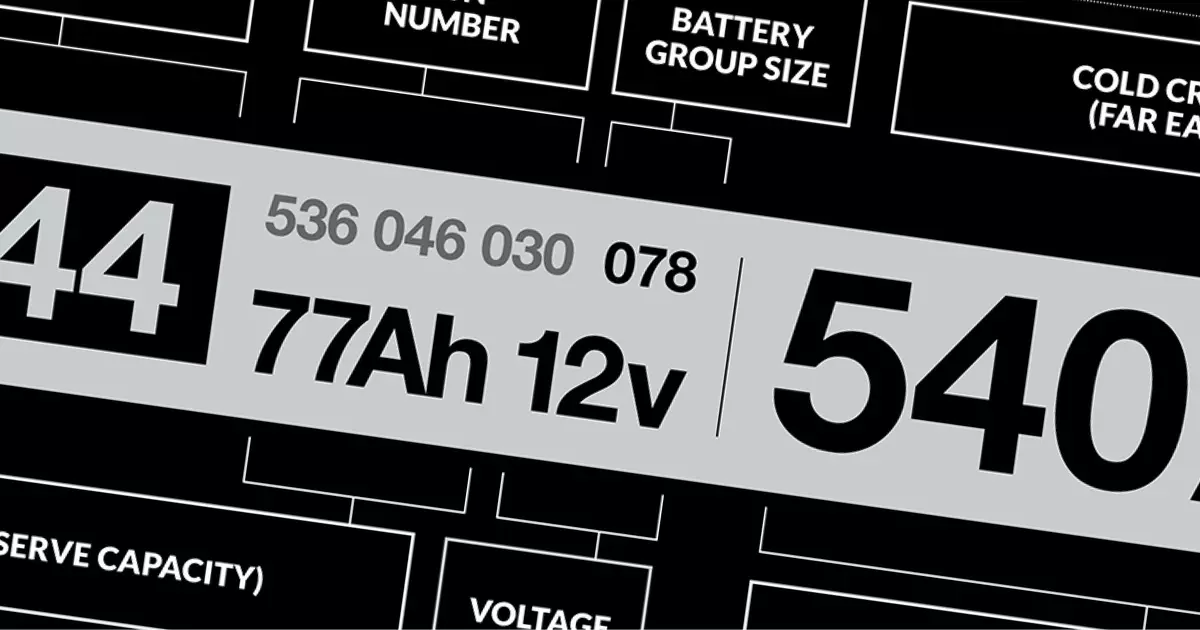
Battery labels can look like a code at first glance, but they're actually pretty straightforward once you know what to look for. Here's what you'll typically find:
- Group Size: The physical dimensions and terminal placement of the battery
- CCA Rating: The cold cranking amps number, usually the biggest number on the label
- Voltage: Almost always 12 volts for cars
- RC (Reserve Capacity): How long the battery can run accessories alone
- CA (Cranking Amps): Sometimes shown alongside CCA
The group size matters just as much as the amperage. A battery with perfect specs still won't work if it doesn't physically fit in your car's battery tray or if the terminals are on the wrong side.

Factors That Affect Battery Amperage Output
Several things can change how much amperage your battery actually delivers:
- Battery Age: As batteries get older, their ability to deliver full amperage drops
- Temperature: Cold weather reduces output, while heat can actually increase it temporarily
- Charge Level: A partially charged battery can't deliver its full rated amperage
- Internal Condition: Sulfation and corrosion inside the battery limit its performance
- Cable and Connection Quality: Bad cables restrict the flow of current
In my experience, the biggest culprit for weak cranking is usually a combination of age and cold weather. A battery that's been used for three or four years might still test okay in summer but completely fail when winter hits.
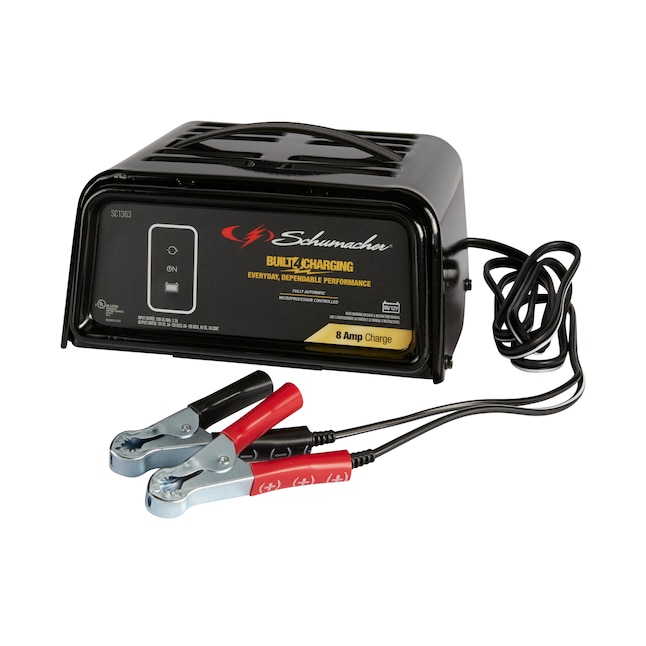
How to Test Your Car Battery's Amperage
Curious about what your battery can actually deliver? Here's a simple way to check:
- Get a digital multimeter or a dedicated battery load tester
- Make sure your car has been sitting for at least a few hours (or overnight)
- Set your meter to DC voltage
- Connect the red lead to the positive terminal and black to negative
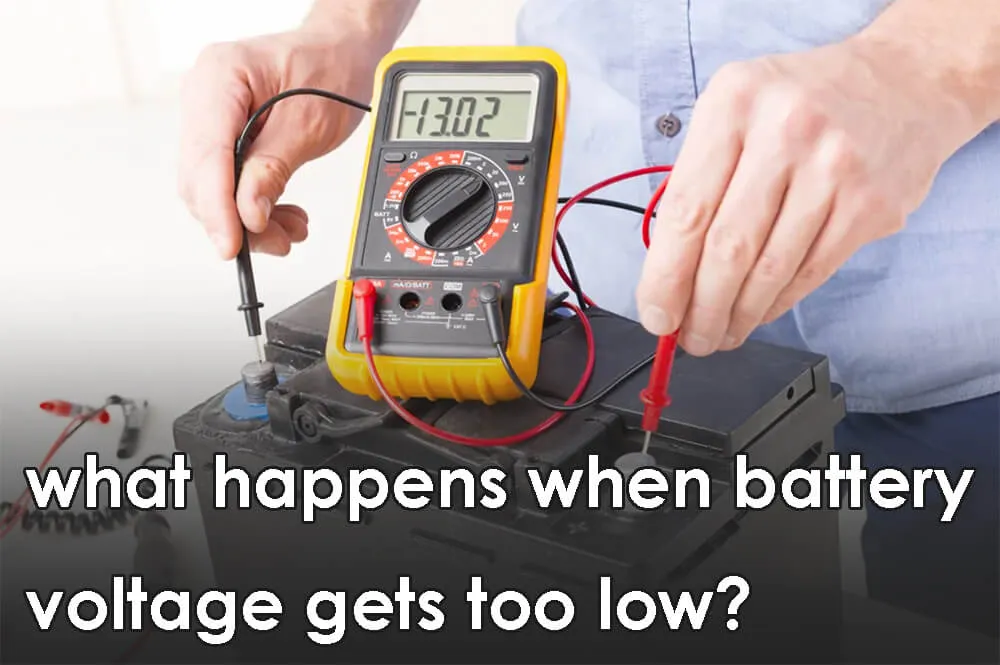
- A fully charged 12-volt battery should read between 12.4 and 12.7 volts
For a true load test, which simulates the strain of starting your engine, you'll need a load tester that applies a specific load equal to half the CCA rating for 15 seconds. The voltage shouldn't drop below 9.6 volts during this test.
Most auto parts stores will test your battery for free, which is honestly the easiest route. They'll tell you the actual CCA your battery is putting out compared to its rated capacity.

Choosing the Right Amperage for Your Vehicle
The best way to pick the right battery amperage is to check your owner's manual. It'll tell you the minimum CCA your vehicle needs. From there, going slightly higher is fine and often beneficial, especially in cold climates.
Going way over the recommended CCA won't hurt anything, but it does cost more. The important thing is meeting or exceeding the minimum requirement. Under-sizing your battery is what leads to those frustrating no-start mornings.
Think of it like buying shoes. You can go a size up for comfort, but going too small means painful problems. Battery amperage works the same way.

Common Mistakes to Avoid with Battery Amperage
Over the years, I've seen people make the same battery mistakes repeatedly:
- Buying the cheapest battery available regardless of specs
- Ignoring CCA in warm climates where it "doesn't seem to matter"
- Assuming bigger CCA numbers mean better quality (they don't always)
- Mixing up CCA and CA ratings
- Replacing a battery with lower specs than the original
- Not checking the manufacturing date (batteries lose charge sitting on shelves)
The cheapest battery often becomes the most expensive when you replace it again in two years. Quality matters, but so does matching the right specs to your vehicle.
Maintaining Your Battery to Preserve Amperage Output
A well-maintained battery will hold its amperage much longer than a neglected one. Here are some tips that have worked for me:
- Keep the terminals clean and free of corrosion
- Make sure the battery is securely mounted (vibration damages plates inside)
- Drive your car regularly to keep the battery charged
- Avoid letting the battery sit unused for long periods
- Check the charge level every few months
- Disconnect the battery if storing the car for more than a month
A simple terminal cleaning with baking soda and water, followed by a coat of petroleum jelly, can add years to your battery's life. It's one of those easy tasks most people overlook.
Frequently Asked Questions
What is a normal amp reading for a car battery?
A normal resting voltage for a fully charged car battery is between 12.4 and 12.7 volts. During cranking, the voltage should stay above 10 volts. Healthy batteries typically deliver between 500 and 1000 CCA depending on the vehicle type.
How many amps does it take to start a car?
Most cars need between 150 and 400 amps to start the engine, depending on engine size and conditions. However, batteries are rated for higher numbers because they need to deliver bursts of power in challenging conditions like cold weather.
Can you have too many amps in a car battery?
Having more amps than needed won't harm your vehicle. The electrical system only draws what it needs. However, oversized batteries may not charge fully if your alternator isn't designed for them, and they cost more money.
Does a higher CCA battery last longer?
Not necessarily. CCA rating measures starting power, not longevity. Battery life depends more on construction quality, maintenance, climate, and usage patterns. A high CCA battery with poor internal construction won't last longer than a well-made lower CCA battery.
How long does a car battery hold its amperage?
A car battery can hold its charge for about two months without use if it's healthy. However, parasitic drains from car electronics slowly deplete it. Cold temperatures accelerate this loss, which is why batteries often die during winter storage.
Wrapping Things Up
The amperage of a car battery, especially the CCA rating, is one of those specs that actually matters in real life. Whether you're driving a small commuter car or a heavy-duty truck, matching the right amperage to your vehicle keeps things running smoothly when you turn the key.
From understanding what those numbers on the label mean to testing your battery and maintaining it properly, you now have the knowledge to make smart decisions. Remember to check your owner's manual, invest in quality, and don't ignore the signs of a weakening battery.
Got questions about your specific vehicle or want to share your own battery experiences? Drop a comment below. I'd love to hear about your adventures under the hood!