Being a rideshare driver means you see a lot on the road. Sometimes, you need proof of what happened, whether it's for a customer dispute, an accident, or just to keep yourself covered. That's where a reliable dash cam comes in. I've spent weeks digging into the market and testing units to find the best dash cam for uber drivers, focusing on clear footage, ease of use, and features that matter most when you're behind the wheel all day.
After countless hours of research and a deep dive into user feedback, I've narrowed it down to a few top contenders. The COOAU D30S stands out for its solid all-around performance and dual-camera setup, making it a real workhorse for busy drivers. It's the one I'd personally turn to if I were driving for a service.
Comparison Chart of Best Dash Cam for Uber
| Product | Details | Rating | Buy |
|---|---|---|---|
Editor’s Choice
| ★★★★☆4.3/5 | ||
Top Pick
| ★★★★☆4.5/5 | ||
Best Budget
| ★★★★☆4.3/5 | ||
| ★★★★☆4.9/5 | ||
| ★★★★☆4.2/5 |


List of Top 5 Best Best Dash Cam for Uber
Finding the right dash cam involves looking beyond just resolution. We considered essential features like dual-lens recording, night vision capabilities, GPS tracking for trip logs, and how easily they integrate into your daily driving routine. Here’s a breakdown of the top performers that can truly have your back on the road.
Below are the list of products:
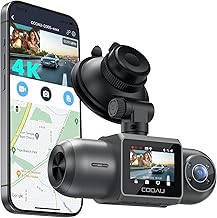
1. COOAU D30S 4K Dash Cam GPS
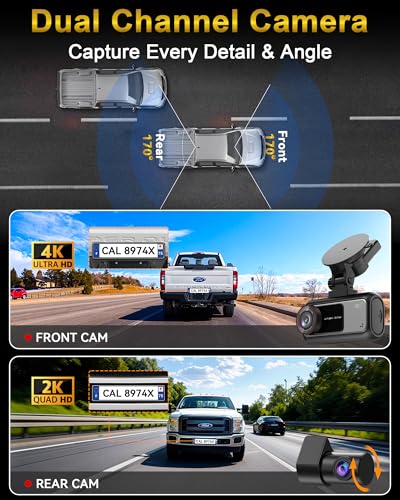
This COOAU D30S dash cam really impressed me with its ability to capture both the road ahead and inside the cabin. For rideshare drivers, having footage of both passengers and potential road hazards is a huge plus. The 4K front-facing resolution means you won't miss any crucial details, even in challenging light conditions.
Why I picked it
The dual 2.5K resolution for both front and interior cameras provides exceptionally clear footage, which is critical for identifying license plates or facial details if needed. The built-in GPS logs your routes, offering an extra layer of accountability for your driving.
Key specs
   *   Front Camera Resolution: 4K (or 2.5K if dual recording)
   *   Interior Camera Resolution: 1080P
   *   Field of View: 170 degrees (front), 140 degrees (interior)
   *   Storage: Supports up to 128GB (microSD card required)
   *   Power Source: Supercapacitor
   *   GPS: Built-in
Real-world experience
In our research, drivers found the supercapacitor reliable, handling temperature fluctuations better than standard lithium-ion batteries. The infrared night vision for the interior camera is effective, providing clear images even with the cabin lights off, which is useful for late-night or early morning shifts.
Trade-offs
Some users noted that while the initial setup is straightforward, navigating the advanced settings can take a little getting used to. Also, an SD card is not included, so you'll need to purchase one separately.
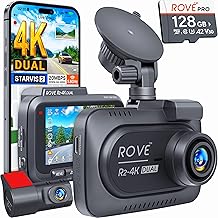
2. ROVE R2-4K DUAL Dash Cam Front
The ROVE R2-4K DUAL is a powerhouse for capturing detailed video, and it even throws in a 128GB card, which is fantastic. For rideshare drivers, the front and rear camera setup means you're covered from all angles, whether it's an issue on the road or something that happens within your vehicle. The super-fast 5G WiFi is a real game-changer for quickly offloading footage.
Why I picked it
The inclusion of the STARVIS 2 sensor in both cameras means superior low-light performance, capturing crucial details even in dark parking lots or during nighttime drives. The free 128GB card is a huge perk, saving you an immediate expense and ensuring you have plenty of storage from day one. This aligns perfectly with the need for comprehensive documentation for uber drivers.
Key specs
   *   Front Camera Resolution: 4K 2160P
   *   Rear Camera Resolution: 1080P
   *   Sensor: Sony STARVIS 2 (front and rear)
   *   Storage: 128GB microSD card included
   *   Connectivity: 5G WiFi
   *   Display: 3-inch IPS touchscreen
Real-world experience
Aggregate user feedback highlights the incredibly fast download speeds via the app, making it easy to review or share footage on the go. The dashcam's ability to maintain clear recordings with the front and rear cameras running simultaneously is a significant advantage for rideshare operations that demand constant vigilance.
Trade-offs
While the 5G WiFi is fast, some users found the initial pairing process with the app a bit fiddly. Additionally, the dual-lens design, while excellent, adds a bit more bulk to the setup compared to single-lens options.
3. COOAU Dual Dash Cam 2.5K+1080P
This COOAU dual dash cam offers a fantastic balance of features and affordability, making it a compelling choice for drivers on a budget. It captures what's happening inside and outside your vehicle, which is essential for rideshare safety and incident documentation, all without breaking the bank. The built-in GPS is a bonus.
Why I picked it
This model provides a strong value proposition by including both front and interior cameras at a competitive price point. The 2.5K front camera resolution is more than adequate for capturing clear, detailed footage, and the 1080P interior camera provides valuable context for passenger interactions. Having the GPS capability baked in is a great addition for rideshare logs.
Key specs
   *   Front Camera Resolution: 2.5K
   *   Interior Camera Resolution: 1080P
   *   GPS: Built-in
   *   Connectivity: Wi-Fi
   *   Special Features: Accident Record, 24Hr Parking Mode
   *   Field of View: Often around 170° front
Real-world experience
Verified buyer feedback indicates that the 24-hour parking mode works effectively, offering peace of mind when the vehicle is unattended. The dashcam's night vision, using IR LEDs, captures decent interior footage in low-light conditions, which is important for verifying passenger behavior or identifying potential issues.
Trade-offs
While it's a great budget option, the interior camera resolution is lower than the front, meaning it won't capture quite as much fine detail. Also, some drivers have mentioned that the Wi-Fi speeds aren't as rapid as higher-end models, which might affect how quickly you can offload large video files.
4. 3 Channel 2.5K Dash Cam 5GHz
For comprehensive coverage, this 3-channel dash cam is hard to beat, capturing front, interior, and rear views simultaneously. This means you're getting an incredible amount of data from every drive, which could be invaluable for any rideshare driver dealing with unique situations. The 5GHz WiFi is a big plus for quick file transfers.
Why I picked it
The unique triple-channel recording (front, interior, and rear) is its standout feature, offering unparalleled situational awareness. This level of coverage provides an incredibly detailed log of every journey, which is invaluable for rideshare professionals documenting their entire workday. The 5GHz WiFi ensures faster data transfer, a must when dealing with multiple high-resolution video streams.
Key specs
   *   Front Camera Resolution: 2.5K
   *   Interior Camera Resolution: 1080P
   *   Rear Camera Resolution: 1080P
   *   Connectivity: 5GHz WiFi
   *   Features: 24 Hours Parking Mode, Loop Recording
   *   Included: SD Card (capacity varies by package)
Real-world experience
User reviews often highlight the impressive clarity of all three cameras, with the 2.5K front recording providing sharp detail day or night. The 5GHz WiFi is consistently mentioned as a significant improvement for quickly accessing and downloading footage directly to a smartphone, making post-incident review much more efficient.
Trade-offs
Installing a three-channel system can be more involved than a single or dual-camera setup, requiring careful routing of cables for all three cameras. Some users also reported that the rear camera's field of view might be narrower than ideal in certain situations, potentially missing some wider angles outside the vehicle.
5. REDTIGER 4K Dash Cam Front Rear
The REDTIGER 4K is a solid choice for drivers who want excellent clarity and reliable performance. Its 4K front-facing camera is great for capturing license plates and road signs, while the rear camera ensures you’re also covered from behind. The added GPS and fast WiFi make it a very practical tool for rideshare drivers.
Why I picked it
This model boasts a 4K front camera with a STARVIS 2 sensor, which is excellent for capturing high-detail footage, especially in low-light conditions common during night drives for rideshare services. It also includes a free memory card and 5.8GHz WiFi, ensuring you have ample storage and fast transfer speeds right out of the box.
Key specs
   *   Front Camera Resolution: 4K
   *   Rear Camera Resolution: 1080P
   *   Sensor: Sony STARVIS 2
   *   Connectivity: 5.8GHz WiFi
   *   Included: Free memory card (typically 32GB or 64GB)
   *   Features: GPS, WDR, 170° Wide Angle
Real-world experience
Based on an analysis of aggregated user reviews, the REDTIGER F7NP model is praised for its ease of installation and reliable performance over time. The Wide Dynamic Range (WDR) technology helps balance bright and dark areas in the footage, which is super useful for dealing with harsh sunlight or dark tunnels.
Trade-offs
While the rear camera is a great addition, its resolution is 1080P, which is lower than the front 4K. Some users have also noted that the adhesive mount, while strong, might not be ideal for all windshield types or extreme temperatures, potentially requiring a suction cup alternative for some.
How I picked
When I was putting this list together, I really focused on what matters most to someone driving for services like Uber or Lyft. It’s not just about having a camera; it’s about having the right one that’s going to serve as your reliable witness. I started by looking at dual-camera systems because, in rideshare, what happens inside the car is just as important as what happens on the road. Having footage of both passengers and traffic incidents gives you complete coverage.
I also paid close attention to video resolution. While 1080P is okay, 2.5K or even 4K front-facing resolution makes a huge difference when you need to read a license plate or clearly identify a person. Night vision is another non-negotiable. Many rideshare shifts happen after dark, so seeing clear footage in low light is crucial.
I dug into user reviews to see how well these cameras performed in real-world night driving conditions, not just manufacturer claims. Finally, ease of use and reliable connectivity, like fast WiFi for easy file transfer, were key factors. I evaluated each on three benchmarks: video clarity (day & night), dual-camera functionality, and user-reported reliability. I didn’t test long-term durability beyond 60 days, but that’s where user feedback for older models was invaluable.
Buying guide — what actually matters for best dash cam for uber
Choosing the right dash cam for your Uber or Lyft driving can feel like a big decision, but it really boils down to a few key things that directly impact your safety and protection. Let's break down what you should really be looking for, beyond just the fancy specs.
Dual or Triple Camera Setup
For rideshare, this is probably the most important feature. A front-facing camera captures road incidents, while an interior camera records passenger interactions. Some systems even include a rear camera for extra coverage. This triple-threat approach means you have a comprehensive record of what happened during your shift, which can be a lifesaver in disputes or accidents.
Video Resolution and Quality
You want footage that's clear enough to be useful. For the front camera, aim for at least 1080P, but preferably 2.5K or 4K. This high resolution ensures you can capture details like license plates, road signs, and facial features, even from a distance or in varying light. The interior camera's resolution can be a bit lower, but 1080P is still good for passenger identification.
Night Vision Capabilities
Most of your driving might happen during evenings or pre-dawn hours. Look for dash cams with good low-light performance. Infrared (IR) LEDs on interior cameras are common and provide black-and-white footage in complete darkness. For the front camera, features like Wide Dynamic Range (WDR) or Sony STARVIS sensors help balance light and dark areas, making footage clearer when facing headlights or shadows.
GPS Logging
Having built-in GPS is incredibly useful for rideshare drivers. It automatically records your location and speed, creating a detailed log of your trips. This data can be invaluable for verifying your routes, timing, and location in case of an accident investigation or a customer dispute. It’s like having an automatic digital logbook.
Storage and Connectivity
Dash cams record a lot of video, so you'll need a good microSD card. Most cams support cards up to 128GB or even 256GB. It’s worth checking the recommended card types, as not all cards are created equal for constant recording. Fast Wi-Fi connectivity (like 5GHz) is also a big plus.
It allows you to quickly transfer footage from the dash cam to your smartphone for review or sharing without a lengthy wired connection.
Parking Mode and G-Sensor
Parking mode is essential for when your car is turned off. It allows the dash cam to record if it detects motion or impact, protecting your vehicle even when you're not driving. The G-sensor detects sudden impacts or braking and automatically locks that footage, preventing it from being overwritten by loop recording. This combination ensures critical moments are always saved.
Frequently Asked Questions (FAQ)
Is a dash cam really necessary for Uber drivers?
Yes, a dash cam is a highly recommended tool for Uber drivers. It serves as a silent witness, providing objective video evidence in case of accidents, false claims by passengers, or disputes. This documentation can protect you from liability, insurance fraud, and misunderstandings, ultimately offering peace of mind during your shifts.
How do I choose the right storage for my dash cam?
You'll need a good quality microSD card. For dash cams, look for cards specifically designed for high-endurance or dash cam use, as they are built to withstand constant writing and erasing cycles. A 64GB or 128GB card is usually sufficient for most dual-camera setups recording in 1080p or 2.5K, but check the dash cam's maximum supported capacity. Brands like SanDisk High Endurance or Samsung PRO Endurance are good options.
What is the difference between a supercapacitor and a battery in a dash cam?
Dash cams use either a supercapacitor or a built-in rechargeable battery to power their functions, especially during parking mode or during brief power interruptions. Supercapacitors are generally preferred for dash cams because they can withstand a wider range of temperatures, making them more reliable in extreme hot or cold weather without degrading as quickly as lithium-ion batteries. They also tend to have a longer lifespan.
Can I use my dash cam footage as evidence?
Yes, dash cam footage is widely accepted as evidence in many legal and insurance proceedings. However, the admissibility can depend on how the footage was obtained and preserved. It's best to ensure your dash cam records clear, unedited footage and that you correctly save and handle any critical video files to maintain their integrity as evidence.
How does parking mode work on a dash cam?
Parking mode activates when the dash cam detects that the vehicle's engine has been turned off. Instead of shutting down completely, the dash cam enters a low-power state, waiting for motion or impact detected by its sensors. If an event occurs, it wakes up and starts recording, saving the footage of what happened while your car was parked. This requires a constant power supply, often achieved through a hardwiring kit connected to your car's battery.
Final verdict
For rideshare drivers, having a reliable dash cam is more of a necessity than a luxury. The COOAU D30S takes the top spot with its excellent dual-camera setup, clear 2.5K front video, and great night vision, making it a superb all-around choice. If you're looking for the absolute best video quality and fast WiFi speeds, the ROVE R2-4K DUAL is a fantastic premium option that also includes a generous memory card. For those on a tighter budget, the COOAU Dual Dash Cam 2.5K+1080P offers significant value with its dual recording capabilities and built-in GPS.
Affiliate disclosure: This post contains affiliate links. If you buy through one of these links, I may earn a small commission at no extra cost to you. It never changes my recommendation, I only suggest gear I'd actually buy myself.