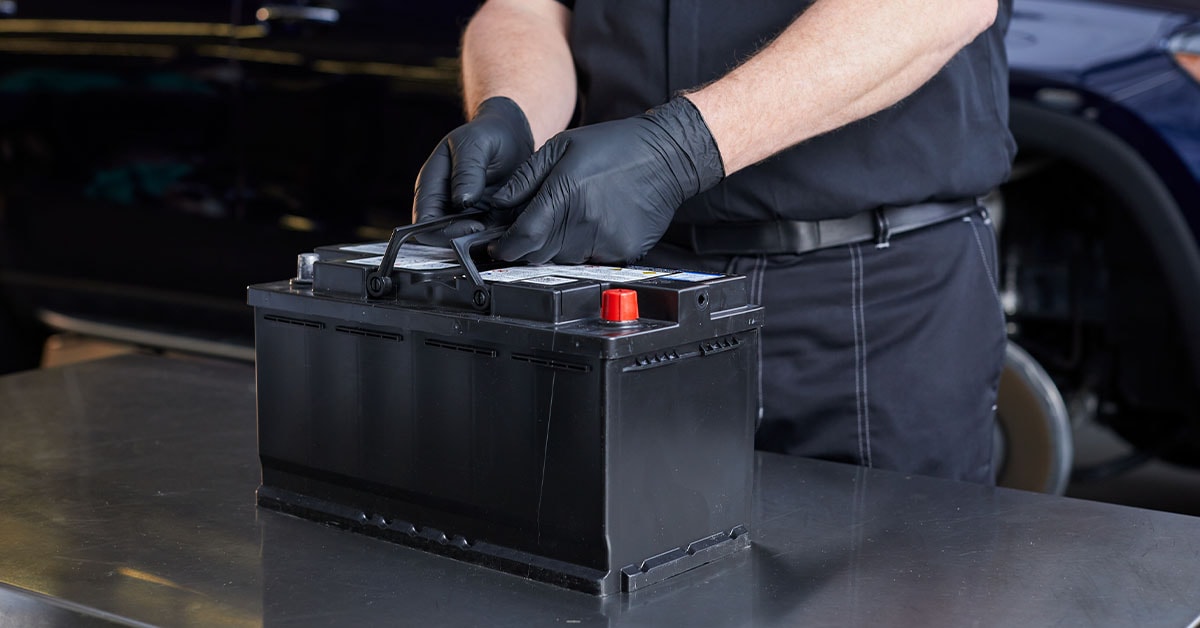
A dead car battery is often caused by leaving lights or accessories on, a faulty charging system, or an old battery that can no longer hold a charge. If you've ever turned the key and heard nothing but a sad click, you know the sinking feeling of a drained car battery. Over the years of working with cars and helping friends troubleshoot mysterious electrical issues, I've learned that a dead battery is rarely a mystery. It usually comes down to a handful of common culprits that drain power when your engine is off or prevent your battery from recharging properly while you drive. Let's walk through the real reasons your car battery might be drained, so you can stop guessing and get back on the road.

Common Reasons Your Car Battery Drains
Car batteries are designed to deliver a big burst of power to start your engine, then get recharged by the alternator as you drive. When something disrupts that balance, your battery can end up dead. Here are the most frequent causes I've seen and dealt with firsthand.
Lights and Accessories Left On
This is the classic mistake, and I've made it myself. Headlights, interior dome lights, or trunk lights that don't shut off automatically will slowly suck the life out of your battery overnight. Most modern cars have a warning chime or alert on the dash, but older models won't. Even a small dome light left on for eight hours can be enough to kill a battery. Before assuming something major is wrong, always do a quick visual check of all your lights when you park.
Faulty Charging System
Your alternator's job is to recharge the battery while the engine runs. If the alternator is failing or the voltage regulator is bad, your battery never gets a proper charge. You might notice dim headlights, flickering dashboard lights, or a battery warning light. In my experience, a weak charging system often mimics a bad battery, so it's worth testing the alternator's output before replacing the battery.
Parasitic Drain
Every car has a small amount of parasitic drain, which is the power used by things like your clock, alarm system, and computer memory when the car is off. A normal drain is usually under 50 milliamps. When something like a stuck relay, glove box light, or aftermarket accessory malfunctions, it can pull far more than that. I've traced stubborn drains to things like an improperly wired dash cam or a trunk switch that thought the trunk was always open.
Old or Weak Battery
Batteries don't last forever. Most car batteries have a lifespan of three to five years, depending on climate and usage. If yours is older and struggles to hold a charge, it might simply be at the end of its life. Hot climates are especially hard on batteries because heat speeds up internal corrosion. A weak battery can pass a simple voltage test but still fail under load, which is why a proper battery test matters.
Extreme Temperatures
Both very cold and very hot weather can drain a battery. Cold slows down the chemical reactions inside the battery, making it harder to deliver power. Heat causes fluid evaporation and internal damage. If you live in an area with harsh winters or blazing summers, your battery is under extra stress and may fail sooner than expected.
Corroded or Loose Battery Connections
I once spent an hour trying to jump-start a car only to discover the terminals were so corroded that power couldn't flow. Dirty, loose, or corroded battery terminals create resistance, which prevents the battery from charging properly and can mimic a dead battery. A simple cleaning with a wire brush and some baking soda can often solve the problem.
How to Diagnose What Drained Your Car Battery
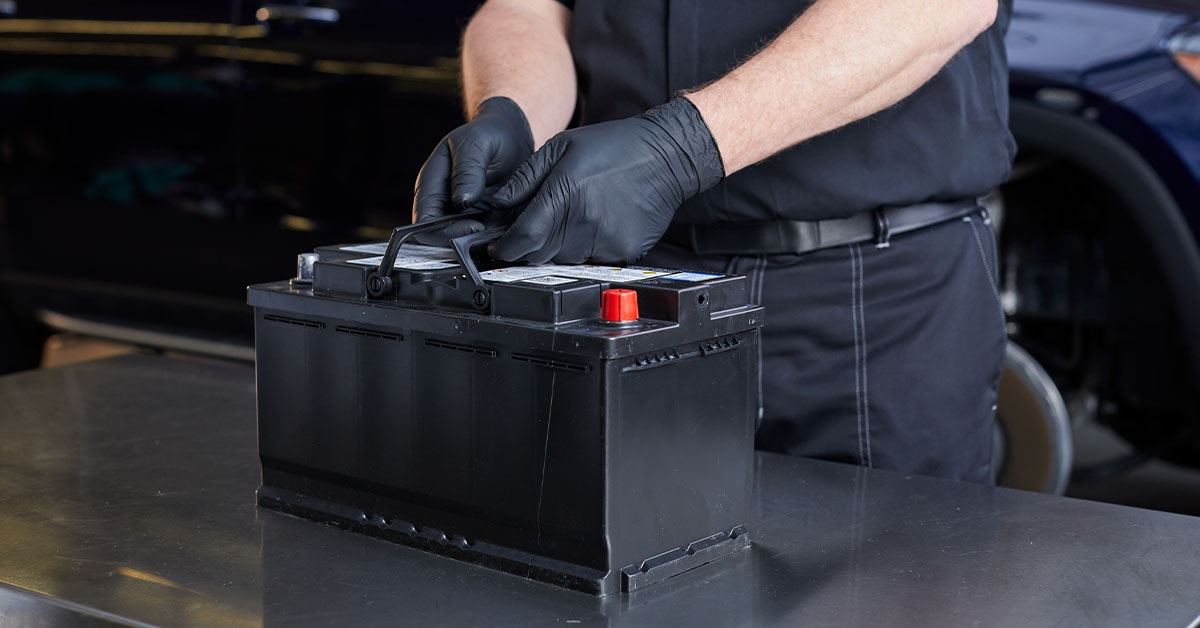
Finding the actual cause takes a little detective work, but you don't always need a mechanic to do it. Here are the steps I follow when troubleshooting a dead battery.
Check the Obvious First
Walk around the car and make sure all lights are off, including headlights, interior lights, and the trunk. Check that nothing is plugged into the power outlet, like a phone charger or dash cam.
Try a Jump Start or Battery Test
If the car starts with a jump, let it run for at least 20 minutes to build up some charge. If it dies again soon after, the alternator is likely the problem. If it keeps running, the battery may simply need a full charge or replacement.
Test the Battery Voltage
With the car off, a healthy battery should read around 12.6 volts. Anything below 12 volts means it's discharged. With the engine running, you should see between 13.7 and 14.7 volts, which indicates the alternator is charging properly. You can pick up a basic multimeter for under $20, and it's worth its weight in gold for any car owner.
Look for Parasitic Drain
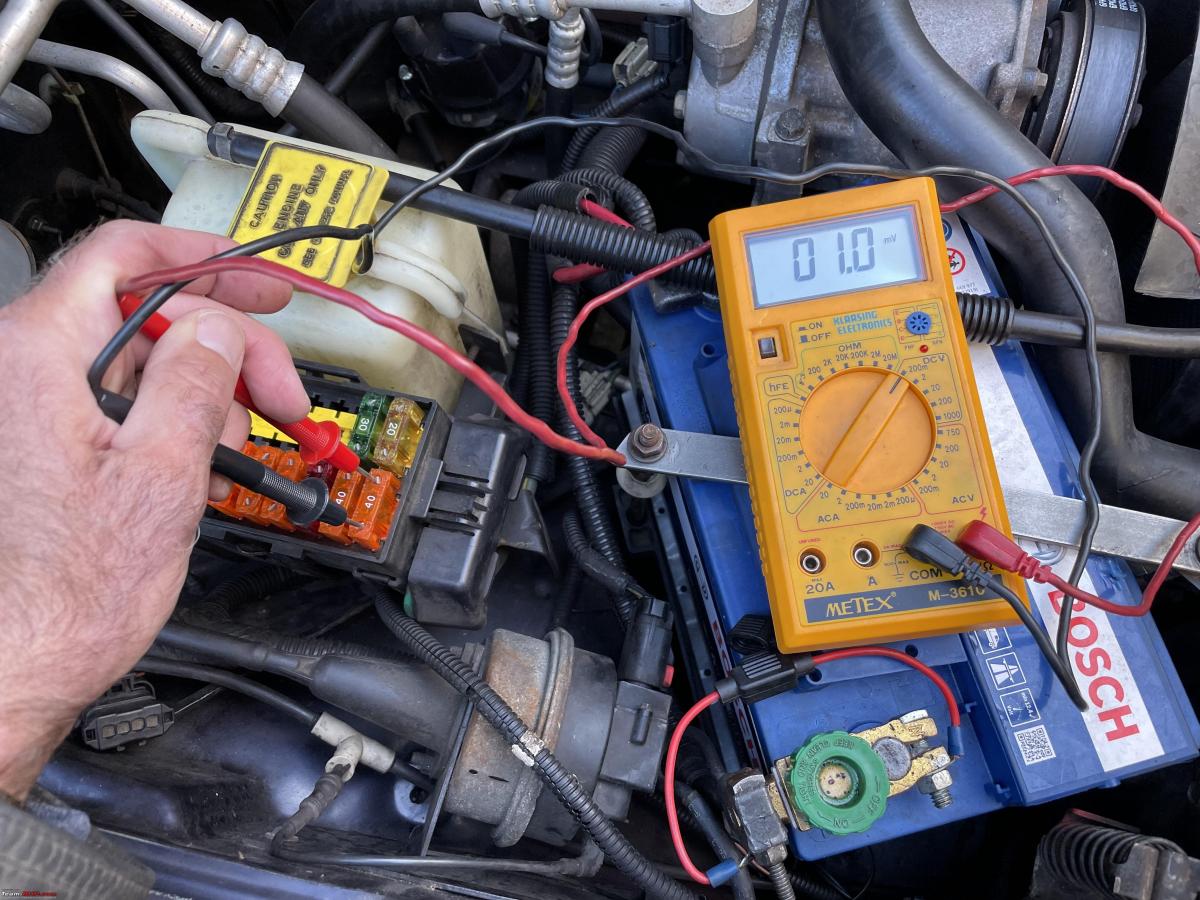
To check for a parasitic draw, turn everything off, remove the key, and disconnect the negative battery terminal. Connect a multimeter set to the milliamp setting between the terminal and the cable. If the reading is higher than 50 milliamps, something is pulling too much power. Then start pulling fuses one at a time to find the circuit causing the drain.
Tips to Prevent Future Battery Drains
Prevention is always easier than a tow truck call. Here are a few habits I've picked up over the years that keep batteries healthy.
- Drive your car regularly, especially if it's not a daily driver. Short trips don't fully recharge the battery.
- Keep the battery terminals clean and tight.
- Turn off all lights and accessories before shutting down the engine.
- Unplug chargers and dash cams when parked for long periods.
- Have your battery tested annually, especially before winter or summer extremes.
- Consider a battery maintainer if you store a car for months at a time.
When to Replace Your Car Battery
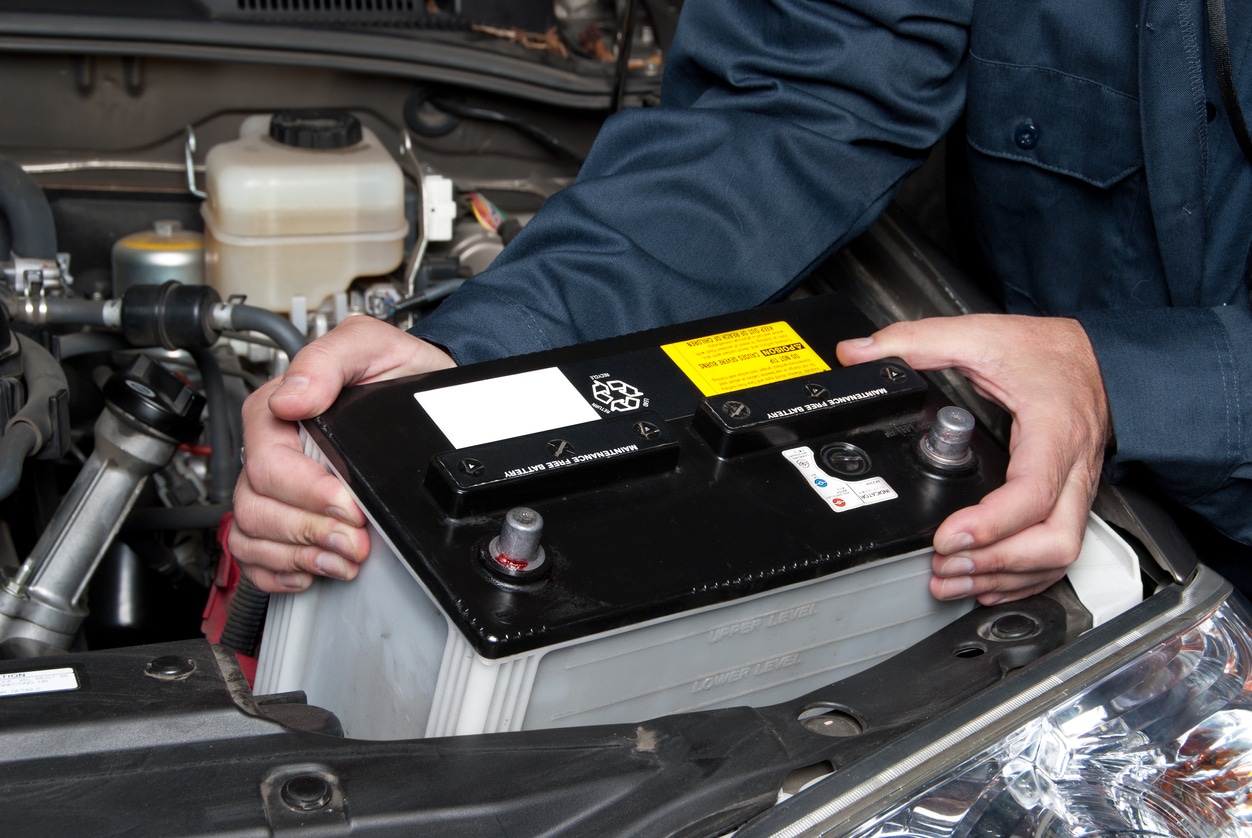
Sometimes a drained battery is a sign it needs to be replaced. If your battery is more than four years old, struggles in cold weather, or fails a load test, it's time for a new one. Most auto parts stores will test your battery for free and can help you choose the right replacement. Installing a battery is usually a straightforward DIY job, but if you're not comfortable, any mechanic can handle it in minutes.
I always recommend choosing a battery with a good warranty and the correct specifications for your vehicle. Don't cheap out here, since a quality battery can save you from headaches down the road.
Frequently Asked Questions
Can a bad alternator drain a battery while the car is off?
Yes, a faulty alternator with a bad diode can create a parasitic drain that pulls power even when the engine is off. If your battery keeps dying after being fully charged, the alternator is a likely suspect.
How long does it take for a car battery to die with the lights on?
It depends on the battery's age and condition, but most headlights can drain a battery in four to eight hours. Interior lights may take longer, but they can still kill a battery overnight.
Will idling the car recharge the battery?
Idling does charge the battery, but very slowly. It's better to drive the car or use a dedicated battery charger to bring it back to full charge.
Can cold weather drain a car battery?
Cold weather reduces a battery's capacity and makes the engine harder to turn over, which together can cause a weak battery to fail. This is why many battery issues show up in winter.
How do I know if my battery is dead or just discharged?
A discharged battery can usually be recharged and tested. A dead battery will not hold a charge even after a long drive or a full charge cycle, and it typically needs to be replaced.
Conclusion
A drained car battery is one of those annoying problems that almost every driver faces at some point. Most of the time, the cause is simple, like lights left on, an old battery, or a minor electrical issue you can track down yourself. By understanding the common reasons batteries die and learning a few basic checks, you can save time, money, and frustration. Keep your terminals clean, watch for warning signs, and don't ignore a battery that's struggling. Your car will thank you the next time you turn the key. If you've got a persistent drain you can't figure out, drop a comment below with your symptoms, and I'll help you troubleshoot.