A standard car battery is a 12-volt battery, meaning it delivers about 12.6 volts when fully charged and powers everything from your headlights to your starter motor. Most cars, trucks, and SUVs use a 12V lead-acid battery, though some heavy-duty and electric vehicles run on 24V or higher systems.
If you've ever popped the hood of your car and looked at the battery, you probably noticed a big "12V" label stamped right on it. That single number tells you almost everything you need to know about how your vehicle starts, runs, and keeps all those electronic features alive. But here's the thing, a car battery is a lot more interesting than just a chunk of lead and acid sitting in a plastic box. I've spent years testing batteries on everything from daily commuters to classic muscle cars, and I'll tell you, understanding what voltage your car battery actually runs at can save you from being stranded on a cold morning. In this guide, I'll walk you through exactly what volt a car battery is, why that number matters, and what happens when things go wrong.
Understanding Car Battery Voltage Basics
Let's start with the foundation. When people ask "what volt is a car battery," they're almost always talking about the standard automotive battery found under the hood of a typical gasoline or diesel car. The answer is 12 volts, but let's break that down a bit more so you understand exactly what's going on inside that black box.
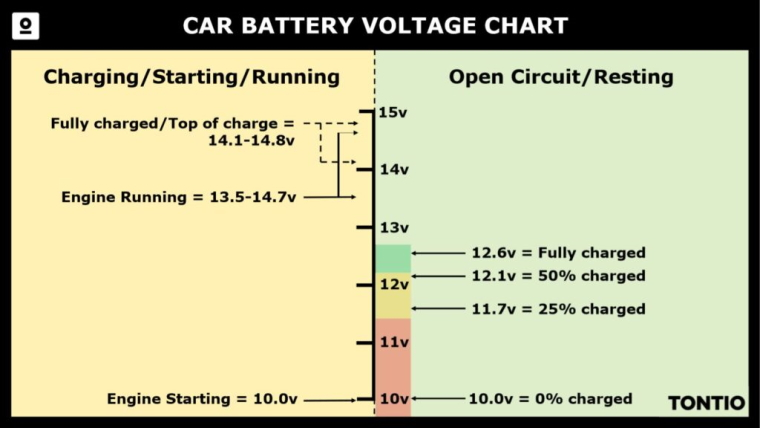
A 12V car battery is actually made up of six individual cells, each producing about 2.1 volts. Add them all together and you get that familiar 12.6-volt reading when the battery is fully charged. When the engine is running, your alternator typically charges the battery at around 13.7 to 14.7 volts, which keeps everything topped off while you cruise down the road.
What Does "12 Volt" Actually Mean?
You might be wondering why we call it a "12-volt" battery when it really shows 12.6 volts when fully charged. That's because the industry standardized on 12V as the nominal rating. It's a round number that's easy to remember and reflects the average working voltage of the battery during normal use. Think of it like calling a truck a "half-ton" even though it might actually haul a bit more.
Resting Voltage vs. Running Voltage
Here's something I learned the hard way early in my career. A car battery has two main voltage states you should know about:
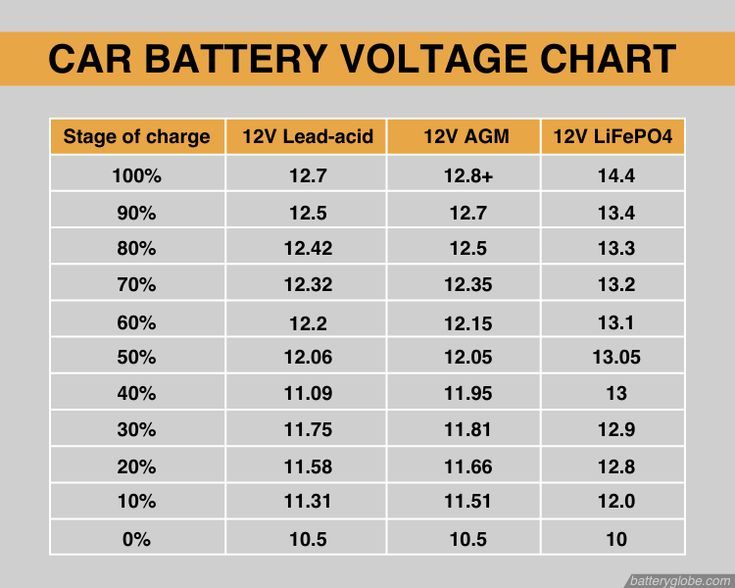
- Resting voltage is what the battery reads when the car is off and the battery has been sitting for a while, with no surface charge. A healthy battery at rest should read between 12.4 and 12.7 volts.
- Running voltage is what you see when the engine is on. This should be between 13.7 and 14.7 volts, showing that the alternator is doing its job and charging the battery properly.
I remember one winter when a customer came in convinced his battery was dead because his voltage gauge was reading 12.2 volts. Turns out he was testing it right after driving, when the surface charge hadn't dissipated yet. After letting the car sit overnight, the battery read a healthy 12.6 volts. Knowing the difference between resting and running voltage can save you from buying a battery you don't actually need.
Different Types of Car Batteries and Their Voltages
Not all car batteries are created equal. While the standard 12V lead-acid battery rules the automotive world, there are some variations and exceptions worth knowing about.
Standard Flooded Lead-Acid Batteries
This is the classic car battery most people picture when they think about automotive power. It uses lead plates submerged in a liquid sulfuric acid solution. The voltage remains 12V nominal, but these batteries come in different configurations:
- Starting, Lighting, and Ignition (SLI) batteries are designed to deliver a quick burst of power to start the engine, then get recharged by the alternator.
- Deep cycle batteries are built to provide steady power over a longer period, making them popular for RVs, boats, and cars with heavy electrical accessories.
AGM and Gel Batteries
Absorbed Glass Mat (AGM) and gel batteries are premium versions of the standard lead-acid battery. They still operate at 12 volts nominal, but they offer better performance, longer life, and resistance to vibration. I've noticed that many newer cars with start-stop technology or advanced electrical systems actually require AGM batteries, and using a regular flooded battery can cause problems down the road.
Lithium-Ion Car Batteries
Some performance cars and a growing number of electric and hybrid vehicles use lithium-ion battery packs. These systems often operate at much higher voltages, typically 48V, 400V, or even 800V in some modern EVs. But for traditional 12V accessories, most hybrids still include a small 12V lithium-ion battery to power things like lights and infotainment systems.
Why 12 Volts Became the Standard
You might be curious why the entire automotive industry settled on 12 volts as the standard. It wasn't always this way, and the choice actually has some fascinating history behind it.
Back in the early days of automobiles, cars used 6-volt electrical systems. These worked fine for basic engines with minimal electrical needs, but as cars evolved and started featuring more accessories like radios, heaters, and brighter headlights, 6 volts just couldn't keep up. By the 1950s and 1960s, manufacturers started transitioning to 12-volt systems to handle the increased electrical demand.
The 12-volt system hit the sweet spot between power, safety, and practicality. Higher voltages can be dangerous to work with, but 12 volts is low enough to be relatively safe while offering enough capacity to run modern vehicle electronics. Plus, the components like starters, alternators, and lights could be designed efficiently at this voltage.
What About 6-Volt Batteries Today?
You'll still find 6-volt batteries in some classic cars, particularly vintage models from before the 1960s. If you own an old Volkswagen Beetle, a classic motorcycle, or a vintage tractor, you might still be dealing with a 6-volt system. These systems require special care because many replacement parts are no longer mass-produced.
24-Volt Systems in Heavy-Duty Vehicles
If you've ever looked under the hood of a big rig, military vehicle, or some heavy equipment, you might have noticed they use 24-volt electrical systems. This is typically achieved by wiring two 12-volt batteries in series. The higher voltage helps these larger engines turn over more easily and supports heavy electrical loads.
How to Test Your Car Battery Voltage
One of the best things you can learn as a car owner is how to check your battery voltage yourself. It's simple, takes about five minutes, and can tell you a lot about the health of your electrical system.
Using a Multimeter
A digital multimeter is the best tool for testing battery voltage. Here's how I do it:
- Set your multimeter to DC voltage (the setting marked "V" with a straight line above it).
- Connect the red probe to the positive battery terminal (the one marked with a "+" symbol).
- Connect the black probe to the negative battery terminal (the one marked with a "-" symbol).
- Read the voltage on the display.
For an accurate resting voltage reading, make sure the car has been off for at least a few hours. I usually recommend letting it sit overnight if possible.
What Your Voltage Reading Means
Once you get your reading, here's how to interpret it:
- 12.6 volts or higher means your battery is fully charged and in good shape.
- 12.4 to 12.6 volts is still a healthy range, though not completely full.
- 12.2 to 12.4 volts suggests the battery is partially discharged and may need a charge.
- 12.0 to 12.2 volts is low and indicates the battery is significantly discharged.
- Below 12.0 volts means the battery is deeply discharged and may be damaged or failing.
I once helped a friend troubleshoot his car that wouldn't start on a cold morning. His battery read 11.8 volts, which told me immediately that the battery was either dead or dying. A quick charge and a test drive revealed the alternator was failing to recharge it, which led to a quick alternator replacement. That simple voltage check saved him from being stuck again the next day.
What Happens When Voltage Goes Wrong
Understanding what voltage your battery should be is one thing, but knowing what happens when things go wrong is just as important. Battery voltage problems typically fall into two categories: low voltage and high voltage.
Low Voltage Problems
If your battery voltage drops too low, you might experience:
- Slow or no-start conditions where the starter motor turns slowly or clicks without engaging.
- Dim headlights that seem weaker than usual, especially at idle.
- Electrical gremlins like random warning lights, flickering dashboard displays, or power windows operating slowly.
- Dead battery where nothing works at all and you need a jump start.
Low voltage usually points to one of a few culprits. Either the battery is old and can no longer hold a charge, the alternator is failing and not properly recharging the battery, or there's a parasitic drain somewhere in the system that's pulling power when the car is off.
High Voltage Problems
While less frequent, overcharging can also cause issues. If your alternator is putting out too much voltage, typically above 15 volts, it can:
- Boil the electrolyte inside a flooded battery, causing permanent damage.
- Damage sensitive electronic components like your infotainment system or engine control unit.
- Shorten the overall lifespan of your battery significantly.
I remember working on a car once where the owner had installed a high-output alternator for his sound system but never adjusted the voltage regulator. The battery was constantly being overcharged, and within six months, it was cooked to the point of needing replacement. It was an expensive lesson in why electrical system balance matters.
Maintaining Proper Battery Voltage
Keeping your car battery at the right voltage isn't complicated, but it does require a little attention. Here are some tips I've picked up over the years that can extend the life of your battery and prevent voltage-related issues.
Regular Testing
I recommend checking your battery voltage at least twice a year, ideally before winter and summer. Extreme temperatures are hard on batteries, and catching a weakening battery before it fails can save you a lot of hassle. Many auto parts stores will test your battery for free, but having your own multimeter makes it easy to check anytime.
Keep It Clean
Corrosion on battery terminals can restrict voltage flow and cause all sorts of electrical gremlins. Every few months, I clean my battery terminals with a wire brush and a mixture of baking soda and water. It's a simple task that takes about ten minutes but can prevent a lot of headaches.
Drive It Regularly
Batteries hate sitting idle. If you let your car sit for weeks at a time, the battery will slowly discharge and sulfate, which reduces its capacity permanently. If you have a vehicle that sits for extended periods, consider using a battery maintainer or tender, which keeps the battery at a full charge without overcharging it.
Watch for Warning Signs
Pay attention to how your car starts. If you notice the engine cranking slower than usual, or if your headlights seem weaker when the engine is off, those are early signs of a weakening battery. Addressing these symptoms early can prevent a complete failure at the worst possible moment.
Common Misconceptions About Car Battery Voltage
There are a few myths floating around about car batteries that I want to clear up. These misconceptions have led many people to replace perfectly good batteries or overlook real problems.
Higher Voltage Means Better Battery
This is a common misunderstanding. A healthy battery at rest should show around 12.6 volts. A reading of 13 volts or higher at rest usually indicates a surface charge, which isn't a sign of a better battery, just a recent charge. After sitting for a while, that surface charge will dissipate, and the voltage will settle to its true reading.
A Dead Battery Shows Zero Volts
Actually, a "dead" battery rarely reads exactly zero volts. Even a battery that's too weak to start your car will usually show some voltage, often between 8 and 11 volts. A completely zero reading usually means there's a break in the internal connections, which is rare.
Jumping a Battery Fixes the Problem
Jump-starting a dead battery is just a temporary fix. If your battery keeps dying, there's an underlying issue, usually a failing alternator, a parasitic drain, or simply an old battery that needs replacement. Jump-starting without addressing the root cause will just leave you stranded again.
Frequently Asked Questions
What voltage is too low for a car battery?
A car battery is considered too low when it drops below 12.0 volts at rest. At this point, the battery is significantly discharged and may struggle to start your engine. If the voltage drops below 11.8 volts, the battery is essentially dead and will likely need a charge or replacement to function properly.
Is a car battery AC or DC voltage?
Car batteries produce DC (direct current) voltage. The chemical reaction inside the battery creates a steady flow of electrons in one direction, which is what your car's electrical system is designed to use. The alternator also produces AC, which gets converted to DC by the rectifier before being used to charge the battery and power the car's electronics.
How many volts does a car battery need to start?
Most cars need at least 12.4 volts to crank the engine reliably, though the starter motor typically draws so much current that the voltage will dip during cranking. A fully charged battery at 12.6 volts will drop to around 10 volts during cranking, which is normal. If the voltage drops below 9.6 volts during cranking, the battery may be weak or failing.
Can a car battery be 24 volts?
Standard automotive electrical systems run on 12 volts, but some heavy-duty vehicles like commercial trucks, military vehicles, and large construction equipment use 24-volt systems. These are typically created by wiring two 12-volt batteries in series. Passenger cars almost universally use 12-volt systems.
Do electric cars have 12-volt batteries?
Yes, most electric and hybrid vehicles still include a small 12-volt battery in addition to their main high-voltage battery pack. This 12V battery powers traditional automotive systems like lights, infotainment, and computer systems. It's similar to a regular car battery but is typically a lithium-ion unit that's charged by the main battery pack through a DC-to-DC converter.
Conclusion
Understanding what volt a car battery is gives you a real edge as a car owner. While the answer is straightforward, a 12-volt battery, the details behind that number tell a much richer story. From the six individual cells working together to produce that familiar voltage to the way your alternator keeps everything charged while you drive, there's a lot happening in that black box most drivers never think about.
The most valuable thing I've taken to you today is this. Knowing how to test and understand your car battery voltage can save you time, prevent breakdowns, and help you make smart decisions about maintenance and repairs. A simple voltage check every few months takes just minutes but can catch problems before they leave you stranded.
Take a few minutes this weekend to pop the hood, check your battery voltage, and clean those terminals if needed. If you found this guide helpful, share it with a friend who might appreciate learning more about their car. And if you have questions about your specific vehicle, drop a comment below. I'd love to help you keep your car running smoothly for years to come.