Most car batteries deliver 12 volts of power, but the actual amperage ranges from around 400 to 1000 cold cranking amps (CCA) depending on the vehicle and battery type.
If you've ever popped the hood and stared at your car battery wondering what all those numbers mean, you're not alone. The amp rating is one of those specs that sounds technical but actually makes a huge difference in how your car starts, runs, and handles electrical demands. Whether you're a weekend mechanic, a daily commuter, or someone shopping for a replacement battery, understanding amps will save you from buying the wrong one and keep your vehicle running smoothly through every season. I'll walk you through everything you need to know, sharing insights I've picked up from years of hands-on experience and countless battery swaps.
What Exactly Does "Amps" Mean for a Car Battery?
Amps, short for amperes, measure the amount of electrical current a battery can deliver at any given moment. Think of it like water flowing through a pipe: volts are the water pressure, and amps are how much water actually comes out. When you turn your key and the engine cranks, your battery needs to push out a burst of electrical current to spin the starter motor. That burst is measured in amps.
In simple terms, amps tell you how much electrical muscle your battery has. A battery rated for 600 amps can deliver more power in a short burst than one rated for 400 amps, which matters most when you're starting a cold engine.
Why Amp Ratings Matter More Than You Think
The amp rating isn't just a number on a sticker. It directly affects whether your engine turns over on a freezing morning, whether your accessories run without dimming your lights, and whether your battery lasts a few years or a few months.
From personal experience, I've seen drivers grab the cheapest battery on the shelf only to find out it doesn't have enough cranking amps for their SUV or truck. On the flip side, I've also watched people overspend on a high-amp battery for a small sedan that only needs modest output. Matching the amp rating to your vehicle's needs is key.
Cold Cranking Amps (CCA) Explained
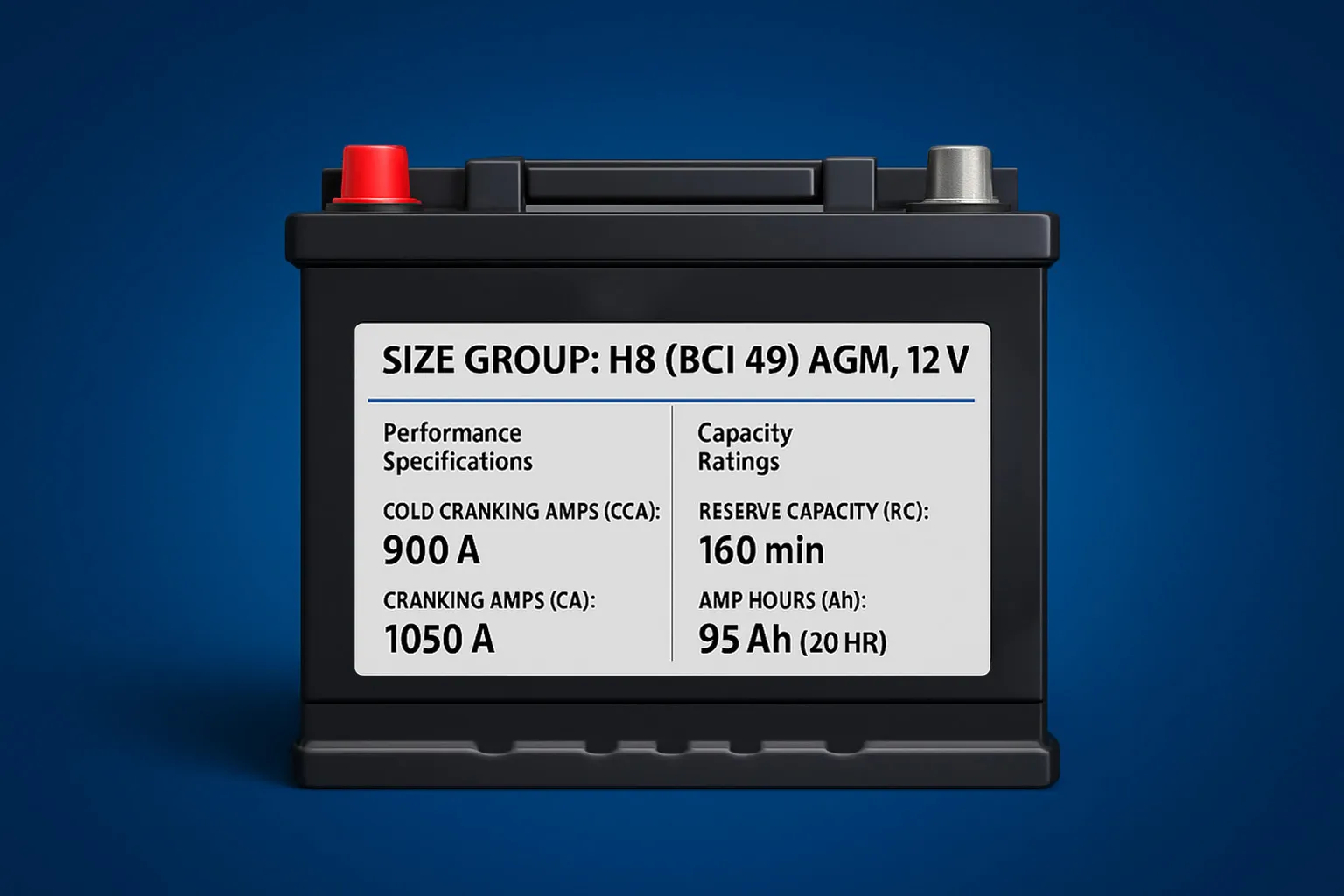
Cold cranking amps (CCA) is the rating you'll see most often, especially in climates that get chilly. CCA measures how many amps a battery can deliver for 30 seconds at 0°F while maintaining at least 7.2 volts.
Here's why that matters: cold weather thickens engine oil and slows down the chemical reactions inside your battery. That means your starter motor needs more current to do the same job. A battery with a higher CCA rating gives you that extra push when temperatures drop.
A good rule of thumb I follow: pick a battery with a CCA rating that meets or slightly exceeds your vehicle manufacturer's recommendation. If you live somewhere with harsh winters, going a step higher gives you a nice safety margin.
Cranking Amps (CA) vs. Marine Cranking Amps (MCA)
You'll sometimes see CA or MCA ratings instead of CCA, and they're not the same thing.
- CA (Cranking Amps) measures output at 32°F, which is warmer than the CCA standard.
- MCA (Marine Cranking Amps) is similar to CA but is intended for marine batteries used in boats.
CA and MCA numbers will always look higher than CCA because warmer temperatures make it easier for a battery to deliver current. When comparing batteries, always look at the CCA rating if you care about cold-weather performance.
Reserve Capacity (RC) and Why It Matters Too
Amp ratings aren't the whole story. Reserve capacity (RC) tells you how long a fully charged battery can power essential accessories if your alternator stops working. It's measured in minutes.
For example, a battery with an RC of 120 minutes can run your lights, radio, and other critical systems for two hours without the engine running. This rating matters more for people who use their vehicles for camping, off-roading, or as mobile workstations.
I learned this the hard way during a road trip when my alternator died in the middle of nowhere. The battery's reserve capacity kept me going long enough to reach a mechanic. Ever since, I always check RC before buying a replacement.
How Many Amps Does a Typical Car Battery Have?
The average car battery produces somewhere between 400 and 1000 CCA. Here's a rough breakdown based on vehicle type:
- Compact cars: 400 to 500 CCA
- Sedans and mid-size vehicles: 500 to 700 CCA
- SUVs and trucks: 700 to 900 CCA
- Heavy-duty diesel trucks: 900 to 1000+ CCA
Your owner's manual will list the recommended CCA range for your specific vehicle. Always stick to that range unless you have a good reason to deviate.
Amp Hours (Ah) and Why They're Different
Some batteries, especially deep-cycle or marine batteries, list their capacity in amp hours (Ah) instead of CCA. Amp hours tell you how much current a battery can supply over a longer time period, like 20 hours.
For example, a 50 Ah battery can deliver 2.5 amps for 20 hours before dropping below a usable voltage. This rating is more relevant for accessories, RVs, and solar setups than for starting a vehicle.
If you see Ah on a battery meant for your daily driver, it might not be the right type. Stick with CCA for starting batteries.
Factors That Affect a Car Battery's Amps Over Time
Even the best battery loses cranking power as it ages. Here are the main culprits:
- Temperature extremes: Heat and cold both reduce a battery's efficiency.
- Short trips: Your alternator doesn't have enough time to fully recharge the battery.
- Corroded terminals: Buildup reduces current flow and weakens performance.
- Parasitic drains: Accessories that draw power while the car is off slowly wear the battery down.
- Age: Most car batteries last 3 to 5 years before their amp output falls below reliable levels.
I've personally made the mistake of ignoring corrosion on a battery terminal and ended up stranded in a parking lot. Now I clean my terminals every six months as part of routine maintenance.
How to Test Your Battery's Amps
You don't need to be a mechanic to check your battery's health. Here's how:
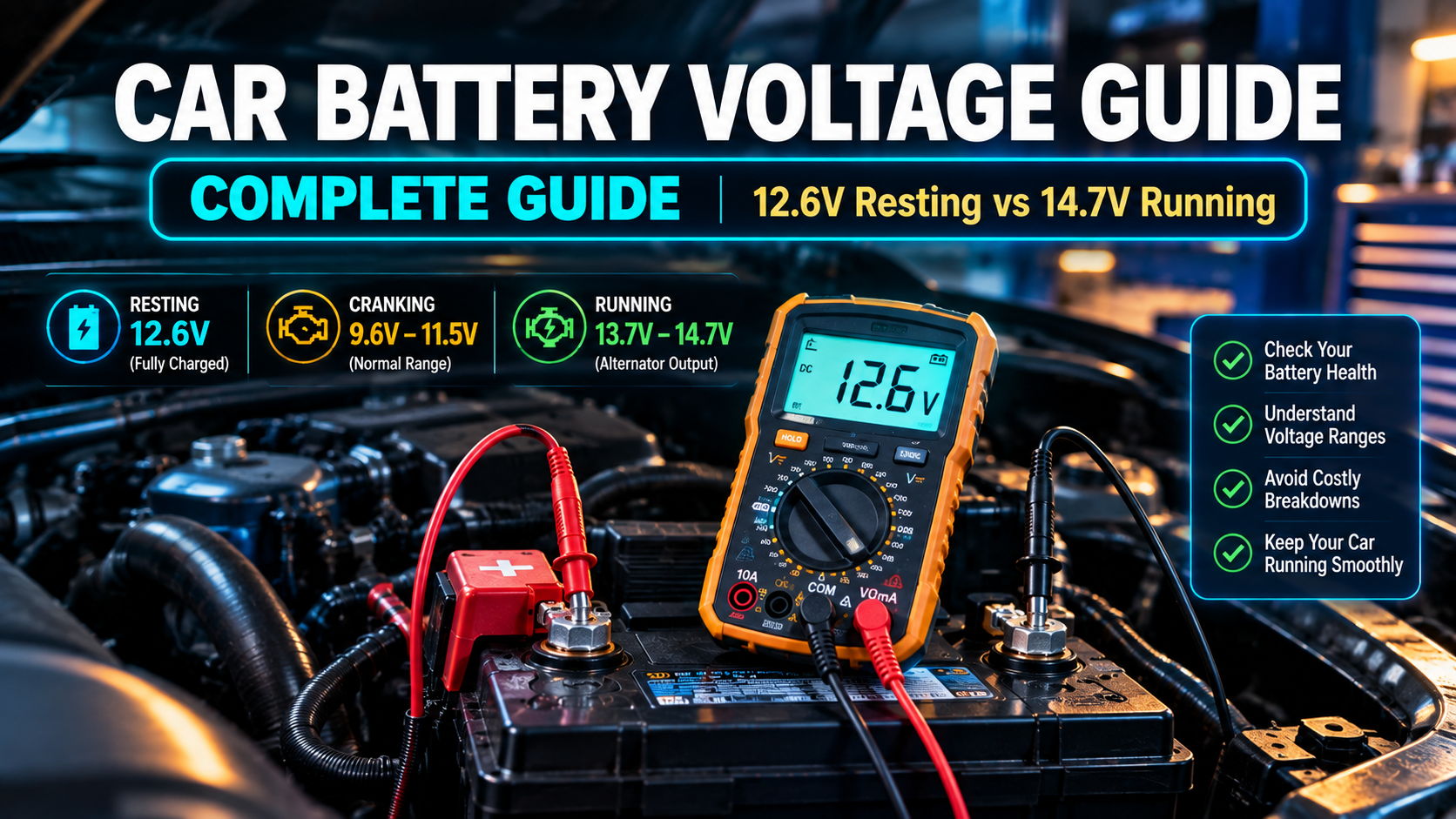
- Use a multimeter: Set it to DC voltage and touch the probes to the terminals. A healthy battery should read around 12.4 to 12.7 volts when the engine is off.
- Use a load tester: This device simulates the load of starting the engine and tells you if the battery can handle it.
- Visit an auto parts store: Most offer free battery testing, including CCA checks.
Testing your battery before winter hits is one of the smartest habits you can develop. It only takes a few minutes and can save you from a frustrating no-start morning.
Common Mistakes to Avoid When Buying a Battery by Amps
- Buying too few amps: A weak CCA rating means slow cranking and possible no-starts in cold weather.
- Buying too many amps: Overpaying for capacity your vehicle doesn't need won't improve performance.
- Ignoring RC: Focusing only on amps while forgetting reserve capacity can leave you stranded if your alternator fails.
- Mixing battery types: Combining different battery technologies or ages can cause electrical issues.
When I bought my first truck, I assumed bigger was always better and picked a 1000 CCA battery for a vehicle that only needed 650 CCA. The truck started fine, but I wasted money I could have used elsewhere. Matching specs to your vehicle is always the smarter move.
Choosing the Right Amp Rating for Your Vehicle
Here's a simple process I follow whenever I help someone pick a battery:
- Check the owner's manual for the recommended CCA range.
- Consider your climate and lean toward the higher end if winters are harsh.
- Match the battery group size to your vehicle's tray dimensions.
- Look at RC if you use accessories while the engine is off.
- Buy from a reputable brand with a solid warranty.
Taking 10 minutes to research these details pays off in reliability and peace of mind.
Frequently Asked Questions
How many amps does a 12-volt car battery actually deliver?
A 12-volt car battery can deliver anywhere from 400 to 1000 amps depending on its CCA rating and the demands of the starter motor. The voltage stays steady at around 12 volts, but the current fluctuates based on load.
Is higher CCA always better for my car battery?
Not always. Higher CCA gives you more starting power, especially in cold climates, but going far beyond your vehicle's needs just costs extra money. Match the manufacturer's recommendation first, then adjust slightly for your climate.
How long does a car battery hold its amp rating?
A well-maintained car battery typically holds strong amp output for 3 to 5 years. After that, the internal chemistry starts to degrade, and you'll notice slower starts and weaker accessory performance.
Can I use a battery with different amps than a original?
You can, as long as it meets or exceeds the minimum CCA rating and fits your vehicle's battery tray. Going significantly higher won't hurt your car, but going lower could cause starting problems, especially in cold weather.
Do electric cars use the same amp ratings as gas vehicles?
Electric vehicles use high-voltage battery packs measured in kilowatt-hours, not the 12-volt starter batteries that gas cars use. Even EVs have a small 12-volt battery for accessories, but it's much smaller and doesn't need high cranking amps.
Wrapping It All Up
Understanding what amps your car battery needs takes the guesswork out of buying replacements and troubleshooting electrical issues. The sweet spot for most vehicles sits between 500 and 800 CCA, but your specific climate, engine size, and driving habits all play a role. Pay attention to CCA for starting power, RC for accessory support, and keep up with basic maintenance to extend your battery's lifespan. A little knowledge here saves you money, time, and the frustration of being stuck with a dead battery at the worst possible moment. If you're unsure about your current battery's health, grab a multimeter or swing by your local auto parts store for a free test. Your future self will thank you the next time the temperature drops.