A dead battery stops your car from starting and disables most electrical systems, leaving you stranded. But here's the thing—knowing exactly what happens when a car battery dies can save you time, money, and a whole lot of frustration on the road. I've been there, turning the key only to hear that awful click-click-click, and I'm here to walk you through every detail so you're never caught off guard again.
Picture this: it's a cold morning, you're running late, and your car won't start. The dashboard is dark, the engine is silent, and nothing works. That's the frustrating reality of a dead car battery, one of the most common breakdowns drivers face. Whether it's caused by leaving your headlights on, extreme weather, or simply an old battery reaching the end of its life, understanding the symptoms, causes, and fixes is essential for every driver. In this guide, I'll break down exactly what happens when your car battery dies, how to recognize the warning signs, and what you can do to prevent it from happening again.
Common Signs Your Car Battery Is Dying
Before your battery fully dies, it usually gives you warning signs. Catching these early can save you from being stranded somewhere inconvenient. I learned this the hard way when my car barely started at the grocery store, and I ignored it—only to get stuck in my driveway the next morning.
Here are the most common symptoms of a dying or dead battery:
- Slow engine cranking when you turn the key or press the start button
- Dim or flickering headlights, especially when idling
- Clicking sound from the engine bay when trying to start
- Dashboard warning lights, particularly the battery-shaped icon
- Electrical accessories like radio, power windows, or seat heaters not working properly
- Engine starts intermittently or requires multiple attempts
- Swollen or bloated battery case due to extreme temperatures
- A sulfur or rotten egg smell coming from under the hood
If you notice one or more of these signs, it's worth testing your battery before it leaves you completely stuck. Most auto parts stores offer free battery testing, and it takes less than ten minutes.
What Happens When Your Car Battery Dies
When the battery is completely dead, your car essentially loses its electrical heart. Modern vehicles depend on the battery for much more than just starting the engine, so the effects go beyond a simple no-start situation.
Here's exactly what happens when a car battery dies:
- Engine won't start because the starter motor has no power to crank the engine
- All electrical systems shut down, including lights, radio, climate control, and infotainment
- Dashboard remains dark with no warning lights or indicator displays
- Key fob may stop working if it relies on the car's receiver system
- Power locks, windows, and mirrors become completely non-functional
- Alarm system may trigger or fail to arm properly
- ECU resets, potentially clearing saved settings like radio presets and seat memory
- Transmission shifter may get stuck in Park on vehicles with electronic shifters
The experience can feel overwhelming, especially if you're not mechanically inclined. But knowing these specific symptoms helps you diagnose the problem quickly and communicate it clearly if you need to call for roadside assistance.
Top Causes of a Dead Car Battery
Understanding why batteries die helps you prevent future breakdowns. After years of dealing with dead batteries, both my own and customers', I can tell you that most causes fall into a few predictable categories.
The main reasons car batteries die include:
- Leaving lights, interior lights, or accessories on while the engine is off
- Extreme cold weather that slows the chemical reaction inside the battery
- Heat damage during summer months causing faster internal corrosion
- Short drives that never allow the battery to fully recharge
- Old age, as most batteries last between three to five years
- Corroded or loose battery cables preventing proper charging
- Faulty alternator not sending enough charge to the battery
- Parasitic drain from aftermarket accessories or malfunctioning electronics
- Infrequent use of the vehicle, especially during long storage periods
In my experience, the alternator is often the hidden culprit. Many people assume their battery is dead, but it's actually the alternator failing to charge it. Always test both components to get an accurate diagnosis.
How to Jump Start a Dead Car Battery
Jump starting is the most common way to revive a dead battery when you have access to another vehicle or a portable jump starter. I've done this dozens of times, and it's simpler than most people think when you follow the right steps.
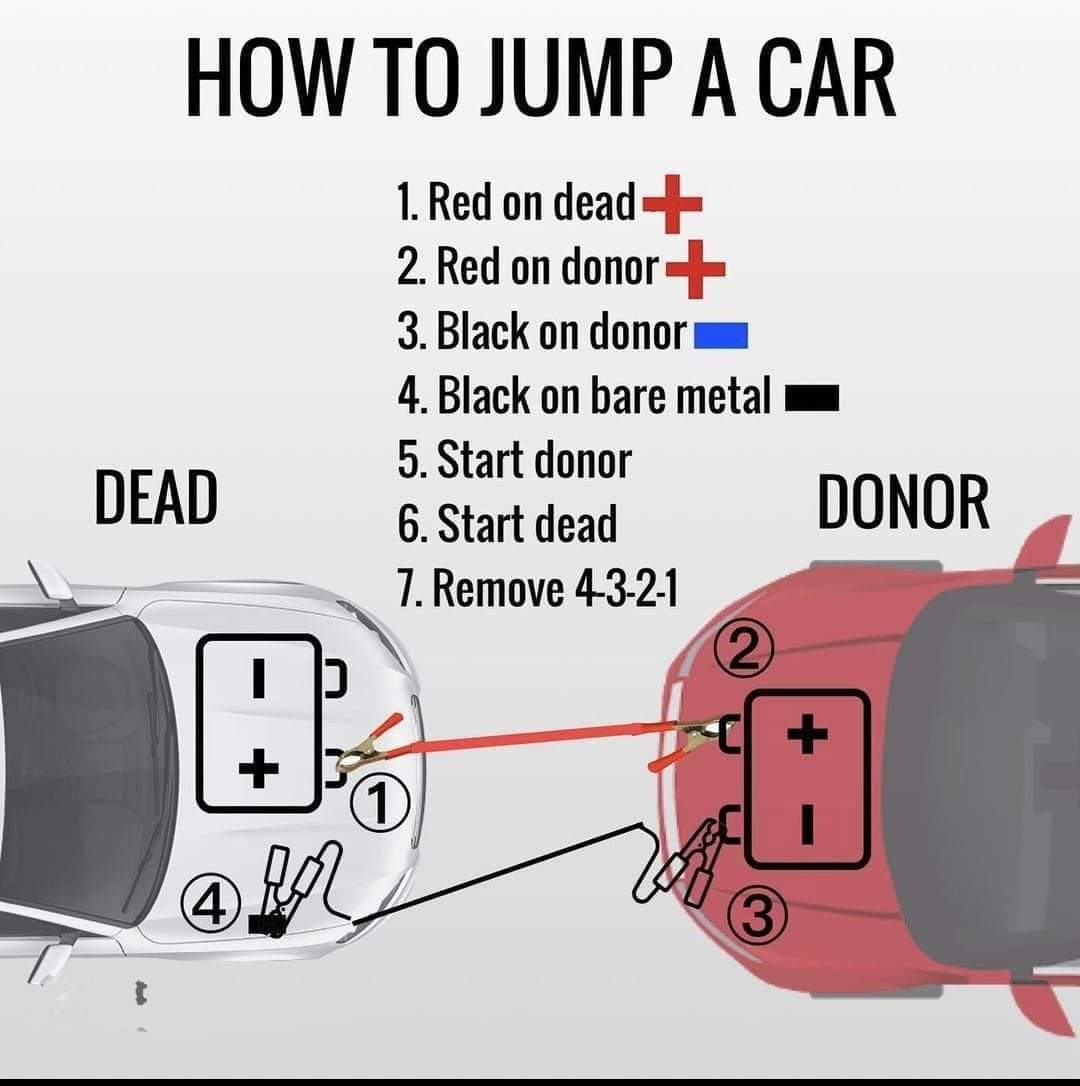
Follow these steps to safely jump start a dead battery:
- Park the working vehicle close to yours without the cars touching
- Turn off both vehicles and remove keys from ignitions
- Connect the red positive cable to the positive terminal of the dead battery
- Connect the other end of the red cable to the positive terminal of the good battery
- Connect the black negative cable to the negative terminal of the good battery
- Connect the other end of the black cable to an unpainted metal surface on your car, away from the battery
- Start the working vehicle and let it idle for a few minutes
- Try starting your vehicle, and if it works, let both cars run for several minutes
- Disconnect cables in reverse order without letting the clamps touch each other
Always wear safety glasses and gloves when handling batteries, as they contain corrosive acid that can cause burns or eye damage. Avoid smoking or creating sparks near the battery during this process.
How to Prevent Your Car Battery from Dying
Prevention is always better than dealing with a dead battery at the worst possible moment. After getting stranded twice in one winter, I developed a simple routine that has kept me trouble-free for years.
Here are practical ways to prevent battery failure:
- Drive your car regularly, even if it's just a 20-minute trip once a week
- Keep the battery terminals clean and free of corrosion using a wire brush
- Park in a garage or shaded area during extreme weather conditions
- Turn off all accessories before shutting down the engine
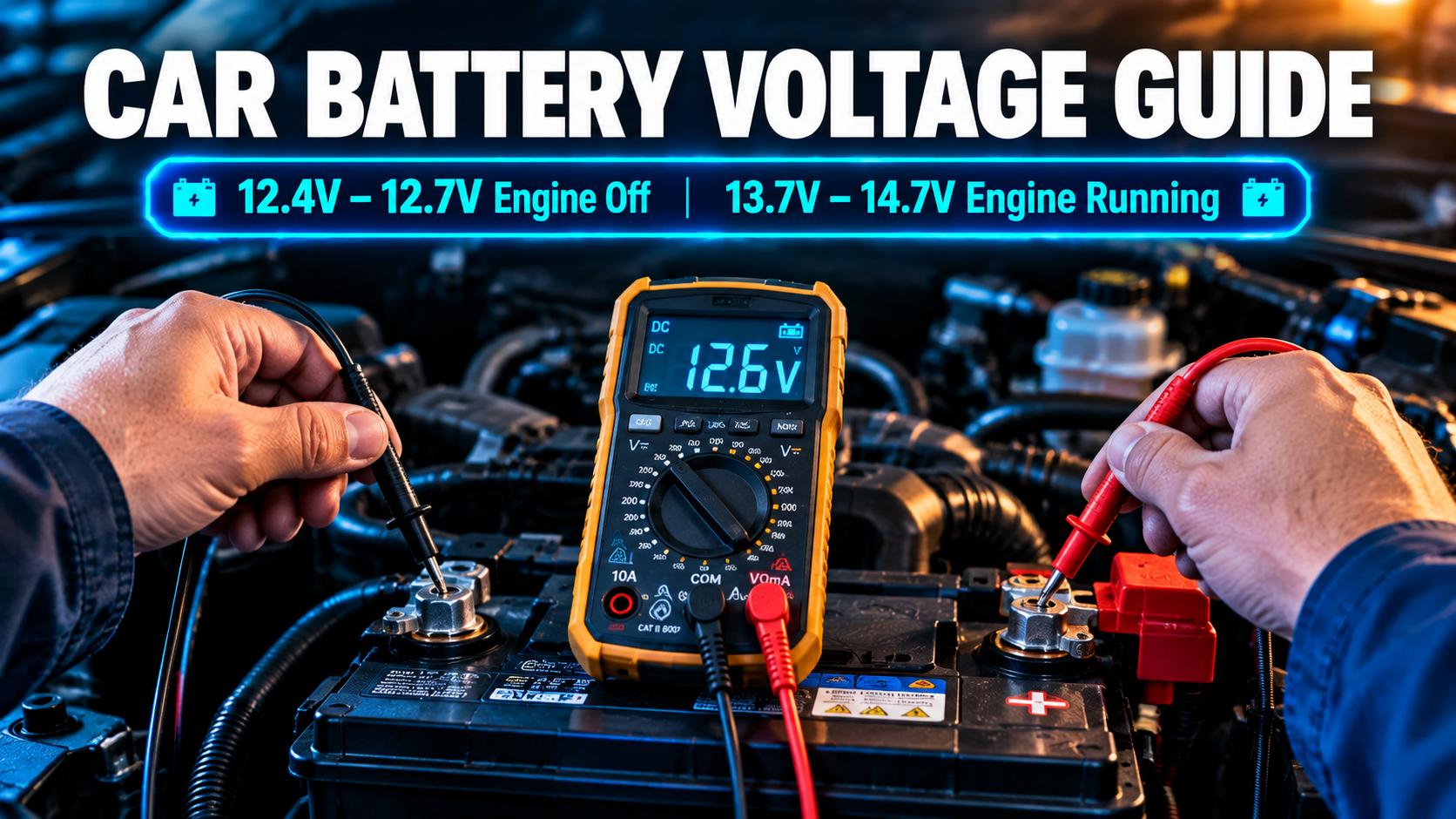
- Get your battery tested twice a year, especially before winter and summer
- Invest in a battery maintainer if you store your vehicle for extended periods
- Replace the battery every three to five years as preventive maintenance
- Check the alternator output during routine service visits
- Avoid short trips that don't allow full recharging cycles
These small habits make a huge difference in extending battery life and avoiding unexpected failures.
When to Replace Your Car Battery
Sometimes a dead battery just needs a recharge, but other times it's signaling the end of its life. Knowing the difference saves you money and prevents repeat breakdowns.
You should replace your battery when:
- The battery is older than four years and showing any weakness
- The battery case is swollen, leaking, or visibly corroded
- Jump starts work temporarily but the battery dies again within hours
- The battery fails a load test at your mechanic or auto parts store
- You notice frequent electrical issues even after recharging
- The check engine or battery light appears alongside starting problems
Don't wait until you're stranded to replace an aging battery. A new battery costs between seventy-five and two hundred dollars, which is far cheaper than a tow truck or missed appointments.
What to Do If Your Battery Dies While Driving
This scenario is rare but not impossible, especially if your alternator fails while you're on the road. Knowing how to react keeps you safe and prevents accidents.
If your battery dies while driving:
- Pull over to a safe location as soon as possible
- Turn on your hazard lights to warn other drivers
- Turn off non-essential electronics to preserve remaining power
- Try to restart the car after stopping, as it may briefly work
- Call roadside assistance if the vehicle won't restart
- Avoid stopping in dangerous spots like highway curves or blind intersections
- Stay inside the vehicle with your seatbelt on if you're on a busy road
- Request a tow to the nearest mechanic rather than driving with a failing battery
The alternator is what powers your car while driving, so if the battery warning light comes on, the alternator is likely failing. Continuing to drive can harm other electrical components, so get off the road as quickly as possible.
Common Myths About Dead Car Batteries
There's a lot of misinformation floating around about car batteries, and I've heard drivers repeat these myths time and time again. Let me clear up the most common ones.
The truth about these widespread myths:
-
Myth: A completely dead battery is permanently damaged
-
Truth: Most batteries can recover with proper charging unless they're old or physically damaged
-
Myth: Jump starting a modern car damages the computer
-
Truth: Modern vehicles have surge protection, and jump starting is safe when done correctly
-
Myth: You should drive your car immediately after a jump start
-
Truth: Let it idle or drive for at least 20 minutes to allow proper recharging
-
Myth: Batteries die without warning every time
-
Truth: Most batteries show symptoms weeks or months before failing completely
-
Myth: Idling your car charges the battery faster than driving
-
Truth: Driving at higher RPMs charges the battery faster than idling
Understanding these facts helps you make smarter decisions and avoid costly mistakes when dealing with battery issues.
Frequently Asked Questions About a Dead Car Battery
Can a dead car battery be recharged?
Yes, most dead car batteries can be recharged using a battery charger or by driving for at least 20 to 30 minutes after a jump start. However, if the battery is more than four years old or shows physical damage, replacement is usually the better option.
How long does it take to jump start a dead battery?
Jump starting takes only a few minutes once the cables are connected. After a successful start, let both cars run for at least 15 to 20 minutes to allow the dead battery to regain enough charge to start on its own.
Will a dead battery cause my car to lose power steering?
Yes, some vehicles with electronic power steering may lose steering assistance if the battery is completely dead. This makes steering much harder, especially at low speeds, so be cautious if you experience this.
How can I tell if my battery is dead or just the alternator?
A dead battery usually shows symptoms when the car is off or while cranking, while a bad alternator causes the car to die while running or after jump starting. Testing both components at an auto parts store gives you a definitive answer.
Is it safe to drive with a battery warning light on?
No, driving with a battery warning light on is risky because the alternator may not be charging properly. You could stall in traffic and lose critical systems like power steering and brakes, so pull over immediately when safe.
Final Thoughts on Dealing With a Dead Car Battery
A dead car battery is one of life's inevitable frustrations, but it doesn't have to ruin your day when you know what to expect. From the telltale clicking sound when you turn the key to the complete silence of a dead electrical system, recognizing the signs early helps you act quickly. Remember to check for common causes like leaving lights on, extreme temperatures, and old age before assuming the worst. Jump starting is a useful skill that every driver should know, but prevention through regular maintenance is even more valuable. Keep your terminals clean, test your battery twice a year, and replace it every three to five years to avoid most battery-related headaches. The next time you hear that dreaded click, you'll know exactly what happened and what to do next—turning a stressful situation into just another solved problem on your driving journey.