A fully charged car battery freezes around -76°F, while a dead one can freeze at just 32°F. If you live somewhere cold or park outside during winter, knowing the freezing point of your battery could save you from a dead car on a freezing morning. After more than a decade of working with vehicles and helping drivers troubleshoot cold-weather starting problems, I’ve seen firsthand how freezing temperatures silently destroy weak or neglected batteries. Let me walk you through everything you need to know about car battery freezing temperatures, what causes it, how to prevent it, and what to do if it happens to you.

Why Car Batteries Freeze in the First Place
A car battery doesn’t freeze because of the plastic case or the terminals. It freezes because of what’s inside. Most lead-acid batteries are filled with a mixture of water and sulfuric acid, commonly called electrolyte. The amount of acid in this mix determines the freezing point.
When a battery is healthy and fully charged, the acid concentration is high. High acid concentration lowers the freezing point dramatically. When a battery is weak or discharged, the acid concentration drops, and the electrolyte becomes mostly water. Water freezes at 32°F, so a weak battery freezes much more easily.
Think of it like adding salt to a bucket of water. The more salt you stir in, the harder it is for that water to freeze. The same idea applies inside your battery.
In simple terms, a battery’s state of charge controls its freeze point. This is one of the most important things to understand if you want to avoid cold-weather surprises.
Car Battery Freezing Temperatures Based on State of Charge
Below is a general guide that shows how the state of charge affects the freezing point of a typical 12-volt lead-acid battery.
- 100 percent charged: freezes around -76°F
- 75 percent charged: freezes around -35°F
- 50 percent charged: freezes around -10°F
- 25 percent charged: freezes around 15°F
- Fully discharged: freezes at or slightly below 32°F
These numbers can shift slightly depending on battery type, age, and brand, but they give you a solid idea of how vulnerable a weak battery becomes in cold weather.
If you live in a northern state where temperatures regularly drop below 0°F, a battery below 75 percent charge is asking for trouble.
What Happens Inside a Battery When It Freezes
You might be wondering why a frozen battery is such a big deal. The answer is simple: freezing damages the internal structure of the battery.
The electrolyte expands as it freezes. The lead plates inside the battery sit close together. When the liquid expands, it can crack the plates, warp the separators, or even split the plastic case. Once that happens, the battery is permanently damaged. It might still hold a charge for a short time, but it will never perform the way it should.
In severe cases, a frozen battery can develop hairline cracks you cannot see. When it thaws, it may leak acid. That acid can corrode surrounding engine parts, eat through wiring, or damage your vehicle’s frame.
From my experience, a battery that has been allowed to freeze usually drops in performance immediately. Drivers often describe it as the car struggling to turn over, lights flickering, or the engine cranking slowly. In most cases, replacing the battery is the only safe option.
Signs Your Battery May Be Frozen or Damaged by the Cold
It helps to know the warning signs so you can act before the battery fails completely.
- The engine cranks slowly or makes a clicking sound
- The battery case looks swollen or cracked
- There is a sulfur or rotten egg smell near the engine
- The check engine light or battery light appears
- Electronics dim when you try to start the car
- The battery has visible leaks or moisture around the terminals
If you notice any of these signs on a cold morning, do not try to jump-start a battery that is visibly swollen or cracked. A damaged battery can explode when current is applied.
How Cold Weather Weakens a Battery Even Without Freezing
Freezing is not the only problem cold weather creates. Cold temperatures also reduce a battery’s chemical reaction speed. This is why even a fully charged battery struggles to start a car on a frigid morning. The oil thickens, the engine needs more power to turn over, and the battery is producing less energy.
A healthy battery at 80°F has about 100 percent of its rated cranking power. The same battery at 0°F may only produce about 60 percent. Combine that with a weak charge, and you have a recipe for a no-start situation.
This is why batteries that seem fine in summer suddenly die in winter. The cold exposes weaknesses that were already there.

How to Prevent Your Car Battery from Freezing
Prevention is far easier than dealing with the aftermath. Here are practical tips you can use right now.
- Keep your battery fully charged: Drive your car regularly for at least 30 minutes or use a battery maintainer
- Park in a garage when possible: Even an unheated garage offers more protection than outdoor parking
- Test your battery before winter: Most auto parts stores will check your voltage and charge level for free
- Clean the terminals: Corrosion weakens the connection and reduces charging efficiency
- Turn off accessories before shutting off the engine: This prevents unnecessary drain
- Replace weak batteries early: If your battery is over four years old, consider replacing it before deep cold arrives
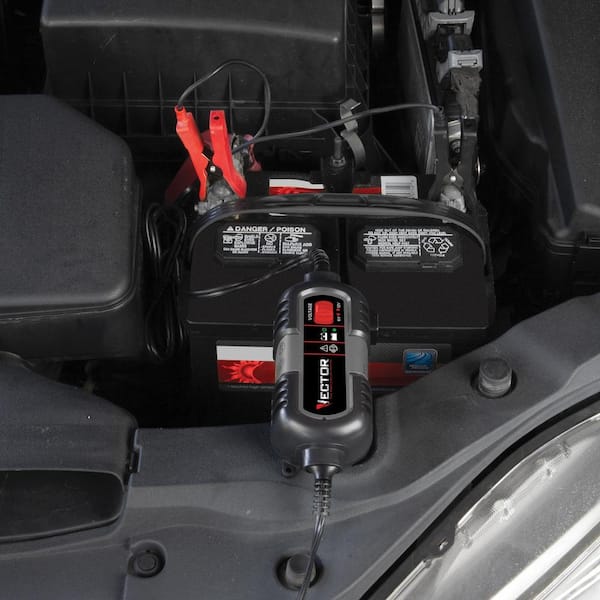
A battery maintainer is one of the smartest investments you can make if you store a vehicle during winter. These devices keep the battery at a full charge without overcharging it.
What to Do If Your Battery Freezes
If you suspect your battery has frozen, here are the steps I recommend.
- Do not try to charge or jump-start a visibly damaged battery
- Bring the battery to a warm area and let it thaw slowly
- Check the case for cracks or swelling once it warms up
- Test the voltage after thawing
- Replace the battery if it does not hold a charge or shows physical damage
Never apply direct heat like a torch or space heater to a frozen battery. Rapid heating can cause the plates to expand unevenly, making cracks more likely.
In my own experience, a frozen battery rarely recovers fully. Even if it takes a charge, the internal damage usually shortens its life significantly. I always recommend replacing it to avoid getting stranded again.
Cold Weather Tips for Different Battery Types
Not all car batteries are the same. Here is how different battery types handle cold weather.
- Flooded lead-acid batteries: Most common, most vulnerable to freezing when discharged
- AGM batteries: Better cold performance, lower freeze risk due to sealed design
- Gel batteries: Excellent cold tolerance but not ideal for high cranking needs
- Lithium-ion car batteries: Perform well in cold but require special charging systems
If you live in a region with harsh winters, AGM batteries are usually worth the extra cost. Their sealed design and stronger internal construction make them more resistant to freezing and vibration.
Common Myths About Car Batteries and Cold Weather
Let me clear up a few myths I hear every winter.
- Myth: A frozen battery will charge itself once it warms up
Fact: A frozen battery can crack internally and lose capacity permanently - Myth: Jump-starting a frozen battery is safe
Fact: Jump-starting a damaged frozen battery can cause it to explode - Myth: All batteries freeze at the same temperature
Fact: Freeze points depend on state of charge, battery type, and age - Myth: A new battery cannot freeze
Fact: Even new batteries can freeze if left discharged in extreme cold

How Long Does a Car Battery Last in Cold Climates
Cold weather shortens battery life in two ways. First, it forces the battery to work harder during starts. Second, it accelerates sulfation, which is the buildup of lead sulfate crystals on the plates. Sulfation is the number one cause of battery failure.
In warm climates, a car battery may last four to six years. In cold climates, three to five years is more common. If your battery is approaching the four-year mark, start planning for a replacement, especially before temperatures drop.
Tools and Accessories That Help in Winter
Here are a few items that can save you from a frozen or dead battery.
- Portable jump starter
- Battery maintainer or trickle charger
- Insulated battery blanket
- Digital multimeter for voltage testing
- Heavy-duty battery terminal cleaner
A battery blanket is one of my personal favorites. It wraps around the battery and keeps it warm during extreme cold. For drivers in places like Minnesota, Montana, or the Dakotas, a battery blanket can make the difference between starting your car and calling for help.
Frequently Asked Questions
Can a car battery freeze while still in the car?
Yes, a battery can freeze while installed. If the battery is weak or discharged, even a few hours in sub-zero temperatures can freeze the electrolyte inside.
What temperature kills a car battery?
A fully charged battery can survive extremely cold temperatures. However, a discharged battery can begin freezing around 32°F. Damage usually starts once the electrolyte freezes and expands.
How do you know if your car battery is frozen?
Common signs include a swollen case, slow cranking, no power at all, a sulfur smell, or visible cracks in the battery housing. Never attempt to charge a visibly frozen or damaged battery.
Can you jump-start a frozen battery?
You should not jump-start a battery that is cracked or bulging. If the battery is frozen but the case looks intact, allow it to thaw first before attempting a jump-start.
Does a battery maintainer prevent freezing?
A battery maintainer keeps the charge level high, which lowers the freeze point. It does not add heat, but it prevents the dangerous drop in charge that leads to freezing.
Conclusion
Cold weather can be brutal on a weak or neglected battery. A fully charged battery can handle temperatures far below zero, but a discharged one can freeze right at the freezing point of water. The best thing you can do is keep your battery charged, test it before winter, and replace it before it fails. If you take a few simple steps now, you can avoid the frustration of a dead car on a cold morning. Stay ahead of the cold, take care of your battery, and your car will be ready when you need it most. If you found this guide helpful, feel free to share it with other drivers or leave a comment with your own cold-weather battery tips.