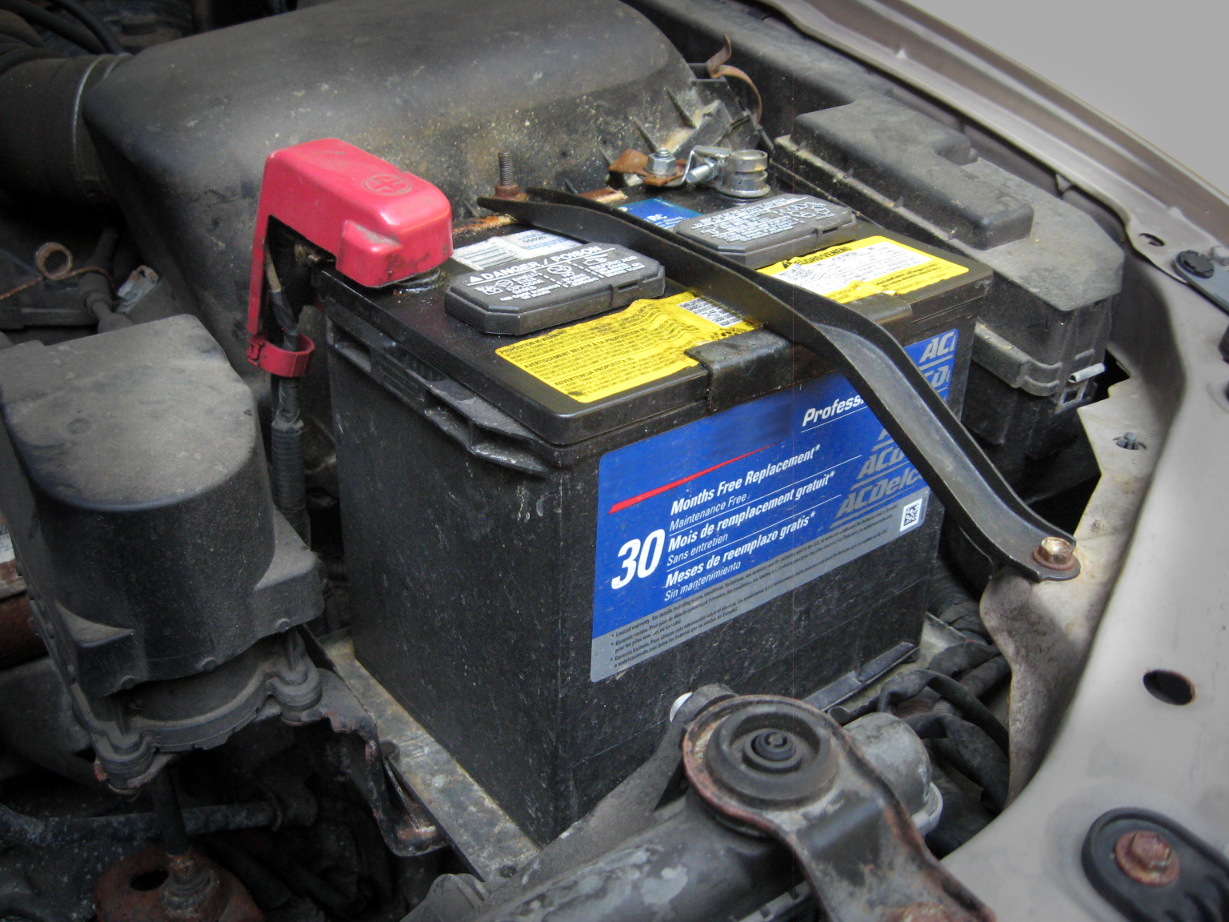
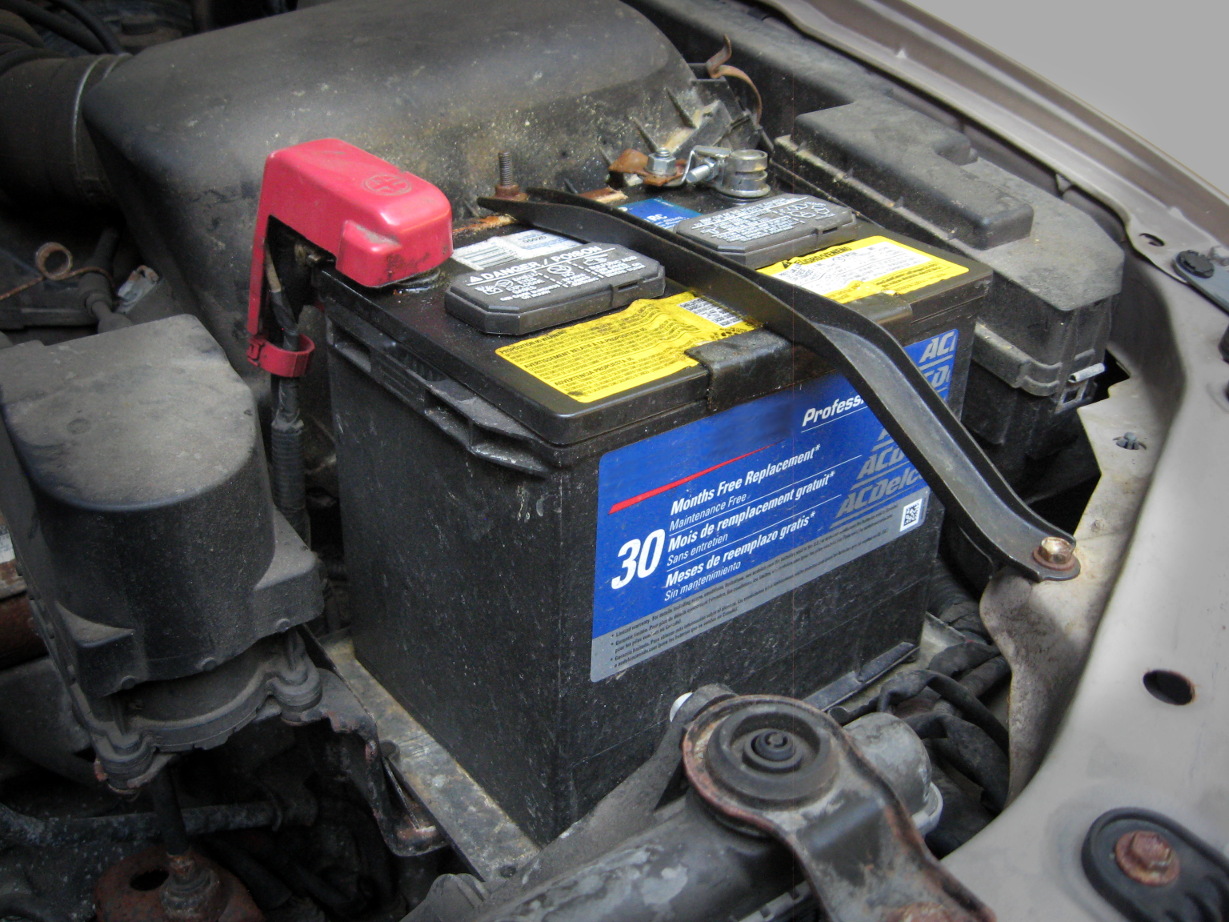
A car battery can die from leaving lights on, extreme temperatures, old age, corrosion, short trips, or a failing alternator. Stick around, because knowing the real killers behind your battery's sudden death can save you hundreds of dollars and a whole lot of frustration.
Picture this: it's a freezing Monday morning, you're already running late, and you turn the key only to hear that dreaded click-click-click sound. No engine, no radio, no heat. Just silence. I've been there more times than I care to admit. Over the years of tinkering with engines, I've learned that a car battery rarely dies for no reason. There's always a culprit hiding under the hood or in your daily routine. Let me walk you through everything that can quietly kill your battery, so you're never caught off guard again.
Common Causes of Car Battery Failure
Your battery works hard every single day, and sometimes the things we do without thinking slowly drain its life. From simple human mistakes to mechanical gremlins, here are the most common reasons your battery might give up on you.
Human Error and Electrical Drains
We've all done it. You park the car, rush inside, and forget to turn off the headlights or the dome light. Fast forward eight hours, and your battery is completely flat. Modern cars are pretty smart, often shutting off lights automatically, but older models aren't so forgiving. Even something as small as a phone charger plugged into the 12-volt outlet can slowly sip power over several days until there's nothing left to start the engine.
Parasitic Drain from Faulty Components
Every car has what's called a parasitic drain. Your clock, alarm system, and computer memory need a tiny bit of juice even when the car is off. That's normal. But when something like a trunk light stays on because the switch is broken, or a relay fails to close properly, that small drain turns into a big problem. I've seen brand-new batteries die in a week because of a sticky relay that nobody could find right away.
Short Trips and Insufficient Charging Time
If most of your driving is just a few minutes to the grocery store and back, your alternator never gets enough time to fully recharge the battery. Starting the engine takes a huge burst of power, and short drives don't replace it. Over time, this constant state of partial charge wears the battery down and shortens its lifespan significantly.

Environmental Factors That Kill Batteries
Sometimes the weather is your battery's worst enemy. Extreme conditions can push even a healthy battery past the breaking edge.
Extreme Cold and Its Impact
Cold weather is brutal on car batteries. The chemical reactions inside slow down, meaning the battery produces less power when you need it most. At the same time, your engine requires more cranking power to start because the oil is thicker. This double hit is why so many batteries die on the first really cold morning of winter.
Excessive Heat and Evaporation
On the flip side, extreme heat is just as dangerous, if not worse. High temperatures cause the battery fluid to evaporate, which damages the internal plates. If you live in a hot climate, you'll often find your battery only lasts two or three years instead of the typical five or six. Parking in the shade or a garage can make a real difference.
Vibration and Physical Damage
Rough roads and constant vibration can shake the internal plates of your battery loose or cause cracks in the case. A loose battery hold-down makes this even worse. I always remind friends to check that their battery is tightly secured. It's a small step that prevents a lot of headaches.

Mechanical and Electrical System Failures
Sometimes the battery isn't the problem at all. The systems designed to charge and protect it can fail, leaving you stranded.
Alternator Problems
The alternator is your battery's best friend. It keeps it charged while the engine runs. When the alternator starts to fail, your battery slowly loses its charge while driving. Most people don't realize anything is wrong until the car just stops running, and by then, both the battery and alternator may need replacing.
Corroded or Loose Battery Terminals
Corrosion looks like a blue or white powder around the battery terminals. It blocks the flow of electricity between the battery and the rest of the car. A loose terminal can cause similar issues, making your car fail to start even if the battery is perfectly healthy. Cleaning the terminals is easy, and a wire brush takes care of it in minutes.
Bad Wiring and Grounding Issues
Faulty wiring or a bad ground strap can prevent your battery from charging properly. These problems are trickier to spot and often require a mechanic with the right diagnostic tools. If your battery keeps dying and everything else checks out, wiring could be the hidden villain.

Battery Age and Lack of Maintenance
Like every other part of your car, batteries have a limited lifespan. Ignoring basic care can shorten that life even further.
Old Age and Natural Wear
Most car batteries last between three and five years. Once they hit that age, they become unreliable. The internal chemistry simply wears out. If you're approaching that window, it's smarter to replace the battery proactively than to wait for it to fail at the worst possible moment.
Low Electrolyte Levels
If you have a traditional lead-acid battery that isn't sealed, you can sometimes add distilled water to bring the electrolyte level back up. Letting it run dry destroys the plates quickly. Sealed batteries don't need this, but they also can't be saved once they're low.
Poor Storage Habits
Storing a car for months without driving it can kill a battery completely. Batteries naturally self-discharge over time, and sitting in a dead state for long causes permanent damage. Using a trickle charger or starting the car every week or two keeps it healthy during long storage.

Driving Habits That Shorten Battery Life
How you drive matters more than you might think. Some everyday habits quietly chip away at your battery's health.
Frequent Engine Starts
Stop-and-go traffic and constantly turning the engine on and off can wear your battery down faster than long, steady drives. Each start takes a chunk of power, and the alternator needs time to replace it. If your commute is mostly idling in traffic, consider taking a longer highway drive once a week to give the battery a proper charge.
Using Electronics While Idle
Sitting in your car with the engine off, blasting the stereo or charging devices, is a fast way to drain your battery. I've been guilty of this while waiting in parking lots. Ten minutes might be fine, but an hour of radio use with the engine off can leave you needing a jump.
Ignoring Warning Signs
A little slower cranking, dimmer headlights, or a battery light flickering on the dashboard are all early warnings. Ignoring them is like ignoring a check-engine light. Eventually, the problem catches up with you, usually at the worst possible time.

How to Prevent Battery Death
The good news is that most battery problems are preventable with a little attention and care.
- Drive your car regularly for at least 20 minutes to keep the battery fully charged.
- Turn off all lights and accessories before exiting the vehicle.
- Check the battery terminals every few months and clean off any corrosion.
- Have the charging system tested once a year, especially before winter or summer.
- Replace the battery every four to five years as a preventive measure.
- Use a trickle charger if the car sits unused for long periods.
- Keep the battery tightly secured to reduce vibration damage.

Frequently Asked Questions
How long does a car battery usually last?
Most car batteries last between three and five years, depending on climate, driving habits, and maintenance. Hot climates and frequent short trips can shorten that lifespan significantly.
Can a dead battery be recharged?
Yes, if the battery isn't too old or damaged. Jump-starting the car and driving for 30 minutes or using a battery charger can often bring it back. However, deeply discharged ones may never fully recover.
What are the signs of a dying battery?
Slow engine cranking, dim headlights, a swollen battery case, and a sulfur smell are common signs. Many cars also show a battery warning light on the dashboard when something is wrong.
Does idling the car charge the battery?
Idling charges the battery very slowly and isn't very efficient. Driving at normal speeds is far better for recharging because the alternator works harder and faster.
Can cold weather kill a battery overnight?
Yes, especially if the battery is already weak. Cold reduces the battery's capacity, and if it's near the end of its life, a freezing night can be enough to leave you stranded in the morning.
Conclusion
A car battery doesn't just die out of nowhere. Leaving lights on, extreme temperatures, old age, corroded terminals, short trips, and a failing alternator are all common killers. By understanding these causes and building a few simple habits into your routine, you can avoid the frustration of a dead battery and extend its life by a mile. Keep an eye on the warning signs, stay on top of basic maintenance, and your battery will return the favor with years of reliable starts. Got a battery story or a tip that saved the day? Drop it in the section below. We'd love to hear from you.