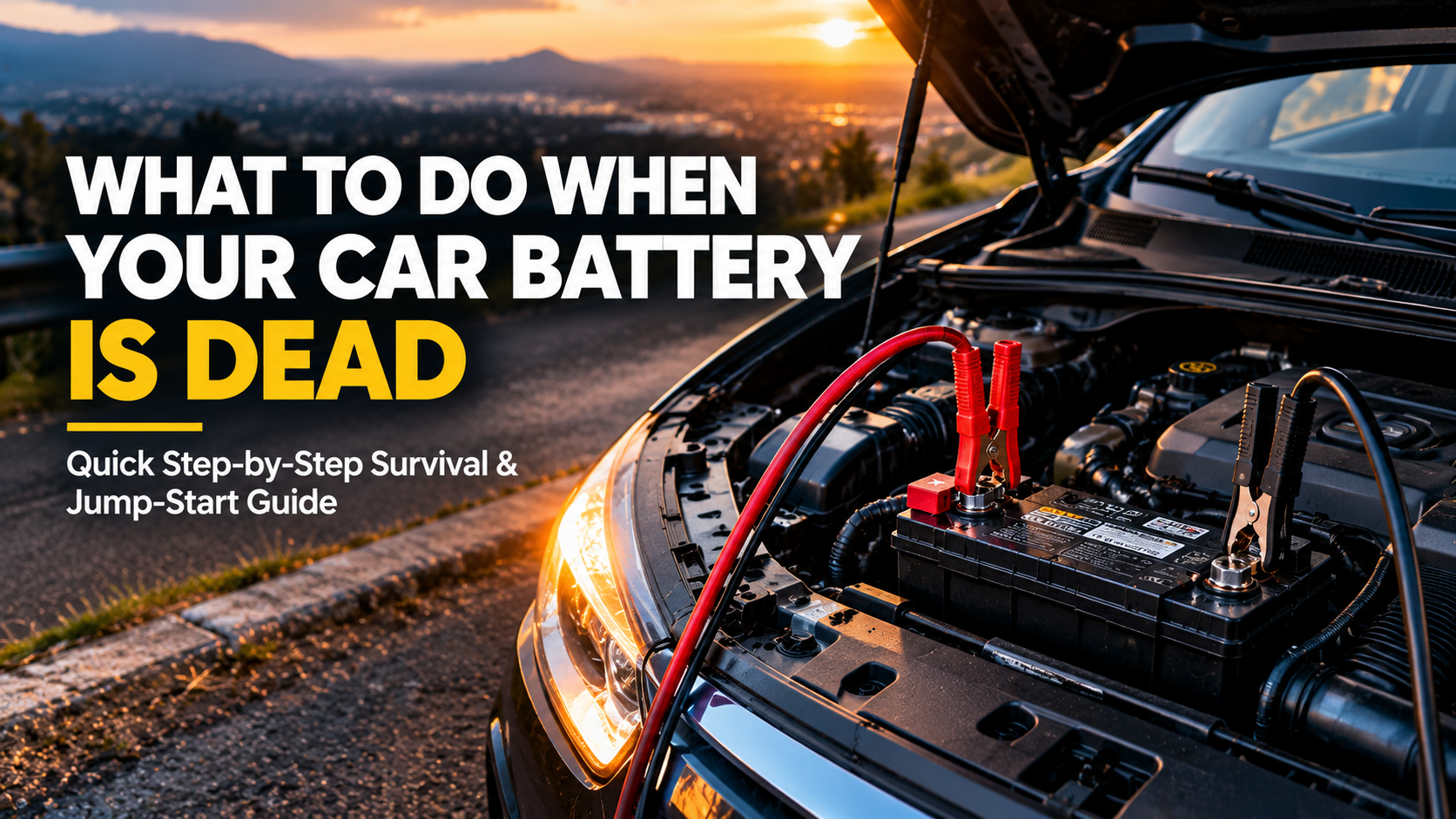
A dead battery can be fixed quickly with a jump start, a portable charger, or by calling roadside assistance. Knowing what to do when your car battery is dead saves time, money, and stress in any situation.
Picture this: you turn the key, and instead of the engine roaring to life, you hear a weak click or nothing at all. That dreaded dead battery moment can ruin your day, but it doesn't have to ruin your week. Over the years, I've helped hundreds of drivers get back on the road, and I'm here to share every trick I've learned along the way. Whether you're stuck in a parking lot, your driveway, or on a busy highway, this guide will walk you through exactly what to do when your car battery is dead. By the end, you'll feel confident handling this common car problem like a seasoned pro.

Understanding Why Car Batteries Die
Before diving into solutions, it helps to understand why car batteries fail in the first place. A car battery typically lasts between three and five years, but several factors can shorten its life or cause sudden failure. Extreme temperatures, both hot and cold, are major culprits. Heat accelerates battery fluid evaporation, while cold thickens engine oil and makes it harder for the battery to deliver power.
Another common reason is leaving electrical accessories running. If your headlights, interior lights, or radio stayed on overnight, the battery likely drained completely. Corroded battery cables, a faulty alternator, or frequent short trips that don't allow the battery to fully recharge can also lead to a dead battery. Understanding these causes helps you prevent future breakdowns and know exactly what to do when your car battery is dead the next time it happens.
Signs Your Car Battery Is About to Die
Catching battery trouble early can save you from being stranded. Here are the most common warning signs that your battery is on its last legs:
- Slow engine crank when you turn the key
- Dim or flickering headlights
- Electrical issues like power windows moving slowly
- A bloated or swollen battery case
- A sulfur or rotten egg smell near the engine
- The battery warning light illuminating on your dashboard
- Needing frequent jump starts
If you notice any of these signs, it's wise to test your battery or visit a mechanic before it leaves you completely stuck.
Safety First: What to Keep in Mind
Before you attempt any battery recovery steps, safety should always come first. A car battery contains sulfuric acid, which can cause burns, and it produces hydrogen gas that is highly flammable. Always wear protective gloves and safety glasses if you have them. Make sure the vehicle is in park or neutral with the parking brake engaged. Keep any flames, sparks, or cigarettes far away from the battery. If you smell a strong sulfur odor or notice leaking fluid, do not attempt a jump start and call a professional instead. Following these precautions ensures you handle a dead battery situation safely.

How to Jump Start a Dead Car Battery
Jump starting is the most popular method for reviving a dead battery, and it's something every driver should learn. I've personally used this method dozens of times, from helping a coworker whose battery drained during a long meeting to rescuing my own car on a freezing morning.
What You Need
- A set of jumper cables in good condition
- Another vehicle with a working battery
- Safety gloves (optional)
Step by Step Instructions
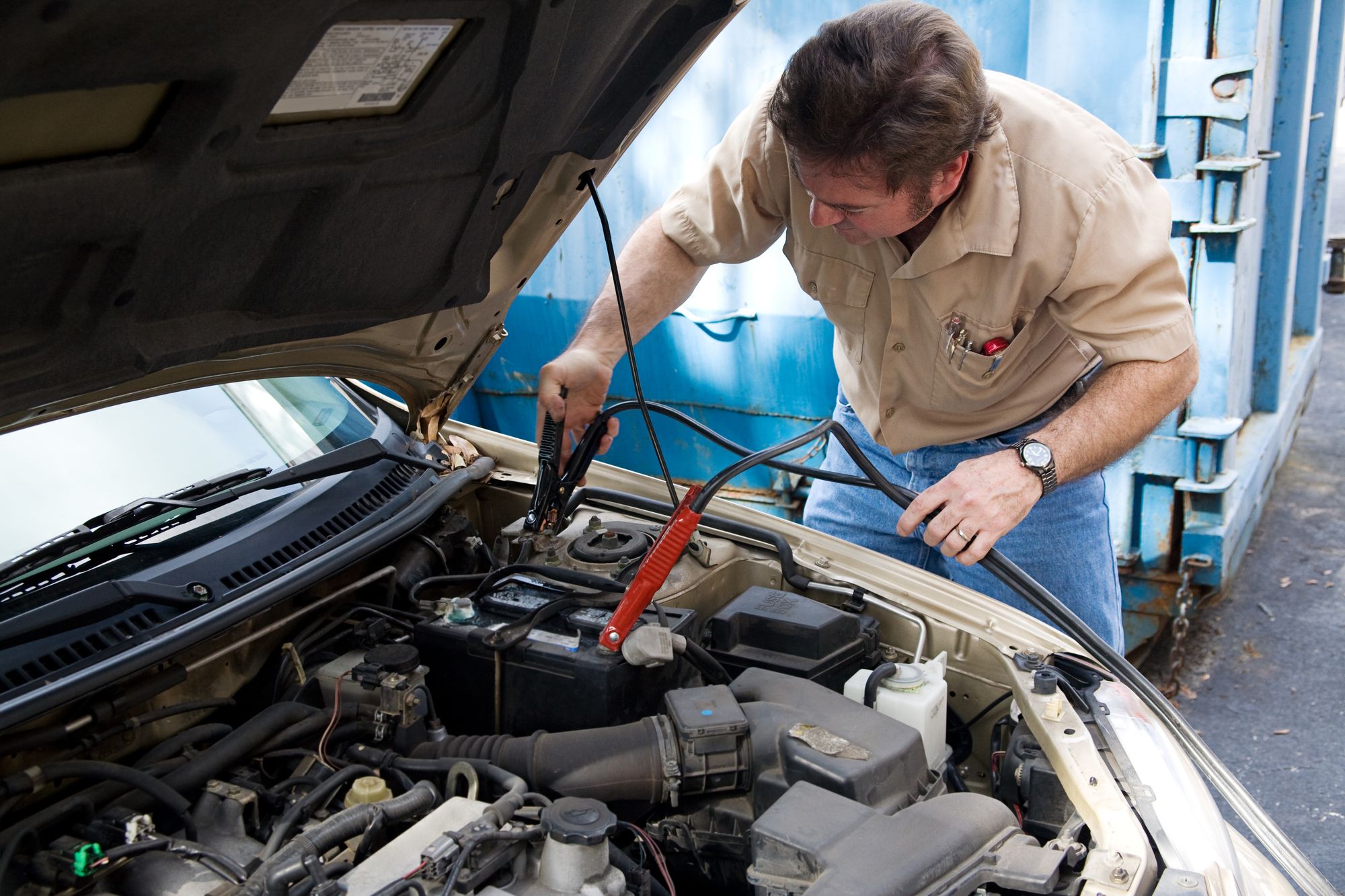
- Position the working vehicle close to yours so the batteries are within cable reach but the cars do not touch.
- Turn off both vehicles and remove the keys from the ignitions.
- Identify the positive (+) and negative (-) terminals on both batteries.
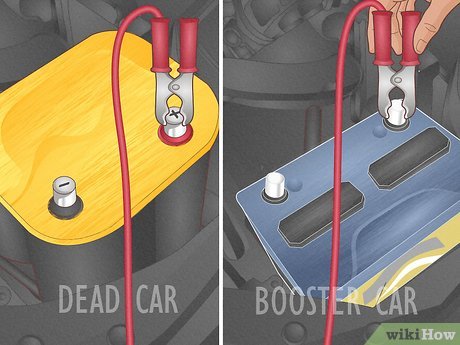
- Connect the red clamp to the positive terminal of the dead battery.
- Connect the other red clamp to the positive terminal of the working battery.
- Connect the black clamp to the negative terminal of the working battery.
- Attach the final black clamp to an unpainted metal surface on the dead car, away from the battery.
- Start the working vehicle and let it run for a few minutes.
- Try starting your vehicle. If it doesn't start, give it another minute or two.
- Once your car is running, carefully remove the cables in reverse order.
- Keep your car running for at least 20 minutes to recharge the battery.
This method works in most cases and is the fastest way to get moving again when you face a dead battery.
Using a Portable Battery Jump Starter
If you don't have access to another vehicle, a portable jump starter is a lifesaver. These compact devices store enough power to start your car without needing a second vehicle. I've kept one in my trunk for years, and it has paid for itself many times over.
To use a portable jump starter, make sure it's fully charged. Connect the red clamp to the positive terminal and the black clamp to the negative terminal or a grounded metal surface. Turn on the jump starter and try starting your car. Once the engine is running, disconnect the device and let your car idle to recharge the battery. Portable jump starters are especially useful for solo drivers, people who travel frequently, or anyone who lives in areas with extreme weather conditions.
Trying a Battery Charger or Trickle Charger
If you have more time and access to an outlet, a battery charger is another reliable option. A standard charger takes several hours to fully recharge a dead battery, while a trickle charger can do it overnight. This method works best when you're at home and not in a rush.
Connect the charger clips to the corresponding battery terminals, plug the charger into a wall outlet, and let it work its magic. Once the battery is charged, start your car and let it run for a while to maintain the charge. Battery chargers are a great long-term solution if your battery is aging but still salvageable.
Push Starting a Manual Transmission Vehicle
Drivers with manual transmissions have another option: push starting. This method involves rolling the car to build momentum and then engaging the clutch to start the engine.
How to Push Start
- Put the car in second gear.
- Press the clutch pedal all the way down.
- Have someone push the car until it gains some speed, or let it roll downhill if possible.
- Quickly release the clutch while gently pressing the gas pedal.
- The engine should turn over and start running.
This trick does not work on automatic vehicles, but it's a handy skill for manual drivers who often face dead battery issues.

Calling for Roadside Assistance
Sometimes, no matter how prepared you are, you need help from professionals. Roadside assistance services like AAA, insurance-provided help lines, or even rideshare platforms can send someone to jump start or tow your vehicle. This is the safest option if you're in a dangerous location, unsure about handling the battery yourself, or dealing with a severely damaged battery. Many credit card companies and car manufacturers also offer roadside assistance, so it's worth checking what coverage you already have before an emergency happens.
What to Do After Your Battery Is Revived
Getting your car started is only half the battle. Once your battery is revived, you need to make sure it stays healthy.
- Drive for at least 20 to 30 minutes to allow the alternator to recharge the battery.
- Avoid turning off the engine until you reach your destination.
- Schedule a battery test at an auto shop to check its overall health.
- Inspect the battery terminals for corrosion and clean them if necessary.
- Consider replacing the battery if it's more than three years old or showing signs of weakness.
Taking these steps helps prevent another dead battery situation in the near future.

Preventing Future Dead Battery Problems
Prevention is always better than cure. With a few simple habits, you can dramatically reduce the chances of facing a dead battery again.
- Turn off all lights and accessories when the engine is off.
- Drive your car regularly, especially if it sits for long periods.
- Have your battery tested at least once a year.
- Keep the battery terminals clean and tight.
- Park in a garage during extreme weather when possible.
- Invest in a portable jump starter and keep it in your vehicle.
- Replace your battery before it reaches the end of its lifespan.
These small actions can save you from the frustration of being stranded with a dead battery.
When to Replace Your Battery Instead of Reviving It
Sometimes, a dead battery simply cannot be saved. If it refuses to hold power, swells, or emits a strong rotten egg smell, replacement is the only safe option. Most auto parts stores will test your battery for free and help you choose a replacement. A new battery typically costs between fifty and two hundred dollars depending on the brand and vehicle type. Investing in a quality battery ensures reliable starts and fewer headaches down the road.
Frequently Asked Questions
Can a completely dead battery be recharged?
Yes, a completely dead battery can often be recharged using a jump start, a portable jump starter, or a battery charger. However, if the battery is old or damaged, it may not hold a charge and will need replacement.
How long does it take to jump start a dead car battery?
The jump start process itself takes about five to ten minutes. After that, you should drive for at least 20 minutes to allow the alternator to recharge the battery sufficiently.
Is it safe to jump start a car in the rain?
Yes, jump starting a car in the rain is generally safe as long as you follow proper procedures and keep the connections dry. Avoid touching the clamps together or letting them touch any metal surfaces.
How do I know if my battery is dead or if it's the alternator?
A dead battery usually produces no power at all, while a failing alternator often allows the car to start but then lose power quickly. If your battery dies repeatedly after being charged, the alternator may be the real problem.
Can cold weather kill a car battery?
Yes, cold weather is one of the leading causes of dead car batteries. Low temperatures slow down the chemical reactions inside the battery and reduce its ability to deliver power, especially if the battery is already weak.
Conclusion
A dead car battery is one of the most common and frustrating vehicle problems, but it doesn't have to ruin your day. With the right knowledge and tools, you can handle it confidently and safely. From jump starting with another vehicle to using a portable charger or calling for roadside help, there are several reliable solutions to get you back on the road. Remember to take care of your battery with regular maintenance and quick action when warning signs appear. Keep a set of jumper cables or a portable jump starter in your trunk, and you'll always be prepared for whatever comes your way. Stay proactive, stay safe, and never let a dead battery catch you off guard again. Share this guide with fellow drivers, and let's make dead battery breakdowns a thing of the past.