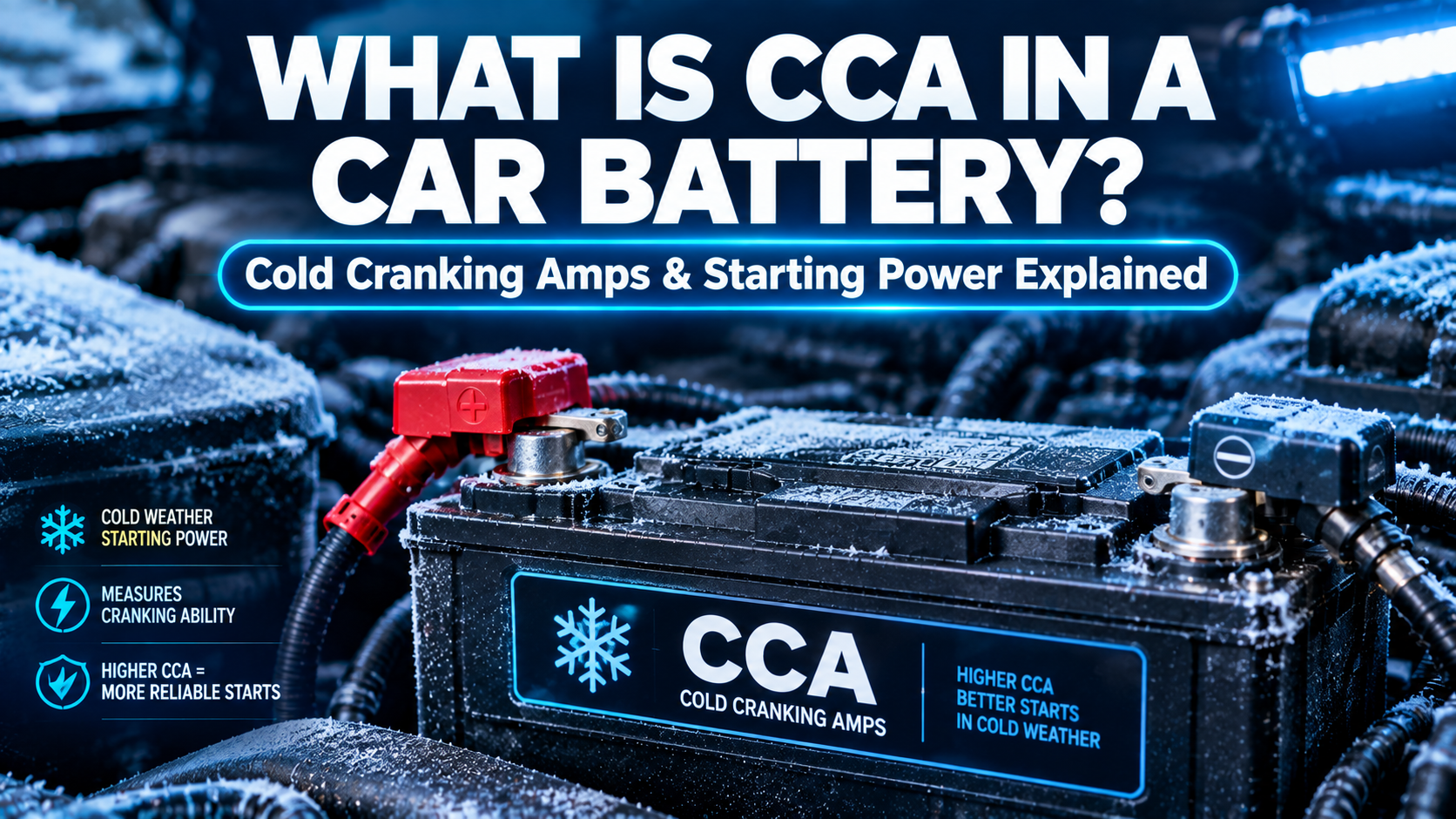
CCA stands for Cold Cranking Amps, a rating that measures a car battery's ability to start an engine in freezing conditions. It's one of the most important specs to look at when buying a new battery.
If you've ever stood in the auto parts aisle staring at rows of batteries wondering what all those numbers mean, you're not alone. I remember my first time buying a replacement battery for my old pickup truck. The guy behind the counter asked what CCA I needed, and I just shrugged. Turns out, that little number can mean the difference between your car starting on a frosty morning and you calling a tow truck. After years of working on cars and helping friends pick out the right batteries, I've learned that understanding CCA isn't just for mechanics. It's something every driver should know.
What Does CCA Actually Mean for Your Car Battery
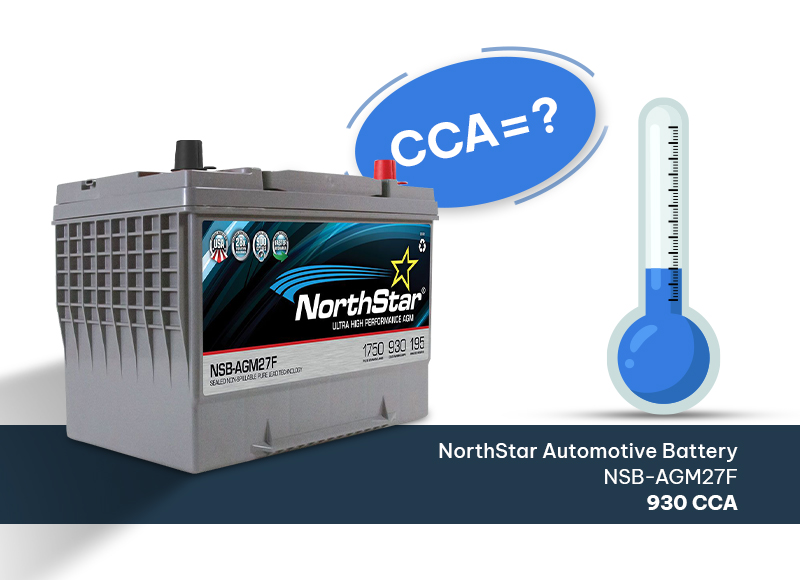
CCA is a standardized test rating developed by the Battery Council International. It tells you how many amps a fully charged 12-volt battery can deliver for 30 seconds at zero degrees Fahrenheit while maintaining at least 7.2 volts. Think of it as a stress test for cold mornings. The higher the CCA, the more starting power your battery has when the temperature drops.
Most car batteries list both CCA and CA (Cranking Amps). The difference is temperature. CA is measured at 32°F, while CCA is tested at 0°F. Since real winters get brutal, CCA gives you a better picture of what your battery can handle in actual freezing weather.
Why CCA Matters More Than You Think
Battery performance drops significantly in cold weather. Your engine oil gets thicker, your battery's chemical reactions slow down, and suddenly that reliable starter needs way more juice to turn over the motor. A battery with a weak CCA rating might start fine in July but leave you stranded in January.
Here's a real-life example from my own garage. A friend had a battery rated at 500 CCA in his sedan, which worked great in Texas. When he moved to Minnesota, that same battery struggled every winter morning. He replaced it with an 800 CCA battery, and the difference was night and day. No more clicking, no more 10-minute warm-up attempts. Just a reliable turn of the key and the engine fired right up.
How to Find the Right CCA for Your Vehicle
Your owner's manual is the best starting point. It will tell you the minimum CCA rating recommended for your specific engine. You can also check the label on your current battery or look up your vehicle's specs online.
Here are some practical guidelines to follow:
- Match or exceed the manufacturer's recommendation for best results
- Bigger engines generally need higher CCA ratings
- Diesel engines almost always require more cranking power than gas engines
- If you live in a colder climate, going above the minimum is smart
- Don't assume more CCA is always better if your car doesn't need it
I always tell people to think of CCA like horsepower. You want enough to do the job reliably, but paying for extra power you never use just wastes money.
The Difference Between CCA and Reserve Capacity
While CCA tells you about starting power, reserve capacity (RC) measures how long your battery can run accessories if the alternator fails. They're two different things serving different purposes. A battery with great CCA might have mediocre reserve capacity, and vice versa.
Most quality batteries balance both ratings well. But if you run lots of electronics, plug in phone chargers, or have an aftermarket stereo, you'll want to pay attention to that RC number too.
Signs Your CCA Has Dropped and You Need a New Battery
Batteries lose their cranking power gradually. You might not notice until one cold morning when the engine barely turns over. Watch for these warning signs:
- Engine cranks slowly, especially in cool weather
- Clicking sound when you turn the key
- Dim headlights when the engine is off
- Battery is more than 4 to 5 years old
- Corrosion buildup on the terminals
- Swollen or bloated battery case
A simple load test at any auto parts store can check your battery's health. Most places will do this for free and tell you exactly how much life is left.
Common Mistakes People Make with CCA Ratings
I've seen plenty of people make these errors over the years. Avoid them and you'll save yourself headaches down the road.
Buying the cheapest battery with just enough CCA. A battery that barely meets the minimum might work, but it won't last as long or perform as well. Going one or two tiers up usually pays for itself in reliability and lifespan.
Ignoring CCA in warm climates. Just because you live somewhere mild doesn't mean CCA doesn't matter. Battery degradation still happens, and having extra starting power never hurts.
Assuming all battery brands perform the same. They don't. Stick with reputable brands that have consistent quality control. That no-name battery at the discount store might save you $20 today but cost you a tow truck tomorrow.
How Temperature Affects Your Battery's CCA Performance
Here's something interesting. A battery rated at 700 CCA at 0°F actually delivers around 1000 CCA at 80°F. Cold saps power, while heat generally helps performance, though extreme heat shortens overall battery life.
This is why batteries often fail in winter even though heat is harder on them long-term. The cold reveals weaknesses that were building all summer. If your battery is marginal in July, it'll be dead in January.
Maintaining Your Battery for Maximum CCA Life
Want your battery to deliver its rated CCA for as long as possible? Keep the connections tight and clean. Make sure the battery is securely mounted so vibrations don't damage the internal plates. If you're not driving for extended periods, a battery maintainer (sometimes called a tender) keeps it fully charged without overcharging.
I keep one on my classic car that sits all winter, and the battery still tests strong every spring. My neighbor neglected his and had to buy a new one every two years. Same battery type, same climate, completely different outcomes.
Frequently Asked Questions About CCA Car Batteries
What is a good CCA rating for a car battery?
Most standard cars need between 400 and 600 CCA to start reliably. Trucks and SUVs with bigger engines usually want 600 to 800 CCA. Always check your owner's manual for the specific recommendation for your vehicle.
Can you use a battery with higher CCA than recommended?
Yes, using a battery that exceeds the recommended CCA is perfectly fine and often recommended for colder climates. Your vehicle will only draw what it needs, so you won't damage anything by having extra cranking power available.
How long does a CCA battery typically last?
Most car batteries last between 3 and 5 years depending on climate, driving habits, and maintenance. Extreme temperatures, frequent short trips, and electrical issues can shorten battery life significantly.
Does CCA drop as a battery ages?
Absolutely. A battery gradually loses its cranking power as the internal plates sulfate and degrade. A battery rated at 700 CCA when new might test at only 400 CCA after 4 years, which explains those slow cranking mornings.
Is a higher CCA battery worth the extra money?
If you live somewhere cold or drive a larger vehicle, yes. The extra cost is usually modest, and the peace of mind knowing your car will start on the coldest morning is worth it. For mild climates and smaller engines, the minimum recommendation works fine.
Wrapping Things Up
Understanding CCA transforms you from a confused battery buyer into a confident consumer. It's not just a random number on the label. It's a real measurement of how well your battery will perform when you need it most. Match or exceed your manufacturer's recommendation, buy from a trusted brand, and keep up with basic maintenance. Your future self will thank you on those cold winter mornings when your car starts on the first try while others are waiting for a jump.
Got questions about your specific vehicle or battery setup? Drop a comment below or check your owner's manual for exact specifications. The right battery is out there waiting, and now you know exactly what to look for.