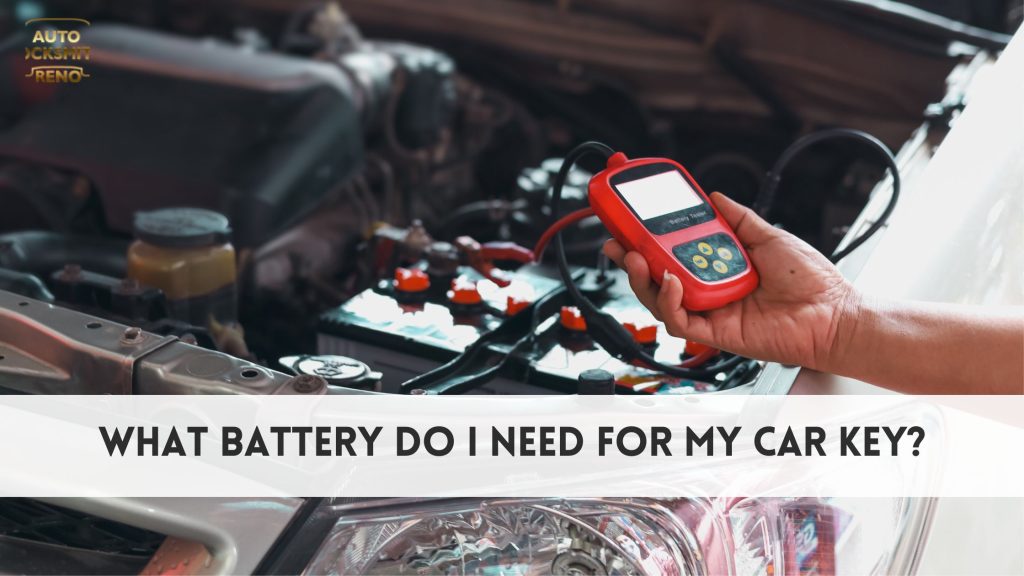
Car batteries rely on sulfuric acid, a highly corrosive liquid that powers the chemical reaction needed to start your engine.
If you've ever popped the hood and wondered what that watery stuff inside your battery actually is, you're not alone. Most drivers don't think about it until something goes wrong — like a dead battery on a cold morning. Over the years, I've worked on plenty of vehicles and dealt with my share of battery issues, and I can tell you this: understanding the acid inside your car battery can save you time, money, and even keep you safe. In this guide, I'll walk you through what kind of acid is in a car battery, how it works, and what you need to know to handle it like a pro.

What Acid Is Inside a Car Battery
The acid found in most traditional car batteries is called sulfuric acid. It's a strong, highly corrosive acid made of hydrogen, sulfur, and oxygen. When diluted with water, it becomes the electrolyte solution that helps your battery store and release energy.
In a standard lead-acid battery, sulfuric acid makes up about 35 to 40 percent of the electrolyte fluid. The rest is distilled water. This mix creates the perfect environment for a chemical reaction between lead plates inside the battery. That reaction is what produces the electricity your car needs to start and power its electronics.
Some key facts about sulfuric acid in car batteries:
- It's colorless to slightly yellow.
- It has a sharp, acidic smell.
- It's heavier than water, which is why it sinks when mixed.
- It can burn skin, eyes, and clothing on contact.
I still remember the first time I spilled a small amount on my jeans while doing a battery swap. It left a hole in the fabric within minutes. That's how powerful this stuff is.
How the Acid Works Inside the Battery
A car battery doesn't actually store electricity directly. Instead, it stores chemical energy and turns it into electrical energy when needed. The sulfuric acid is the key player in that process.
Inside the battery, you'll find two types of lead plates: one made of lead dioxide and one made of pure lead. These plates sit in the sulfuric acid electrolyte. When you turn the key or press the start button, the acid triggers a reaction between the plates. This creates a flow of electrons, which is the electrical current.
Here's a simple breakdown of how the acid works:
- The sulfuric acid splits into positive hydrogen ions and negative sulfate ions.
- The sulfate ions react with the lead plates, releasing electrons.
- The electrons flow through the battery terminals and power the vehicle.
- When the battery charges, the process reverses, and the acid returns to its full strength.
This back-and-forth process is what allows the battery to recharge while you drive. The alternator sends power back into the battery, reversing the chemical reaction and restoring the electrolyte balance.
Why Sulfuric Acid Is Used in Car Batteries
You might wonder why automakers chose sulfuric acid in the first place. The answer comes down to efficiency, cost, and reliability.
Sulfuric acid is highly reactive with lead, which is exactly what you need for a lead-acid battery. It produces a strong and steady electrical current, which is perfect for starting engines. It also works well across a wide range of temperatures, making it ideal for cars driven in everything from freezing winters to hot summers.
Here are the main reasons sulfuric acid is used:
- It reacts quickly with lead plates.
- It creates a high surge of power for engine starting.
- It's relatively affordable compared to other acid options.
- It's easy to recharge through the alternator system.
That said, sulfuric acid isn't perfect. It's dangerous, it's heavy, and it requires careful handling. But for over a century, it's been the best balance of performance and price for automotive use.
Are There Batteries Without Sulfuric Acid
Yes, some modern batteries use different chemistries. While most gasoline cars still use traditional lead-acid batteries, there are alternatives worth knowing about.
Some vehicles, especially hybrids and electric cars, use lithium-ion batteries. They don't use sulfuric acid at all. Instead, they rely on lithium salts in a liquid or gel electrolyte. These batteries are lighter, more efficient, and longer-lasting in many cases.
There are also AGM batteries, which are a type of lead-acid battery. They use a fiberglass mat to hold the electrolyte, which means the acid is absorbed rather than free-flowing. This makes them spill-proof and more vibration-resistant, but the acid is still sulfuric-based.
So while the chemistry is evolving, sulfuric acid is still the standard in most cars on the road today.
Safety Tips for Handling Battery Acid
This is where experience really matters. I've seen people try to clean battery terminals with their bare hands or check fluid levels without protection. Don't be that person. Battery acid is no joke.
Here are some safety tips to keep in mind:
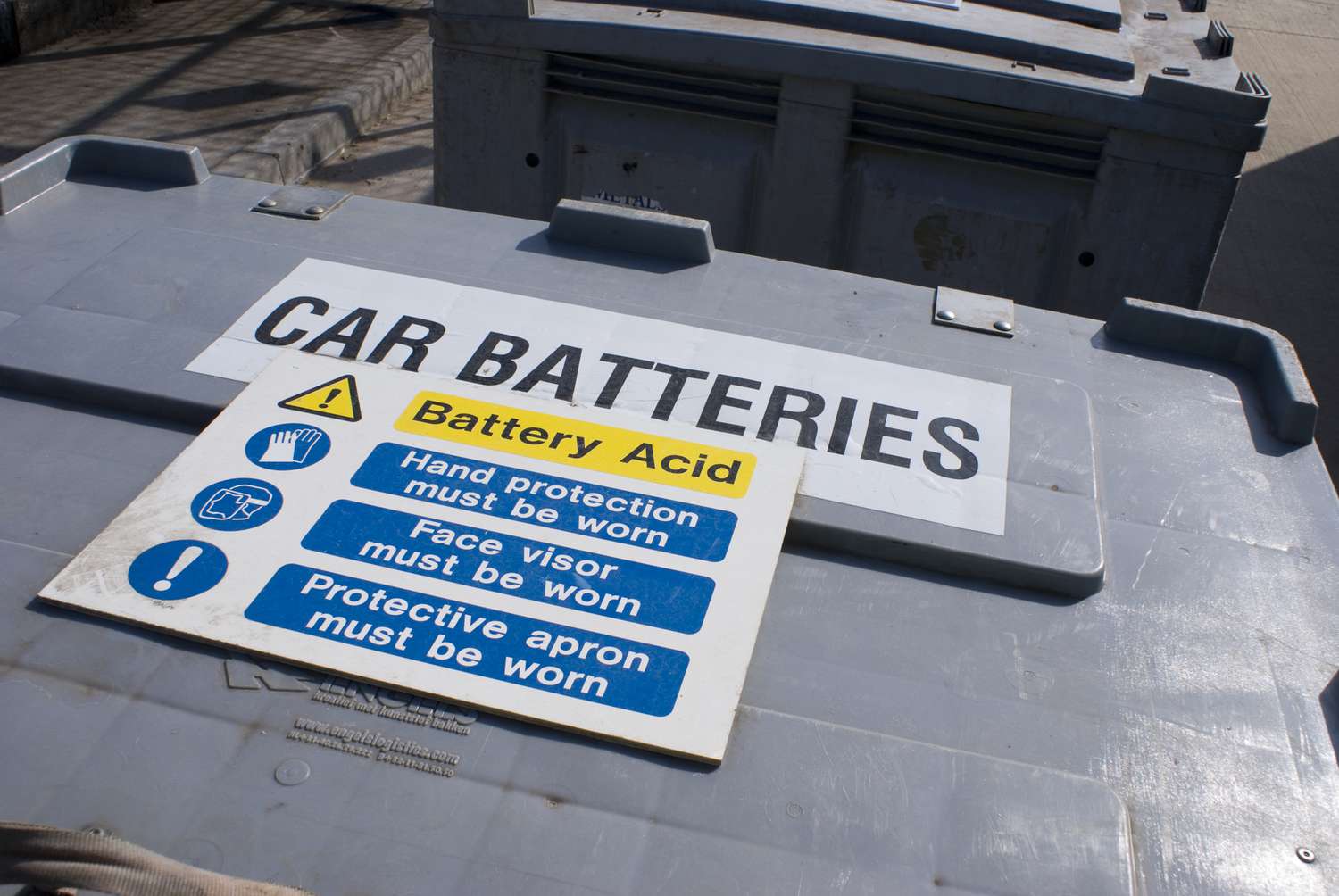
- Always wear gloves and eye protection when working near the battery.
- Use a baking soda and water mix to neutralize any spills.
- Never smoke or use open flames near a battery.
- Keep the battery upright to avoid acid leaks.
- Wash your hands and tools thoroughly after contact.
If acid gets on your skin, rinse it with clean water right away and seek medical help if it burns. If it splashes in your eyes, flush them with water for at least 15 minutes and get to a doctor fast.
How to Check and Maintain Battery Acid Levels
Older batteries let you peek inside and check the fluid. Most modern ones are sealed, but if yours isn't, you can check the acid level by looking at the fill lines on the side.
Here's how to check the acid level:
- Remove the caps on top of the battery.
- Look at the electrolyte level in each cell.
- If the acid is below the fill line, top it off with distilled water only.
- Never use tap water, as it contains minerals that can damage the battery.
You should also check the battery terminals for corrosion. That buildup is often dried acid mixed with metal residue. Clean it off with a wire brush and a baking soda paste to keep the connection strong.
From my experience, batteries that get regular maintenance last a year or two longer than neglected ones. A few minutes of care every few months can really pay off.
Signs Your Battery Acid Might Be Low or Failing
Sometimes the acid level drops due to evaporation, especially in hot weather. Other times, the battery just gets old and the acid loses its strength.
Watch for these warning signs:
- Slow engine cranking when starting.
- Dim headlights or flickering interior lights.
- A sulfur or rotten egg smell near the battery.
- Swollen or bloated battery case.
- Frequent need for jump-starts.
If you notice any of these, it's time to test the battery. Most auto parts stores will check it for free. They can measure the voltage and the acid specific gravity to see if the battery is still healthy or on its way out.
What to Do With Used Battery Acid
When a battery dies, you can't just toss it in the trash. The acid inside is hazardous and can harm the environment.
Here's what I do when a battery reaches the end of its life:
- Take it to a certified recycling center or auto shop.
- Many retailers offer a core refund when you bring in your old battery.
- Never pour battery acid down the drain or onto the ground.
Recycling lead-acid batteries is a well-established process. Over 95 percent of a lead-acid battery can be reused. That includes the acid, which gets neutralized and turned into water or converted into new battery acid.
Common Myths About Battery Acid
There are a lot of myths out there about car batteries and the acid inside them. Let me clear up a few of the most common ones.
Myth: Battery acid is like the acid in a lemon. The truth is, sulfuric acid is many times stronger than citric acid and can cause serious damage.
Myth: You should add acid when the fluid is low. Actually, you should only add distilled water. The acid doesn't evaporate; the water does.
Myth: A dead battery means the acid is gone. Not true. The acid is still there, but it's lost its charge. A good charger can sometimes bring it back.
Knowing the facts can help you avoid expensive mistakes and keep your battery running longer.

Frequently Asked Questions
Is the acid in a car battery dangerous
Yes, it is. Sulfuric acid is highly corrosive and can cause burns on skin, damage to eyes, and ruin clothing. Always handle batteries with care and use protective gear.
Can I use tap water to refill my car battery
No, you should only use distilled water. Tap water contains minerals and chemicals that can react with the battery plates and shorten its life.
How long does battery acid last
The acid itself doesn't wear out, but it can lose strength over time as the battery ages. A well-maintained lead-acid battery can last 3 to 5 years, sometimes longer.
What happens if my battery acid freezes
In very cold weather, if the battery is weak or discharged, the acid can freeze. This can crack the battery case and cause leaks. Keep your battery charged in winter to avoid this.
Are lithium-ion car batteries safer than lead-acid ones
They have different risks. Lithium-ion batteries don't contain sulfuric acid, but they can catch fire if damaged or improperly charged. Both types need proper handling and care.
Final Thoughts
The acid in your car battery might not be something you think about every day, but it matters. Sulfuric acid is the powerhouse that makes your engine start and your electronics run. Knowing what it is, how it works, and how to handle it puts you ahead of most drivers on the road.
Take a few minutes to check your battery, keep the terminals clean, and don't ignore the warning signs. A little attention now can save you from being stranded later. If you're ever unsure, don't guess — ask a professional or take your battery in for a quick test. Drive smart, stay safe, and keep that acid working for you.