After installing a new car battery, you need to test the voltage, secure the connections, reset your car's electronics, and monitor its performance over the first few days. A proper post-installation routine protects your vehicle's electrical system and extends battery life. I've been through this process dozens of times, and skipping these steps is one of the most common reasons new batteries fail early.
Test the Battery Voltage Right Away
The first thing you should do after installing a new car battery is check its voltage. A healthy, fully charged battery should read between 12.6 and 12.8 volts when the engine is off. If the reading is below 12.4 volts, the battery may not have been fully charged before installation.
I always keep a digital multimeter in my garage for this exact reason. It takes less than a minute and gives you peace of mind. If the voltage is low, drive the car for at least 30 minutes to let the alternator charge it up, or use a dedicated battery charger for a full top-up. Catching a low charge early prevents you from getting stranded later.
Secure the Battery Hold-Down and Terminals
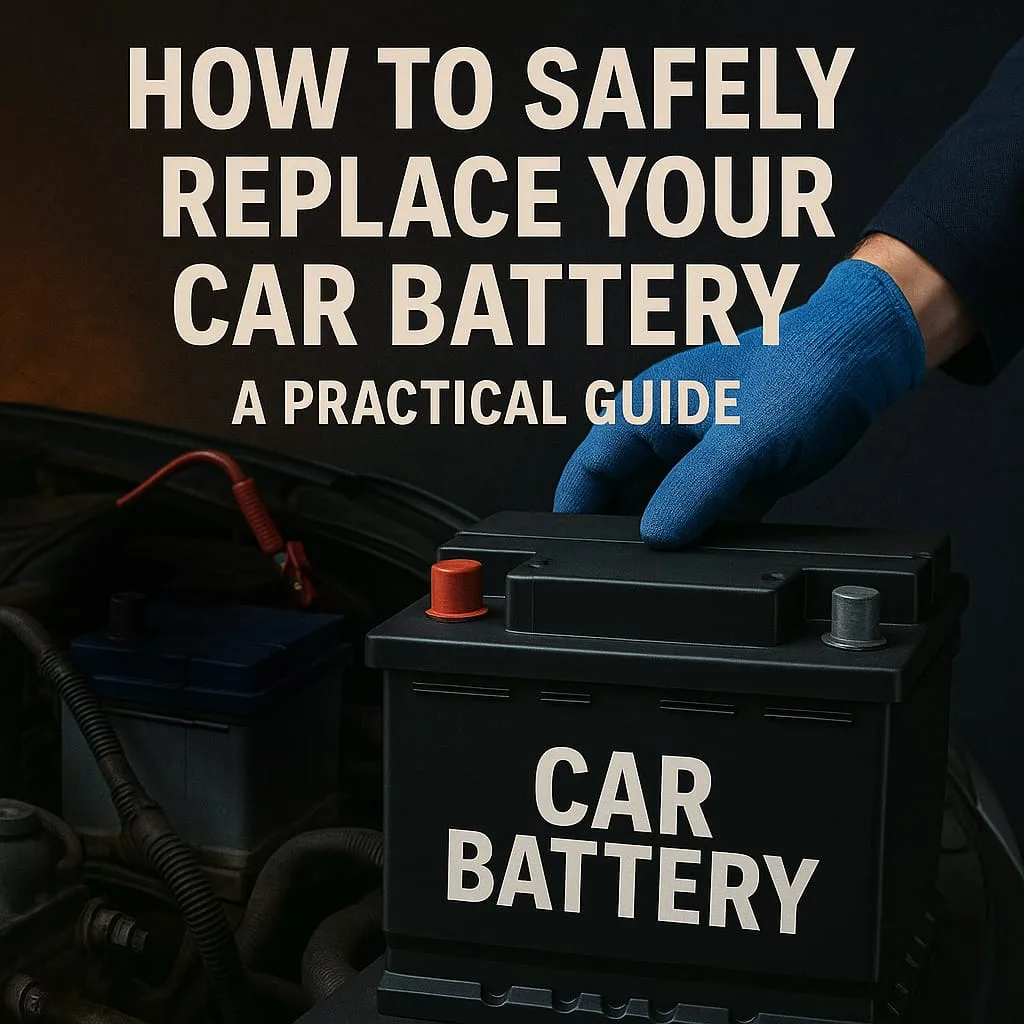
Once the battery is in place, make sure the hold-down clamp or bracket is tight. A loose battery can vibrate while driving, which damages the internal plates and shortens lifespan. I learned this the hard way when a battery I barely tightened shifted during a rough road and caused connection issues.
Also, double-check that both terminals are snug but not overtightened. The positive and negative cables should not wiggle. If you notice any corrosion around the terminals, clean it off with a baking soda and water solution before reconnecting. A clean, tight connection ensures stable power flow to every electrical component in your car.

Reset Your Car's Electronics and Systems
Modern vehicles rely heavily on computer systems, and disconnecting the battery can wipe out saved settings. After installation, you may need to reset the clock, radio presets, power windows, and sometimes the throttle body. Some cars also require an idle relearn procedure to restore smooth engine performance.
In my experience, driving the car for about 15 to 20 minutes after a battery swap helps the ECU recalibrate. If your check engine light stays on, don't panic right away. It often clears after a few drive cycles. However, if it persists, a quick OBD-II scan can tell you whether it's a real issue or just a reset glitch.
Apply Terminal Protection and Anti-Corrosion Spray
Corrosion is the silent killer of car battery terminals. Once your new battery is connected, apply a thin layer of petroleum jelly, dielectric grease, or an anti-corrosion spray to the terminals. This simple step creates a barrier against moisture and acid fumes that cause buildup over time.
I've seen brand-new batteries fail within a year because the owner skipped this step. A two-minute application can add years of reliable service. It's one of those small habits that separates a careful car owner from one who ends up replacing batteries more often than necessary.

Drive the Car and Monitor the Charging System
After installation, take your car for a short drive and pay attention to how the electrical system behaves. The headlights should be bright, the dashboard lights steady, and there should be no flickering. If you notice dimming or warning lights, your alternator may not be charging the battery properly.
A quick test with a multimeter while the engine is running should show a voltage between 13.7 and 14.7 volts. This confirms the alternator is doing its job. I recommend doing this check once a month for the first few months, especially if your car sits idle for long periods.

Dispose of the Old Battery Safely
Never throw your old battery in the trash. Car batteries contain lead and sulfuric acid, both of which are hazardous. Most auto parts stores, service centers, and recycling facilities accept old batteries and often give you a core credit toward your new purchase.
I always bring my old battery back to the store where I bought the replacement. It keeps toxic materials out of landfills and often saves me a few dollars. It's a responsible step that many people overlook, but it makes a real difference for the environment.
Frequently Asked Questions
How long should I let my car run after installing a new battery?
Let your car idle or drive for at least 20 to 30 minutes to allow the alternator to charge the new battery fully. This also helps the ECU and other systems recalibrate after the power reset.
Do I need to reset anything after changing a car battery?
Yes, you may need to reset the clock, radio, power windows, and sometimes the engine idle. Some vehicles also require a throttle relearn procedure for smooth acceleration and idle performance.
Can a new car battery die if I don't drive the car?
Yes, a new battery can slowly discharge if the car sits unused for weeks. If you don't drive regularly, use a battery maintainer or trickle charger to keep it at full charge.
How do I know if my new battery is working properly?
Use a multimeter to check voltage. A healthy battery reads 12.6 to 12.8 volts when off and 13.7 to 14.7 volts when the engine is running. Consistent readings within this range mean everything is working as it should.
Should I apply grease to battery terminals after installation?
Yes, applying dielectric grease or petroleum jelly to the terminals helps prevent corrosion and ensures a strong electrical connection. It's a quick step that can significantly extend the life of your new battery.
Conclusion
Taking care of your new car battery right after installation sets the tone for how long it will last. From checking voltage and tightening connections to resetting electronics and applying terminal protection, each step plays a role in keeping your vehicle reliable. A little attention now saves you from headaches on the road later. Treat your battery well, and it will return the favor with years of dependable starts and smooth performance. If you found this guide helpful, share it with fellow drivers or drop a comment below with your own battery tips.